
Switzerland to Raise VAT to Fund 13th Pension Payment

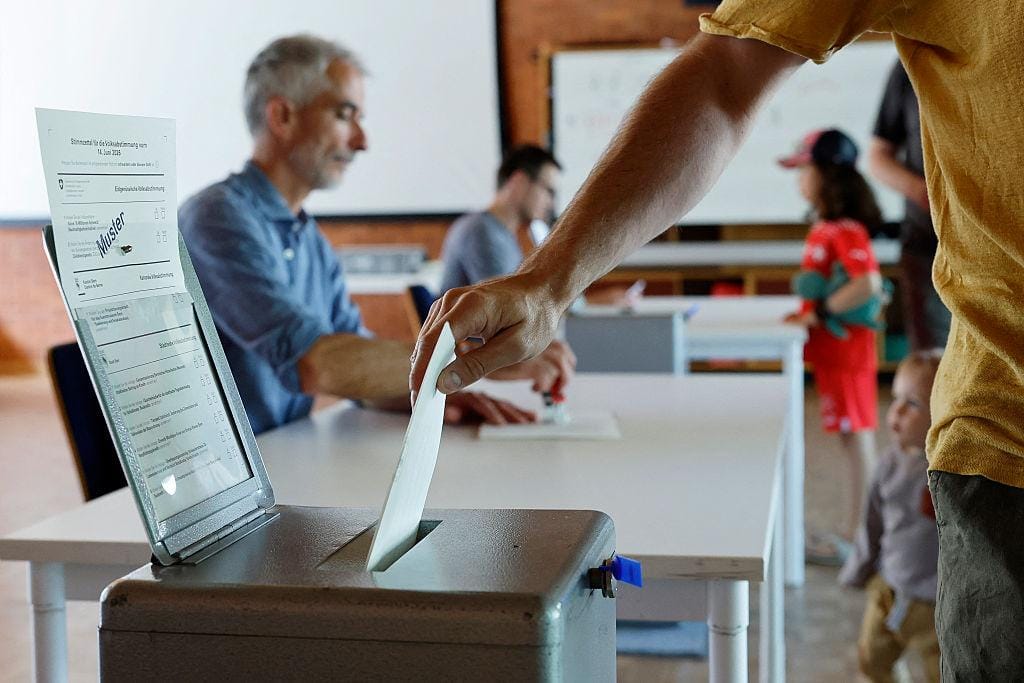
The Swiss parliament has approved a plan to increase value-added tax (VAT) in order to finance the country’s new 13th old-age pension payment. The decision now moves to the public, as voters and cantons must approve the constitutional amendment in a referendum.

Under the approved proposal, the standard VAT rate will rise by 0.4 percentage points starting in 2028. A reduced increase of 0.2 points will apply to the hotel sector, while essential goods such as food and medicines will remain unchanged under the current reduced rate.

Lawmakers had debated for months over how to fund the additional pension payment. The final compromise rejected a mixed funding model that included payroll deductions and instead relied primarily on VAT adjustments.

The House of Representatives approved the measure by 108 votes to 85, while the Senate backed it by 28 votes to 13. Both chambers ultimately supported the compromise put forward by the Conciliation Committee after prolonged discussions.

The 13th pension benefit, which was approved by Swiss voters in a previous referendum, will be paid out for the first time at the end of the year. The program is expected to cost around CHF 4.2 billion in its first year, with costs rising to CHF 5.4 billion by 2040.

Government officials argue that the VAT increase is necessary to ensure long-term sustainability of the old-age pension system. However, the proposal has sparked debate among social and economic groups.

Employers’ associations and business groups have criticized the decision, warning that a permanent tax increase could negatively affect economic competitiveness. They had preferred a temporary VAT adjustment combined with structural reforms.

On the other hand, employee organizations have expressed concern that the chosen funding method may weaken the financial stability of the pension system. They argue that a more balanced solution had been available during negotiations. The final decision now rests with Swiss voters, who will determine whether the VAT increase should be implemented as part of the country’s pension funding strategy.

Why This Matters:

The outcome will have a direct impact on Switzerland’s tax system, pension sustainability, and overall cost of living. It also reflects the ongoing challenge of balancing social welfare commitments with economic stability.
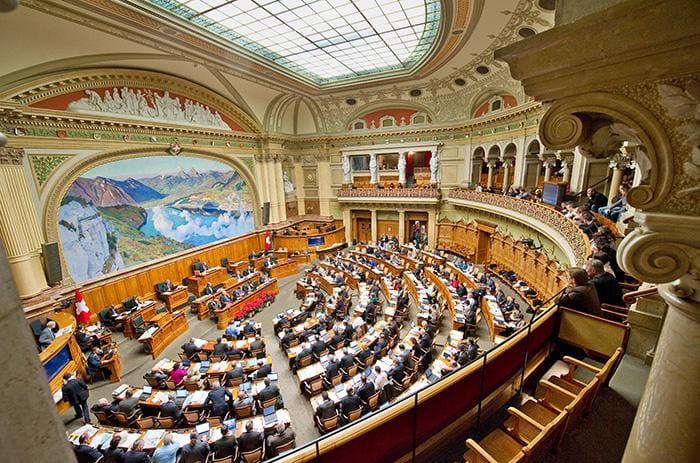

Swiss House Approves VAT Hike, Rejects Pension Funding Mix.

Switzerland has taken a major step in pension reform after the Swiss House of Representatives approved a Value Added Tax (VAT) increase to help finance the 13th payment of the old-age and survivors’ pension (AHV/AVS). However, lawmakers rejected a proposal for mixed financing that would have also increased employee contributions.

The VAT increase was approved by a vote of 104 to 87, showing clear support for funding the pension system through taxation rather than payroll deductions. In contrast, a closely contested vote rejected changes to salaries and employee contributions by 98 to 96, with a small number of abstentions.

During parliamentary debates, several political groups including the Swiss People’s Party, the Radical-Liberal Party, and the Liberal-Green Party supported the VAT-only funding model. They argued that relying on consumption tax is a more stable and transparent way to secure pension financing.

Opposition parties criticized the decision, warning that rejecting a mixed funding approach places a heavier burden on consumers and may indirectly push future discussions toward increasing the retirement age. The debate reflects ongoing political tensions in Switzerland over how to sustain its aging population and social security system.

Interior Minister Elisabeth Baume-Schneider clarified that the funding changes will not take effect until 2028. Until then, Switzerland is expected to cover two pension payments without secured financing, costing around CHF 9 billion. She emphasized that despite financial pressure, the 13th pension payment will begin as scheduled in December.

Both chambers of the Swiss Parliament are expected to confirm the decision in a final vote on Friday, which will determine the future direction of Switzerland’s pension funding system.

Switzerland Arbeitslosenkasse (ALK) System Explained – Benefits, Rules & Process

In Switzerland, the Arbeitslosenkasse (ALK) plays a key role in supporting individuals who lose their jobs. It is part of the broader unemployment insurance system known as Arbeitslosenversicherung (ALV), which ensures financial stability during periods of unemployment.

What is ALV (Unemployment Insurance)?

The ALV system is funded through monthly salary deductions from both employees and employers. It provides financial protection for workers who lose their jobs. However, self-employed individuals are generally not covered under this system.

What is RAV (Regional Employment Center)?

The RAV acts as a job placement and support center. It helps unemployed individuals find new jobs, monitors job applications, organizes meetings, and recommends training programs. Job seekers must regularly attend appointments and prove active job search efforts.

What is Arbeitslosenkasse (ALK)?

The ALK is responsible for calculating and paying unemployment benefits (Taggeld). They verify documents, process applications, and ensure monthly payments are made to eligible individuals.

What to Do After Job Loss

Once employment ends, individuals must immediately register with RAV. Delays in registration may reduce benefits.

Required Documents

Applicants must submit:

  • Passport or residence permit
  • Employment termination letter (Kündigung)
  • Employment contracts
  • Salary slips
  • Bank account details
  • AHV number

Job Search Requirements

Unemployed individuals must actively apply for jobs and provide proof. Failure to meet RAV requirements may lead to penalty days (Einstelltage), during which payments can be reduced or suspended.

How Much Support is Paid?

Unemployment benefits usually cover around 70% of the previous salary. In some cases, such as families with children, this can increase up to 80%.

For example, if a person earned CHF 5,000 monthly, they may receive approximately CHF 3,500 to CHF 4,000 as unemployment support.

Eligibility Conditions

To qualify, individuals must:

  • Have worked legally in Switzerland
  • Contribute to ALV insurance
  • Lose job involuntarily
  • Actively search for new employment

Important Responsibilities

Beneficiaries must:

  • Attend all RAV appointments
  • Submit job applications regularly
  • Remain available for work
  • Inform authorities about illness or travel

Payment Delays and Issues

In recent years, some delays have been reported due to system updates (SECO IT system), missing employer documents, or administrative backlogs. Sanctions from RAV can also temporarily affect payments.

Switzerland’s unemployment system is designed to support job seekers while encouraging active reintegration into the workforce.