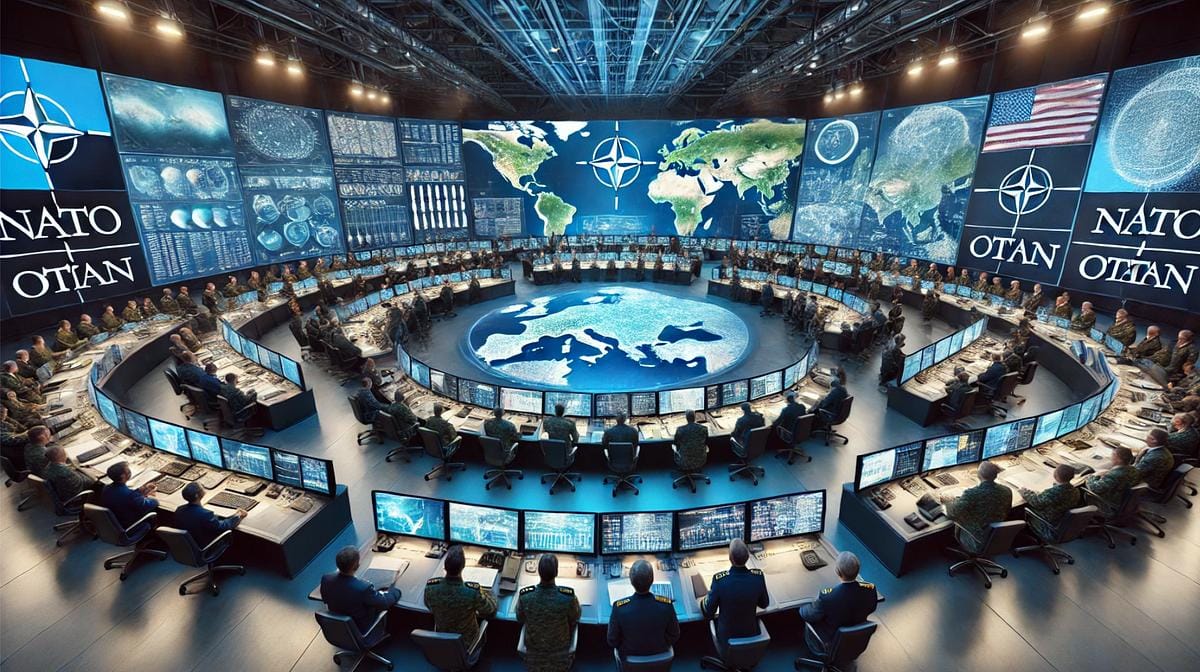
Europe’s AI Defence Revolution Gains Momentum

European defence forces are rapidly accelerating the integration of artificial intelligence into military systems, marking a major shift from experimental use to operational deployment across the continent.

According to defence analysts speaking to Euronews, countries including Germany, France, Ukraine, and the United Kingdom are leading Europe’s push to integrate AI into modern warfare systems.

One of the most significant recent developments is the “Brave Germany” programme, launched by Germany and Ukraine, which aims to deploy approximately 5,000 joint AI-enabled medium-range strike drones. The initiative reflects growing collaboration between European states on advanced defence technologies.

Experts say Europe’s militaries have already used artificial intelligence for years in logistics, human resources, and equipment maintenance. However, recent developments show a shift toward integrating AI into core operational and tactical decision-making systems.

Stockholm International Peace Research Institute (SIPRI) researcher Laura Bruun explains that early military AI adoption began around 2015, when the technology became advanced enough to significantly improve operational efficiency.

She notes that even basic AI systems can optimise battlefield logistics and route planning, similar to navigation tools used in everyday applications.

Current AI defence investment in Europe is largely focused on two key areas: semi-autonomous weapon systems and AI-driven decision-support systems that assist commanders in real time.

Analysts say the rapid expansion of military AI raises strategic, ethical, and security questions as countries balance innovation with regulation and international law.

As AI integration deepens, Europe’s defence landscape is expected to continue evolving, with increased collaboration, competition, and investment shaping the next phase of military modernization.
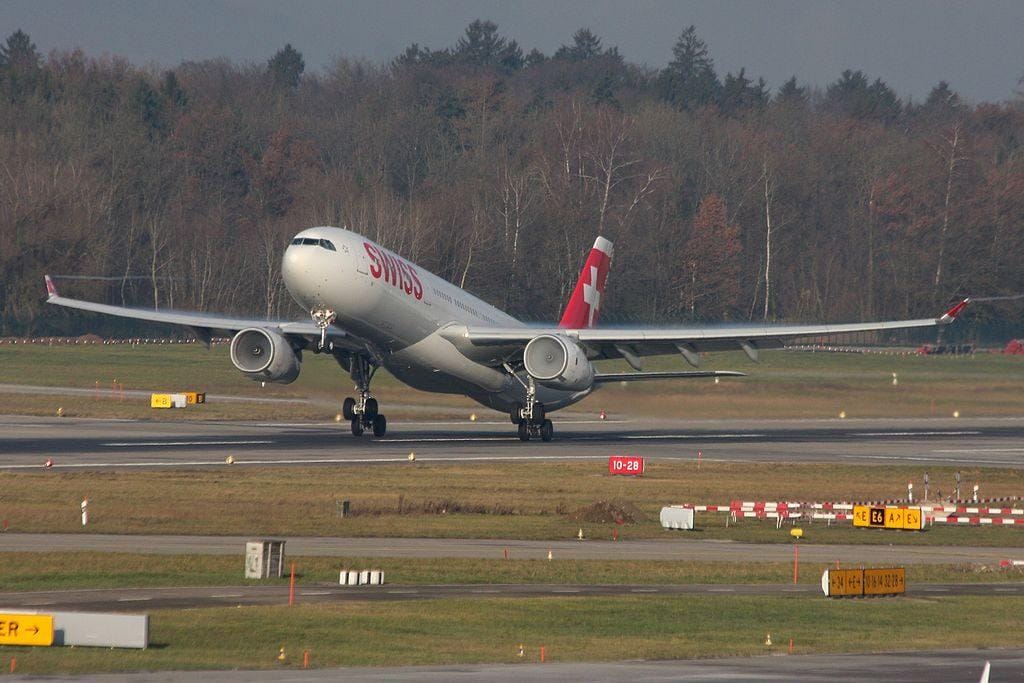
SWISS Airline to Resume Tel Aviv Flights in July After Suspension

SWISS International Air Lines has announced that it will resume flights between Switzerland and Tel Aviv in July, following a suspension that began in March due to the ongoing conflict in the Middle East.

The airline stated that it is currently carrying out operational preparations to restart the route, including crew scheduling, aircraft allocation, and coordination with internal and external partners. SWISS also confirmed that it is engaging in discussions with its social partners to ensure a smooth restart of operations.

Several airlines within the Lufthansa Group have already planned to resume Tel Aviv services from June, but SWISS has chosen a later restart date in July to ensure full operational readiness.

The suspension of flights was originally introduced in response to security concerns linked to the war in the Middle East. SWISS said passenger safety remains its top priority when adjusting flight schedules.

In addition to the Tel Aviv update, the airline confirmed extended suspensions on other routes. Flights to Dubai will remain suspended until September 13, 2026, while services to Beirut will stay suspended until October 24, 2026.

SWISS continues to adjust its international network based on geopolitical developments and operational feasibility. The airline said it will continue to monitor the situation closely and update schedules if conditions change.

The decision reflects the ongoing impact of regional instability on global aviation routes, particularly in the Middle East, where several airlines have modified or temporarily suspended operations.

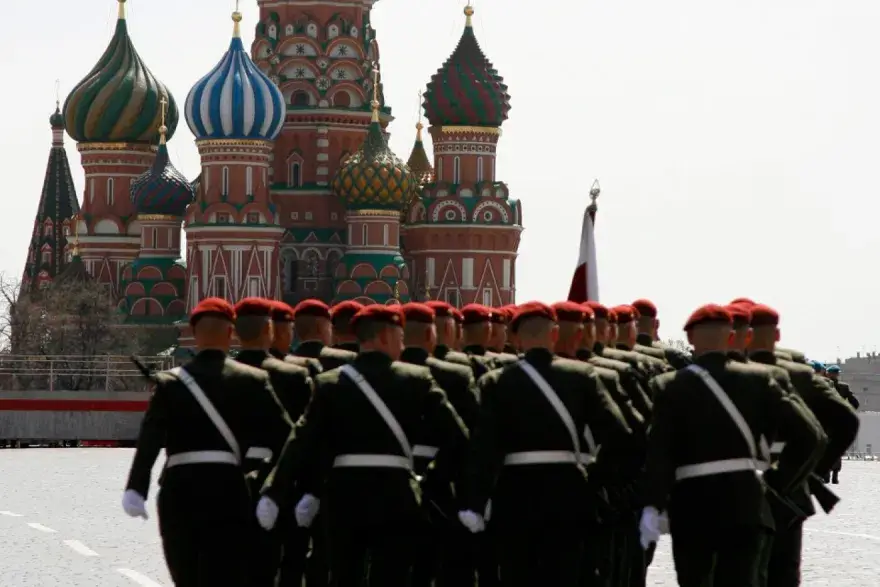
Russian Exiles Warn of Kremlin Victory Day Propaganda in Switzerland.

Russian exile groups in Switzerland have warned that upcoming Victory Day events linked to Russia may be used to spread Kremlin propaganda and political influence across Europe.

The concerns focus on “Immortal Regiment” rallies scheduled to take place in Geneva and Basel during Russia’s Victory Day commemorations.

According to the exile organization Russia of the Future – Switzerland, the original remembrance movement has been transformed into a political tool connected to Russian state messaging.

The group stated that what initially began as a civil society initiative to honor relatives who died during the Second World War has now been “completely appropriated by the Kremlin.”

Exiled activists argue that the events are increasingly being used to justify Russia’s actions in Ukraine and promote narratives aligned with Russian state ideology.

The association further warned that some participants often display symbols such as the St George’s Ribbon, which critics say has become associated with Russian military aggression and the war in Ukraine.

The debate highlights growing concerns across Europe regarding foreign influence operations, political symbolism, and propaganda activities linked to geopolitical conflicts.

Switzerland has faced increasing scrutiny in recent years over misinformation campaigns, cyber threats, and international political influence activities connected to the ongoing tensions between Russia and Western nations.

Authorities have not announced any bans on the planned gatherings, but security and political discussions surrounding such events continue to intensify throughout Europe.

Switzerland Reintroduces French Border Checks for G7 Summit

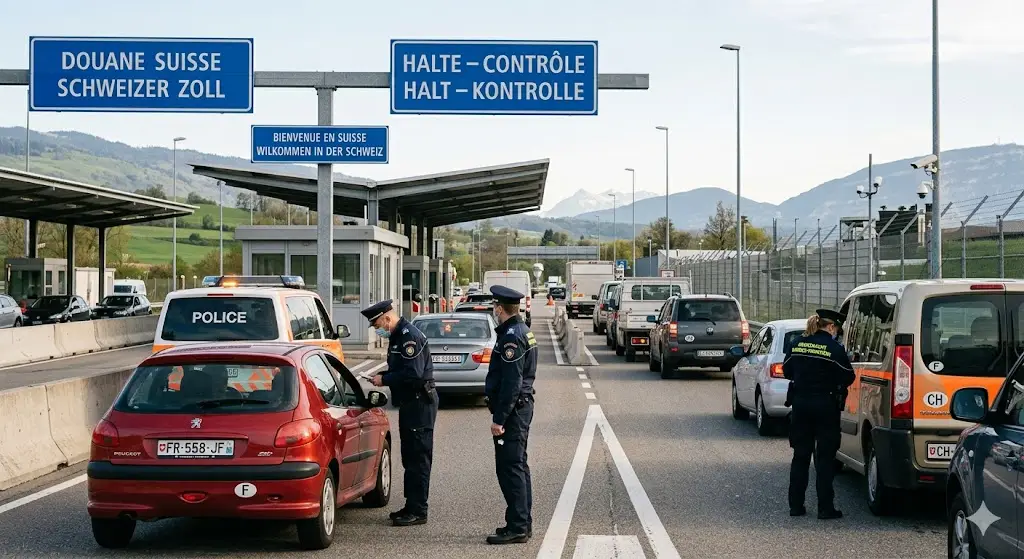
Switzerland will temporarily reintroduce border checks along parts of its border with France ahead of the upcoming G7 Summit 2026 in Évian.

The Swiss government confirmed on Wednesday that the temporary controls will remain in effect from June 10 to June 19 as part of heightened security measures surrounding the summit.

Although the G7 meeting will take place in Évian, Swiss authorities stated that nearby regions including Geneva, Lausanne, and the wider Lake Geneva area face increased security risks during the international gathering.

Officials noted that previous G7 summits have sometimes resulted in violent protests, acts of sabotage, public disorder, and property damage. Authorities also highlighted concerns linked to the current geopolitical climate and the large concentration of international organizations based in Geneva.

The request to temporarily restore border controls was submitted by the Canton of Geneva, reflecting growing concerns about public safety and regional security during the summit period.

The G7 Summit is scheduled to take place from June 15 to June 17, bringing together leaders from major industrialized nations to discuss global political, economic, and security issues.

Swiss authorities are expected to increase police presence and strengthen monitoring around border crossings, transportation hubs, and sensitive areas during the event.

Switzerland Warns of Worsening Security Situation

The Switzerland government has warned that the country’s security situation has deteriorated significantly over the past year amid rising geopolitical tensions across Europe and the Middle East.

In its latest national security report released on Wednesday, Swiss authorities stated that growing international instability is increasing pressure on Switzerland to contribute more actively to European security efforts.

The report highlights that Switzerland is being directly affected by Russia’s hybrid warfare strategies, including cyber threats, disinformation campaigns, and espionage activities. Officials also noted that the ongoing conflict in the Middle East continues to create broader security risks and political instability.

According to the government, global geopolitical developments are now having a direct impact on Switzerland’s internal security environment.

Authorities warned that the terrorist threat remains heavily influenced by jihadist movements, while violent extremism from both far-left and far-right groups continues to pose risks inside Europe.

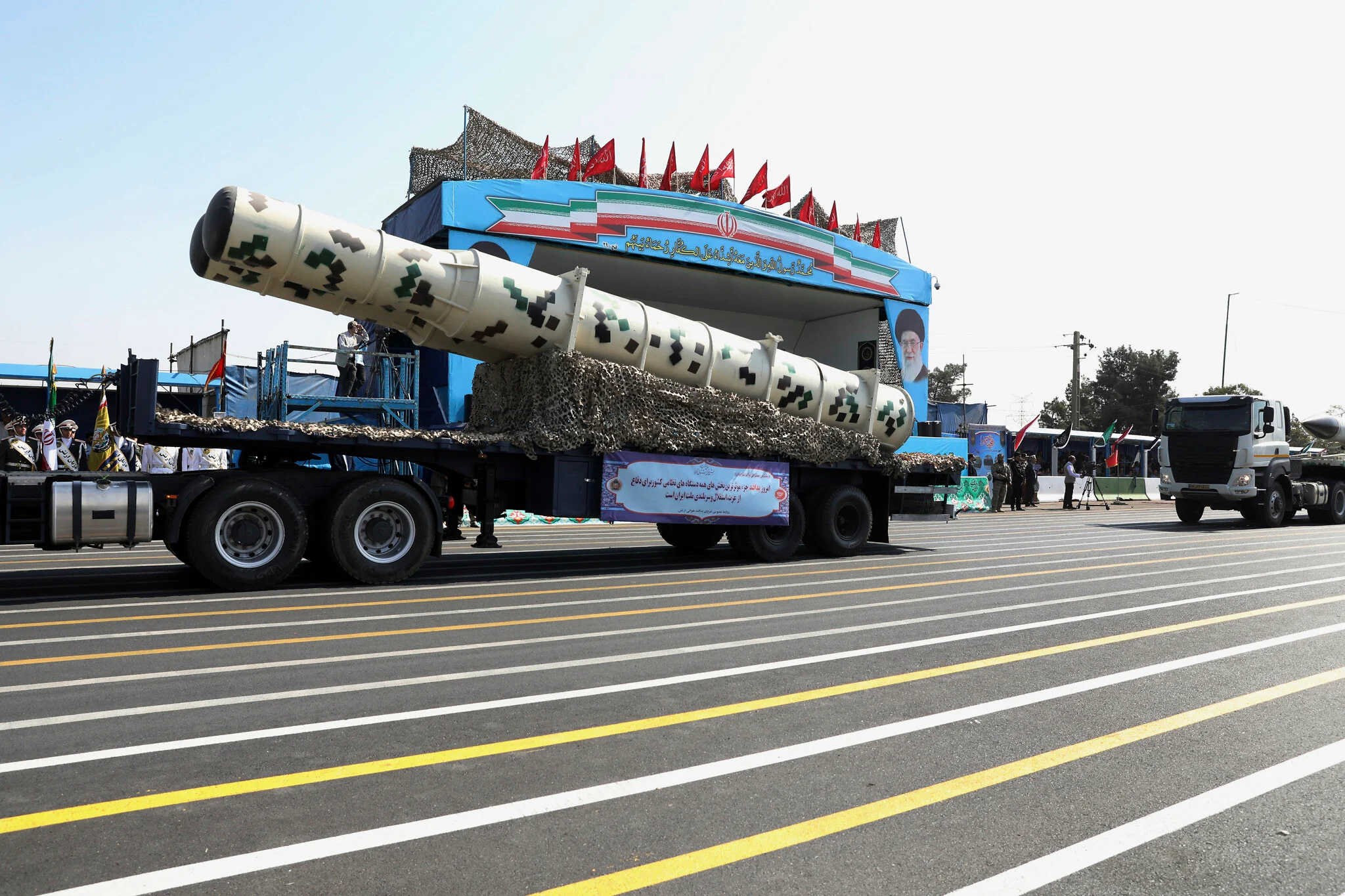
Iran Warns of “Fire Rain” as US Allegedly Plans Secret Ground Attack.

Iran Accuses US of Secret Military Plot

Iran’s Parliament Speaker, Mohammad Bagher Ghalibaf, has accused the United States of secretly preparing a ground attack while publicly signaling willingness for diplomatic talks. The statement has intensified already rising tensions between the two nations.

Contradictory Signals Raise Concerns

According to Iran’s official news agency, the United States has presented a 15-point proposal aimed at negotiations. However, Iranian officials believe this move is a strategic attempt to achieve through diplomacy what it failed to accomplish in conflict. As a result, trust between both sides continues to weaken.

Iran Signals Strong Military Readiness

Ghalibaf emphasized that Iranian forces remain fully prepared for any potential ground invasion. He warned that if US troops attempt to enter Iranian territory, they will face a severe and immediate military response. Iran has clearly stated that it will not tolerate any form of humiliation or aggression.

Rising Tensions in the Middle East

Meanwhile, geopolitical analysts warn that escalating rhetoric could further destabilize the Middle East. The situation reflects growing uncertainty in global security, especially as both nations maintain strong military capabilities and strategic influence in the region.

Iran Claims Dubai Strike, Ukraine Firmly Denies Attack.

Iranian media recently reported that a Ukrainian air defense warehouse in Dubai was destroyed in a targeted strike. The claim quickly gained attention as it suggested a direct escalation involving Ukraine in the Middle East.

However, Ukraine strongly rejected the allegation. Ukrainian Foreign Ministry spokesperson Heorhii Tykhyi dismissed the report and called it false information. He stated that Iran continues to spread misleading narratives and compared its actions to similar tactics used by Russia.

According to Tykhyi, Ukraine has no such military infrastructure in Dubai, and no attack of this nature has occurred. He emphasized that Ukraine officially denies the claim and warned against believing unverified reports circulating online.

IRGC Statement Raises Regional Concerns

The claim originated from Iran’s Islamic Revolutionary Guard Corps (IRGC), specifically the Khatam al-Anbiya headquarters. The group stated that it targeted locations allegedly linked to U.S. military personnel and accused Ukraine of supporting American operations in the region.

Iranian sources claimed that a drone defense storage facility operated by Ukraine in Dubai was destroyed during the operation. This statement raised serious concerns about potential regional escalation and geopolitical tensions.

Zelensky’s UAE Visit Adds Strategic Context

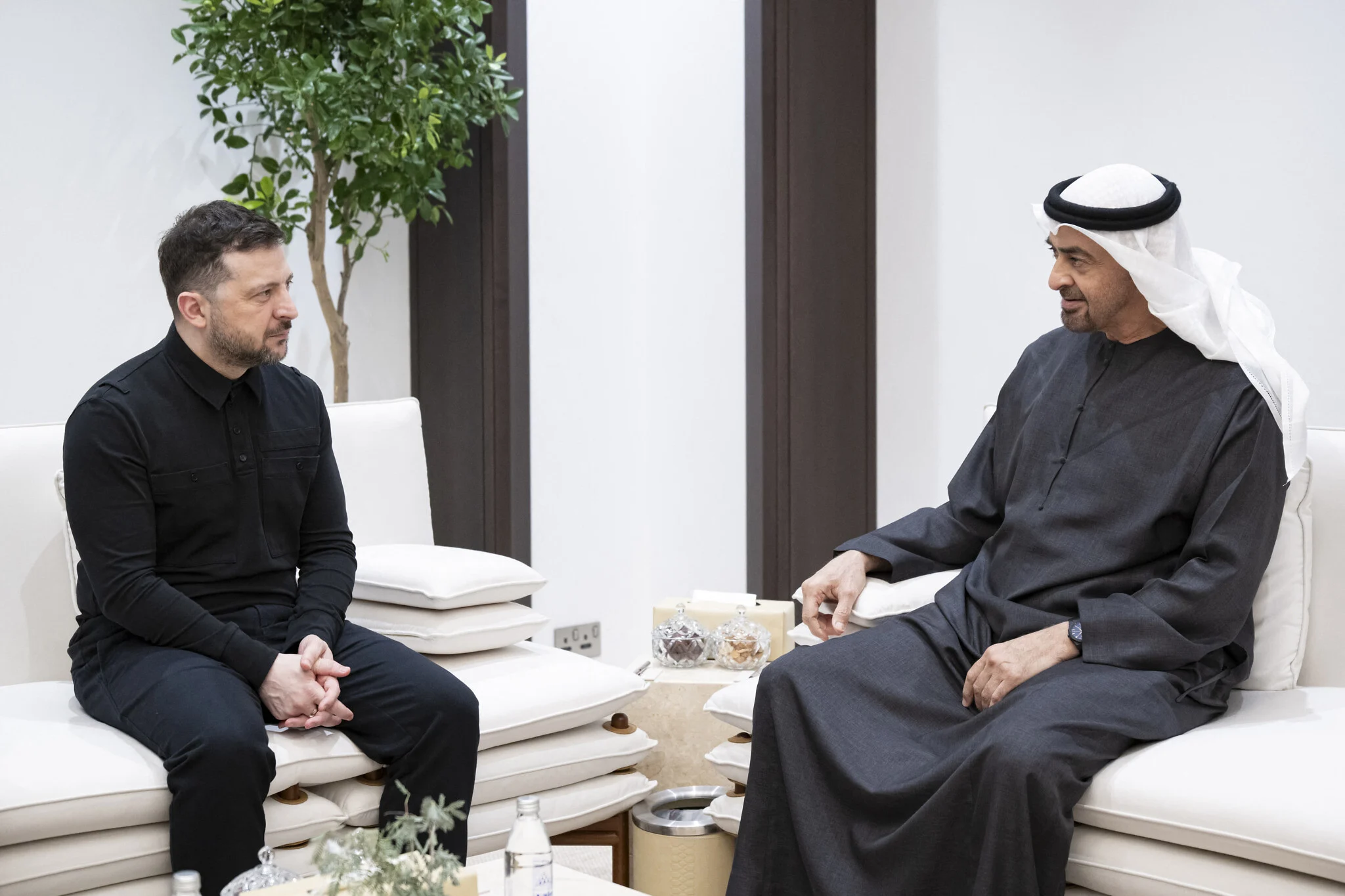
At the same time, Ukrainian President Volodymyr Zelenskyy was visiting the United Arab Emirates. During his visit, he focused on strengthening security cooperation and building stronger diplomatic ties with Gulf nations.

The timing of Iran’s claim has drawn attention, as analysts believe it could influence regional narratives and diplomatic engagements. Despite the controversy, Ukraine continues to prioritize international partnerships and stability.

Rising Tensions in Global Politics

This situation highlights growing tensions in the Middle East and the broader international arena. Conflicting claims, misinformation, and strategic messaging continue to shape global political discourse.

Experts warn that such narratives could increase uncertainty and escalate diplomatic tensions if not addressed with verified information and transparency.

Iran Warns Israel of Severe Conseqences After Strikes on Nuclear Infrastructure.

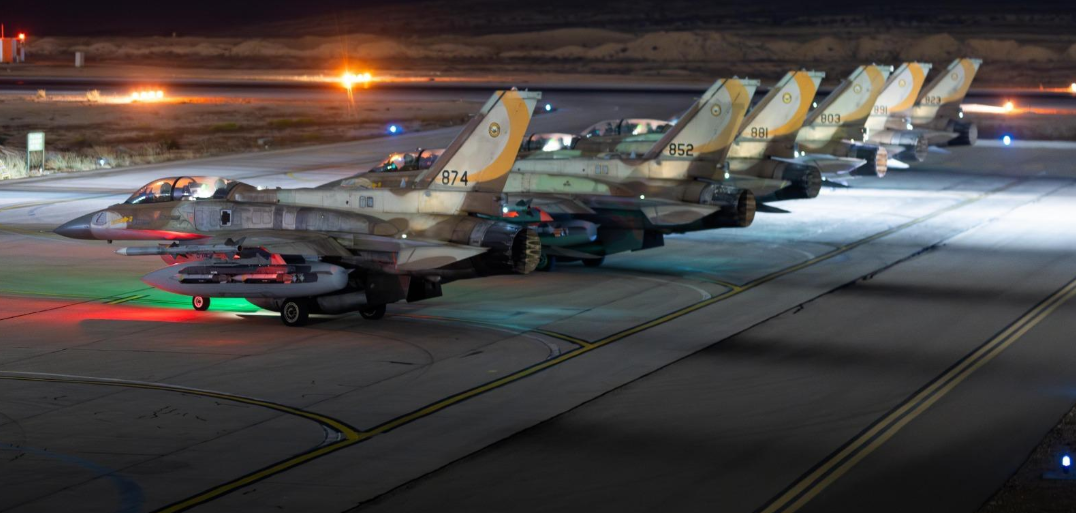
Tensions between Iran and Israel sharply escalated on the 28th day of the ongoing confrontation, after Israel launched coordinated strikes on several strategic Iranian infrastructure sites, including a uranium enrichment facility near Yazd. Following the attacks, Iran issued a strong warning, promising severe consequences in response to what it described as a serious violation of its sovereignty.

The Israeli military officially confirmed that its forces targeted a facility linked to Iran’s uranium enrichment operations. However, Iranian authorities quickly stated that the attack caused no casualties and did not trigger any radiation leakage. Officials emphasized that emergency safety systems functioned effectively and prevented further damage.

Reports also confirmed that a projectile landed near the Bushehr nuclear power plant. Iranian officials clarified that the missile caused no structural damage and did not affect plant operations. Despite the limited impact, the incident increased regional concerns about the safety of nuclear infrastructure during military escalation.

Israeli strikes reportedly formed part of a wider operation targeting several industrial and strategic sites across Iran. These included the Khondab heavy-water complex and major steel production facilities located in Khuzestan and Isfahan. Analysts believe these locations hold both economic and strategic importance for Iran’s industrial stability.

Iran’s Foreign Minister Abbas Araghchi strongly condemned the attacks and warned that Iran would respond decisively. He stressed that strikes on nuclear-related and industrial infrastructure represent a dangerous escalation that threatens regional security. Iran reiterated its commitment to defending national interests against further aggression.

Security observers note that the involvement of the United States in the broader regional tensions has further complicated the situation. Experts warn that continued escalation between Iran and Israel could significantly impact Middle East stability and global geopolitical dynamics.