
NZZ Fights Swissmedic Over Drug Advertising Claims.
One of Switzerland’s leading newspapers, Neue Zürcher Zeitung (NZZ), is taking legal action against Swissmedic after the regulator ordered the removal of several editorial publications that it classified as unauthorized advertising for prescription-only medicines.
According to reports, two separate cases are currently before Swiss courts. The dispute centers on whether journalistic content discussing medical treatments can be considered independent reporting or promotional material for pharmaceutical products.
In one case, Swissmedic challenged a first-person article written by a journalist about living with migraines. The Federal Administrative Court ruled in favor of Swissmedic in May 2025, stating that the article created a promotional impression and presented information in a one-sided manner. NZZ has appealed that decision to the Federal Supreme Court, seeking a final ruling on the matter.
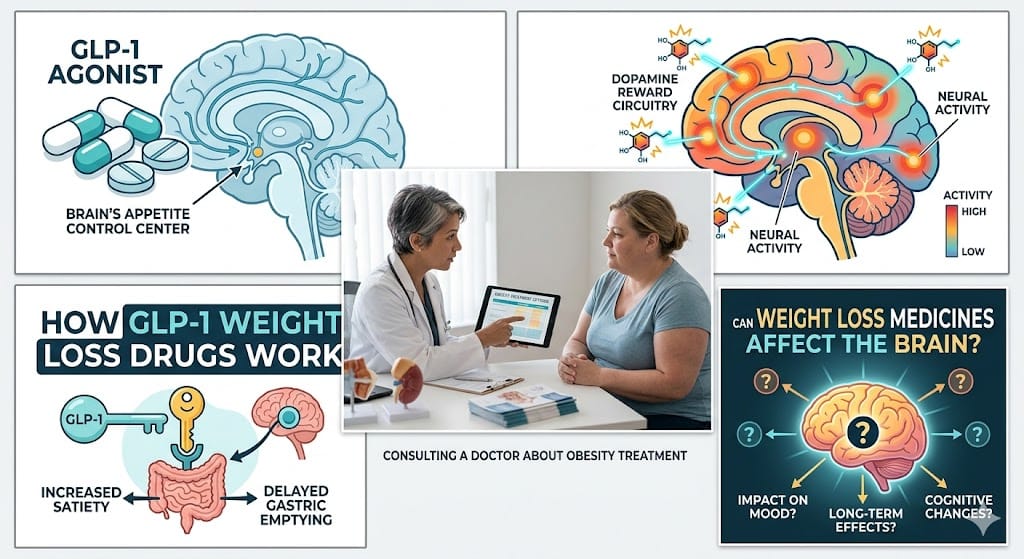
The controversy extends beyond migraine reporting. Swissmedic also instructed NZZ to remove several publications related to weight-loss injections. These reportedly include a video feature, a personal weight-loss experiment series, and multiple journalistic articles discussing the treatments.
NZZ argues that the publications fall within the scope of legitimate journalism and public-interest reporting. The newspaper is challenging Swissmedic’s orders before the Federal Administrative Court, raising broader questions about media freedom, editorial independence, and health communication in Switzerland.
The legal battle highlights the growing tension between media organizations and regulatory authorities over the reporting of medical treatments and healthcare innovations. As prescription medicines become more widely discussed in the public sphere, courts may play a crucial role in defining the boundaries between journalism and advertising.
The outcome of these cases could have significant implications for Swiss media outlets, healthcare reporting, and the future regulation of medical content in Switzerland.