

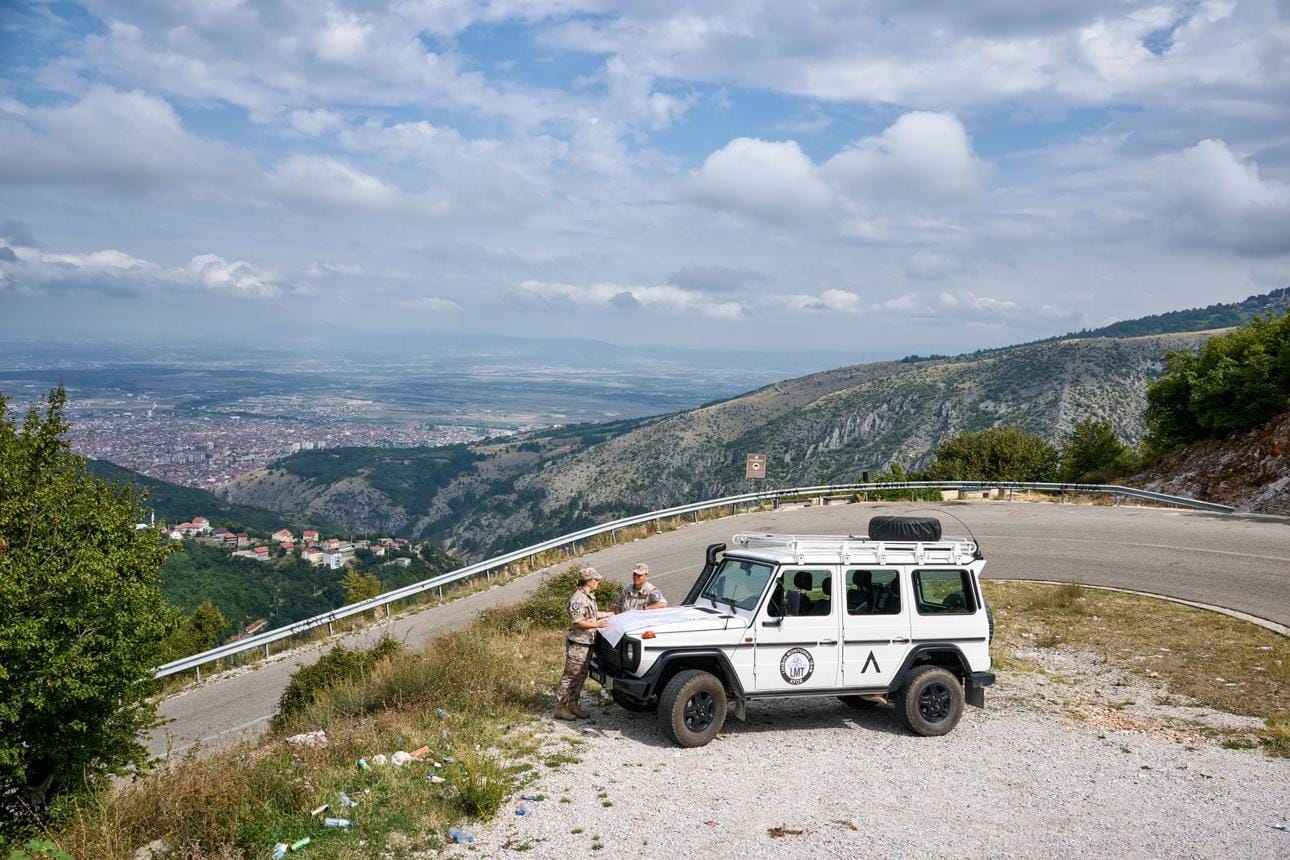
NATO Withdraws Some Kosovo Peacekeepers While Swisscoy Mission Continues

NATO has announced plans to gradually reduce its troop presence in Kosovo, but Switzerland’s Swisscoy deployment will continue without changes.

The decision reflects an improved security situation in the region, according to the Supreme Headquarters Allied Powers Europe (SHAPE), which confirmed the adjustment on Friday.

NATO Plans Gradual Reduction of KFOR Forces

NATO intends to scale back its Kosovo Force (KFOR) mission over the coming year due to a more stable security environment. However, officials emphasized that the situation in Kosovo remains fragile and requires continued international monitoring.

Currently, around 4,600 soldiers are deployed as part of KFOR, with contributions from 31 countries. The United States alone provides approximately 600 troops and had previously indicated a potential reduction in its participation.

Following violent incidents in 2023, NATO temporarily reinforced its presence with reserve forces. Since then, the security situation has improved but is still described as volatile.

Swisscoy Deployment Remains Unchanged

The Swiss defence ministry confirmed that the NATO announcement has no impact on Swisscoy operations. Switzerland does not contribute infantry combat troops to KFOR, and its role remains focused on support functions.

The Swiss contingent continues to carry out key tasks such as situation monitoring, transport services, and operational support at KFOR headquarters.

The maximum strength of Swisscoy remains capped at 215 military personnel.

Switzerland’s Long-Standing Peacekeeping Role

Switzerland has participated in the Kosovo mission since 1999, marking its largest overseas military deployment to date.

Swisscoy operates as part of the broader NATO-led peace support effort, which aims to maintain a safe and secure environment in Kosovo while supporting civilian institutions and public order.

Despite NATO’s planned reduction, Swiss officials reaffirm that Switzerland’s contribution will remain stable as part of its commitment to international peacekeeping cooperation.
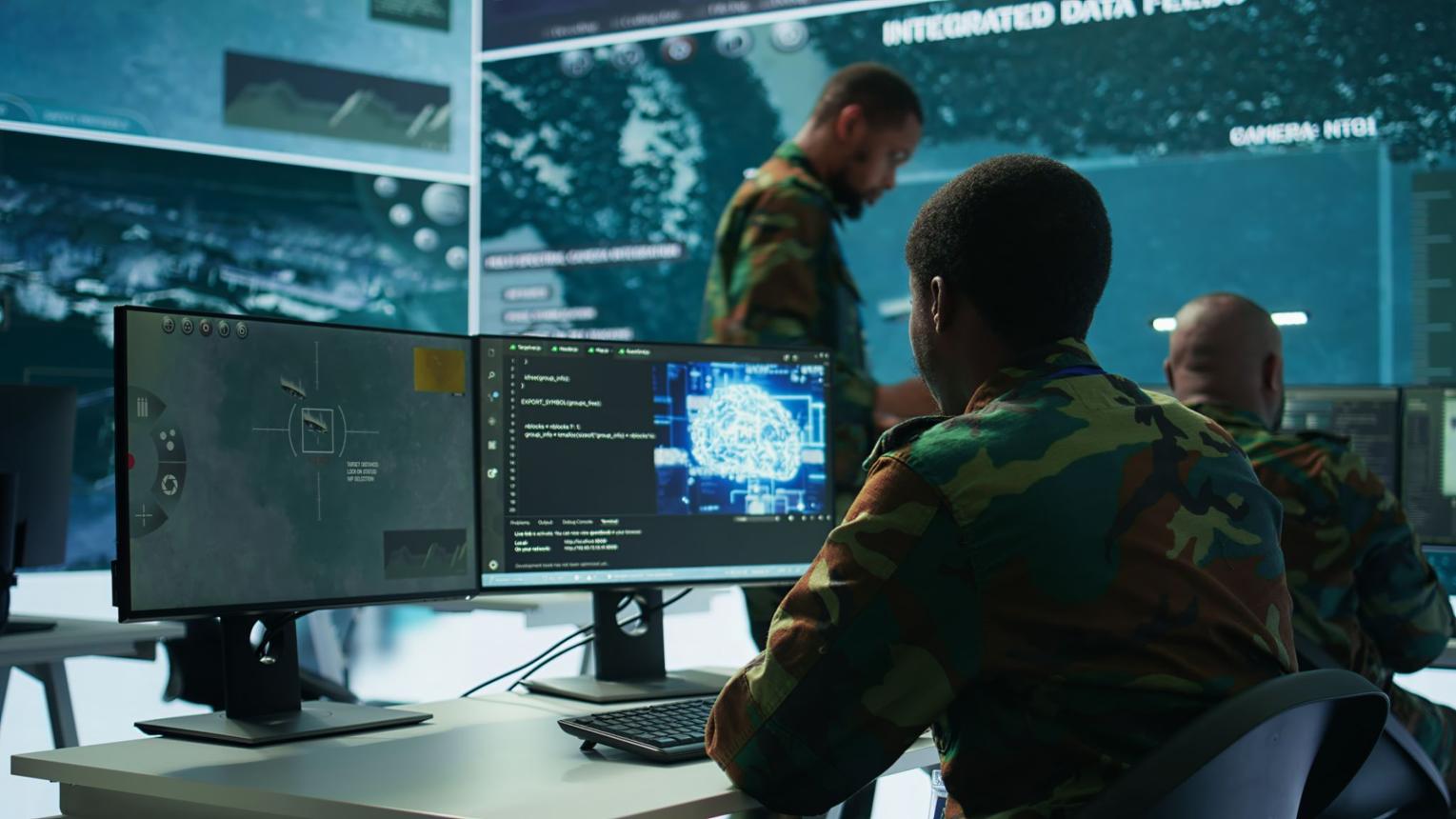
Switzerland Joins NATO Digital Defence Exercise.

The Swiss Armed Forces have begun participation in a major NATO digital defence exercise in Poland, starting Wednesday, as part of efforts to strengthen cyber security capabilities and improve international military cooperation.

The three-week exercise brings together specialists from Switzerland and 40 participating nations, focusing on improving networking systems, secure communication, and technical standards across international defence structures.

Swiss units from Cyber Command and Operations Command, along with experts from Armasuisse and other defence and IT sectors, are actively involved in the training activities held in Bydgoszcz, Poland.

A key objective of the exercise is to enhance the exchange of information between allied and partner countries. Participants are testing secure communication systems designed to support coordinated military operations across different national infrastructures.

The Swiss Armed Forces emphasized the growing importance of digital connectivity in modern defence strategies, particularly the integration of satellite-based real-time situational awareness systems, which help improve operational decision-making in joint missions.

According to the Armed Forces, the exercise also highlights the increasing relevance of space-based data and advanced communication networks in military planning and coordination.

Switzerland regularly participates in NATO cyber and digital defence exercises as part of its broader commitment to international security cooperation and interoperability with allied forces.

The results of the current exercise will be reviewed in the coming months and are expected to contribute to ongoing digital transformation projects within the Swiss military, particularly in cybersecurity and defence networking systems.

Swiss Concern Over Global Security Reaches 20-Year Low Confidence.

Public concern about global instability has significantly increased in Switzerland, according to the latest Federal Department of Defence, Civil Protection and Sport “Security 2026” survey released on Tuesday. The findings reveal that Swiss citizens are increasingly anxious about international conflicts and the country’s long-term security position.

The survey shows that 86% of respondents feel pessimistic about the global political situation, marking a sharp rise in insecurity perceptions. Many also expressed concern about Switzerland’s own future stability in an increasingly uncertain geopolitical environment.

According to the report, overall feelings of personal and national security in Switzerland have dropped to their lowest level in the past 20 years. More than 80% of participants believe that the Swiss armed forces remain either “absolutely necessary” or “rather necessary” for national defence and crisis response.

The study also highlights growing support for increased defence investment. Around 29% of respondents believe that military spending is currently too low, the highest level recorded since 1986. This indicates a clear shift in public opinion toward strengthening national defence capabilities.

At the same time, attitudes toward compulsory military service are divided. About one-quarter of respondents support abolishing mandatory service, reflecting ongoing debate about the role of citizens in national defence.

Another key finding shows that a slight majority of Swiss citizens now support closer cooperation with NATO. This marks a notable shift in a country traditionally known for its long-standing policy of neutrality.

The report further states that more than half of respondents believe Switzerland’s neutrality can no longer be credibly defended in military terms. This signals a significant change in public perception regarding the country’s traditional foreign policy stance.

Overall, the “Security 2026” survey suggests that global instability is reshaping Swiss public opinion, with increasing support for stronger defence policies, higher military spending, and closer international security cooperation.