Cinema Attendance Rises Across Switzerland in 2026.

Swiss cinemas are experiencing a strong recovery in 2026, with attendance rising sharply across all regions of the country. According to provisional figures from the Federal Statistical Office (FSO), cinema admissions increased by nearly 25% in the first half of the year compared to the same period in 2025.

By week 21, cinemas across Switzerland recorded approximately 4.68 million admissions, representing nearly 890,000 more tickets sold than the previous year. The growth reflects renewed audience interest in theatrical releases and a strong lineup of international and regional films.

The most significant increase was observed in French-speaking Switzerland, where cinema attendance surged by 30%. German-speaking regions also saw a solid rise of 19%, while canton Ticino recorded the highest growth at 42%. Despite these regional differences, the FSO confirmed that the overall balance between language regions remains stable.

Several blockbuster releases played a key role in driving audiences back to cinemas. In French-speaking Switzerland, the biographical film Michael, based on the life of Michael Jackson, attracted large crowds. In German-speaking regions, audiences were drawn to The Super Mario Galaxy Movie, a new animated adventure featuring Nintendo’s iconic character. Meanwhile, in Ticino, The Devil Wears Prada 2 became a major success, bringing significant numbers of viewers to theatres.

The momentum accelerated in mid-May, when weekly attendance figures rose dramatically. In week 20 alone, more than 360,000 people visited cinemas across Switzerland, compared with fewer than 100,000 during the same period in 2025. Over one weekend, Michael drew around 28,000 viewers in French-speaking regions, while The Devil Wears Prada 2 attracted more than 17,000 cinema-goers.

Industry experts say the recovery could continue in the coming months, supported by a strong slate of upcoming releases. Highly anticipated titles include Christopher Nolan’s The Odyssey, a cinematic adaptation of the ancient epic, and Dune: Part Three, directed by Denis Villeneuve, expected to release in December.

Analysts believe that if this trend continues, 2026 could mark a turning point for the Swiss cinema industry after years of fluctuating attendance figures.
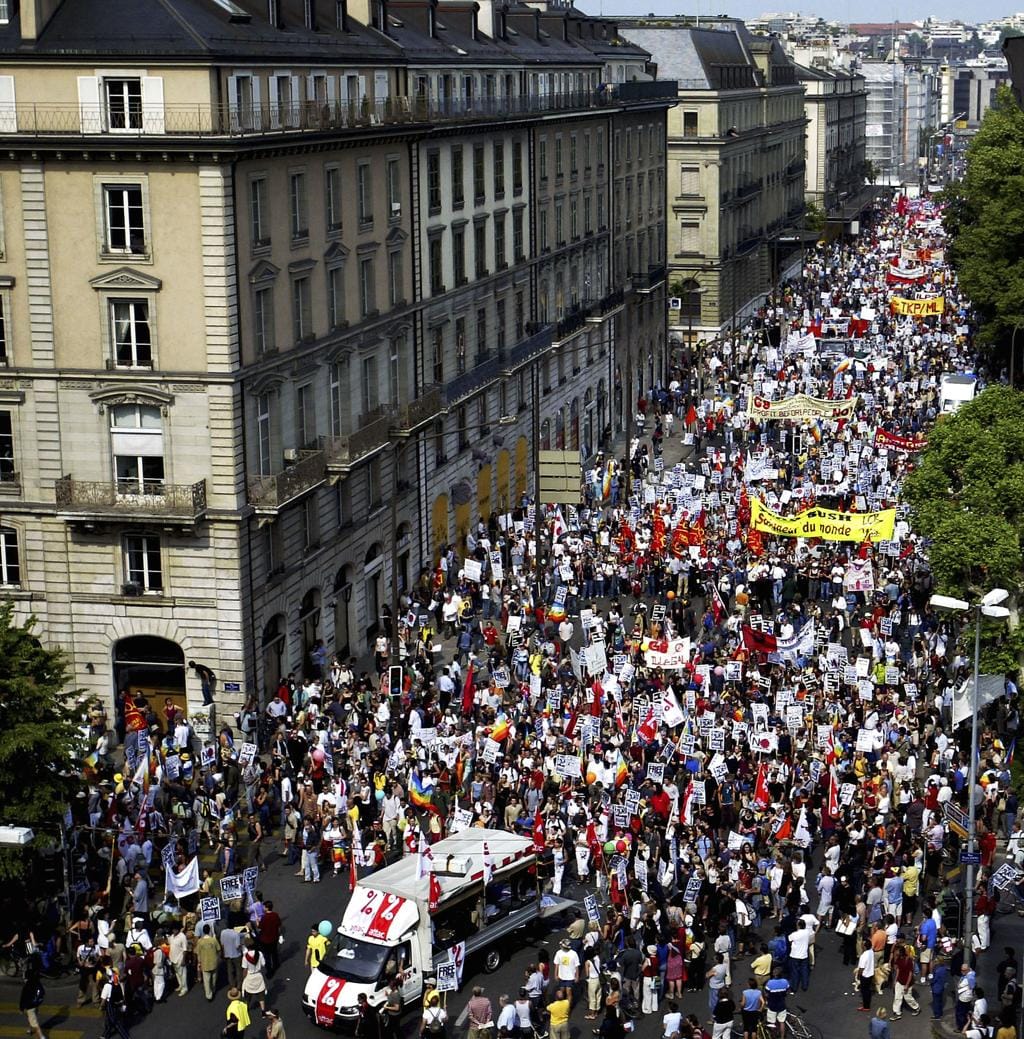

Geneva Approves No G7 Protest Route.

Geneva authorities and anti-G7 activists have reached an agreement on the route for a major demonstration planned ahead of the upcoming G7 Summit. The march, scheduled for June 14, 2026, will follow a revised path through Geneva city centre after discussions between protest organisers and local officials.

The agreement was finalized following talks between representatives of the No G7 coalition and Geneva State Councillor Carole-Anne Kast. Organisers confirmed that the demonstration route has been modified to avoid the Mont Blanc Bridge area and will instead be redirected through Rue des Alpes.

According to protest organisers, the change was welcomed because it reduces the possibility of tensions between demonstrators and security forces. Activists had expressed concerns that a route passing close to the Mont Blanc Bridge, where access restrictions are in place, could increase the risk of confrontations during the event.

Geneva authorities reviewed the organisers’ concerns and agreed to adjust the proposed route on the right bank of the Rhône River. The compromise is being viewed as a positive step toward ensuring that the demonstration can proceed peacefully while maintaining public safety.

The protest is expected to attract activists from Switzerland and neighbouring countries who oppose policies associated with the Group of Seven (G7). Demonstrators plan to raise issues including economic inequality, climate action, social justice, and global governance.

The 52nd G7 Summit will take place from June 15 to June 17, 2026, in Evian, France, near the Swiss border. Due to the summit’s proximity to Geneva, Swiss authorities have implemented enhanced security measures and coordination plans to manage cross-border activities and public demonstrations.

Both organisers and officials have expressed hope that the agreed route will allow participants to exercise their right to peaceful protest while minimizing disruptions and maintaining security throughout the event.

Swiss Hospital Faces Backlash Over Brain Removal Case.

A serious ethical controversy has emerged in Switzerland after it was revealed that a hospital in Geneva removed the brain of a young man following his death in a traffic accident without informing or obtaining permission from his family.

The case involves a young man named Alexandre, who died in a road accident three years ago. His parents had already completed all funeral arrangements, believing that their son had been laid to rest respectfully. However, it has now come to light that the Romandy University Centre of Forensic Medicine removed his brain for investigative purposes related to the accident case.

According to reports, the procedure was carried out for forensic examination to support ongoing or potential legal investigations. However, the family was not informed about the organ removal at the time, and they only discovered the incident much later. This has led to deep shock and emotional distress among the relatives.

The case has sparked widespread debate in Switzerland about medical ethics, patient rights, and legal boundaries in forensic investigations. While forensic institutions are authorized in certain cases to retain organs or tissues for examination, critics argue that transparency and family consent should remain a priority, especially when dealing with human remains.

Legal experts and ethicists are now questioning whether current Swiss medical regulations sufficiently protect the rights of deceased individuals and their families. The incident has also raised broader concerns about how forensic procedures are communicated and whether existing laws need to be revised to ensure clearer consent frameworks.

Public reaction has been strong, with many calling for stricter guidelines and greater accountability in medical institutions. The case continues to fuel discussions about balancing scientific investigation needs with respect for human dignity and family rights.

Authorities have not yet announced any disciplinary action, but the controversy is expected to prompt further review of forensic medical practices in Switzerland.

Switzerland Rejects EU Copernicus Program Until 2034

The Swiss government has confirmed that Switzerland will not participate in the European Union’s Copernicus Earth observation programme between 2028 and 2034, citing financial limitations and budget pressures. The decision marks a significant policy shift and contrasts with parliament’s earlier support for joining the initiative.

The Federal Council announced that the country’s current financial situation makes participation in Copernicus impossible during the upcoming funding period. While no detailed financial breakdown was provided, officials stated that Switzerland could reconsider joining the programme in 2032 if economic conditions improve.

Copernicus is one of Europe’s most important Earth observation and environmental monitoring systems. Established in cooperation between the European Union and the European Space Agency (ESA), the programme uses satellites and advanced technologies to collect data on climate change, environmental conditions, natural disasters, land use, and atmospheric developments. Governments, researchers, and businesses across Europe rely on Copernicus data for planning, scientific research, and environmental protection.

The decision has attracted attention because the Swiss parliament approved a motion supporting participation more than four years ago. Lawmakers viewed membership as a strategic investment in scientific research, climate monitoring, and technological innovation. However, despite parliament’s approval, the Federal Council has repeatedly postponed implementation and has now officially decided against participation for the next funding cycle.

Experts note that access to Earth observation data plays an increasingly important role as countries respond to climate change, extreme weather events, and environmental challenges. Copernicus has become a key platform for monitoring global warming, glacier changes, drought conditions, flooding risks, and ecosystem health across Europe.

Although Switzerland will remain outside the programme for the foreseeable future, the government has left the door open for future participation. Officials indicated that a reassessment could take place in 2032, depending on the country’s financial position and strategic priorities.

The announcement is expected to generate debate among policymakers, researchers, and environmental organizations, many of whom believe that international scientific cooperation will become increasingly important in addressing climate and environmental challenges in the years ahead.

Swiss Cantons Face Rising Refugee Costs.

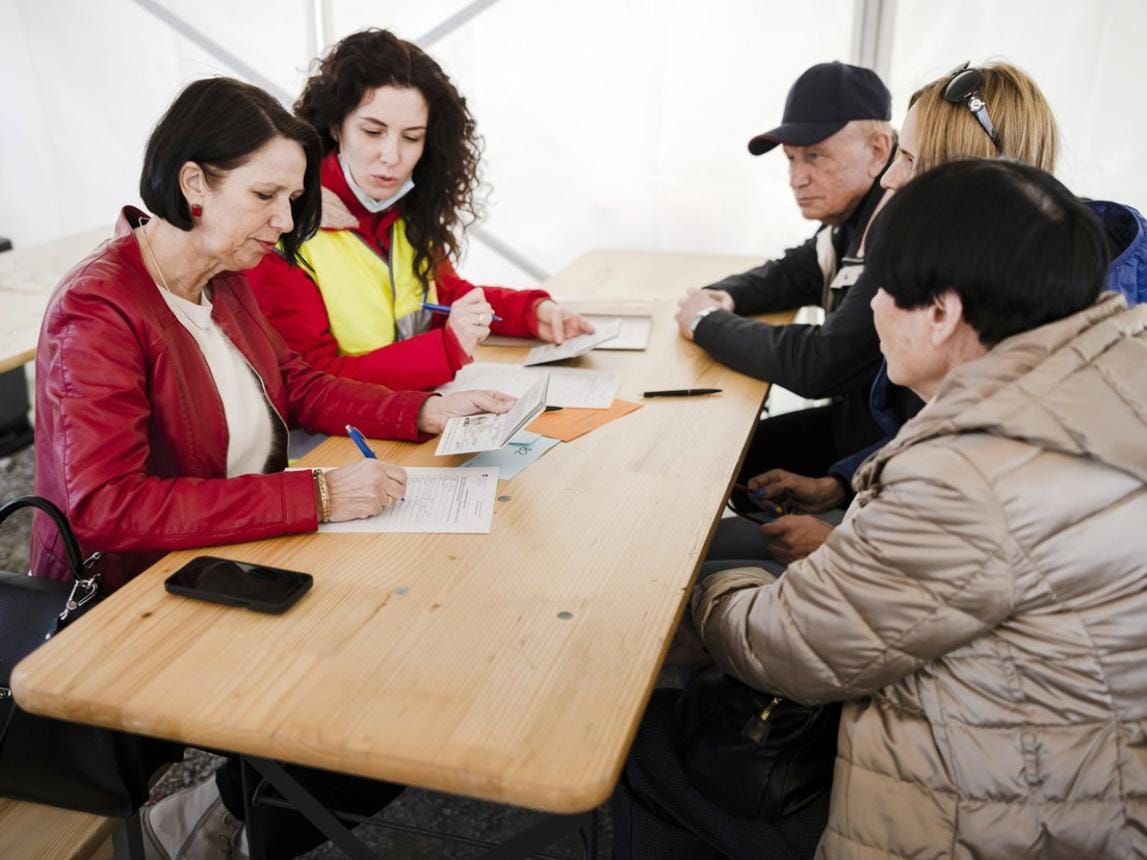
Swiss cantons and municipalities are preparing for a significant financial challenge as Ukrainian refugees with Protection Status S begin transitioning to regular social assistance from 2027. Local authorities estimate that the nationwide additional burden could reach approximately CHF300 million annually, raising concerns about future budgets and public spending.

Municipal leaders across Switzerland are urging the federal government to provide clear guidance and financial support before the transition takes effect. Bruno Tüscher, Mayor of Münchwilen in the canton of Aargau, warned that without federal assistance, municipalities may face higher tax pressures. He stated that the added costs could increase local tax rates by around three percent, placing additional strain on communities already managing rising expenses.

The canton of Aargau expects municipalities to absorb roughly CHF25 million in extra costs once refugees move to the standard welfare system. Local officials are seeking urgent clarification as they begin preparing financial plans and budgets for the coming years.

Graubünden has also calculated the potential impact. Authorities estimate that around 900 refugees could transition to regular social assistance, creating annual costs of approximately CHF5.4 million. The city of Chur alone may be responsible for CHF2.2 million of that amount. City Councilor Patrik Degiacomi noted that current estimates represent a best-case scenario and warned that actual costs could rise further if economic and social conditions change.

The upcoming policy shift has sparked debate across Switzerland about how refugee support should be funded and shared between federal, cantonal, and municipal governments. While many officials continue to support humanitarian assistance for those displaced by the war in Ukraine, they are also calling for a sustainable financial framework that protects local services and taxpayers.

As 2027 approaches, Swiss cantons are increasing pressure on federal authorities to address funding concerns and provide long-term solutions. The issue is expected to remain a major topic in Swiss political and economic discussions as governments balance humanitarian commitments with fiscal responsibility.

Geneva Authorities Question Security Costs for France-Based G7 Summit

Authorities in Switzerland’s Geneva canton have raised concerns over who should bear the financial burden of security operations linked to an upcoming G7 summit taking place in Évian, France.

Background of the Issue

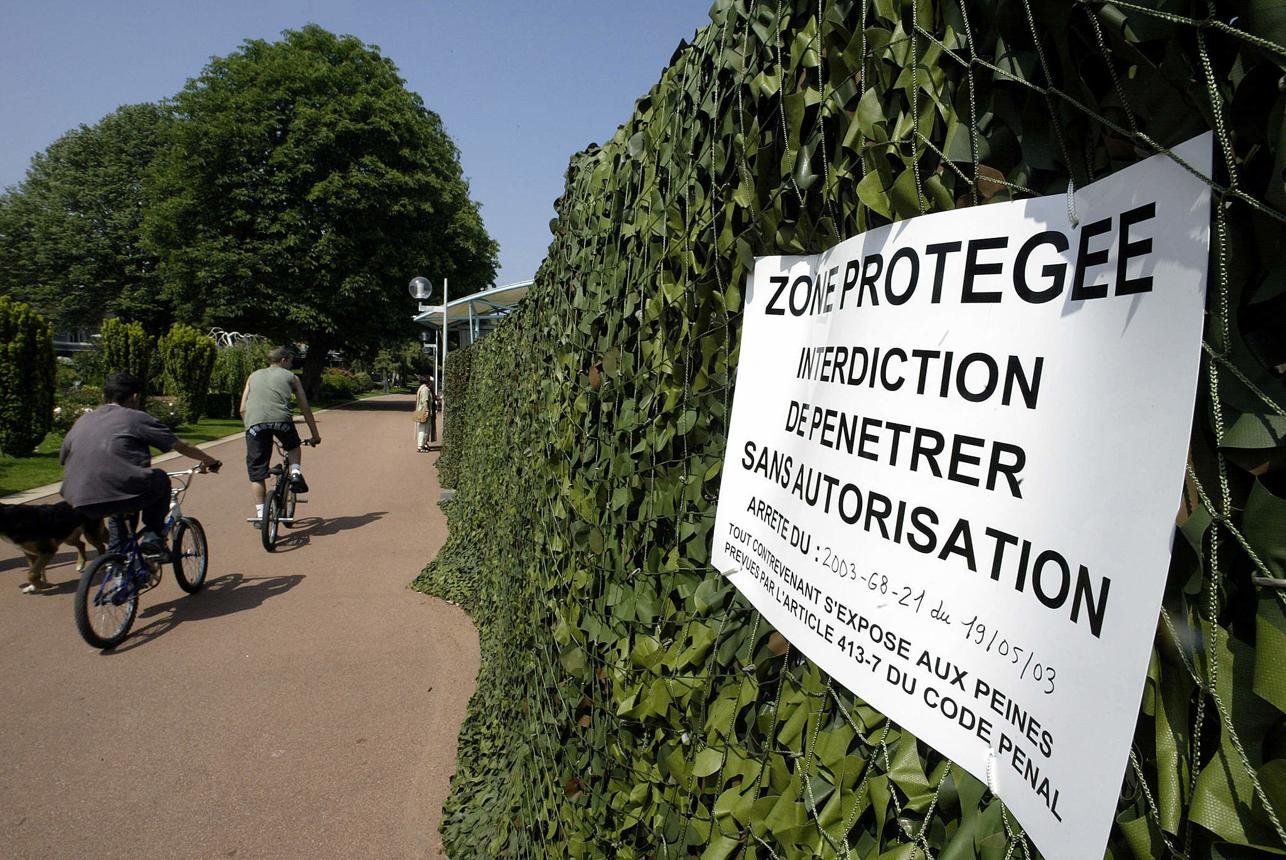
The debate traces back to events surrounding the 2003 G8 summit in Évian, where protests in nearby Geneva escalated into violent riots and looting. The incident left long-lasting concerns about public safety and cross-border security coordination.

Renewed Concerns Ahead of G7 Summit

With another major G7 summit scheduled in Évian next month, Swiss authorities fear that similar protests or unrest could spill over into Geneva. As a result, Geneva police have already begun preparing enhanced security measures.

Financial Responsibility Dispute

Geneva officials argue that Switzerland is being forced to bear significant security costs for an event taking place in France. They have requested that the French government share the expenses due to the cross-border impact of the summit.

However, French authorities have reportedly rejected the request, stating that protests in Switzerland are not directly caused by the summit itself, but are influenced by domestic political developments within Switzerland.

Political Tensions Rising

The disagreement has sparked frustration among some Swiss lawmakers, who question why Swiss taxpayers should fund security for an international event hosted in another country.

At the same time, Geneva authorities fear that the financial burden could become significant if large-scale protests or cross-border incidents occur again during the summit period.

Conclusion

The dispute highlights the challenges of managing security in highly interconnected border regions like Geneva, where international events in neighboring countries can have direct domestic consequences.

Swiss Anti-Immigration Vote Could Hurt Economy.

Switzerland is preparing for a major national referendum that could significantly affect the country’s economy, workforce, and international border relations. The proposal, introduced by the Swiss People’s Party, aims to stop Switzerland’s population from exceeding 10 million people under the campaign slogan “No to 10 Million Switzerland.”

Swiss voters will cast their votes on June 14. Supporters of the proposal argue that limiting immigration will reduce pressure on housing, transportation, and public services. However, economic experts warn that the decision could create serious long-term problems for Switzerland.

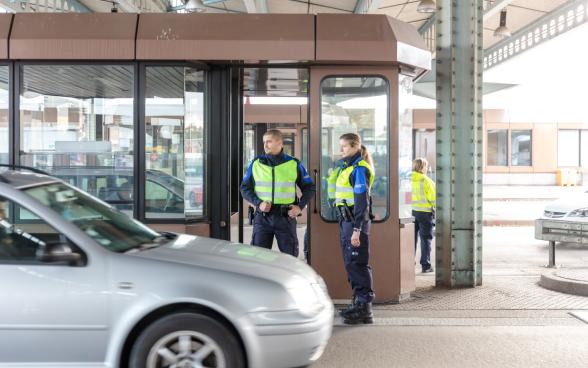
Research organization Ecoplan states that if the proposal succeeds, Switzerland could face difficulties within the Schengen zone. Neighboring countries including France, Germany, Italy, and Austria may introduce stronger border checks. These restrictions could heavily affect thousands of workers who cross borders daily for employment.

Regions such as Geneva, Ticino, and Basel are expected to face the biggest impact. Nearly 400,000 cross-border workers travel into Switzerland every day. If stricter controls begin at all borders, workers may experience delays of more than one hour while commuting.

Experts believe that many foreign workers may eventually stop working in Switzerland because of these delays and restrictions. Reports suggest that nearly two-thirds of cross-border employees could leave their jobs if the situation becomes difficult.

Healthcare services may suffer the most. Swiss hospitals and essential service sectors depend heavily on international workers. A reduction in foreign employees could create staff shortages and affect public services across the country.

Economic analysts warn that the referendum may weaken Switzerland’s economy, reduce workforce availability, and increase operational challenges for businesses. As the national vote approaches, the debate over immigration and economic stability continues to grow across Switzerland.

Swiss Technology SMEs Struggle Under Economic Pressure.

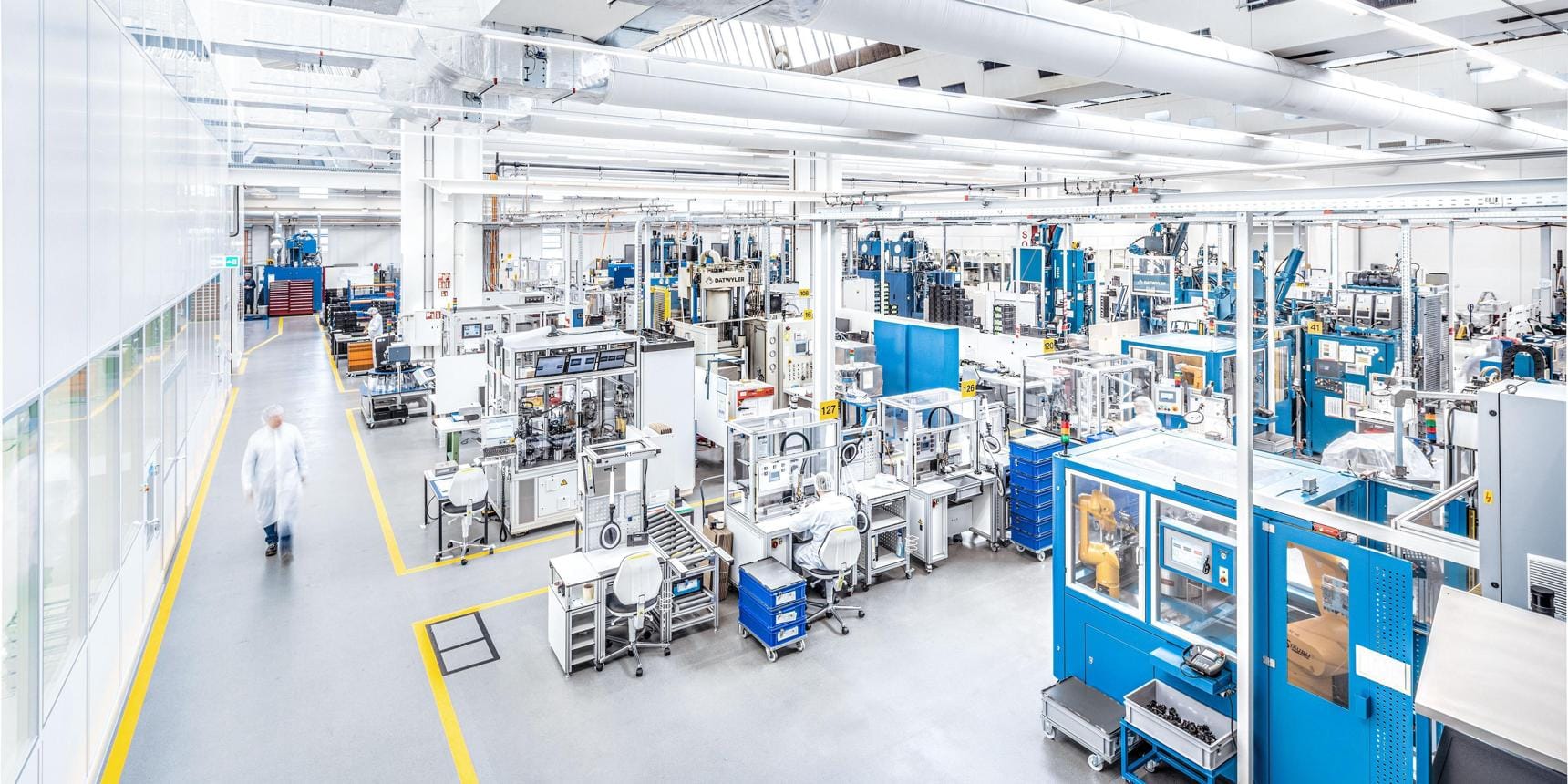
Small and medium-sized enterprises in Switzerland’s technology sector are facing growing economic pressure due to weak demand, currency challenges, and rising operating costs. According to the latest survey released by Swissmechanic, business confidence among SMEs in the machinery, electrical equipment, and metals industries remains deeply negative.

The business climate index for Swiss MEM industry SMEs stood at around minus 30 points in April 2026, continuing a prolonged downturn that has persisted since the end of 2023. Many companies report ongoing uncertainty and reduced customer demand across key industrial sectors.

The lack of incoming orders remains the biggest challenge, with 60% of surveyed companies identifying it as their main concern. Businesses are also struggling with the impact of the strong Swiss franc, which affects export competitiveness and profitability in international markets.

Around 41% of companies highlighted exchange rate fluctuations as a major issue, while 23% pointed to rising energy costs. These pressures have intensified since the beginning of 2026 and continue to affect operating margins across the industry.

Financial performance has weakened for many businesses. During the first quarter of 2026, approximately four out of ten SMEs reported a decline in EBIT margins, reflecting increasing cost pressure and reduced profitability.

Despite the difficult environment, some companies are attempting to protect jobs through short-time work programmes and internal efficiency measures. Around 18% of SMEs said they are maintaining their workforce despite declining earnings.

Investment activity also remains limited. Nearly one-quarter of surveyed companies stated they are unable to invest due to financial constraints, especially limited equity capital. Many firms are choosing to maintain current production capacity rather than expand operations during uncertain market conditions.

However, there are small signs of improvement in the Swiss technology industry. Exports from the MEM sector have increased for three consecutive quarters, and Switzerland’s purchasing managers’ index recently moved above the growth threshold for the first time since late 2022.

Even so, industry experts warn that a stable and long-term recovery has not yet been secured, and many SMEs continue to face significant economic uncertainty in 2026.

Switzerland Allocates CHF3 Million to Fight Ebola Outbreak.

Switzerland has announced emergency financial support worth CHF3 million to help combat the growing Ebola outbreak affecting the Democratic Republic of the Congo and neighbouring regions. The funding aims to strengthen healthcare response efforts, disease prevention, and emergency medical support in affected communities.

The Swiss government confirmed that the funding will be provided through the Swiss Agency for Development and Cooperation using emergency humanitarian aid resources. Officials stated that more than CHF2 million will be directed to the World Health Organization to support emergency medical coordination, laboratory assistance, and expert deployment in outbreak zones.

An additional CHF500,000 will support maternal and child healthcare programmes operating in South and North Kivu, regions heavily affected by ongoing health and humanitarian crises. Around CHF400,000 will also be allocated to infectious disease prevention and control projects in Ituri and North Kivu provinces.

Swiss authorities emphasized the importance of rapid international cooperation in containing Ebola outbreaks before they spread further across vulnerable regions. The funding will help improve emergency response systems, medical infrastructure, and disease monitoring capabilities.

Meanwhile, Swiss Solidarity has separately pledged CHF1.2 million from its humanitarian relief fund to support Ebola containment efforts in Congo and surrounding countries. The organisation plans to assist with isolation and treatment centres, virus testing, contact tracing, hygiene kits, and protective medical equipment.

The humanitarian support will also fund community awareness programmes and safe burial practices aimed at reducing infection risks. Health experts say prevention campaigns are essential because Ebola spreads rapidly through direct contact with infected individuals and contaminated materials.

Switzerland’s contribution reflects growing international concern over the Ebola outbreak and the need for coordinated global action to prevent a wider public health emergency.

AI Brings Mixed Impact to Swiss Company Workforce.

Artificial intelligence is rapidly transforming workplaces across Switzerland, but its overall impact on jobs remains uncertain. A new survey conducted by EY reveals that Swiss companies are increasingly adopting AI technologies while still evaluating their long-term effects on employees and the labour market.

According to the survey, around 7% of Swiss companies have already reduced jobs because of artificial intelligence. In addition, 11% reported that vacant positions were not replaced due to the growing use of AI systems and automation tools.

At the same time, artificial intelligence is also creating new career opportunities. Around 18% of respondents stated that their companies had introduced additional positions linked to AI development and implementation. These new roles include specialists in data science, AI engineering, automation systems, and digital transformation.

The report highlights that many organisations are still in the early stages of AI adoption. A significant 42% of respondents said they could not yet clearly assess the overall impact of AI on their workforce. Researchers believe this reflects the ongoing transition as companies experiment with new technologies and workplace models.

The use of AI in Swiss companies has become highly widespread. Only 3% of surveyed employees said the use of artificial intelligence was prohibited within their workplace. Most companies now use AI tools pragmatically to support everyday business tasks.

Approximately 72% of respondents said they mainly use AI as a productivity assistant in daily work activities. Employees commonly rely on AI for brainstorming ideas, creating first drafts, organising information, and improving workflow efficiency.

In addition, 47% of participants reported that they already trust artificial intelligence in selected business applications. This growing confidence suggests that AI integration is becoming more accepted across multiple industries in Switzerland.

The survey included responses from 604 employees working in Swiss companies of different sizes, providing insight into how businesses are adapting to the rapidly changing digital economy.

Experts believe Switzerland’s labour market may continue evolving as AI technology develops further, balancing concerns over automation with opportunities for innovation and new digital professions.