

Swiss Economy Grows Slower Than Expected in Early 2026.

Switzerland’s economy recorded moderate growth during the first quarter of 2026, according to the latest figures released by the State Secretariat for Economic Affairs (SECO). The country’s real Gross Domestic Product (GDP) increased by 0.4% compared with the previous quarter after seasonal and special-event adjustments.

The result came in slightly below SECO’s preliminary forecast of 0.5% issued earlier this month. Despite the small downgrade, the latest figure still represents an improvement compared with the previous two quarters, which recorded growth rates of 0.2% and -0.4% respectively.

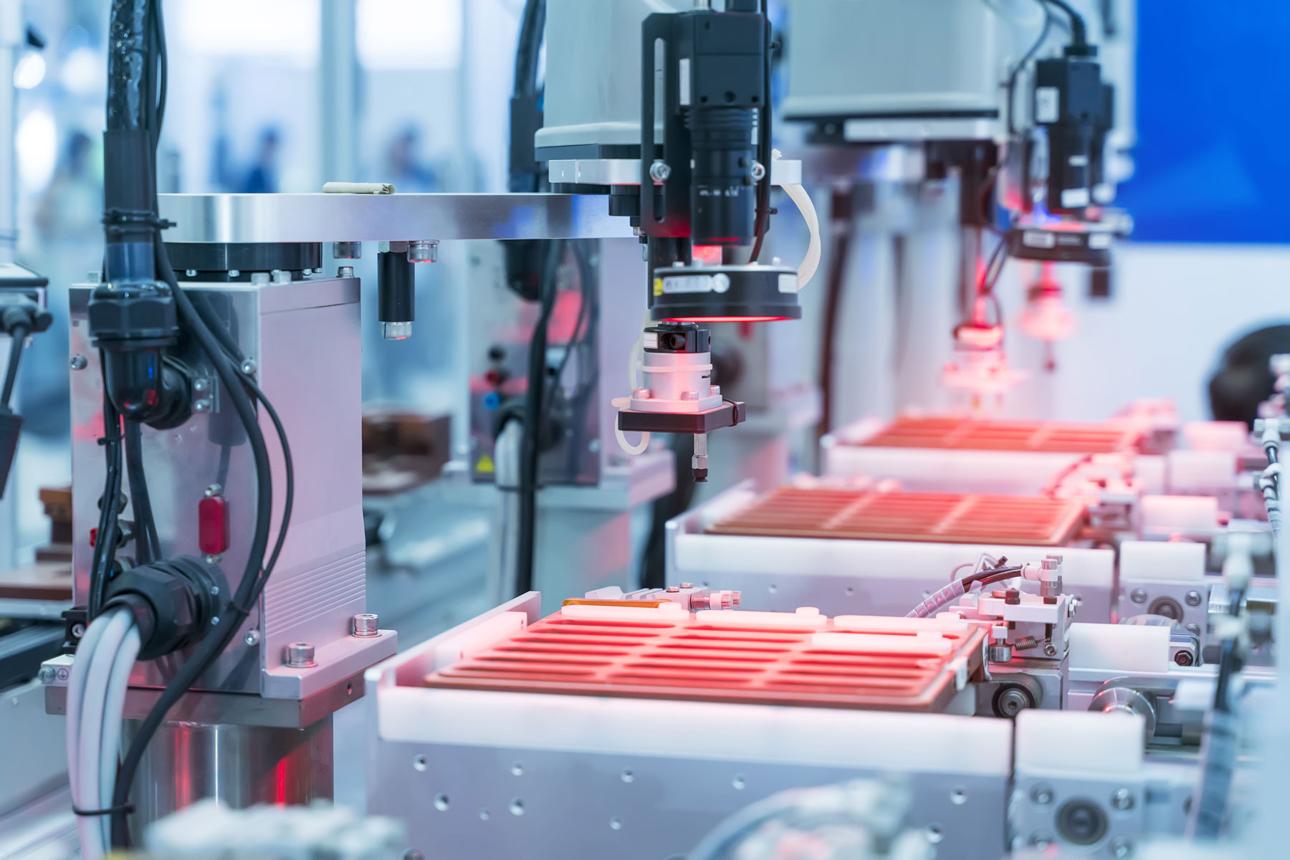
The main driver of economic expansion was Switzerland’s industrial sector. Industrial value added increased by a strong 1.3%, marking one of the sector’s best performances in recent quarters after a prolonged period of modest growth.

In contrast, the service sector showed only limited momentum. Growth in services reached just 0.2%, with several industries reporting mixed results. Retail and trade activities experienced declines, reflecting cautious consumer behavior and weaker domestic spending.

Private consumption remained largely stagnant, contributing to weak domestic demand. Overall domestic final demand rose by only 0.1%. Government expenditure helped support economic activity, increasing by 0.9% during the quarter.

SECO noted that Swiss GDP figures are adjusted to remove the impact of major international sporting events. Organizations such as the International Olympic Committee and several global sports federations are based in Switzerland, and their licensing revenues can significantly influence economic statistics. Without these adjustments, first-quarter GDP growth would have reached 0.7%.

While growth remains positive, the latest figures suggest that Switzerland’s economic recovery continues at a measured pace. Strong industrial performance is helping to offset weaker consumer spending, but economists will continue to monitor domestic demand and global economic conditions closely in the coming months.

The latest data indicate that Switzerland remains on a stable economic path, though challenges linked to consumer confidence and international market uncertainties continue to influence growth prospects.
EU Approves Tougher Steel Import Tariffs Affecting Switzerland.

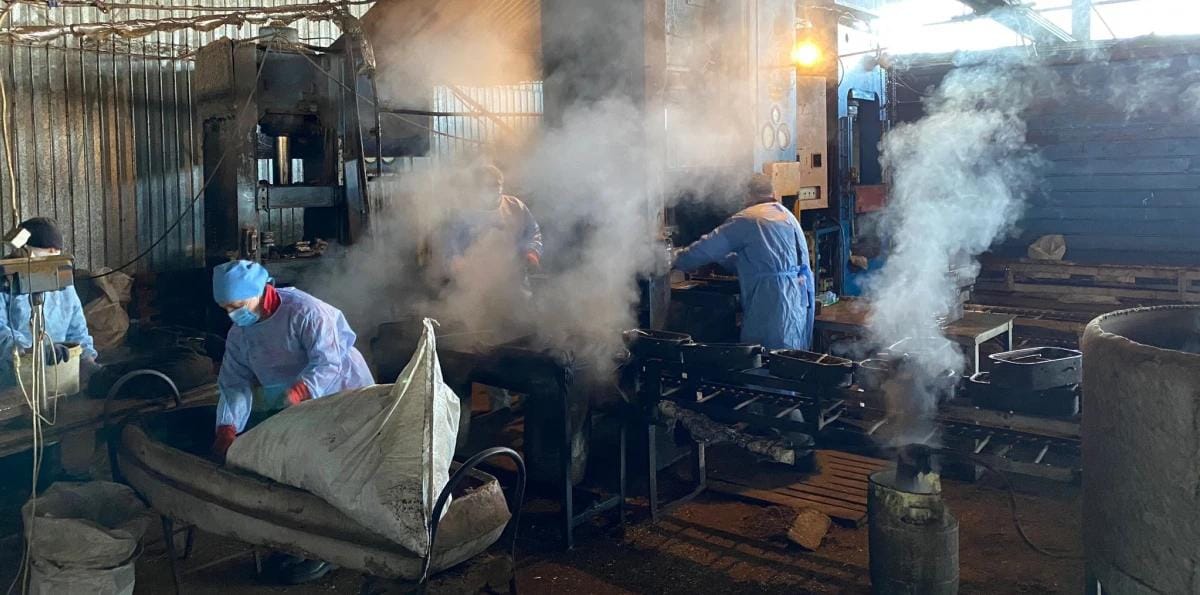
The European Parliament has approved stricter steel import regulations aimed at protecting the European market from global steel overcapacity, with the new measures also affecting Switzerland.

Under the revised policy, duty-free steel import quotas will be significantly reduced, while customs duties on imports exceeding the quotas will rise from 25% to 50%.

The new rules will apply to most non-EU countries, with exemptions only for members of the European Economic Area, including Norway, Iceland, and Liechtenstein. Switzerland unsuccessfully attempted to secure an exemption during negotiations in Brussels.

The European Commission stated that the measures comply with World Trade Organization regulations and are necessary to shield European steel producers from excessive global competition and market distortions.

European officials are currently negotiating updated steel quotas with more than 20 international partners, including Switzerland, as discussions continue over the economic impact of the new trade restrictions.

The tougher tariff framework is expected to take effect on July 1, 2026, pending final approval from EU member states.

The decision increases pressure on Swiss steel producers already facing challenges linked to rising energy costs, international competition, and slowing industrial demand across Europe.

Swiss Economy Grows 0.5% Despite Oil Price Shock

The Swiss economy recorded stronger-than-expected growth in early 2026 despite global pressure from rising oil prices and ongoing trade uncertainties.

According to a flash estimate released by the State Secretariat for Economic Affairs (SECO), Switzerland’s gross domestic product (GDP) increased by 0.5% in the first quarter of 2026 compared to the previous quarter.

Both the industrial and service sectors contributed to this positive performance, showing resilience even amid external economic shocks.

The growth rate exceeded analysts’ expectations, which had predicted expansion between 0.3% and 0.4%, according to market surveys.

In the previous quarters, the Swiss economy showed mixed performance, including a 0.2% growth at the end of 2025 and a 0.5% contraction earlier due to tariff-related tensions.

SECO officials noted that improved business confidence played a key role in the recovery, along with easing tariff pressures and modest positive spillover effects from Germany’s economy.

However, economists remain cautious about the outlook. Rising oil prices, which increased significantly in March, could still affect economic momentum in the coming months.

Despite this, confidence indicators have remained relatively stable, suggesting that short-term growth may continue.

The Swiss government currently projects annual growth of around 1.0%, though this could be revised down to 0.8% if high energy prices persist.

A detailed GDP breakdown is expected in the upcoming full report scheduled for June 1, which will provide deeper insight into sector-specific performance.