
Farmers Shocked After Hundreds of Kilograms of Asparagus Stolen in Switzerland
Switzerland has witnessed an unusual agricultural theft after hundreds of kilograms of asparagus ready for harvest were stolen from farmland in the canton of Fribourg.
The incident took place in the village of Delley, where the Ruegsegger family had cultivated asparagus crops on their fields and were preparing for harvest season.
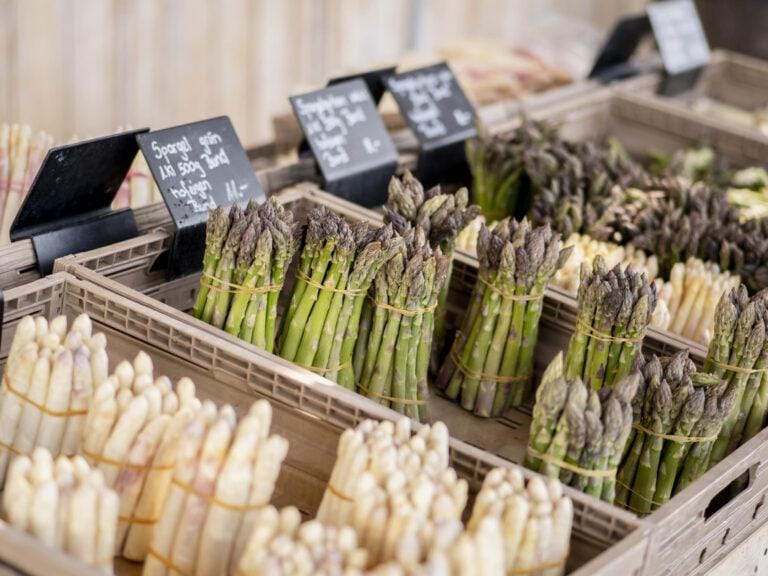
Asparagus is considered a high-value food product in Switzerland due to its nutritional benefits and market demand. The vegetable is rich in vitamins, minerals, and antioxidants and is widely associated with digestive health, blood sugar control, and immune system support.
In Swiss markets, asparagus can sell for between CHF8.50 and CHF20 per kilogram, making it one of the more valuable seasonal agricultural products.
According to reports, unknown individuals harvested and stole around 300 kilograms of asparagus from two separate fields belonging to the family.
The farmers believe the theft was not carried out by opportunistic trespassers. Instead, they suspect experienced individuals with professional knowledge of asparagus harvesting carefully removed the crops using specialised methods.
The incident has left the Ruegsegger family shocked and financially affected, especially at a time when food prices continue to rise internationally due to ongoing geopolitical tensions and supply chain disruptions.
Local farmers say the theft highlights growing concerns over agricultural security and increasing pressure on food production costs across Europe.
Authorities are expected to investigate the incident as the farming community calls for stronger protection measures for valuable crops during harvest periods.