Swiss Hotels Report Strong Winter Season Growth

Switzerland’s hotel industry experienced an exceptionally strong winter season, with record levels of overnight stays recorded despite a slight slowdown at the end of the period. The latest figures from the Federal Statistical Office (FSO) highlight continued resilience in the country’s tourism sector.

Between November and April, Swiss hotels recorded a total of 18.7 million overnight stays, representing a 1.1% increase compared to the previous year. The growth was mainly supported by strong domestic tourism, while international demand showed only modest gains.

Domestic guests accounted for 9.5 million overnight stays, an increase of 1.6%, while foreign visitors contributed 9.3 million stays, rising slightly by 0.5%. This balance shows that Swiss residents played a key role in driving the winter tourism industry.

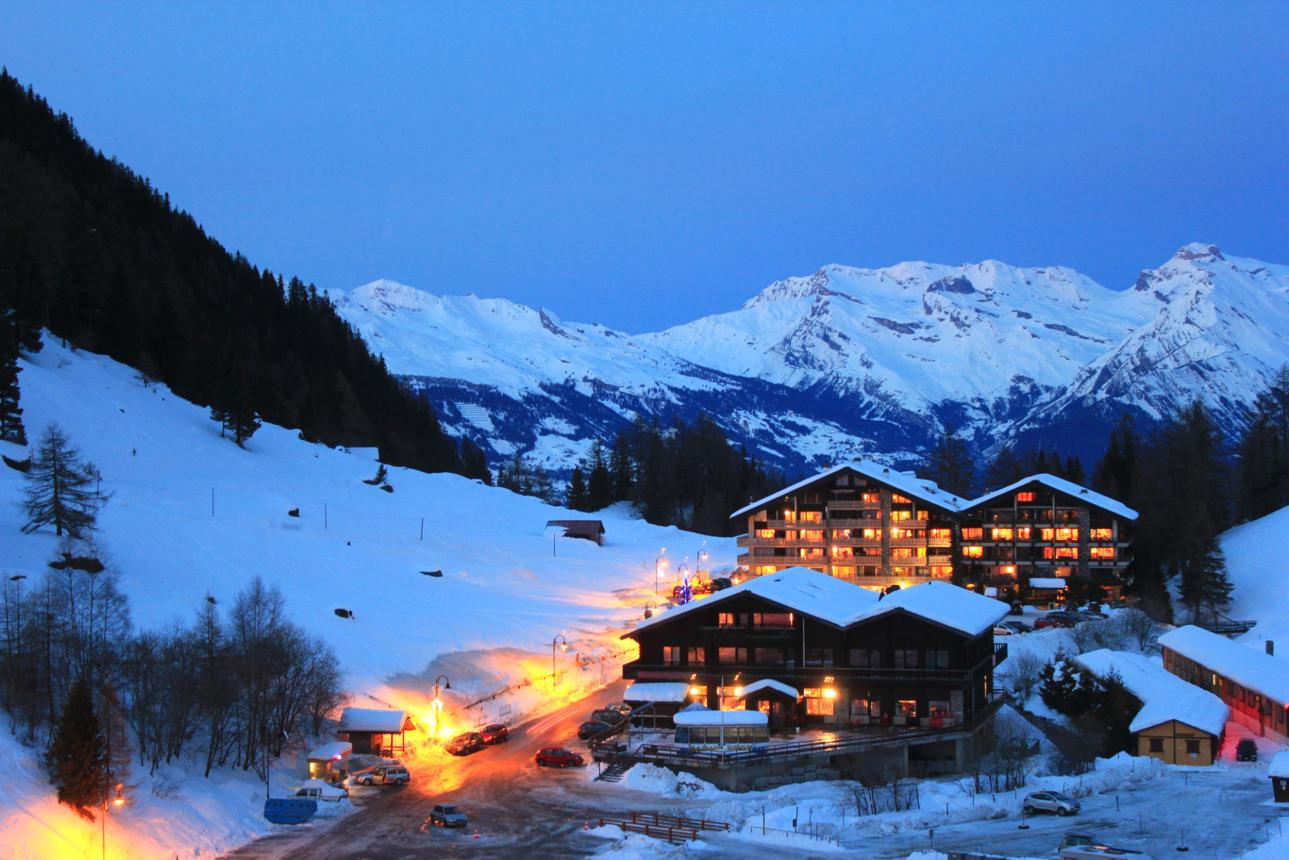
The months of December, January, and February were particularly strong, with occupancy rates rising by 6.8%, 2.6%, and 2.9% respectively. Popular ski destinations and alpine resorts benefited from favorable winter conditions and steady visitor interest during peak holiday periods.

However, the season ended on a weaker note due to global geopolitical tensions. The outbreak of conflict in the Middle East led to a decline in international travel demand, particularly from Asian markets. Foreign overnight stays fell by 4.8% in March and 5.7% in April, impacting overall momentum toward the end of the season.

Despite this slowdown, Switzerland’s hospitality sector demonstrated strong overall performance, supported by domestic travel and stable winter tourism activity. The results underline the importance of local tourism in maintaining hotel occupancy levels during uncertain global conditions.

Industry experts suggest that Switzerland’s appeal as a premium winter destination continues to remain strong, with alpine resorts and urban hotels both contributing to the country’s tourism success.

The latest figures confirm that Switzerland’s hotel industry remains one of the most stable and attractive sectors in the national economy, even in the face of global challenges affecting travel patterns.

Animal Rights Groups Target Migros Ads.

A coalition of Swiss animal protection organisations is preparing to file a formal complaint against supermarket giant Migros, accusing the retailer of using misleading animal welfare advertising. The complaint is expected to be submitted to Switzerland’s Fair Trading Commission in the coming days.

The action is being led by Werbemist, an alliance that includes Animal Rights Switzerland, Sentience, the Fondation pour l’animal en droit (TIR), and Tier im Fokus (TIF). The organisations argue that Migros’ advertising slogan, “Always topical: animal welfare,” creates a misleading impression about conditions within livestock farming.

According to the alliance, significant animal welfare concerns continue to exist in modern farming practices. The groups highlight issues such as painful breastbone fractures in laying hens and the use of carbon dioxide stunning methods in pigs before slaughter. They claim that these practices raise serious ethical questions and conflict with the image presented in Migros marketing campaigns.

The complaint also argues that terms such as “animal welfare” and “animal-friendly” are not legally protected in Switzerland. As a result, companies can use these phrases in advertising even when animal rights groups believe the standards do not fully reflect consumer expectations. Activists describe this practice as “welfare washing,” comparing it to other forms of marketing that present a more positive image than reality.

Migros has strongly rejected the allegations. The company states that animal welfare remains a core commitment and that standards are regularly reviewed and improved. A company spokesperson emphasized that continuous monitoring and development are part of Migros’ long-term approach to responsible food production.

The retailer also noted that improving animal welfare across the agricultural sector requires cooperation between farmers, researchers, industry partners, and government authorities. Migros believes meaningful progress can only be achieved through collaboration rather than individual action.

The dispute has sparked renewed debate in Switzerland over transparency in food production, ethical farming practices, and how animal welfare claims should be communicated to consumers. The outcome of the complaint could have broader implications for advertising standards and consumer trust within the Swiss retail sector.

Swiss Support for New Nuclear Plants Surges.

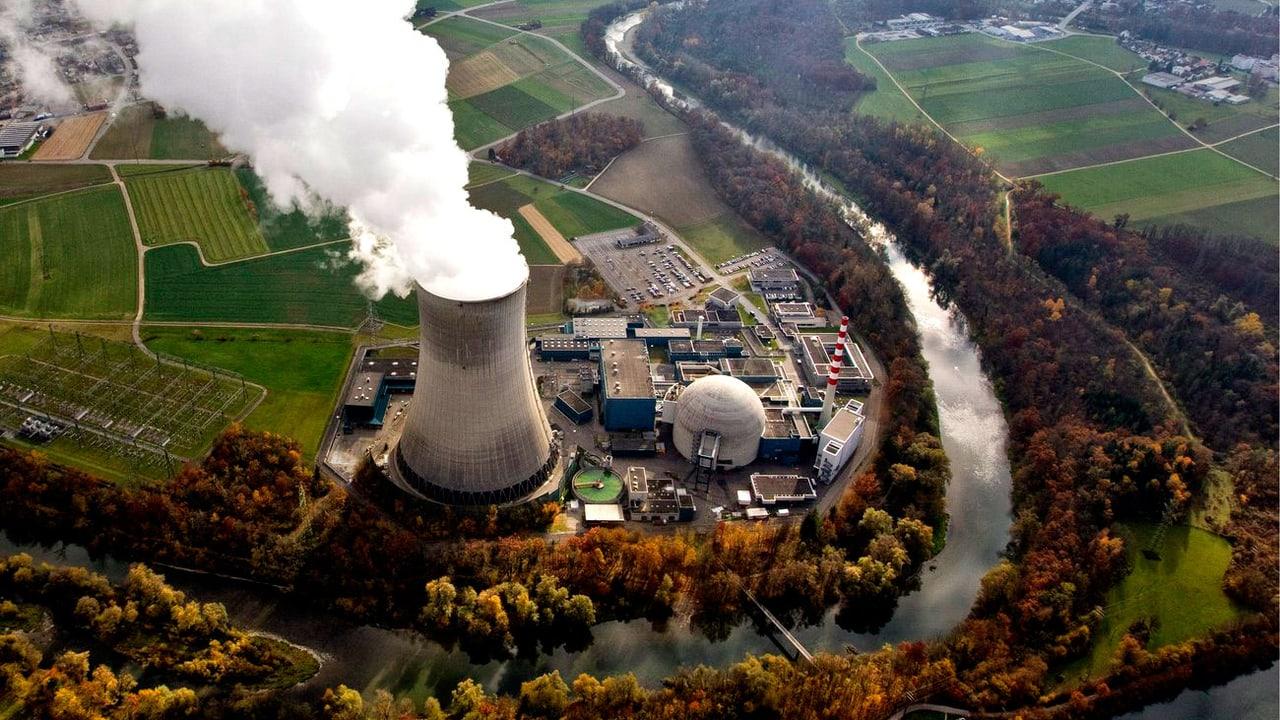
Public opinion in Switzerland is shifting significantly in favor of nuclear energy, with a growing number of citizens viewing it as a reliable solution to future electricity challenges. A recent survey commissioned by the Swiss Association of Electricity Companies (AES) reveals that nearly 60% of respondents support the construction of new nuclear power plants across the country.

The findings highlight increasing concerns about Switzerland’s long-term energy security. As demand for electricity continues to rise, many residents are questioning whether renewable energy sources alone will be sufficient to meet future needs. This has led to renewed interest in nuclear power as part of a balanced national energy strategy.

According to the survey, 79% of participants support keeping existing nuclear power plants in operation as long as they continue to meet safety standards. In addition, 59% favor building next-generation nuclear facilities to strengthen Switzerland’s energy infrastructure and reduce the risk of power shortages.

Energy experts believe public attitudes have changed due to growing awareness of supply risks experienced in recent years. International geopolitical tensions and concerns about global energy markets have also increased public focus on reliable domestic electricity production.

Despite the rising popularity of nuclear energy, renewable energy remains the preferred long-term solution for many Swiss citizens. Solar, wind, and hydropower continue to receive strong public support, with many respondents favoring an energy mix that combines renewables with stable backup generation.

The Swiss Parliament is expected to discuss the future direction of national energy policy, making this an important moment for Switzerland’s long-term energy planning. The debate could influence how the country balances energy security, environmental goals, and economic stability in the years ahead.

As Switzerland evaluates its energy future, nuclear power is once again becoming a central topic of discussion. The latest survey suggests that public opinion is evolving, with more citizens willing to consider nuclear energy as part of the solution to ensure a stable and secure electricity supply.

Swiss Cantons Face Rising Refugee Costs.

Swiss cantons and municipalities are preparing for a significant financial challenge as Ukrainian refugees with Protection Status S begin transitioning to regular social assistance from 2027. Local authorities estimate that the nationwide additional burden could reach approximately CHF300 million annually, raising concerns about future budgets and public spending.

Municipal leaders across Switzerland are urging the federal government to provide clear guidance and financial support before the transition takes effect. Bruno Tüscher, Mayor of Münchwilen in the canton of Aargau, warned that without federal assistance, municipalities may face higher tax pressures. He stated that the added costs could increase local tax rates by around three percent, placing additional strain on communities already managing rising expenses.

The canton of Aargau expects municipalities to absorb roughly CHF25 million in extra costs once refugees move to the standard welfare system. Local officials are seeking urgent clarification as they begin preparing financial plans and budgets for the coming years.

Graubünden has also calculated the potential impact. Authorities estimate that around 900 refugees could transition to regular social assistance, creating annual costs of approximately CHF5.4 million. The city of Chur alone may be responsible for CHF2.2 million of that amount. City Councilor Patrik Degiacomi noted that current estimates represent a best-case scenario and warned that actual costs could rise further if economic and social conditions change.

The upcoming policy shift has sparked debate across Switzerland about how refugee support should be funded and shared between federal, cantonal, and municipal governments. While many officials continue to support humanitarian assistance for those displaced by the war in Ukraine, they are also calling for a sustainable financial framework that protects local services and taxpayers.

As 2027 approaches, Swiss cantons are increasing pressure on federal authorities to address funding concerns and provide long-term solutions. The issue is expected to remain a major topic in Swiss political and economic discussions as governments balance humanitarian commitments with fiscal responsibility.

Gunvor Offices Searched in Swiss Corruption Probe.

Swiss authorities have searched the Geneva headquarters of commodities trader Gunvor as part of an ongoing criminal investigation into suspected bribery involving foreign public officials.

The search was conducted by federal police in May on the orders of the Office of the Attorney General of Switzerland. The development became public after it was reported by the Swiss non-governmental organization Public Eye and later confirmed by Swiss authorities.

According to the Office of the Attorney General, the investigation remains active and authorities have provided only limited information. Officials emphasized that the presumption of innocence applies throughout the legal process.

Public Eye has raised questions about an oil contract allegedly concluded in Gabon in 2024. The organization claims that a parallel payment system may have been used to compensate intermediaries operating in Africa. These allegations are currently being examined within the broader investigation.

Gunvor has strongly rejected the accusations. The company stated that it has never seen or known of the contract referenced by Public Eye and accused the organization of exaggerating and misrepresenting information. Gunvor also emphasized that the company itself is not currently the direct target of the criminal proceedings and has pledged full cooperation with investigators.

The case comes as Gunvor faces renewed scrutiny due to previous corruption-related convictions in Switzerland. In 2019, Swiss authorities found the company criminally liable for corruption involving activities in Congo and Côte d’Ivoire. In 2024, the company was again found criminally liable in connection with corruption offenses linked to Ecuador.

Commodity trading remains one of Switzerland’s most important economic sectors, with Geneva serving as a major international hub for energy and commodity businesses. As a result, investigations involving large trading firms often attract significant public and regulatory attention.

Authorities have not announced when further information regarding the investigation will be released. The inquiry remains ongoing.

Swiss Economy Grows Slower Than Expected in Early 2026.

Switzerland’s economy recorded moderate growth during the first quarter of 2026, according to the latest figures released by the State Secretariat for Economic Affairs (SECO). The country’s real Gross Domestic Product (GDP) increased by 0.4% compared with the previous quarter after seasonal and special-event adjustments.

The result came in slightly below SECO’s preliminary forecast of 0.5% issued earlier this month. Despite the small downgrade, the latest figure still represents an improvement compared with the previous two quarters, which recorded growth rates of 0.2% and -0.4% respectively.

The main driver of economic expansion was Switzerland’s industrial sector. Industrial value added increased by a strong 1.3%, marking one of the sector’s best performances in recent quarters after a prolonged period of modest growth.

In contrast, the service sector showed only limited momentum. Growth in services reached just 0.2%, with several industries reporting mixed results. Retail and trade activities experienced declines, reflecting cautious consumer behavior and weaker domestic spending.

Private consumption remained largely stagnant, contributing to weak domestic demand. Overall domestic final demand rose by only 0.1%. Government expenditure helped support economic activity, increasing by 0.9% during the quarter.

SECO noted that Swiss GDP figures are adjusted to remove the impact of major international sporting events. Organizations such as the International Olympic Committee and several global sports federations are based in Switzerland, and their licensing revenues can significantly influence economic statistics. Without these adjustments, first-quarter GDP growth would have reached 0.7%.

While growth remains positive, the latest figures suggest that Switzerland’s economic recovery continues at a measured pace. Strong industrial performance is helping to offset weaker consumer spending, but economists will continue to monitor domestic demand and global economic conditions closely in the coming months.

The latest data indicate that Switzerland remains on a stable economic path, though challenges linked to consumer confidence and international market uncertainties continue to influence growth prospects.

Swiss Cantonal Banks Hold More Capital Than Required

Swiss cantonal banks are holding substantially more equity capital than required by law, according to a new study by Zurich-based Independent Credit View (I-CV). The findings highlight the strong financial position of these regional institutions, even as public attention remains largely focused on major banks such as UBS.

The study reveals that Switzerland’s 24 cantonal banks have continued to expand steadily, with total assets growing by more than 3% annually. Combined, these banks now manage total assets worth approximately CHF839 billion, surpassing the CHF501 billion held by UBS’s Swiss business operations.

A bank’s total assets include customer deposits, investments, mortgages, and loans. As these figures increase, banks are generally expected to maintain sufficient capital reserves to absorb potential losses and ensure financial stability. According to the report, cantonal banks are maintaining capital buffers significantly above the minimum legal requirements.

Financial experts view these additional reserves as a sign of strength and resilience. Strong capital levels help banks withstand economic downturns, market volatility, and unexpected financial shocks. They also provide greater confidence for customers, investors, and regulators.

Despite their growing size and importance within the Swiss financial system, cantonal banks often receive less public scrutiny than global banking giants such as UBS. However, their collective balance sheet now represents a major component of Switzerland’s banking sector.

The report suggests that while the debate around banking regulations frequently focuses on systemically important institutions, cantonal banks have quietly built substantial financial safeguards over many years.

Analysts note that maintaining higher-than-required capital levels may help support long-term stability, particularly during periods of economic uncertainty. As Switzerland continues to strengthen its financial sector, cantonal banks remain a key pillar of the country’s banking and lending system.

The study also highlights the important role these institutions play in regional economic development by providing mortgages, loans, and financial services to households and businesses across Switzerland.

UBS Continues Job Cuts During Credit Suisse Merger.

UBS has reportedly eliminated several hundred additional jobs across Europe, the Middle East, and Africa as part of its ongoing integration of Credit Suisse. The latest workforce reductions mainly affect support roles, although some client advisory positions have also been impacted, according to media reports.

The Swiss banking giant has not officially confirmed the number of affected employees. However, UBS has consistently stated that it aims to reduce overlapping functions created by the acquisition of Credit Suisse while minimizing compulsory redundancies wherever possible.

A UBS spokesperson reiterated that workforce reductions will occur gradually over several years through natural staff turnover, early retirement programs, internal mobility, and the replacement of external contractors with internal employees. This approach was first outlined after UBS completed the historic takeover of Credit Suisse in 2023.

The bank’s latest financial results show that its workforce declined from 103,177 full-time positions at the end of 2025 to 101,594 by the end of March 2026. Industry analysts estimate that the total workforce could eventually fall to around 80,000 employees as integration efforts continue.

Since acquiring Credit Suisse, UBS is believed to have reduced approximately 17,500 positions globally. In Switzerland alone, the bank previously announced plans for around 3,000 job reductions as part of the merger process.

UBS Chief Executive Officer Sergio Ermotti stated earlier this year that most of the planned Swiss job cuts are expected during the second half of 2026 and early 2027. The reductions are closely linked to the completion of the migration of former Credit Suisse clients and operations onto UBS systems.

Despite the ongoing restructuring, UBS maintains that the integration remains on track and is focused on creating a stronger and more efficient global banking group. The merger continues to be one of the largest banking consolidations in Swiss financial history, with significant implications for employment and the future of the country’s banking sector.

Swiss Tech Industry Recovers, But Risks Remain.

Switzerland’s technology industry has started the year with a strong rebound, showing growth in new orders, sales, and exports. However, industry leaders warn that the recovery remains fragile and exposed to global economic and political risks.

According to Swissmem, the association representing Switzerland’s machinery, electrical engineering, and metals industries, new orders increased by 10.1% in the first quarter compared to the previous year. During the same period, revenues rose by 3.4%, while exports grew by 1.1%, indicating a moderate but positive recovery trend.

Export performance varied significantly across regions. The European Union played a key role in driving growth, with exports rising by 3.9%. In contrast, demand declined in key international markets such as Asia (-4.5%) and the United States (-4.2%), highlighting uneven global recovery patterns.

Within product categories, Switzerland saw declines in exports of measuring, control, and precision instruments as well as machinery and mechanical equipment. However, strong growth in rail, road, and air vehicle exports—up by 28.4%—helped balance overall performance due to several large international contracts.

Despite improvements, the industry is still operating below optimal capacity. The average utilisation rate stood at 81.6%, below the long-term benchmark of 85.6%. Employment in the sector slightly increased to 324,200 workers, reflecting cautious stability in the labour market.

Swissmem director Stefan Brupbacher noted that while indicators such as the purchasing managers’ index show encouraging signals, the recovery is not evenly distributed. Larger firms and certain high-tech segments, including industrial electrical engineering, energy solutions, data centres, artificial intelligence, and space-related technologies, are performing better than smaller companies.

Smaller enterprises, however, reported a revenue decline of 1.8%, underlining structural imbalances within the sector. Brupbacher warned that the current growth is “a fragile balance” and could reverse quickly due to global uncertainties.

Key risks include geopolitical tensions in the Middle East, rising energy costs, supply chain disruptions, US tariffs, and EU trade restrictions. These factors, according to Swissmem, could abruptly halt the current positive trend.

The association is calling for stable and supportive policy frameworks in Switzerland, including progress on free trade agreements such as Mercosur and rejection of restrictive immigration measures that could limit workforce availability.

Overall, while Switzerland’s tech industry is showing signs of recovery, experts emphasize that long-term stability will depend on global conditions and domestic policy decisions.