
Greenpeace Warns on Swiss Russian Uranium Dependence.
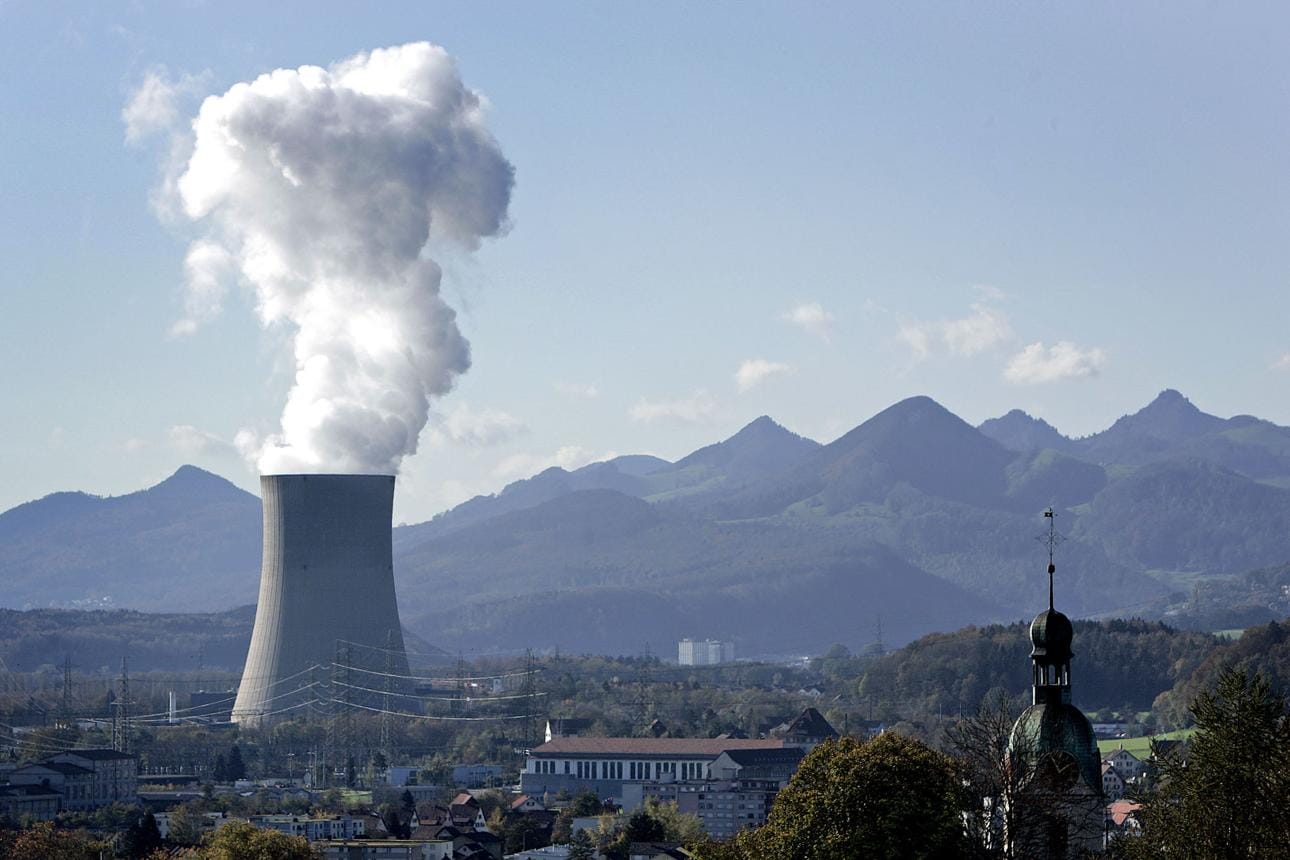
Environmental organisation Greenpeace claims Swiss nuclear power plants still depend heavily on Russian uranium supplies more than four years after the Ukraine war began. The group warns that changing uranium mining locations alone will not fully remove Switzerland’s energy links to Russia.
Swiss energy company Axpo previously announced a partnership with Kazatomprom, Kazakhstan’s leading uranium producer, to diversify nuclear fuel sourcing for Switzerland’s reactors.
According to Greenpeace, Russian nuclear giant Rosatom remains deeply involved in the global uranium supply chain. Much of the uranium mined in Kazakhstan still travels through Russia before reaching European markets, making complete independence difficult.
Greenpeace also highlights concerns about uranium traceability. During the enrichment process, uranium from different sources mixes together, making it nearly impossible to confirm the exact origin of nuclear fuel used in Swiss reactors.
The NGO argues that Switzerland’s continued reliance on nuclear energy increases geopolitical risks and leaves the country vulnerable to foreign influence. Greenpeace urges Switzerland to accelerate investment in renewable energy sources to achieve long-term energy independence.
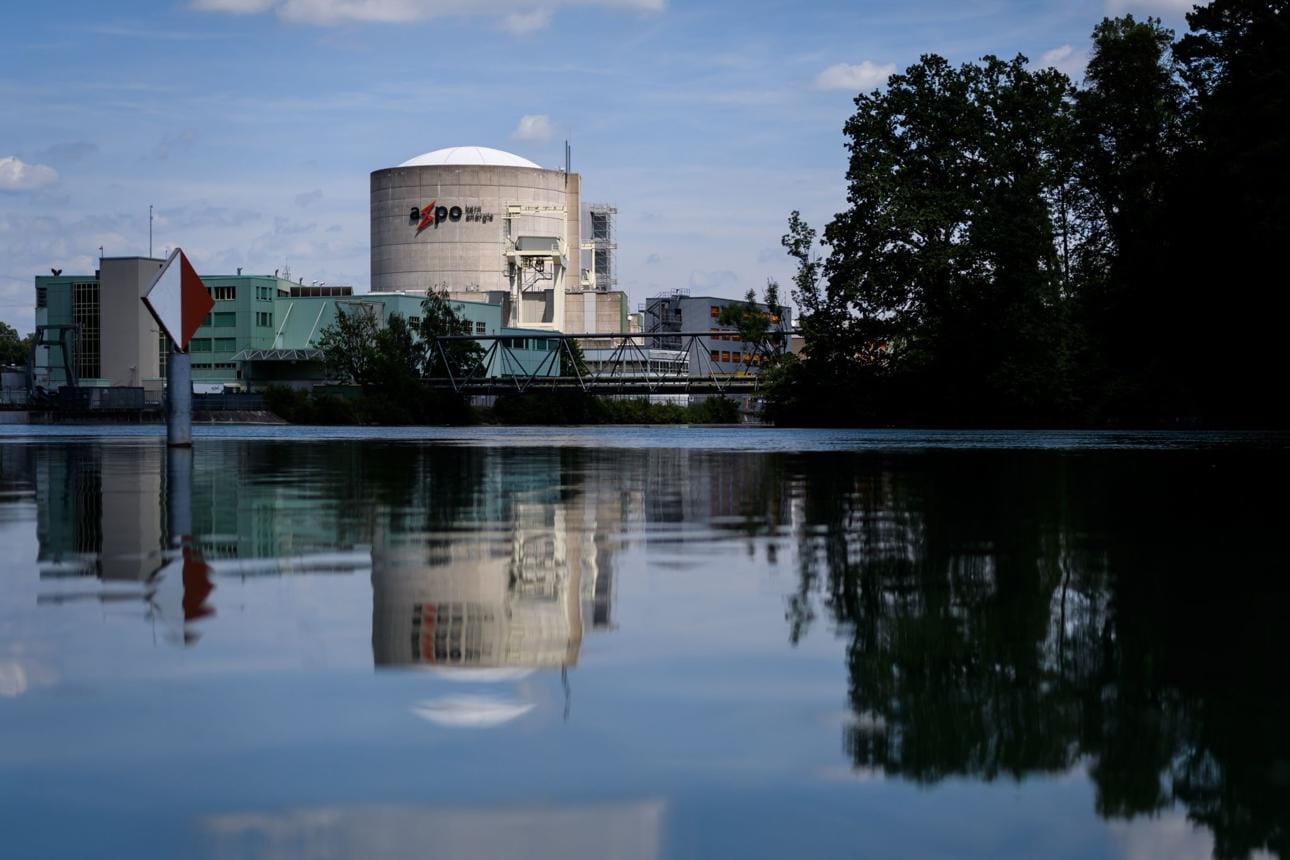
However, Axpo rejects claims of ongoing Russian dependency. The company says its fuel supplies for the Beznau and Leibstadt nuclear plants have not depended on Russian sources since 2022 due to existing reserves and new contracts.
Axpo states that it signed new uranium procurement agreements in 2025 with suppliers from Canada and Kazakhstan. The company adds that uranium processing now takes place in countries including France, Germany, the Netherlands, Britain, and the United States.
The energy company further confirms that since spring 2026, it no longer maintains active contracts involving Russian uranium and says no direct or indirect payments flow to Russian entities.