Swiss Technology SMEs Struggle Under Economic Pressure.

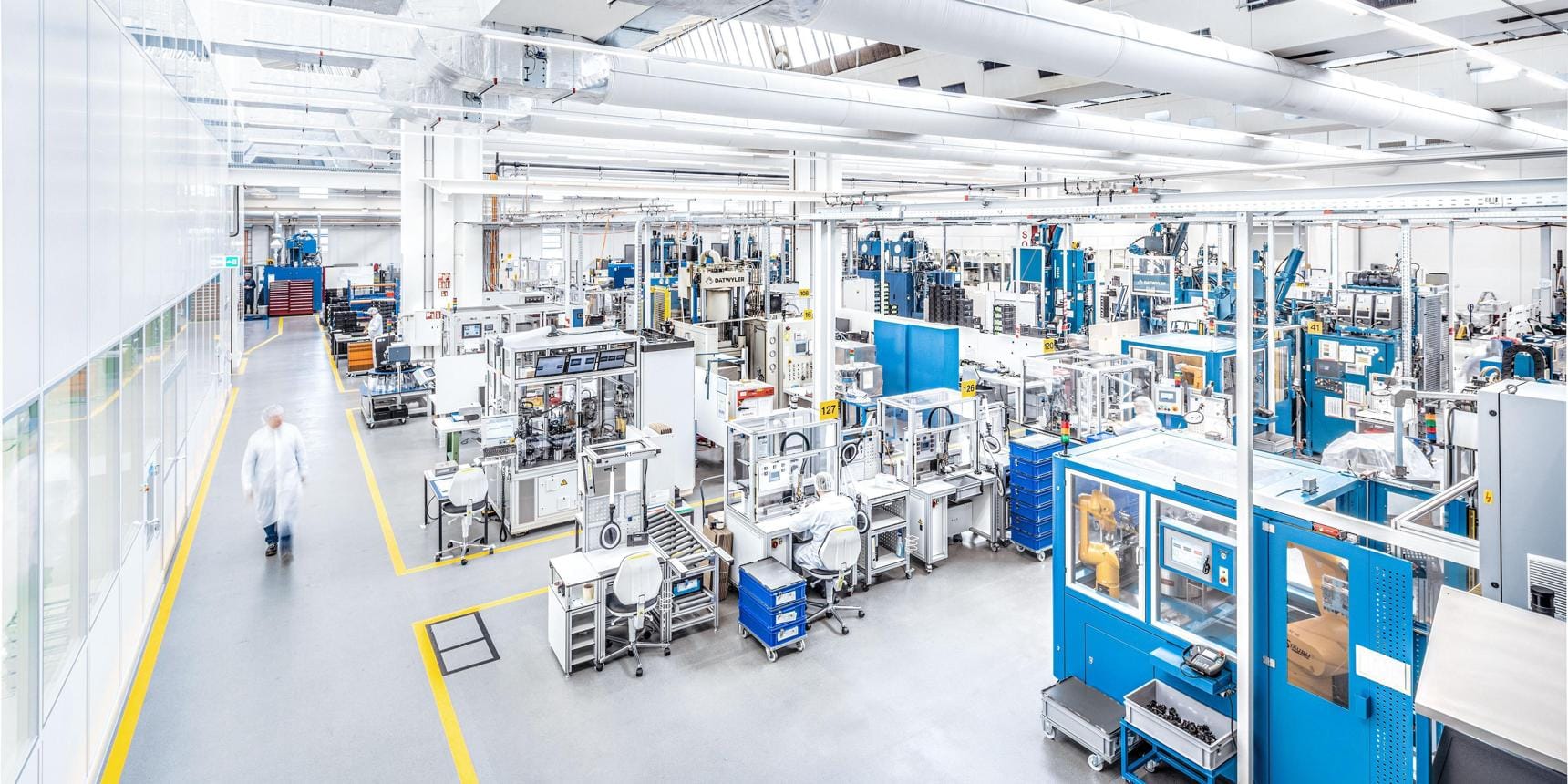
Small and medium-sized enterprises in Switzerland’s technology sector are facing growing economic pressure due to weak demand, currency challenges, and rising operating costs. According to the latest survey released by Swissmechanic, business confidence among SMEs in the machinery, electrical equipment, and metals industries remains deeply negative.

The business climate index for Swiss MEM industry SMEs stood at around minus 30 points in April 2026, continuing a prolonged downturn that has persisted since the end of 2023. Many companies report ongoing uncertainty and reduced customer demand across key industrial sectors.

The lack of incoming orders remains the biggest challenge, with 60% of surveyed companies identifying it as their main concern. Businesses are also struggling with the impact of the strong Swiss franc, which affects export competitiveness and profitability in international markets.

Around 41% of companies highlighted exchange rate fluctuations as a major issue, while 23% pointed to rising energy costs. These pressures have intensified since the beginning of 2026 and continue to affect operating margins across the industry.

Financial performance has weakened for many businesses. During the first quarter of 2026, approximately four out of ten SMEs reported a decline in EBIT margins, reflecting increasing cost pressure and reduced profitability.

Despite the difficult environment, some companies are attempting to protect jobs through short-time work programmes and internal efficiency measures. Around 18% of SMEs said they are maintaining their workforce despite declining earnings.

Investment activity also remains limited. Nearly one-quarter of surveyed companies stated they are unable to invest due to financial constraints, especially limited equity capital. Many firms are choosing to maintain current production capacity rather than expand operations during uncertain market conditions.

However, there are small signs of improvement in the Swiss technology industry. Exports from the MEM sector have increased for three consecutive quarters, and Switzerland’s purchasing managers’ index recently moved above the growth threshold for the first time since late 2022.

Even so, industry experts warn that a stable and long-term recovery has not yet been secured, and many SMEs continue to face significant economic uncertainty in 2026.
Swiss Industrial Production Falls 6.1% in First Quarter 2026.

Industrial production in Switzerland’s secondary sector recorded a significant decline in the first quarter of 2026, according to the Federal Statistical Office. Overall production in industry and construction dropped by 6.1% between January and March compared to the same period last year.

Turnover in the sector also declined by 5.8%, reflecting weaker demand and reduced output in several key industries across the Swiss economy. The data highlights continued pressure on Switzerland’s manufacturing base amid global economic uncertainty.

The industrial sector experienced the sharpest downturn, with production falling by 7.1%. The most significant declines were seen in pharmaceutical manufacturing, which dropped by 20.4%, and vehicle construction, which fell by 15.0%.

Despite the overall negative trend, some sectors showed positive performance. Production increased in metal product manufacturing by 8.8%, while data processing equipment and watch production rose by 6.6%, indicating resilience in high-value Swiss industries.

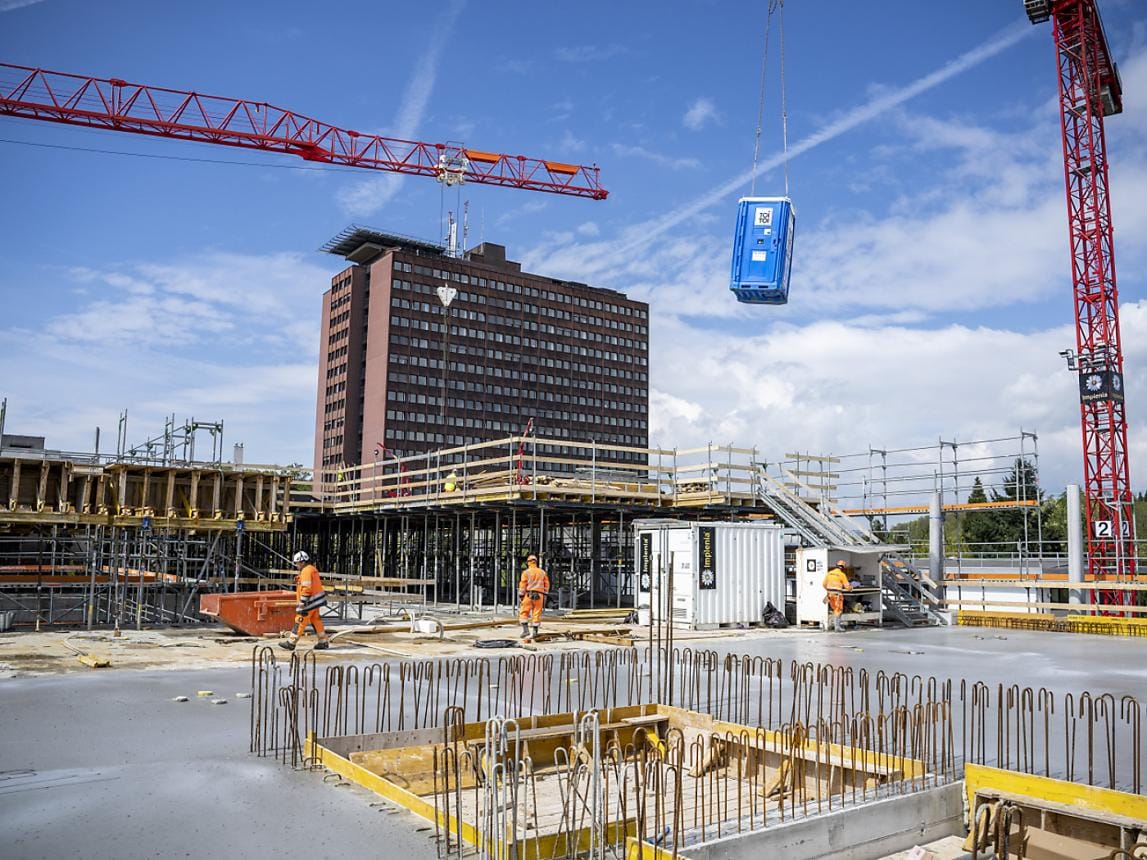
The construction sector performed comparatively better during the same period. Production increased by 0.8%, continuing a modest recovery trend seen in late 2025. Building construction grew by 2.8% and civil engineering by 3.8%, although other construction activities saw a slight decline of 0.6%.

Overall turnover in construction rose by 1.5%, suggesting steady demand in infrastructure and housing projects despite broader economic challenges.

Economists note that while Switzerland continues to maintain stability in certain high-tech and construction segments, the sharp decline in industrial output reflects ongoing global supply chain pressures and weaker international demand.

How Switzerland Became the World’s Second-Largest Coffee Exporter

Switzerland has become one of the most surprising leaders in the global coffee export market, despite not producing a single coffee bean due to its climate. Today, it ranks as the second-largest coffee exporter in the world, only behind Brazil.

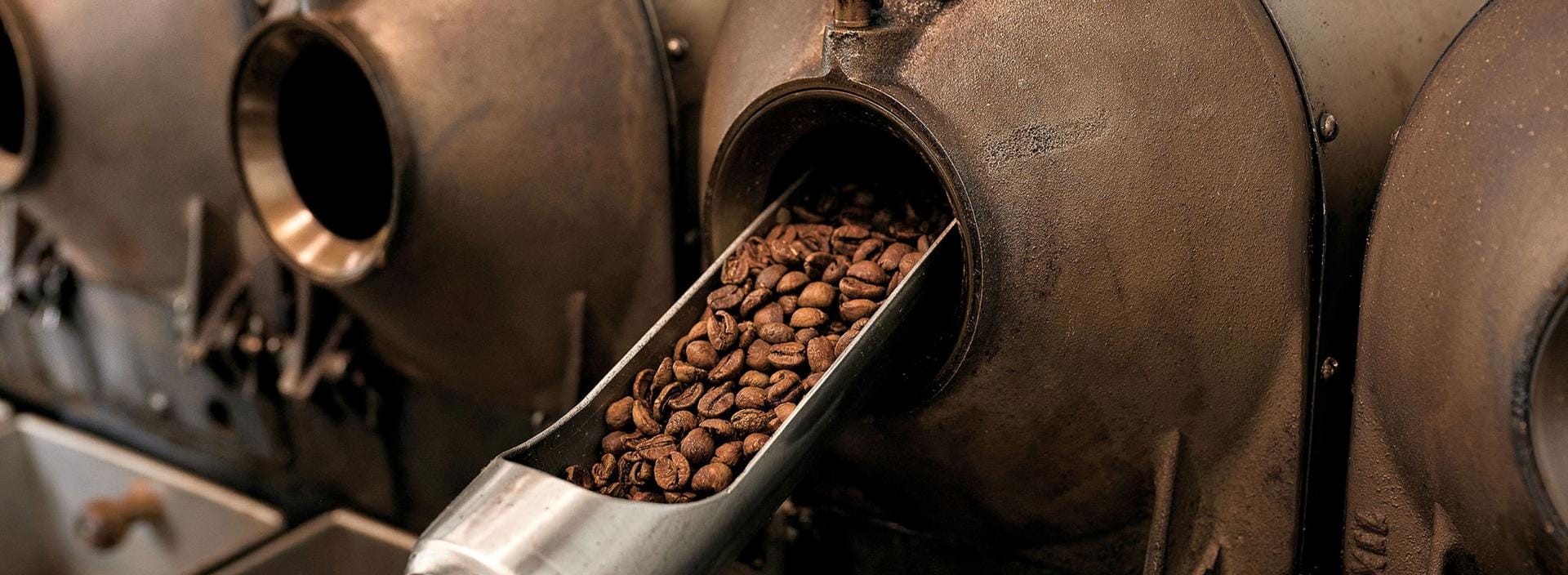
The success is driven not by cultivation, but by high-value processing and re-exporting. Green coffee beans are imported into Switzerland at relatively low prices and then transformed into premium roasted products for global markets. According to research from the University of St. Gallen, raw coffee beans are imported at around $5 per kilogram, while processed exports can reach up to $26.80 per kilogram.

This massive value addition has made coffee Switzerland’s most important agricultural export, even surpassing traditional Swiss products such as cheese and chocolate in total export share.

A major contributor to this industry is global food and beverage giant Nestlé, which has built a strong global coffee ecosystem through brands like Nespresso and Nescafé. Switzerland has also become a key hub for trading, roasting, packaging, and distribution of coffee to international markets.

Experts say Switzerland’s success lies in its strong logistics infrastructure, political stability, financial systems, and high-tech food processing capabilities. These advantages allow companies to import raw materials, add value through advanced processing, and re-export finished goods efficiently.

However, the story of Swiss coffee dominance also has a complex side. While Switzerland profits significantly from coffee trading, most coffee is grown in developing countries where farmers often receive only a small portion of the final retail value. This global imbalance has sparked ongoing discussions about fairness in the coffee supply chain.

Today, Switzerland’s coffee industry stands as a powerful example of how a country can dominate global trade not through raw production, but through innovation, branding, and value-added processing.

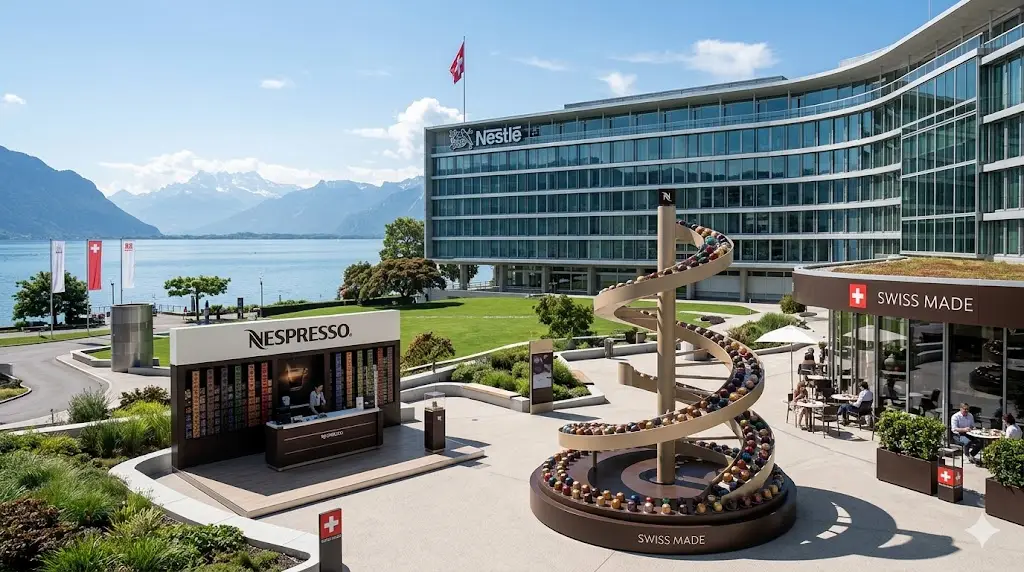
Nestlé Confirms Nespresso Production Will Stay in Switzerland.

Nestlé has confirmed that it will continue producing Nespresso capsules in Switzerland despite growing concerns over United States import tariffs.

Speaking to CH Media, Nestlé CEO Philipp Navratil stated that the company has no plans to move Nespresso capsule production outside Switzerland.

Nestlé, headquartered in Vevey, is currently reviewing options related to possible reimbursement of US customs duties. However, the company stressed that relocating manufacturing operations is not under consideration.

Navratil explained that Nestlé remains focused on long-term business stability and adapting to changing global market conditions rather than reacting to short-term political pressures.

Commenting on tariffs and trade barriers, he emphasized that the company continues to invest despite the additional costs created by international trade tensions.

The decision is seen as a positive signal for Switzerland’s manufacturing sector and workforce, particularly as global companies increasingly review supply chains and production locations due to economic uncertainty.

Nespresso remains one of Nestlé’s most recognized premium brands worldwide, and Switzerland continues to play a central role in the company’s coffee production and innovation strategy.

Industry observers note that maintaining production in Switzerland also reinforces the premium image and “Swiss-made” identity associated with Nespresso products globally.