
Switzerland Signs Gaza Humanitarian Declaration
Switzerland has joined 19 other countries in signing a joint declaration expressing serious concern over the worsening humanitarian situation in the Gaza Strip. The Swiss foreign ministry described the situation as dramatic and highly unstable, emphasizing the urgent need for improved access to essential services and humanitarian assistance.
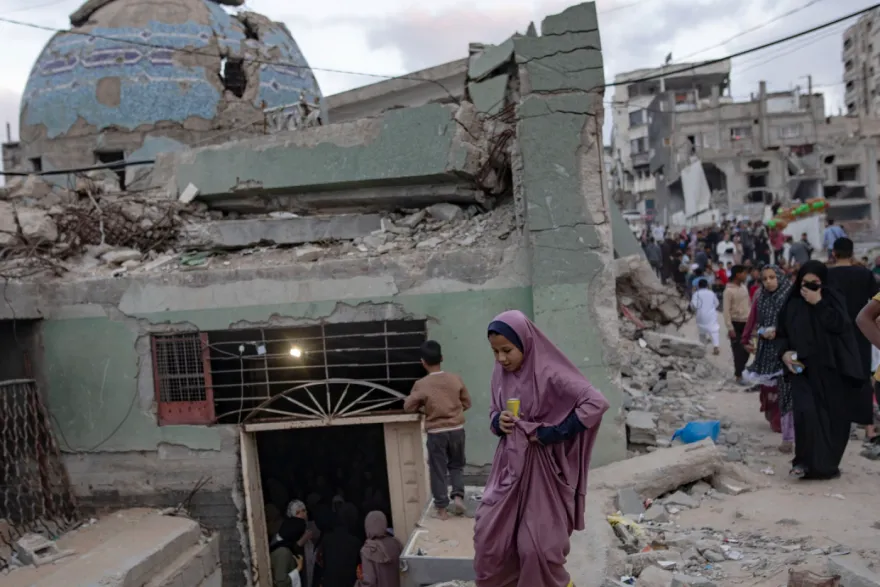
According to the Federal Department of Foreign Affairs, access to basic services in Gaza remains severely restricted. The United Nations reports that the healthcare system is under extreme pressure, with none of the 36 hospitals in the region fully functional and only about half operating partially.
The humanitarian crisis has also led to widespread displacement, with approximately 1.7 million people forced to leave their homes. Overcrowded living conditions, combined with inadequate waste management, have increased the spread of diseases such as skin infections among displaced populations.
In the joint declaration, Switzerland and its international partners called on Israeli authorities not to implement a new registration system for international non-governmental organisations in its current form. The statement also reaffirmed obligations under international humanitarian law, stressing the need to ensure safe, rapid, and unrestricted delivery of aid to civilians.
The declaration was signed alongside countries including Austria, Belgium, Denmark, Finland, France, Germany, Ireland, Japan, the Netherlands, Norway, Spain, Sweden, the United Kingdom, and others, as well as the European Commission.
Switzerland also highlighted its ongoing financial support for the Palestinian population. Since November 2023, the country has provided approximately CHF 174 million in assistance, including CHF 150 million dedicated specifically to humanitarian aid. Additional funding of around CHF 31 million has been allocated for the current year.
Officials in Bern reiterated Switzerland’s commitment to humanitarian principles and international cooperation, stating that continued support for civilians affected by conflict remains a key priority in its foreign policy approach.