Switzerland Joins NATO Digital Defence Exercise.

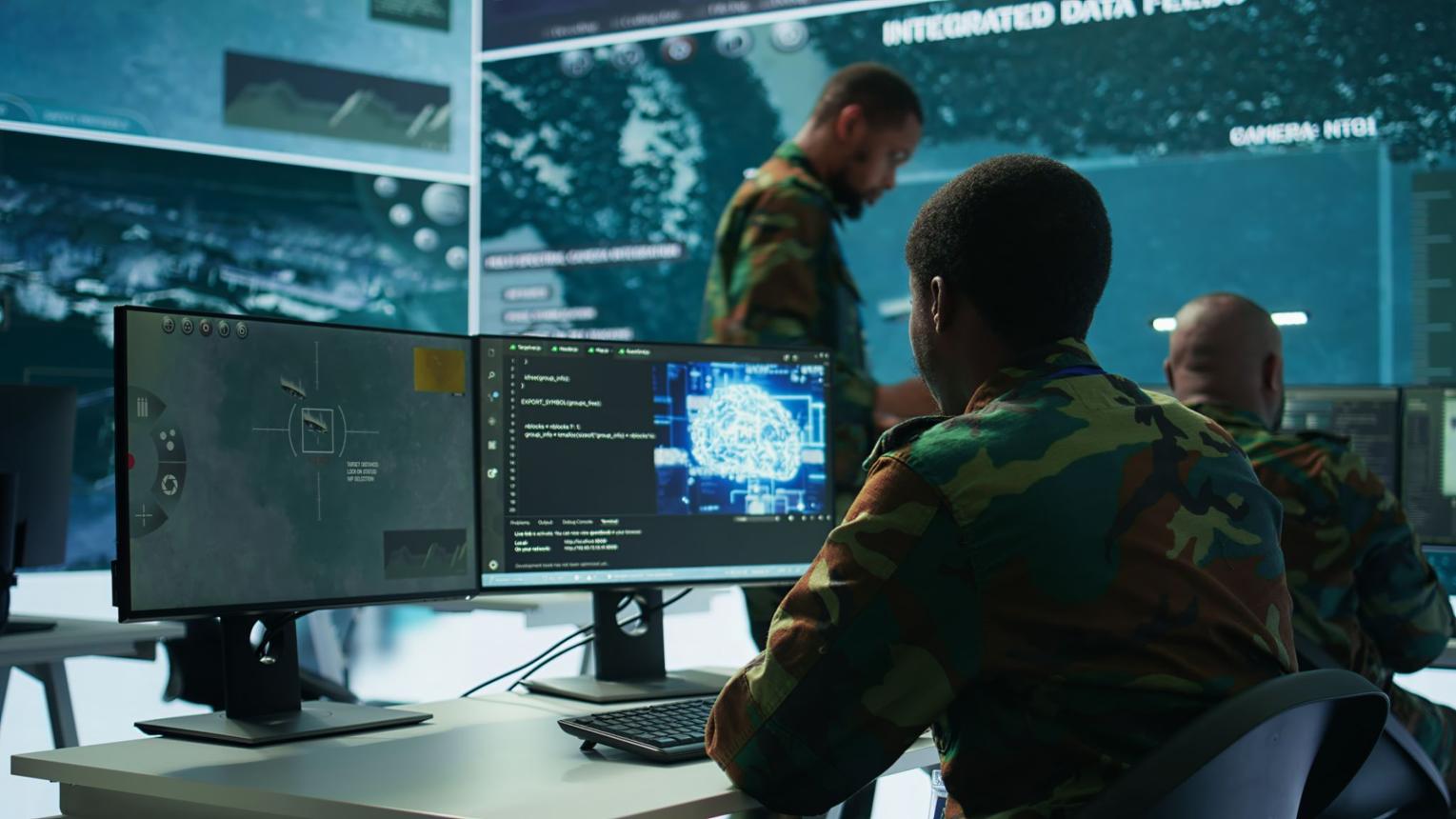
The Swiss Armed Forces have begun participation in a major NATO digital defence exercise in Poland, starting Wednesday, as part of efforts to strengthen cyber security capabilities and improve international military cooperation.

The three-week exercise brings together specialists from Switzerland and 40 participating nations, focusing on improving networking systems, secure communication, and technical standards across international defence structures.

Swiss units from Cyber Command and Operations Command, along with experts from Armasuisse and other defence and IT sectors, are actively involved in the training activities held in Bydgoszcz, Poland.

A key objective of the exercise is to enhance the exchange of information between allied and partner countries. Participants are testing secure communication systems designed to support coordinated military operations across different national infrastructures.

The Swiss Armed Forces emphasized the growing importance of digital connectivity in modern defence strategies, particularly the integration of satellite-based real-time situational awareness systems, which help improve operational decision-making in joint missions.

According to the Armed Forces, the exercise also highlights the increasing relevance of space-based data and advanced communication networks in military planning and coordination.

Switzerland regularly participates in NATO cyber and digital defence exercises as part of its broader commitment to international security cooperation and interoperability with allied forces.

The results of the current exercise will be reviewed in the coming months and are expected to contribute to ongoing digital transformation projects within the Swiss military, particularly in cybersecurity and defence networking systems.
Swiss Army Orders New German Artillery System.

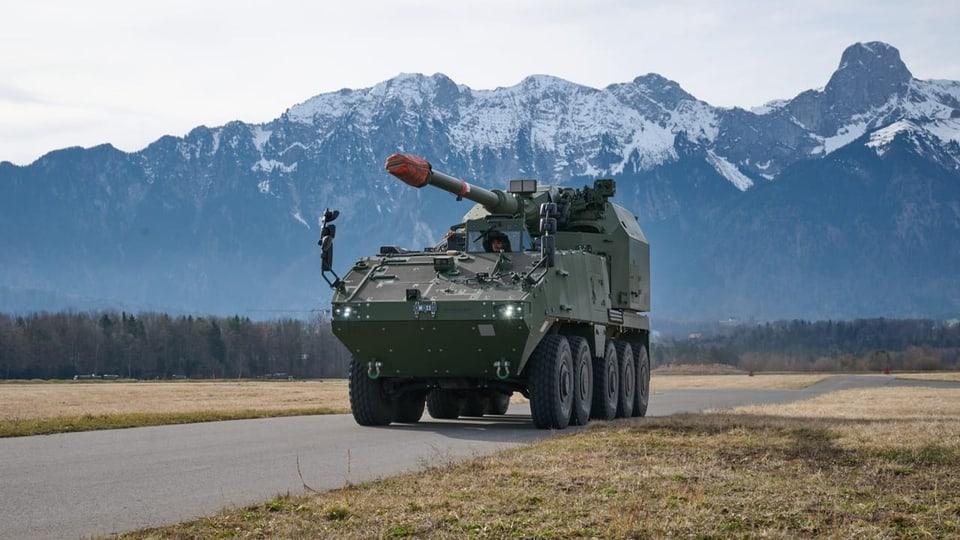
The Swiss armed forces have announced a major modernization of their artillery capabilities with the purchase of new systems from Germany. The upgrade will replace the long-serving M109 self-propelled howitzers, which have been in operation since the 1960s.

The contract was signed with KNDS Germany, according to Switzerland’s Federal Armaments Office, Armasuisse. The new AGM Artillery Gun Module will be mounted on a Swiss carrier platform, forming the core of the country’s next-generation artillery system.

Under the procurement plan, Switzerland will acquire one prototype unit and 32 production systems. The agreement also covers ammunition logistics, training programs, simulation systems, spare parts, technical documentation, and specialized tools required for long-term operation and maintenance.

The prototype is scheduled for completion in 2027, with testing expected the following year. Full delivery of the artillery systems is planned to begin in 2031, marking a long-term transition to modernized ground firepower.

Officials state that the new artillery system will significantly improve speed, precision, and operational efficiency. Advanced sensor technology, digital targeting systems, and automated processes are expected to enhance battlefield awareness and response capabilities.

The procurement is part of the Swiss Armed Forces Dispatch 2025, which was approved by the Federal Council and submitted to Parliament. The plan includes funding of CHF 1.7 billion for multiple defense projects aimed at strengthening national security.

However, Parliament rejected an additional CHF 1 billion request intended for air defence ammunition, reflecting ongoing debates over defence spending priorities.

Authorities cited the deteriorating security situation in Europe as a key reason for the investment. Defence officials emphasized the importance of maintaining readiness and closing capability gaps in the armed forces.

Swiss Defence Minister Martin Pfister stated that the modernization effort is essential to ensure Switzerland remains prepared for a wide range of potential threats in an increasingly uncertain global environment.

The new artillery system represents one of the most significant upgrades to Switzerland’s ground forces in decades, reinforcing the country’s long-term defence strategy.

Swiss Air Force Extends Life of F/A-18 Fighter Jets.

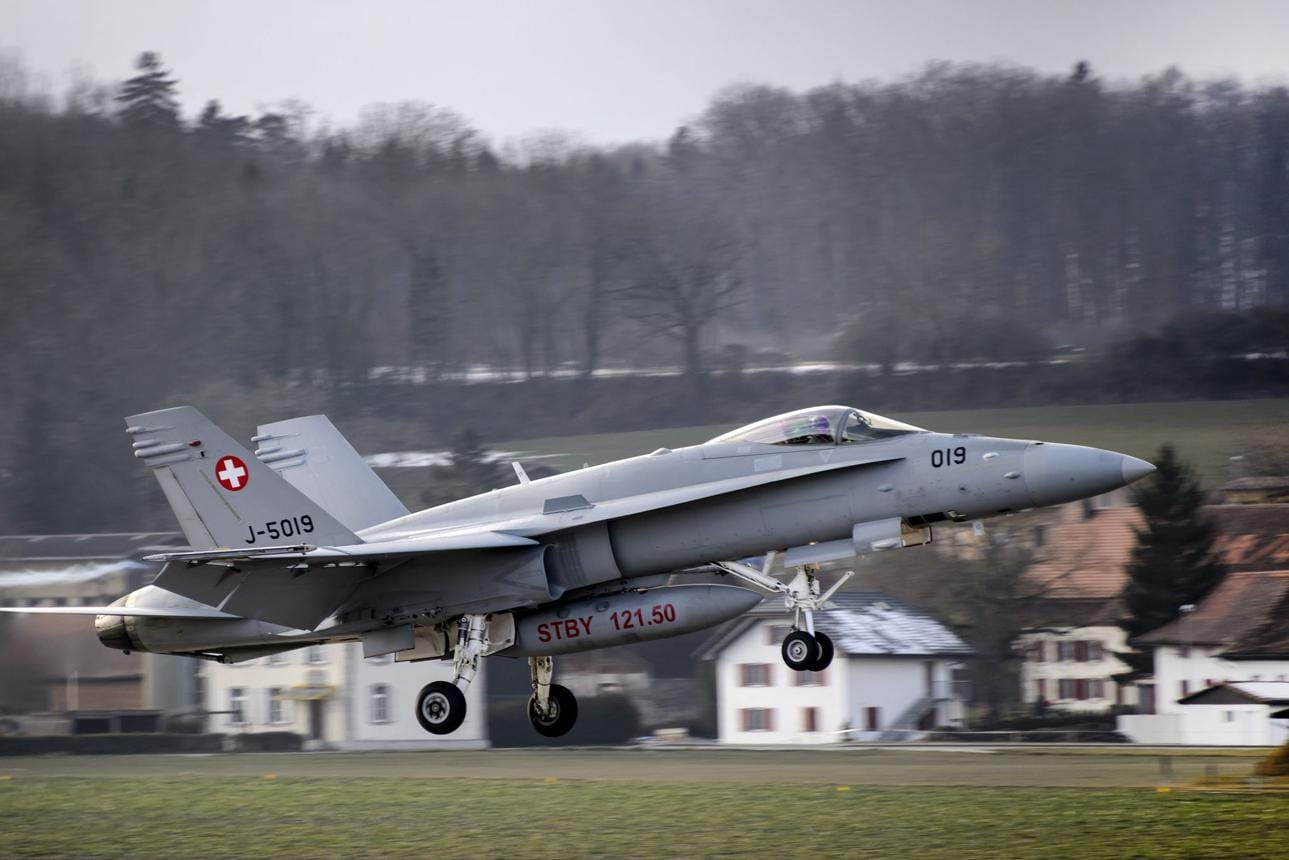
The Swiss Air Force has successfully completed a major inspection and refurbishment program for its fleet of F/A-18C/D fighter jets, extending their operational life until the next generation of aircraft enters service.

According to the Federal Armaments Office (Armasuisse), structural inspections and refurbishment work on all 30 F/A-18 fighter jets were completed at the end of April 2026. The upgrades will allow the aircraft to continue operating safely and effectively for several more years.

The extension is designed to bridge the gap until Switzerland’s new F-35A fighter jets are fully introduced into service during the early 2030s. Regular maintenance and periodic inspections will continue to ensure the aircraft remain mission-ready.

The Swiss Parliament approved CHF450 million for the life-extension project as part of the 2017 Armed Forces program. The initiative was carried out through cooperation between Armasuisse, the Swiss Air Force, Ruag, and several industry partners.

The modernization program was implemented in multiple phases. One of the most significant milestones was completed in 2021 with the installation of advanced communication, navigation, and identification systems, improving the aircraft’s operational capabilities.

Originally, the F/A-18 fleet was expected to be retired by 2025. However, delays in the transition to the new F-35A fleet made the extension necessary to maintain Switzerland’s air defense capabilities.

The project ensures that Switzerland can continue to protect its airspace while preparing for the arrival of its future generation of fighter aircraft. The successful completion of the maintenance program represents an important step in maintaining national security and operational readiness during the transition period.

With the upgraded F/A-18 fleet remaining active, the Swiss Air Force will continue to play a vital role in air policing, national defense, and security operations until the F-35A aircraft become fully operational.

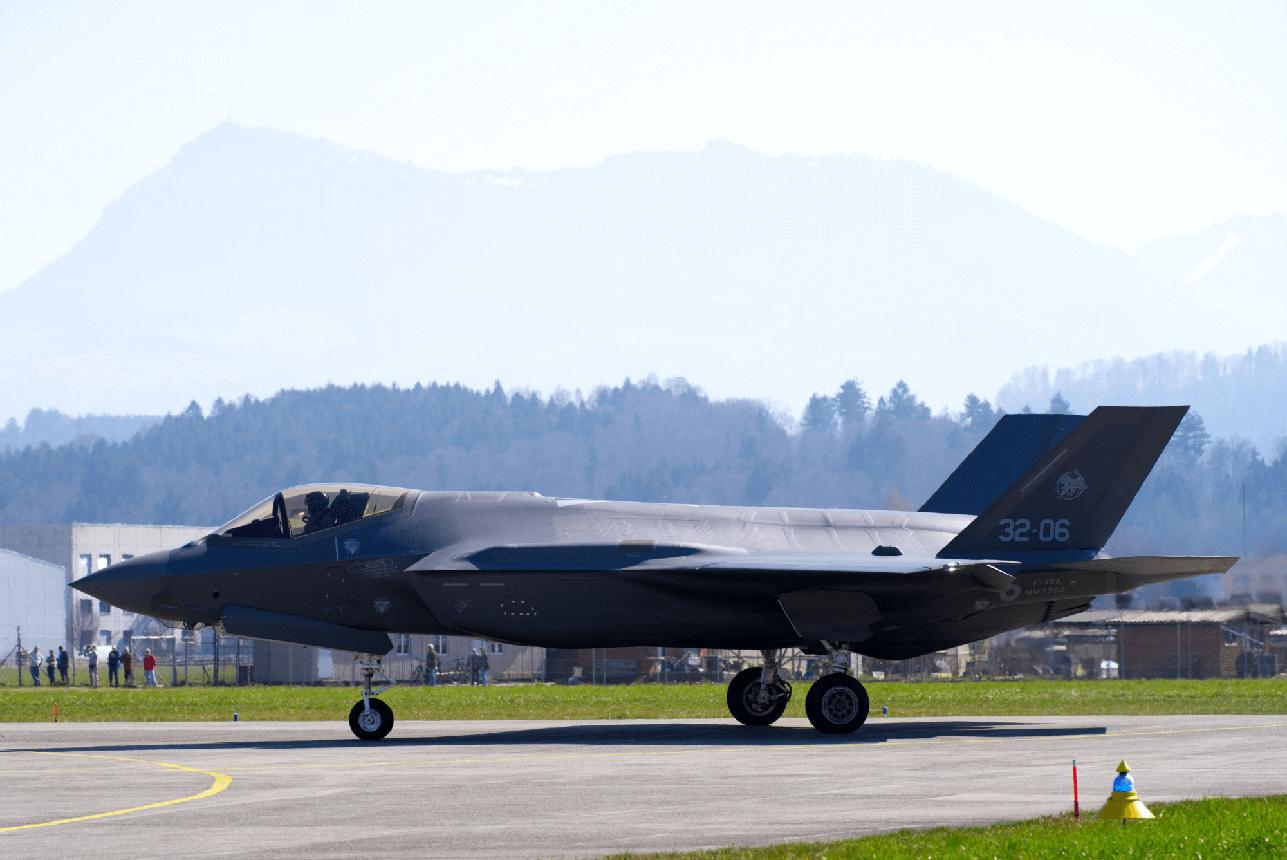
Switzerland’s First F-35 Jet Assembled.

Switzerland has reached a major milestone in its defence modernization program as assembly begins on its first F-35 fighter jet at the Lockheed Martin production facility in Georgia, United States. The development marks the start of physical production for Swiss-bound aircraft under the country’s new air defence procurement plan.

According to armasuisse, production of key components for Switzerland’s F-35 fleet has already started, with further assembly stages planned over the coming months. The global production chain involves more than 2,100 subcontractors, highlighting the international scale of the fighter jet program.

The first batch of eight F-35 aircraft will initially be used for pilot training purposes in the United States. Swiss pilots are expected to begin training with these jets in Arkansas from mid-2027, allowing them to gain operational experience before the aircraft are delivered to Switzerland.

Full delivery of the fighter jets to Switzerland is scheduled to begin approximately one year after the training phase starts. Additional aircraft will be completed and delivered from the final assembly line located in Cameri, Italy, ensuring a structured rollout of the fleet.

The F-35 program represents a significant upgrade for the Swiss Air Force, strengthening the country’s long-term air defence capabilities through advanced stealth technology, modern avionics, and multinational production cooperation.

Switzerland Patriot System Costs May Double Amid Delays.

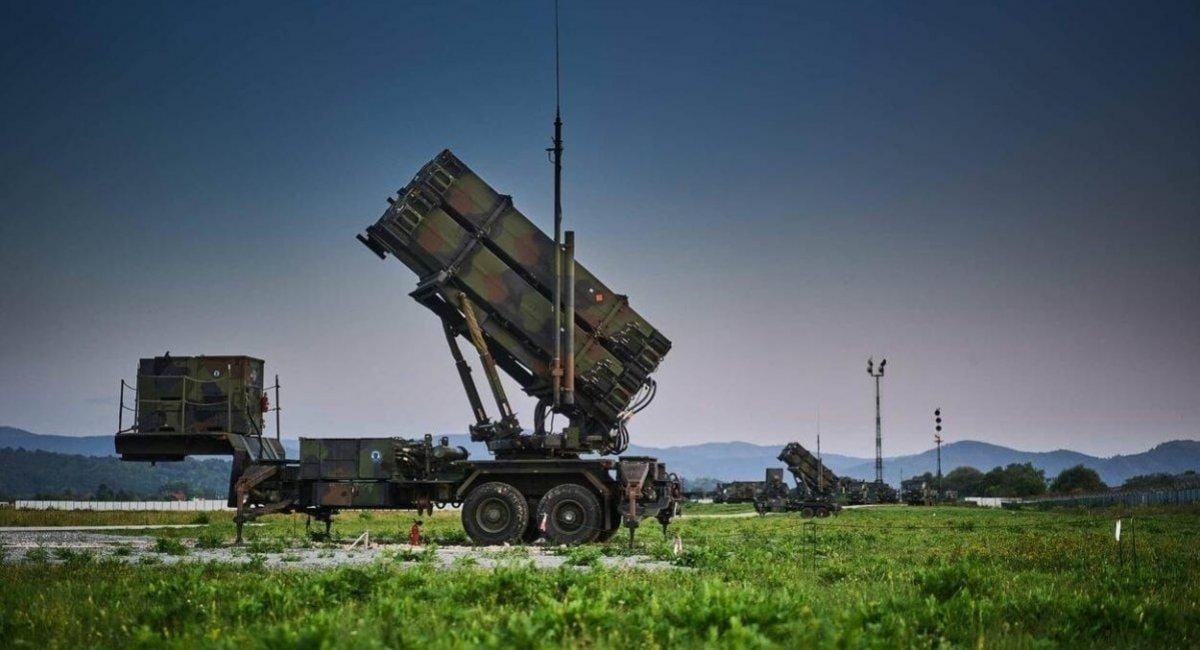
Switzerland is facing significantly higher costs and delays in its planned procurement of the US-made Patriot air defence system, according to reports from Swiss media outlets Tamedia and CHMedia.

The system, originally ordered for around CHF 2.3 billion, may now cost up to 50% more or even double, according to estimates cited by officials. A spokesperson from the Federal Office for Armaments (armasuisse) confirmed that expected additional costs are currently in the range of “50% plus,” although they did not confirm a full price doubling.

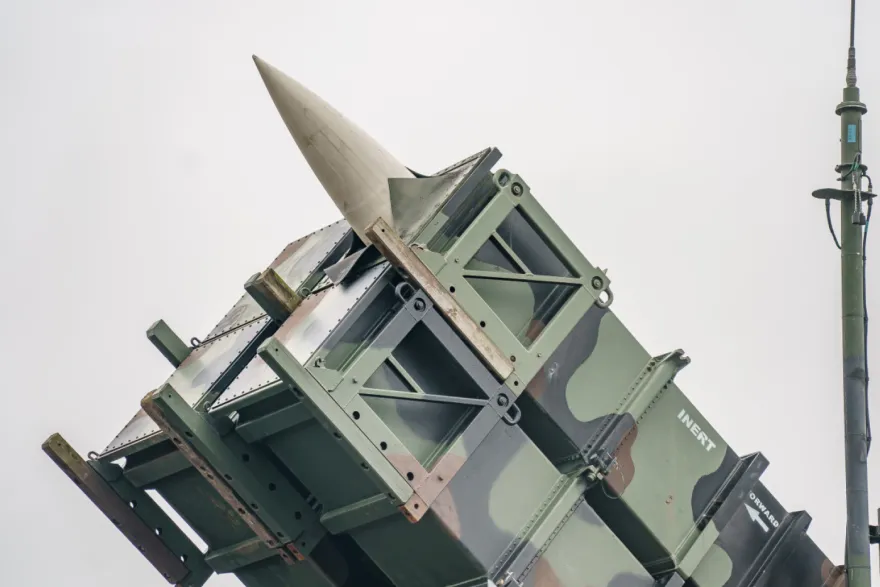
The Patriot system, developed by Raytheon, is a key component of Switzerland’s planned long-range air defence capability. However, its delivery timeline has been significantly disrupted.

Officials report that deliveries have already been delayed by several years due to global supply chain pressures and increased demand linked to the war in Ukraine. Media reports suggest that ongoing conflicts, including tensions in Iran, could cause further delays in production and deployment schedules.

Following the latest developments, the Swiss government has confirmed that procurement timelines will be pushed back by five to seven years, while overall costs are expected to rise substantially.

In April, the Swiss government decided to temporarily halt payments for the system. The Federal Council also stated that it has not ruled out cancelling the purchase entirely and instead considering alternative missile defence systems from European suppliers.

The government is expected to review options and make a final decision on the future of the project later this summer, as Switzerland reassesses its long-term air defence strategy.

Switzerland Evaluates New Air Defence Systems.

The government of Switzerland has started evaluating alternative air defence systems to strengthen national security and modernize its military capabilities.

According to Armasuisse, officials have contacted authorities in Germany, France, Israel, and South Korea. In addition, five major defence manufacturers have also been approached to provide technical and strategic information.

Armasuisse has sent formal “requests for information” to these countries and companies. The evaluation focuses on key factors such as:

  • Delivery timelines
  • Overall costs
  • System performance
  • European production share

Officials have emphasized that local or European production—preferably within Switzerland—would be a major advantage.

This move reflects Switzerland’s effort to reassess its defence strategy amid evolving global security challenges. By comparing multiple systems, the government aims to identify the most effective and reliable solution.

Authorities will review the responses from partner countries and manufacturers before making any procurement decisions. The final choice will depend on operational efficiency, affordability, and long-term strategic value.