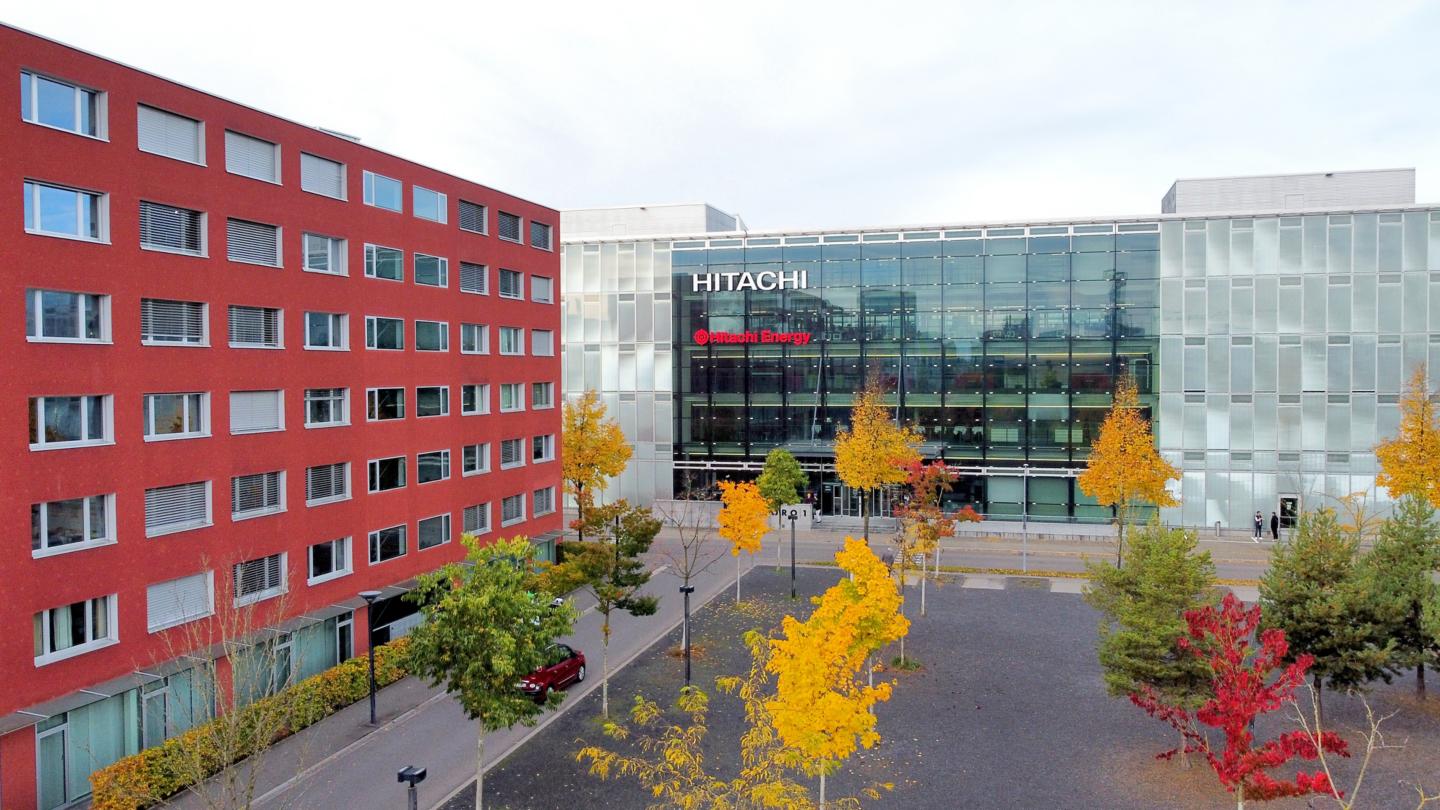
Hitachi Energy to Build New Swiss Headquarters Near Zurich

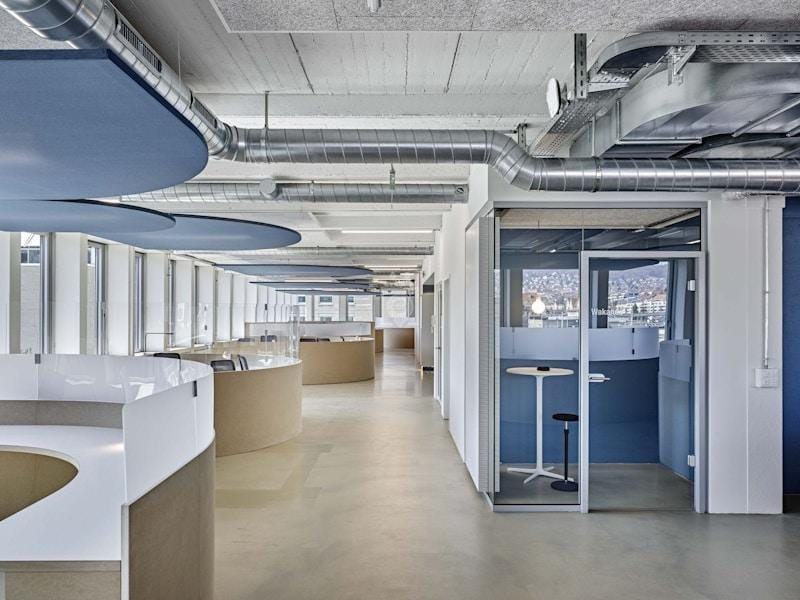
The technology group Hitachi Energy is set to establish its new Swiss headquarters in Otelfingen, located in the canton of Zurich, marking a significant investment in Switzerland’s industrial and technology sector.

According to a statement from the Otelfingen municipal council, the decision has been warmly welcomed locally, as the project is expected to bring substantial economic benefits to the region.

The new headquarters will be developed on the site of the former Jelmoli distribution centre and surrounding areas, covering approximately 11 hectares of land. The large-scale development highlights Hitachi’s long-term commitment to expanding its operations in Switzerland.

A key feature of the project is the creation of up to 3,000 jobs, which is expected to strengthen the local labor market and attract skilled professionals to the region. This development is seen as a major boost for the Zurich metropolitan area.

The municipality of Wettingen in the canton of Aargau had also competed for the project, hoping to secure the investment and associated tax revenues. However, Hitachi ultimately chose Otelfingen, meaning the economic benefits will now flow into the canton of Zurich instead.

Officials view the project as a strategic win for the region, reinforcing Zurich’s position as a key hub for international technology and energy companies.

The development also reflects Switzerland’s continued attractiveness for global corporations seeking stable infrastructure, skilled labor, and strong economic conditions.


Swiss Asset Management Industry Becomes Third Largest in Europe

Switzerland’s asset management industry has reached a new record high in 2025, strengthening its position as the third largest in Europe after the United Kingdom and France.

According to the Asset Management Association Switzerland (AMAS), total assets under administration rose by 8% year-on-year to CHF3.73 trillion (around $4.67 trillion). The growth highlights the continued strength and international relevance of Switzerland’s financial sector.

AMAS director Adrian Schatzmann stated that the industry remains resilient and strategically important for the Swiss financial centre. He emphasized that Switzerland continues to play a key role in global investment flows despite increasing international competition.

A recent study conducted with consulting firm Zeb identifies several key drivers behind the sector’s growth. These include the expansion of private markets, financial innovation, and improved access to international investors.

One notable trend is the increasing role of foreign clients in Switzerland’s asset management industry. According to the report, approximately one-third of all assets under management in the country originate from international investors, underlining Switzerland’s strong global appeal.

Experts suggest that continued innovation and diversification will be essential for maintaining competitiveness in the evolving European financial landscape. The rise of private markets and cross-border investment opportunities is expected to further strengthen Switzerland’s position in the coming years.

With steady growth and strong international participation, Switzerland’s asset management sector continues to solidify its reputation as a leading global financial hub.

Swiss Women Prioritise Financial Security Over Investment Returns, Study Finds.

A new study has revealed that women in Switzerland place a stronger emphasis on financial security than on high investment returns or wealth accumulation when managing their money.

The findings come from the “Women’s Perspectives 2026” study conducted by UBS in collaboration with the research institute gfs.bern. According to the report, an overwhelming 94% of women say that money provides them with a sense of security in daily life.

When it comes to investing, 57% of women prioritise financial stability, while only 34% focus on wealth accumulation and 21% prioritise high returns. The results highlight a clear preference for lower-risk financial decisions.

More than half of the women surveyed (56%) also reported that they occasionally worry about whether they are making enough financial provision for the future. Researchers note that financial concerns play a significant role in everyday decision-making.

Cloé Jans, Senior Project Manager at gfs.bern, explained that many women still feel they lack sufficient funds to begin investing. She noted that while financial awareness is present, active investment behaviour remains limited for many respondents.

The study also found that almost 30% of women do not actively seek information about investments. Among those who do, bank advisors are the most trusted source, cited by 40% of respondents. However, there are generational differences: older women prefer professional advisors, while younger women rely more on friends and social networks.

Despite these concerns, the majority of women (82%) rate their personal financial management as good or very good.

Healthcare costs were identified as the biggest financial burden, with 46% of respondents naming health insurance premiums among their top financial concerns. These costs ranked higher than taxes and housing expenses in household budgeting.

The study surveyed 2,037 people across Switzerland, including 1,014 women, between December 2025 and January 2026, and is considered representative of the Swiss population.

Overall, the findings highlight how financial security, rather than aggressive investment strategies, continues to shape women’s financial behaviour in Switzerland.

Why Gstaad Is Now Europe’s Most Expensive Alpine Property Market.

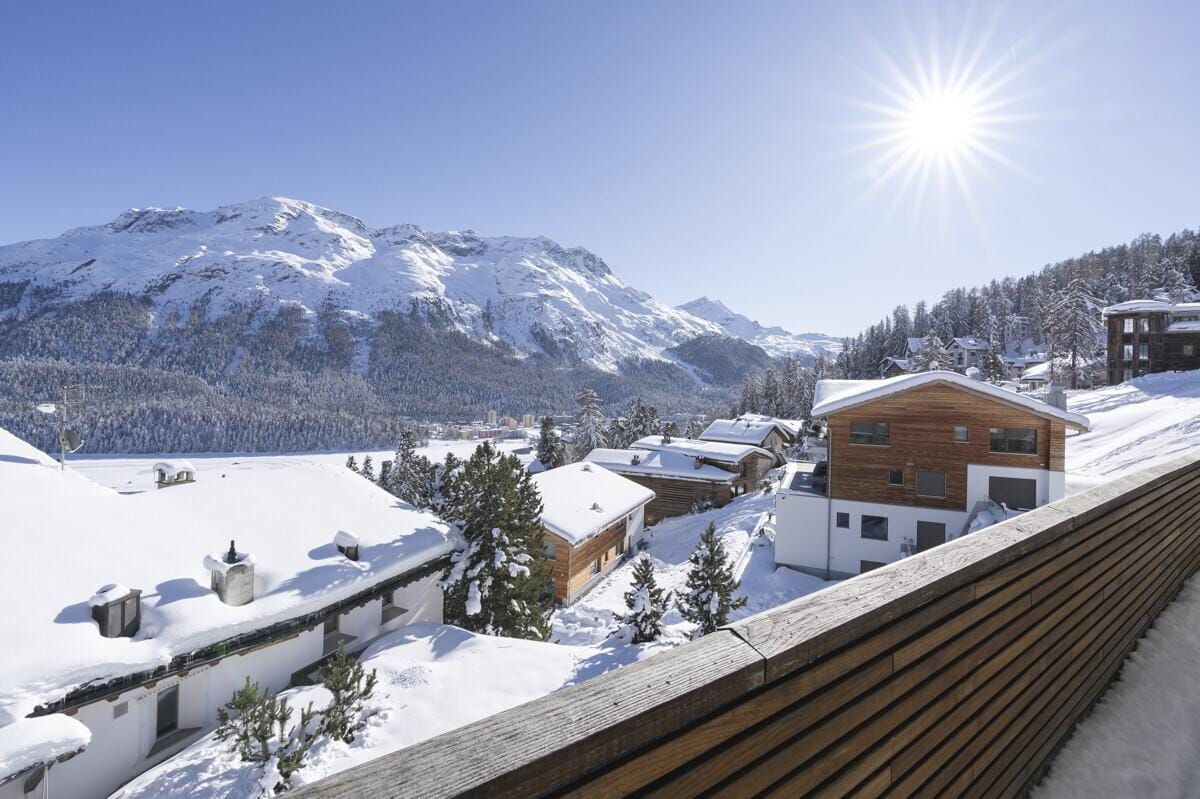
Switzerland continues to dominate the European Alpine holiday home market, with Gstaad securing the position as the most expensive mountain resort for luxury properties. According to a recent UBS study, premium chalets and apartments in Gstaad now average around CHF 25,000 per square metre, making it the highest-priced Alpine destination in Europe.

Engadin/St. Moritz follows closely with average prices reaching CHF 24,000 per square metre. Other prestigious Swiss destinations including Verbier, Andermatt, and Zermatt complete the top five rankings, with luxury properties starting at approximately CHF 21,000 per square metre. The findings highlight Switzerland’s continued strength in the luxury real estate sector.

Outside Switzerland, France’s Courchevel ranks as the most expensive foreign Alpine resort, with property prices averaging around €20,000 per square metre. Austria’s Kitzbühel follows at approximately €16,000, while Italy’s Cortina d’Ampezzo records average prices of about €13,000 per square metre.

The Alpine property market continues to benefit from growing tourism, major international sporting events, and improved financing conditions. Across Europe’s mountain resorts, holiday apartment prices increased by nearly 4% over the past year. Switzerland and Italy recorded the strongest growth rates, approaching 6%, while Austria experienced a recovery with growth exceeding 3%.

Remote working trends are also driving demand for mountain properties. Younger professionals increasingly seek flexible lifestyles that combine work and nature. At the same time, rising temperatures in urban areas have made cooler Alpine destinations more attractive for both investors and homeowners. Longer life expectancy and demand from retirees further support the market’s growth.

Industry experts expect Swiss Alpine property values to continue rising in the coming years. Switzerland remains highly attractive due to its economic stability, strong currency, investor confidence, security, privacy, and favorable tax environment. These advantages continue to position Swiss mountain resorts among the most sought-after real estate destinations in Europe.

Swiss Crowdfunding Market Grows for First Time Since 2021 Driven by Crowdlending Surge

Switzerland’s crowdfunding sector has returned to growth in 2025 after three consecutive years of decline, signaling renewed investor confidence in digital financing platforms. According to the latest “Crowdfunding Monitor Switzerland” report by Lucerne University of Applied Sciences and Arts (HSLU), the total volume of funds raised through online platforms increased by 14% to CHF629 million (around $800 million).

The market had previously peaked at nearly CHF792 million in 2021 before experiencing a steady decline. The recent recovery is mainly driven by strong performance in the crowdlending segment, which now accounts for approximately 75% of the total crowdfunding volume in Switzerland.

CHF 629 million = 629000000 CHFCHF\ 629\ million\ =\ 629\,000\,000\ CHFCHF 629 million = 629000000 CHF

Experts explain that stricter banking regulations introduced in 2025 played a key role in boosting alternative financing channels. Swiss banks are now required to hold more capital against riskier property loans, making traditional lending more expensive and less flexible. As a result, businesses and individuals are increasingly turning to crowdlending platforms for faster and more accessible financing options.

The report also highlights a broader recovery across other crowdfunding segments. Crowdsupporting and crowddonating platforms recorded growth for the first time since 2020. Crowddonating, which supports charitable, cultural, and social initiatives, and crowdsupporting, where contributors receive rewards such as products or services, together increased significantly in 2025.

Sports and health-related projects were among the most successful categories, contributing to a total combined volume increase of 30% to CHF35 million. Meanwhile, real estate crowdlending showed particularly strong expansion, rising by 38% to CHF275 million, making it one of the most important growth drivers in the sector.

Researchers from HSLU noted that the annual “Crowdfunding Monitor Switzerland” plays a key role in tracking market trends and improving transparency within the financial ecosystem. The study helps identify emerging investment behaviors and highlights how regulatory changes continue to shape Switzerland’s digital finance landscape.

Switzerland Banking Safety: Which Bank is Best for Savings?

Choosing a safe and reliable bank for savings in Switzerland is an important financial decision, especially for residents and expats looking for long-term security. Swiss banking is globally known for stability, strong regulation, and high trust levels, but some banks are considered safer and more practical for savings than others.

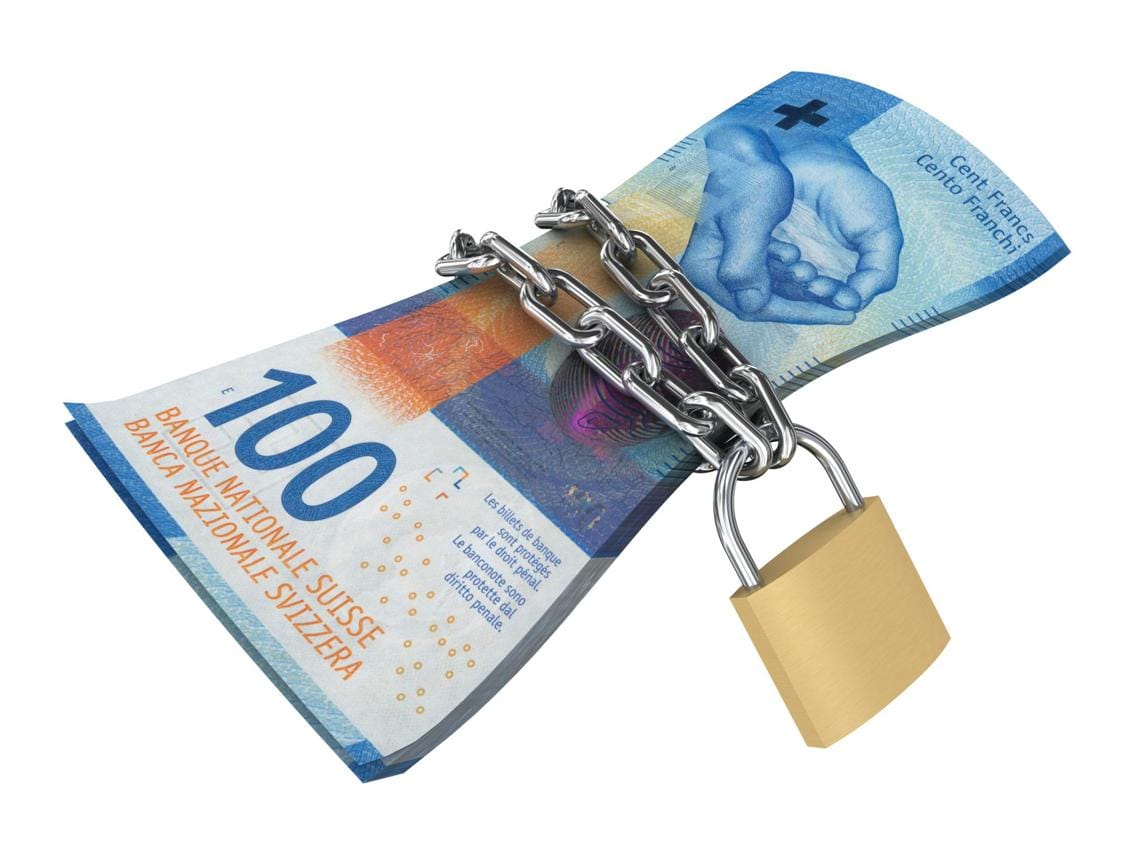
Among all banking options, Cantonal Banks are widely regarded as the most secure choice. These banks are backed by the individual cantons (regional governments), which adds an extra layer of financial protection beyond the standard Swiss deposit insurance system. In Switzerland, deposits are generally protected up to CHF 100,000 under the esisuisse guarantee scheme.

One of the strongest examples is the Zürcher Kantonalbank. It is considered one of the safest banks in the country because it has full backing from the Zurich canton government. This strong government guarantee, combined with high financial ratings, makes it a preferred option for conservative savers.

Another popular choice is Raiffeisen Switzerland. It is known for its community-based banking model and stable operations across the country. Many users choose Raiffeisen for its balance between safety and competitive savings interest rates.

The global banking giant UBS is also widely used in Switzerland. While it offers strong international services and wealth management solutions, its deposit protection follows the standard Swiss system without additional cantonal guarantees.

Additionally, PostFinance is considered a conservative option with government-linked trust perception, making it a popular choice for everyday savings and transactions.

Financial experts in Switzerland often recommend diversifying savings across multiple banks if deposits exceed CHF 100,000. This is because spreading funds reduces risk exposure and ensures full protection under Swiss deposit insurance rules. A common strategy includes splitting funds between Zürcher Kantonalbank, Raiffeisen, and investment platforms.

For residents in Zurich, Zürcher Kantonalbank is often seen as the most practical and secure choice due to its strong government backing, lower fees, and stable reputation in the Swiss financial system.

Global Gold Prices Surge Sharply in International Market.

Global gold and silver prices recorded a sharp increase in the international market today (March 29, 2026). This sudden surge reflects growing investor demand and ongoing economic uncertainty across global financial markets.

According to the latest reports, the price of one ounce of gold has reached $4,493.79, marking a significant rise compared to previous trading sessions. Analysts state that geopolitical tensions and inflation concerns continue to drive investors toward safe-haven assets like gold.

At the same time, silver prices also experienced a strong upward movement. One ounce of silver is currently trading at $69.77, showing increased demand in both industrial and investment sectors.

Over the past few days, domestic gold prices have fluctuated due to these global trends. Experts predict that jewelry gold prices may continue to change in the coming days, especially as international market volatility remains high.

Furthermore, economists highlight that currency fluctuations and global trade uncertainty play a major role in influencing precious metal prices. As a result, both investors and consumers are closely monitoring market developments.

India’s Luxury Market Faces Mall Shortage

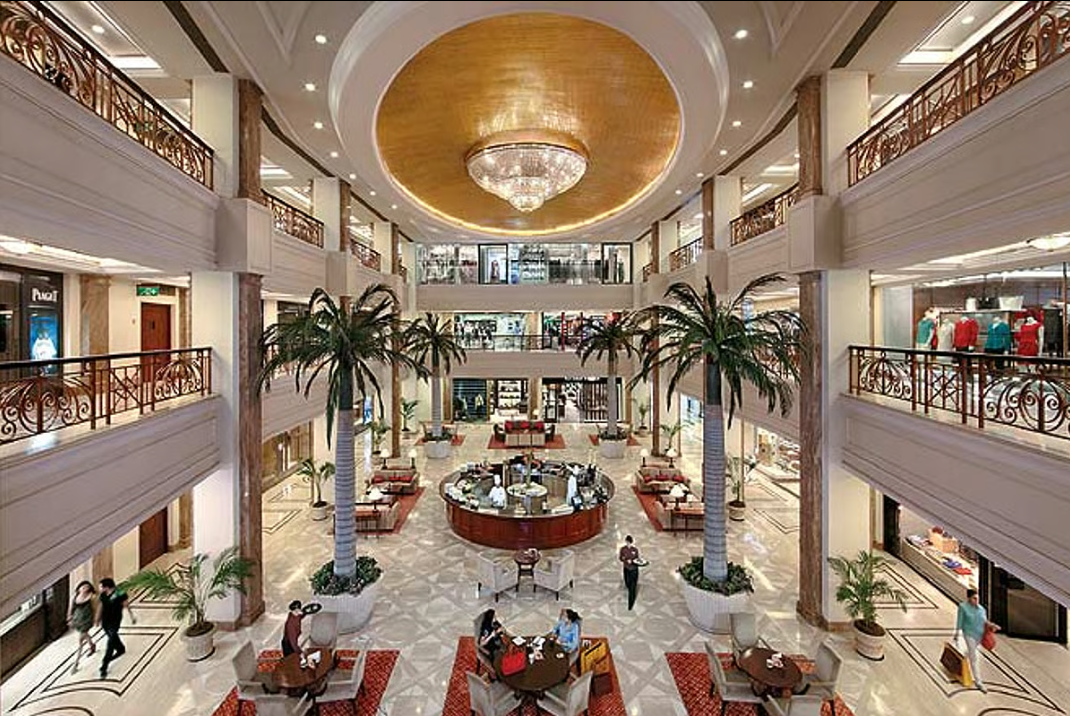
India’s luxury market is expanding rapidly, driven by rising disposable income and growing demand for premium products. However, the country faces a major challenge — a shortage of world-class luxury shopping malls. This infrastructure gap is slowing down the growth of the high-end retail sector.

Global brands such as Louis Vuitton, Gucci, and Dior are ready to expand their presence in India. They see strong potential in cities like Delhi, Mumbai, and Bengaluru. Yet, these brands struggle to find suitable retail spaces that meet international luxury standards.

Currently, most premium shopping malls in major Indian cities operate at full capacity. Retail spaces designed specifically for luxury brands remain limited. As a result, many international brands delay their entry or expansion plans in the Indian market.

The construction of new luxury malls has not kept pace with demand. High land costs and rising construction expenses have slowed down development projects. Developers also face regulatory challenges, which further delay new investments in premium retail infrastructure.

This shortage has created a clear infrastructure gap in India’s luxury ecosystem. Without sufficient high-end retail spaces, the country cannot fully benefit from its growing luxury market. Experts believe that improving infrastructure will unlock significant economic opportunities.

If India addresses this issue, it can attract more global brands, increase foreign investment, and strengthen its position in the global luxury market. The future of India’s luxury sector depends heavily on how quickly it can build world-class retail environments.