


Switzerland Approves Plan to Strengthen Support for Violence Victims.

The Swiss House of Representatives has approved a new reform aimed at significantly improving support for victims of violence across the country. The proposal was backed by 139 votes to 55 and forms part of Switzerland’s broader efforts to address rising cases of violence against women.

The approved measures guarantee better access to forensic medical care and expand emergency accommodation services nationwide. Lawmakers emphasized that victims should receive independent medical documentation of injuries, even if no immediate criminal complaint is filed.

Under the new framework, forensic evidence will be collected and preserved independently of criminal investigations. This approach allows victims more time to decide whether they want to pursue legal action. Forensic records will be stored for at least 15 years, while physical evidence will be retained for a minimum of five years.

The reform also aims to address significant regional differences in victim support services across Switzerland’s cantons. Authorities noted that access to emergency shelters currently varies depending on location, creating unequal protection for victims.

Social Democratic Party representative Jessica Jaccoud, speaking on behalf of the parliamentary committee, stressed that access to emergency accommodation should not depend on where a person lives. She highlighted the need for consistent national standards to ensure fair and equal support for all victims.

The new legislation is part of a wider national strategy to strengthen victim protection systems, improve coordination between cantons, and ensure that individuals affected by violence receive timely and reliable assistance.
93-Year-Old Chinese Widow Ordered to Leave Switzerland.

A 93-year-old Chinese woman has been ordered to leave Switzerland despite receiving intensive care from her daughter living in the country.

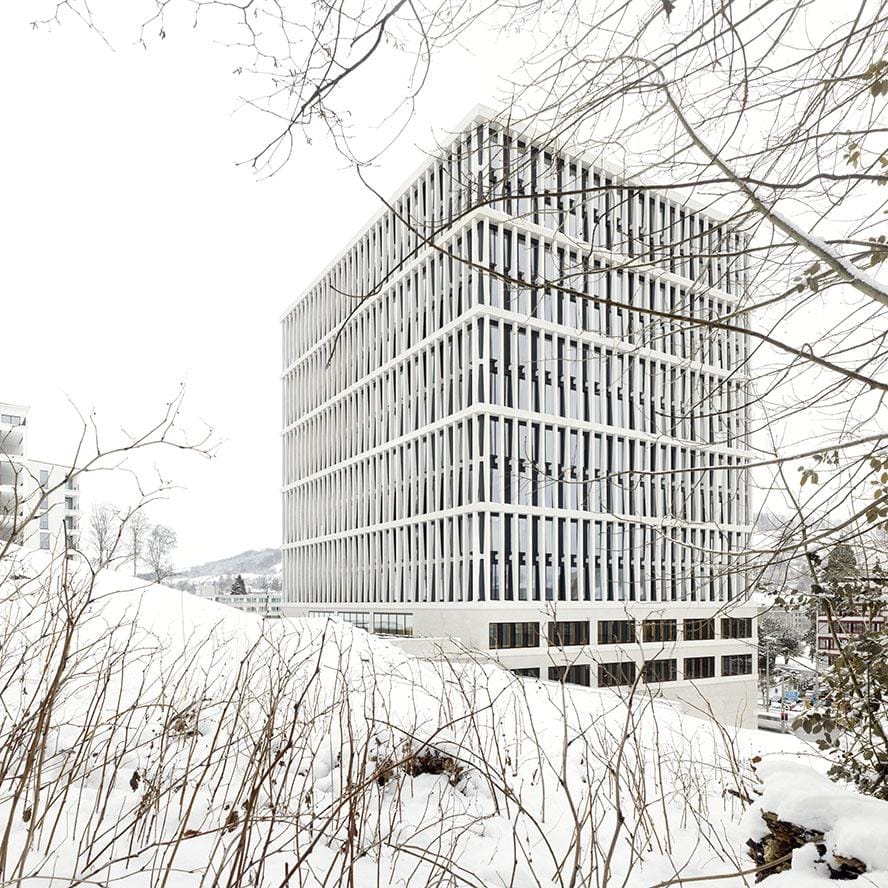
The decision was confirmed by the Bern Administrative Court after authorities ruled that the legal requirements for residency based on family dependency had not been sufficiently proven.

The elderly woman’s daughter, who holds a Swiss passport, lives with her family in the Bern region. In 2018, she travelled to China to care for her seriously ill father.

Following his death, she brought her mother to Switzerland in late 2021 on a visa and later applied for a residence permit on humanitarian and family grounds.

According to the appeal documents, the 93-year-old widow suffers from mild dementia and several age-related health conditions.

Her legal representatives argued that she was emotionally and psychologically dependent on her daughter for daily support and care.

However, the Bern Administrative Court ruled that Swiss immigration law requires proof of an “indispensable dependency” to justify a right to remain in the country for family reasons.

The judges concluded that this level of dependency had not been clearly established in the case.

The court also stated that medical diagnoses such as mild dementia do not automatically guarantee residency rights in Switzerland. Judges further argued that appropriate care could still be arranged in the woman’s hometown of Nanjing in China.

Additionally, the court found that the woman lacked sufficiently strong ties to Switzerland to qualify for a pensioner residence permit.

Authorities also rejected claims of humanitarian hardship, stating that there was insufficient evidence proving that returning to China would result in a premature death.

The woman has been ordered to leave Switzerland before June 17, 2026. However, the case may still be appealed to the Swiss Federal Court, leaving a final legal decision pending.

The ruling has sparked discussion among immigration observers and human rights advocates regarding elderly care, family reunification policies, and humanitarian considerations within the Swiss legal system.

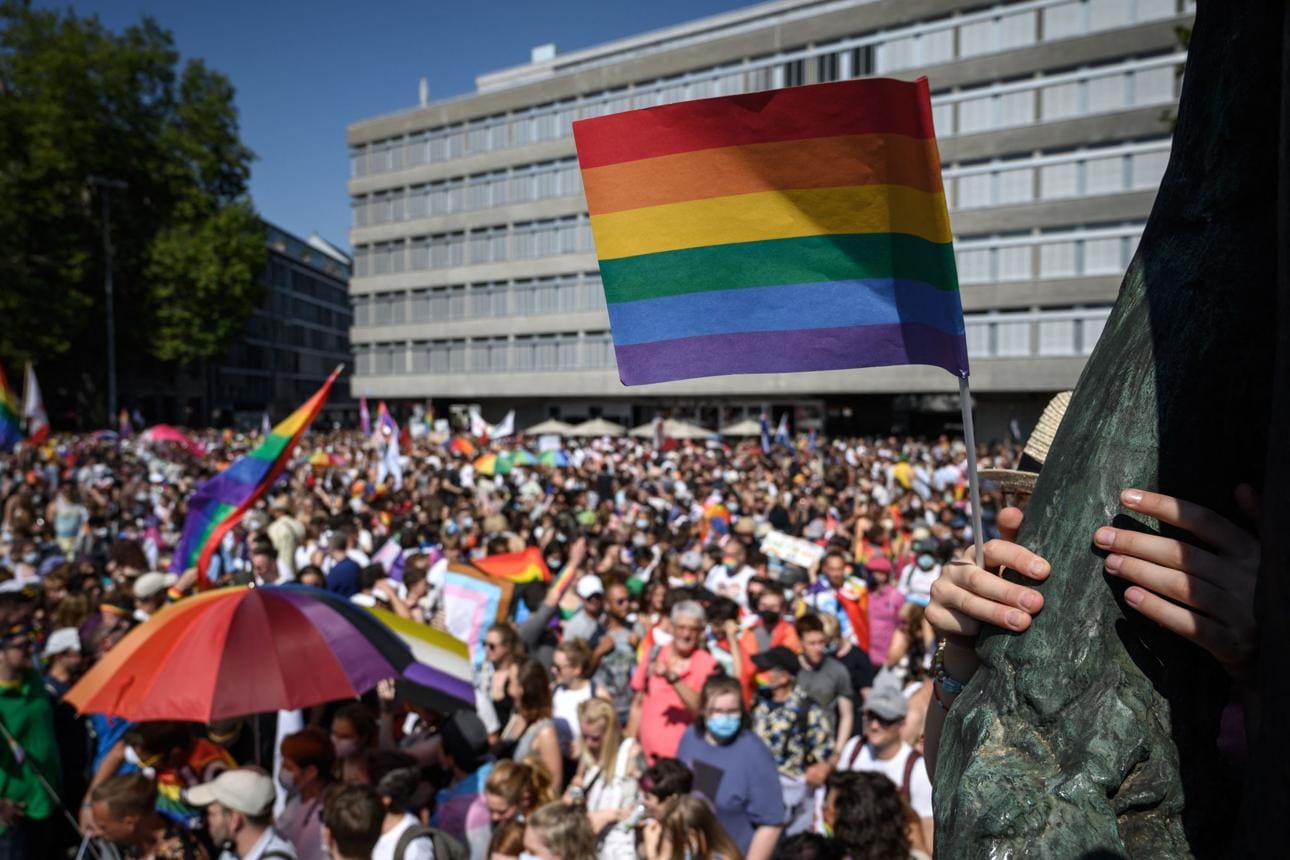
Swiss Report Warns Anti-Queer Violence in Switzerland Is ‘Just the Tip of the Iceberg’

A new report from the Swiss LGBTIQ Helpline has recorded 281 cases of anti-LGBTIQ discrimination and violence over the past year, warning that the real scale of incidents is likely far higher.

The findings were published in the organisation’s eighth annual “Hate Crime” report, which shows that reported cases have remained at a consistently high level, following 309 reports in 2024 and 281 in 2025.

The report states that most incidents occurred in public spaces, where victims frequently experienced verbal abuse, insults, and harassment. Out of all reported cases, 52 involved discrimination and 45 involved physical violence.

A major concern highlighted in the study is that underreporting remains widespread. Only around 10% of hate crime incidents are reported to the police, mainly in cases involving physical violence.

The report also cites a Geneva-based study indicating that more than 80% of LGBTIQ individuals have experienced discrimination or violence in public spaces, reinforcing concerns that the official figures represent only a fraction of actual incidents.

According to the data, nearly two-thirds of victims reported psychological impacts, including anxiety, stress, and long-term emotional distress. Incidents occurring in institutional environments such as schools, workplaces, and healthcare settings were found to have particularly severe consequences.

The organisation warns that the persistence of hate crimes reflects deeper social challenges and calls for stronger reporting mechanisms, improved protection measures, and increased awareness across Swiss society.

The report concludes that anti-LGBTIQ violence remains a significant issue in Switzerland and stresses the need for continued monitoring and policy action.