

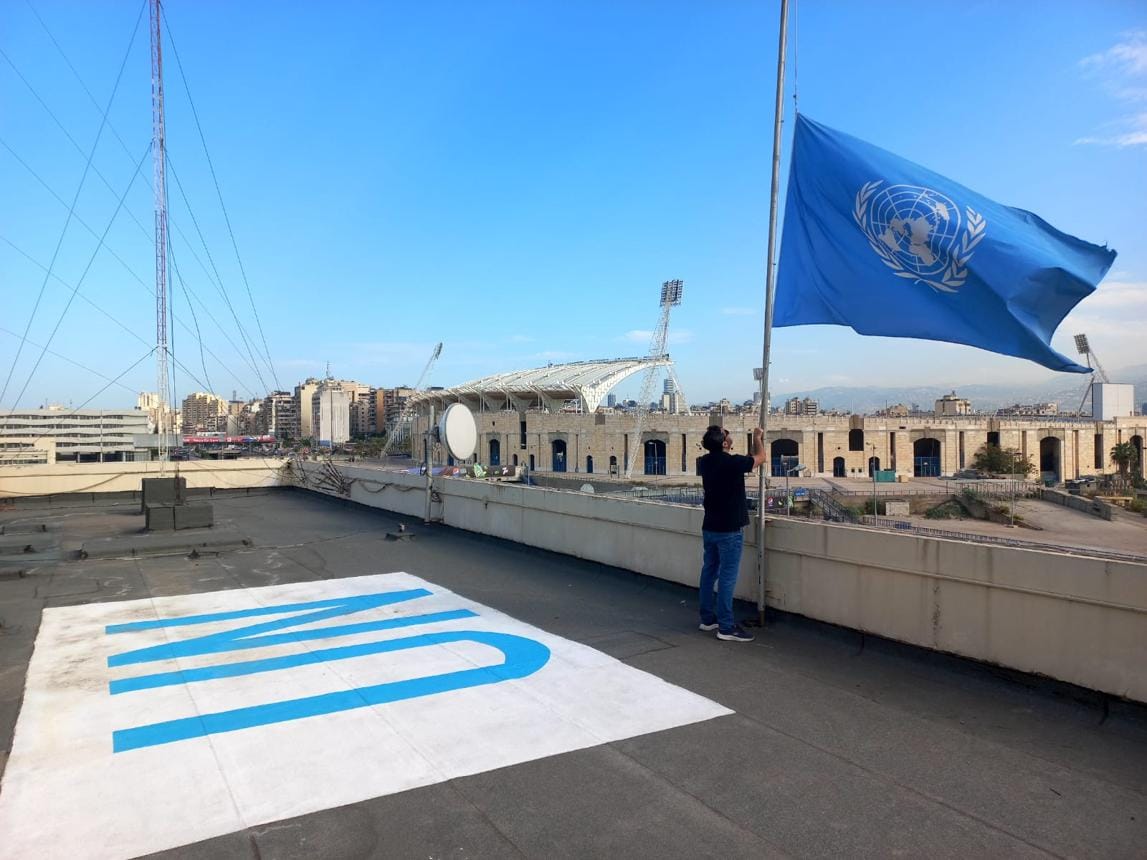
UNRWA Faces Uncertain Future Amid Deepening Crisis

The United Nations Relief and Works Agency for Palestine Refugees (UNRWA) is facing what officials describe as the most serious crisis in its history, with growing financial strain, political pressure, and operational challenges threatening its future.

UNRWA Commissioner-General Philippe Lazzarini warned that the agency is approaching a point where it may become “unviable,” highlighting the severe difficulties it is currently facing.

The agency, based in Geneva, was originally established in 1949 to provide relief services to Palestinian refugees displaced during the 1948 conflict. Over time, it has evolved into a major humanitarian provider, delivering essential health, education, and social services across the Middle East.

Despite its expanded role, UNRWA was intended as a temporary organization until a political resolution to the Israeli-Palestinian conflict was reached. However, the absence of a lasting settlement has led to repeated renewals of its mandate.

Today, UNRWA operates under increasing pressure, particularly in Gaza, where access and operational capacity have been significantly affected by ongoing conflict and political restrictions.

Financial constraints have further intensified concerns, with donor uncertainty and political debates impacting the agency’s ability to maintain essential services for millions of refugees.

The situation has sparked global debate about the future of humanitarian aid structures in the region and whether UNRWA’s responsibilities should be restructured or replaced in the long term.

As the crisis deepens, international stakeholders continue to assess how best to ensure continuity of aid for Palestinian refugees while addressing the agency’s long-standing structural challenges.
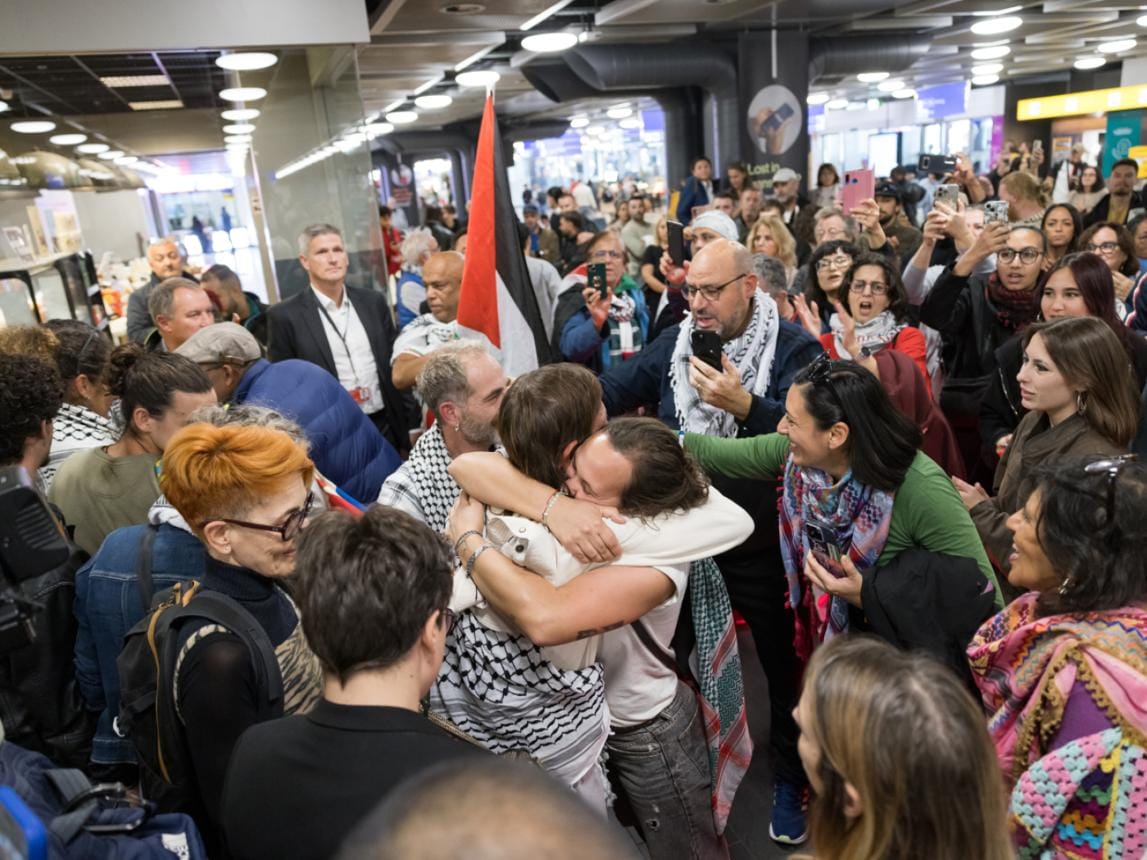
Swiss Gaza Flotilla Activists Return Home.

Seven Swiss participants involved in the international Gaza flotilla mission returned to Geneva on Saturday after being detained by Israeli authorities earlier this week.

The activists arrived at Geneva Airport wearing keffiyehs and were welcomed by family members and supporters, including people who had participated in earlier flotilla missions.

The flotilla boats, which were heading toward Palestinian territory with humanitarian intentions, were intercepted by the Israeli military on Monday. Following the operation, hundreds of participants were reportedly detained aboard ships before later being transferred to detention facilities in Israel.

According to statements made by some of the returning activists, participants experienced physical, psychological, and sexual violence during detention. They described the alleged treatment as extremely serious and called for international attention to the issue.

The activists also criticised the response of the Federal Department of Foreign Affairs (FDFA), accusing Swiss authorities of providing insufficient support during the incident.

One activist stated that Switzerland had been informed in advance about the risks faced by participants but allegedly failed to take stronger diplomatic action. Several supporters present at the airport accused both Swiss officials and sections of the media of failing to adequately address the situation.

Legal and medical support for the activists is now being organised in Switzerland. Lawyer Claire Dechamboux explained that doctors in Lausanne are preparing to assess the physical and psychological condition of the returning participants.

She noted that many of those involved may be traumatised and will require time and professional care before fully discussing their experiences.

The incident has added to growing international debate surrounding humanitarian missions to Gaza, human rights concerns, and diplomatic responses by European governments.