UNICEF: Family Background Strongly Shapes Educational Success in Switzerland

A new analysis by UNICEF shows that children’s educational opportunities in Switzerland are strongly influenced by their social and family background, raising concerns about growing inequality at the start of life.

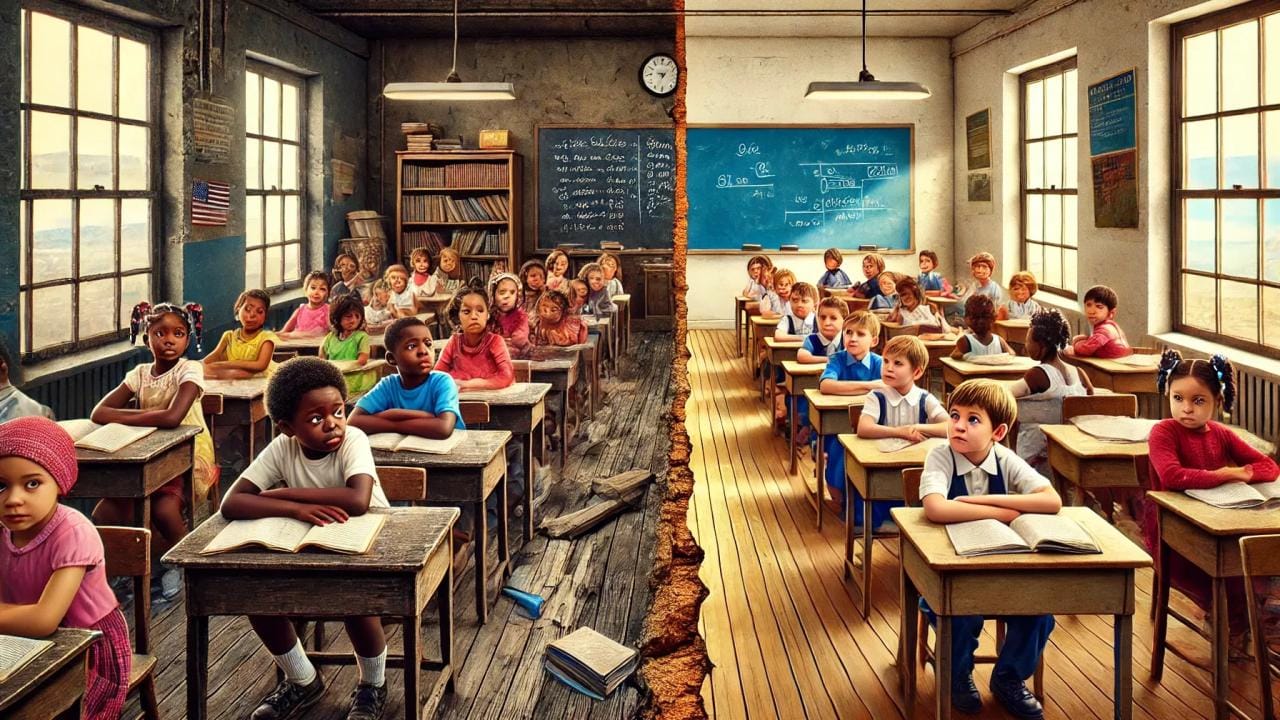
The report highlights that Switzerland remains a country with strong social support systems, but significant disparities persist between privileged and disadvantaged children. In an international comparison, Switzerland is among the countries where the gap in academic performance between these groups is particularly wide.

According to UNICEF, around 91% of children from privileged households achieve basic educational skills, while only 46% of children from disadvantaged backgrounds reach the same level. The organisation states that parents’ education level, financial stability, and ability to provide daily support play a major role in determining outcomes.

The study also finds that inequality extends beyond education. Children from lower-income households report significantly lower life satisfaction compared to their more privileged peers, indicating wider social and emotional impacts.

In terms of lifestyle differences, the report shows that 52% of children from privileged families eat vegetables daily, compared to 43% among disadvantaged children, reflecting broader inequality in health and nutrition.

UNICEF warns that these disparities have been worsening in recent years. Both child poverty and income inequality in Switzerland have increased by more than 10% over the past decade. The organisation notes that Switzerland is among OECD countries experiencing some of the strongest increases in inequality-related indicators.

The findings are based on a UNICEF survey examining child well-being in wealthy nations. The report calls attention to the need for stronger policy measures to reduce inequality and ensure equal opportunities for all children regardless of background.

Why the Swiss School System Stands Out Globally

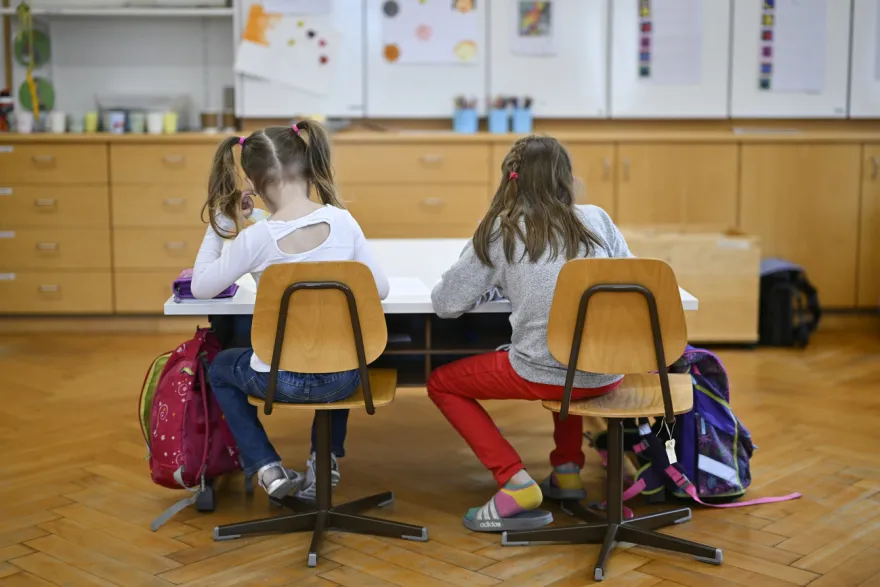
The Swiss education system is widely recognized for its high quality and cost efficiency, making it one of the most trusted public school systems in the world. Experts highlight its strong structure, long-term stability, and decentralized governance as key factors behind its success.

In Switzerland, children typically begin their education at the age of four or five. Public primary education is free and includes eleven years of compulsory schooling, starting with two years of kindergarten. This accessible system ensures equal opportunities for students across the country.

The system consistently performs well in international comparisons. Unlike many other nations, Switzerland has a relatively low percentage of private schools. This reflects the strong confidence citizens place in public education, which is seen as reliable and effective.

According to the Swiss Conference of Cantonal Ministers of Education (EDK), the system has benefited from long-term stability without major disruptions. This continuity has allowed steady improvements and consistent quality over time.

Public trust is also evident in national votes. Swiss citizens have repeatedly rejected proposals allowing unrestricted school choice. During compulsory education, most children attend assigned public schools, although families may opt for private institutions if needed.

Private schools in Switzerland mainly serve as a supplement rather than a replacement for public education. However, in certain areas such as the right bank of Lake Zurich, where many expatriates live, private schools—often offering English-language education—are more common.

A defining feature of the Swiss system is its decentralized structure. Each of the 26 cantons independently manages its education policies, allowing local adaptation and flexibility. This approach strengthens public acceptance and responsiveness to regional needs.

According to an OECD study, around 76% of Swiss citizens are satisfied with their education system—a level surpassed globally only by Finland. This strong approval reflects the system’s ability to balance quality, accessibility, and trust.

Switzerland Chicken Consumption Surge Drives Imports Higher

Chicken consumption in Switzerland has increased significantly over the past few years, reflecting a major shift in dietary habits. Consumers are choosing poultry more frequently, making it one of the most popular meat options in the country.

In 2024, the average per capita chicken consumption reached 15.9 kilograms. This marks a 70% increase compared to the year 2000. While pork consumption has declined and beef remains stable, chicken has gained a dominant position in everyday diets.

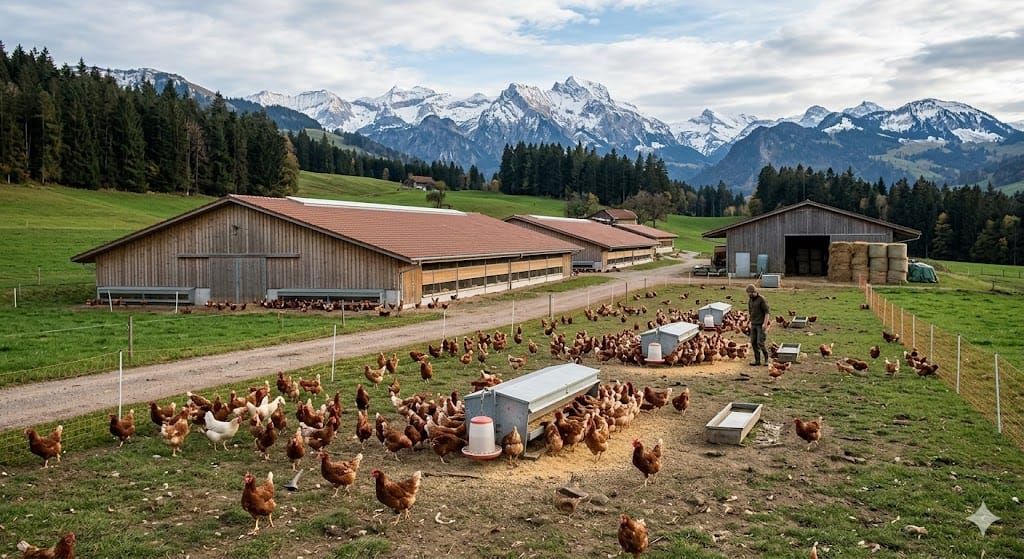
In 2025, more than 82 million chickens were raised for meat production in Switzerland. Despite this large-scale production, domestic supply still falls short of demand. As a result, nearly one-third of chicken meat is imported from countries such as Brazil.

Restaurants and fast-food chains have played a key role in boosting chicken consumption. Chicken-based meals have become increasingly popular, and several international food brands that previously struggled in Switzerland are now succeeding by focusing on poultry offerings.

The growing demand has created new opportunities for local farmers. Many farmers are shifting from dairy production to poultry farming. While dairy farming faces price pressure, poultry farming offers more stable returns and better pricing structures.

This shift indicates a broader transformation in Switzerland’s agricultural sector. Farmers are adapting to changing consumer preferences and market conditions, ensuring a steady supply of poultry products in the future.

The rapid rise in chicken consumption highlights evolving food trends in Switzerland. As demand continues to grow, both imports and local production will play a crucial role in meeting consumer needs.

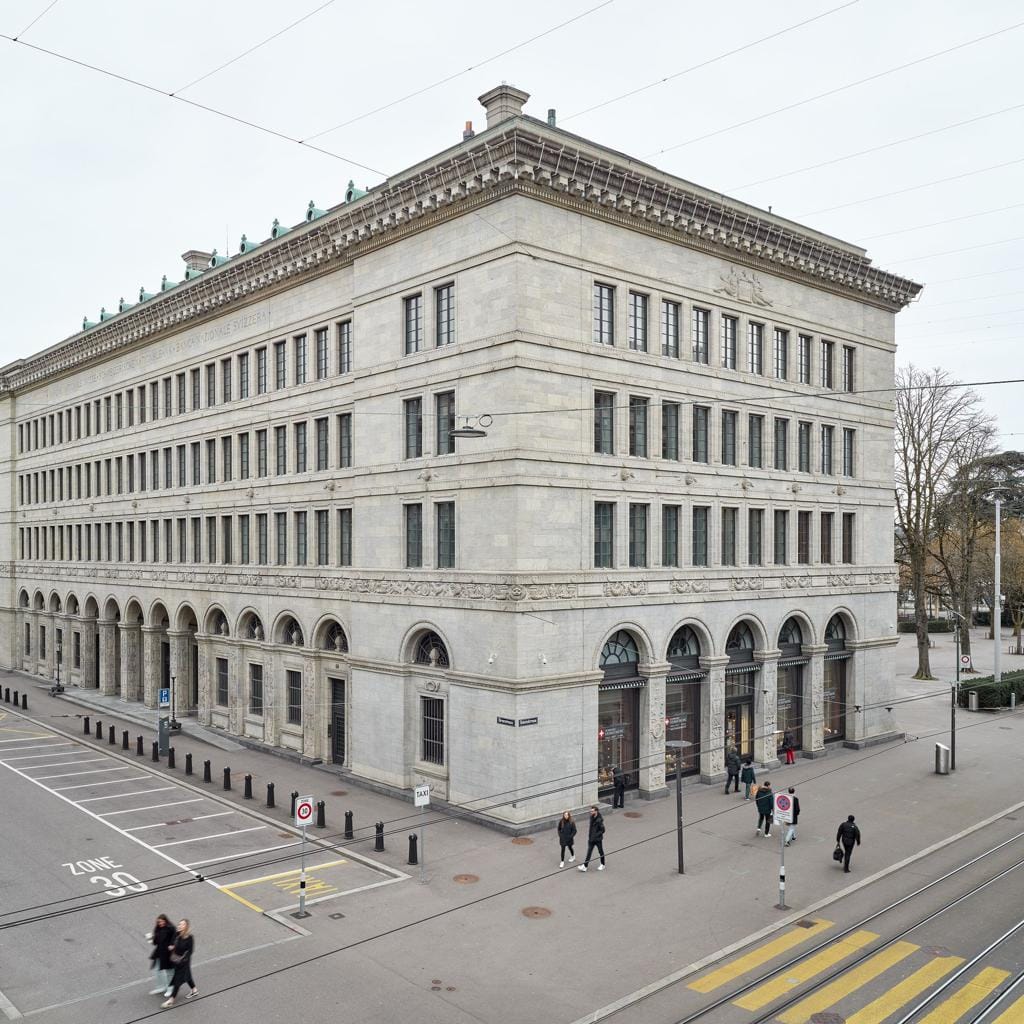
Switzerland Records Lowest Tax Burden in Europe, Says OECD Report.

Switzerland continues to offer one of the lowest tax burdens in Europe, according to a new report by the Organisation for Economic Co-operation and Development. The findings highlight a major financial advantage for residents despite the country’s high cost of living.

The OECD report, released on April 22, reveals that Switzerland ranks among the lowest-taxed countries within its 38 member nations. Only a few countries, including Colombia, Chile, New Zealand, and Mexico, report lower overall tax contributions.

On average, individuals in Switzerland pay around 22.9% of their income in taxes and social security contributions. This figure stands well below the OECD average of 35.1%, making Switzerland the lowest-tax country in Europe.

Families with children enjoy even greater financial advantages. Tax deductions vary across cantons, but dual-income households with two children see their tax burden drop from 22.9% to approximately 17.1%. Larger families benefit from even higher reductions.

Residents can expect additional tax relief in 2026. Local governments across several cantons have approved tax reductions and adjustments linked to lower inflation. These changes aim to reduce financial pressure on households.

Tax savings vary by region. Residents in Geneva can expect savings of at least 1,000 Swiss francs. In Zurich, St. Gallen, Graubünden, and Ticino, savings range between 500 and 1,200 francs. Areas such as Lucerne, Aargau, and Schwyz also report significant reductions.

Several factors explain Switzerland’s low tax rates. The country maintains a very low unemployment rate, allowing more people to contribute to tax revenue. In addition, Switzerland spends less on social welfare programs compared to countries like Sweden, promoting a system where individuals remain financially independent.

For many residents, including members of the Tamil community living and working in Switzerland, these lower taxes provide financial relief. However, experts advise careful financial planning due to the country’s high living costs.

Switzerland’s low tax structure continues to strengthen its economic appeal. With further tax reductions expected in 2026, residents are likely to experience improved financial stability despite rising living expenses.