

Greenpeace Sparks Row Over Swiss Nuclear Plans.

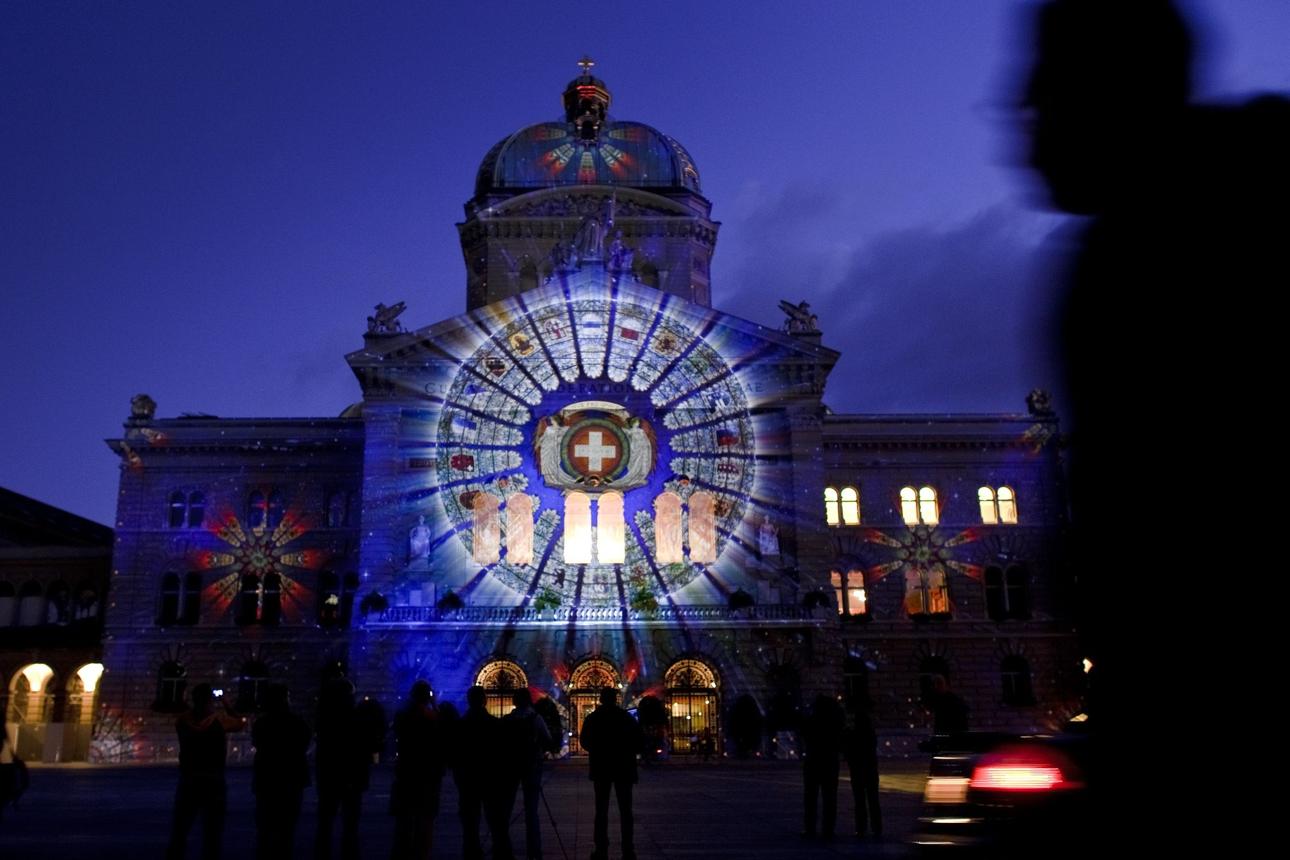
Environmental organization Greenpeace Switzerland staged a striking protest on Monday evening by projecting an image inspired by Edvard Munch’s famous painting “The Scream” onto the Federal Palace in Bern. The action coincided with a parliamentary debate on proposals that could pave the way for the construction of new nuclear power plants in Switzerland.

The protest followed the start of discussions in the National Council regarding the popular initiative “Anytime Electricity for All (Stop the Blackout)” and a related counterproposal. The counterproposal would remove the legislative ban on building new nuclear power stations in Switzerland.

Greenpeace criticized lawmakers for what it described as an attempt to undermine Switzerland’s energy transition goals. The projected artwork combined elements of The Scream with a radioactive warning symbol, highlighting the organization’s concerns about nuclear energy. Another projection featured Russian President Vladimir Putin alongside a nuclear cooling tower, drawing attention to geopolitical concerns linked to uranium supplies.

According to Greenpeace Switzerland energy expert Lukas Bühler, a return to nuclear energy would increase the risks associated with nuclear accidents and generate additional highly radioactive waste. He also argued that nuclear power would create long-term dependence on foreign uranium suppliers, including countries such as Russia and Kazakhstan.

The debate reflects a broader discussion in Switzerland about how to secure reliable electricity supplies while meeting climate and energy objectives. Supporters of nuclear energy argue that it can provide stable, low-carbon electricity, while opponents believe renewable energy sources offer a safer and more sustainable path forward.

As lawmakers continue to examine the proposal, the future of Switzerland’s nuclear policy remains a highly debated issue across the country.
Greenpeace Warns on Swiss Russian Uranium Dependence.

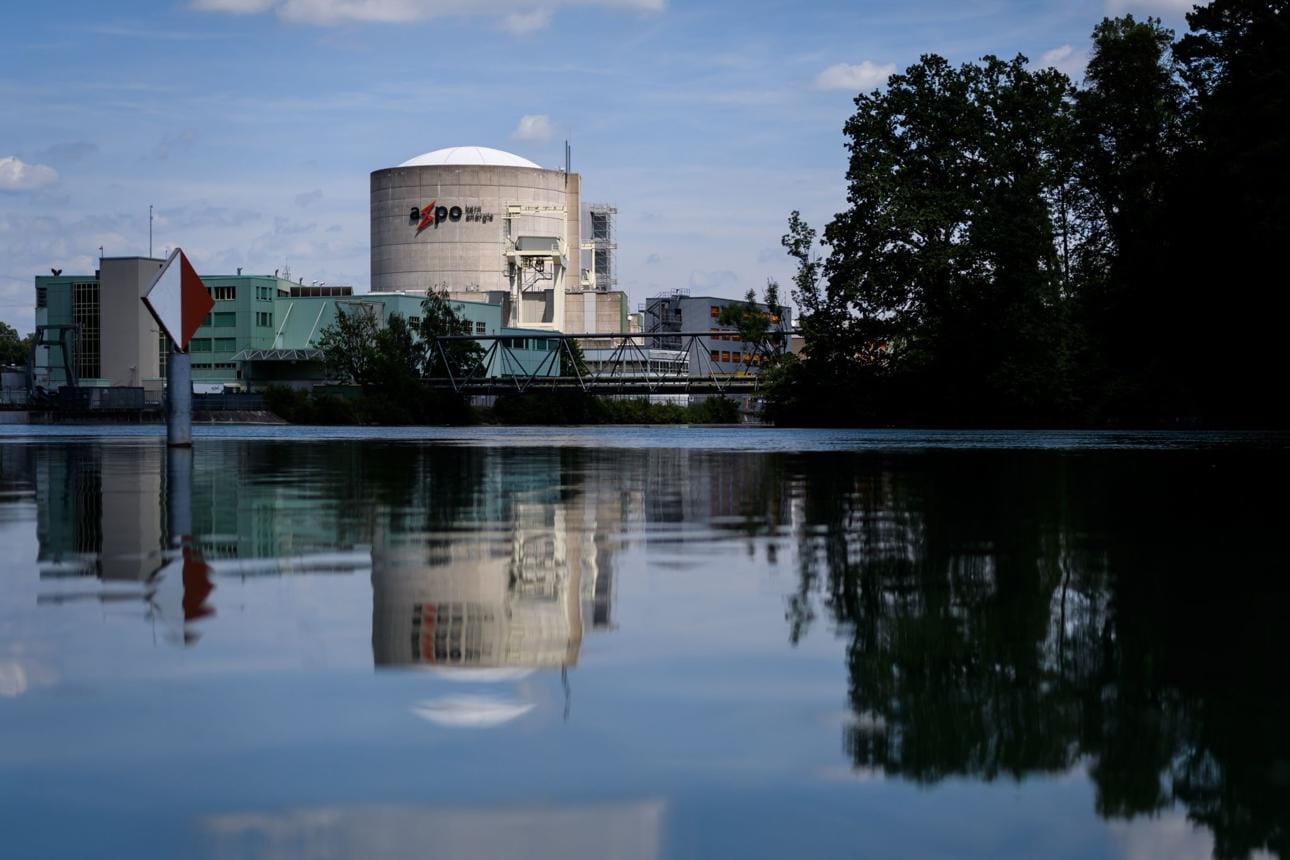
Environmental organisation Greenpeace claims Swiss nuclear power plants still depend heavily on Russian uranium supplies more than four years after the Ukraine war began. The group warns that changing uranium mining locations alone will not fully remove Switzerland’s energy links to Russia.

Swiss energy company Axpo previously announced a partnership with Kazatomprom, Kazakhstan’s leading uranium producer, to diversify nuclear fuel sourcing for Switzerland’s reactors.

According to Greenpeace, Russian nuclear giant Rosatom remains deeply involved in the global uranium supply chain. Much of the uranium mined in Kazakhstan still travels through Russia before reaching European markets, making complete independence difficult.

Greenpeace also highlights concerns about uranium traceability. During the enrichment process, uranium from different sources mixes together, making it nearly impossible to confirm the exact origin of nuclear fuel used in Swiss reactors.

The NGO argues that Switzerland’s continued reliance on nuclear energy increases geopolitical risks and leaves the country vulnerable to foreign influence. Greenpeace urges Switzerland to accelerate investment in renewable energy sources to achieve long-term energy independence.

However, Axpo rejects claims of ongoing Russian dependency. The company says its fuel supplies for the Beznau and Leibstadt nuclear plants have not depended on Russian sources since 2022 due to existing reserves and new contracts.

Axpo states that it signed new uranium procurement agreements in 2025 with suppliers from Canada and Kazakhstan. The company adds that uranium processing now takes place in countries including France, Germany, the Netherlands, Britain, and the United States.

The energy company further confirms that since spring 2026, it no longer maintains active contracts involving Russian uranium and says no direct or indirect payments flow to Russian entities.

Humpback Whale Remains Stranded in Wismar Bay.

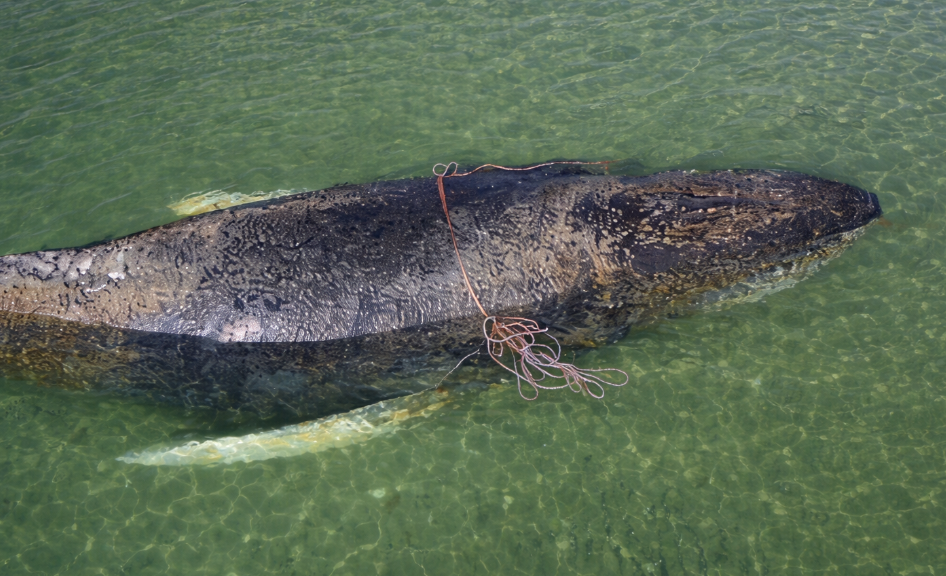
A humpback whale that became stranded off the coast of Wismar in Germany has not yet freed itself and remains in the bay, according to a spokesperson from the Wismar Water Protection Police. The situation, they noted, remains unchanged from the previous day, with the whale showing no movement. Low tide and reduced water levels have made the conditions more difficult, complicating potential rescue efforts.

Authorities are monitoring the whale closely, but further action depends on expert evaluation. Officers from the Water Protection Police, accompanied by marine biologists from Greenpeace, visited the whale early in the morning by inflatable boat to assess its condition. Decisions on whether the whale should be left undisturbed or gently encouraged to move will be made based on the situation.

During the night, the whale was continuously observed, and it was noted to be breathing. A shift system was implemented by the police to ensure that the animal was never left unmonitored. On Sunday, the German Oceanographic Museum reported that the whale appeared very weak, with a reduced breathing rate, highlighting the need for constant observation.

Currently, Wismar Bay is experiencing wind and rain, which may further affect the whale’s condition. Authorities emphasize that rescue or intervention will proceed cautiously, guided by expert advice to minimize stress and risk for the stranded humpback whale.