Switzerland Heatwave Work Rules Explained

Switzerland is facing increasing summer heatwaves, raising concerns about worker safety as temperatures exceed 30°C in many regions. Working in extreme heat is not just uncomfortable—it can also become a serious health risk. Heat stress can lead to dehydration, exhaustion, and in severe cases, medical emergencies.

Employer Responsibility in Switzerland

Under Swiss occupational safety rules, employers are legally responsible for protecting employees from health risks caused by extreme temperatures. They must assess workplace conditions and take appropriate preventive measures when temperatures rise above safe working levels.

What Happens During Heatwaves?

When temperatures exceed 30°C, employers are expected to take practical steps such as:

  • Adjusting working hours to cooler parts of the day
  • Increasing break frequency for outdoor workers
  • Providing sufficient drinking water
  • Ensuring shaded or cooled rest areas

    These measures are especially important for construction workers, delivery staff, agricultural workers, and others exposed to direct sunlight.

    Health Risks of Working in Heat

    Prolonged exposure to high temperatures can cause:

    • Heat exhaustion
    • Heat cramps
    • Dizziness and fatigue
    • Loss of concentration, increasing accident risk

    Experts warn that productivity may also decline sharply during extreme heat conditions.

    Swiss Workplace Safety Approach

    Switzerland follows strict occupational health and safety standards that require employers to actively protect employees from environmental risks. While there is no single fixed “heat law threshold,” employers must act based on risk assessments and weather conditions.

    Growing Climate Concern in Europe

    With heatwaves becoming more frequent across Europe, Swiss authorities and companies are increasingly adapting workplace safety strategies. Experts believe that climate change will continue to reshape labor rules and working conditions in the coming years.
Swiss Economists Cut Growth Forecast as Inflation Expectations Rise for 2026

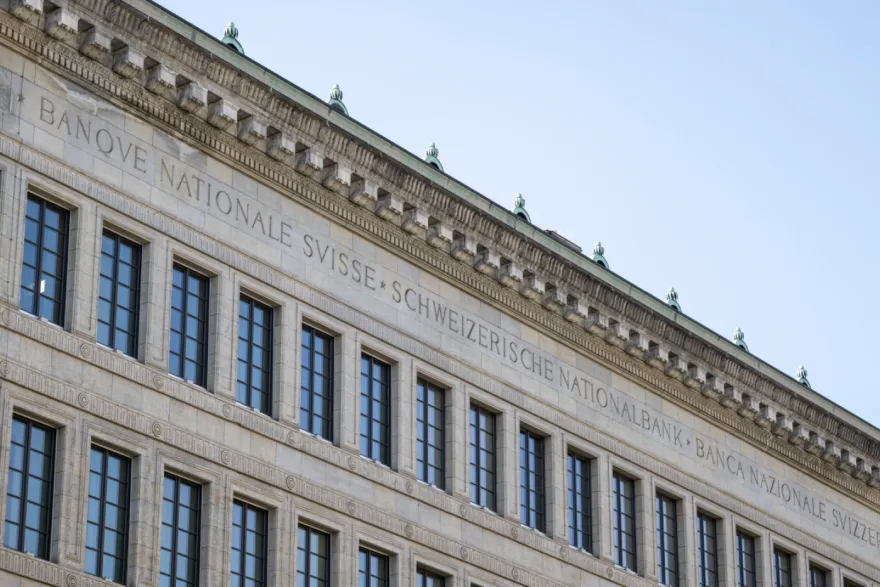
Swiss economic growth is expected to slow slightly this year, according to the latest KOF Consensus Forecast compiled by the ETH Zurich economic institute. Economists have downgraded growth expectations while also revising inflation forecasts upward.

GDP Growth Forecast Reduced

Economists now expect Switzerland’s real GDP to grow by 0.9% in 2026, down from the previous forecast of 1.0%. The revision signals a slightly weaker economic outlook compared with earlier expectations. The KOF Institute reported that overall economic momentum is weakening, particularly due to reduced expectations for fixed capital investment. However, growth for 2027 remains unchanged at 1.5%, suggesting a gradual recovery in the medium term.

Inflation Forecasts Move Higher

Inflation expectations have been revised upward across the forecast period. Economists now expect inflation to average:

  • 0.7% in 2026
  • 0.8% in 2027

These figures represent an increase of 0.3 and 0.2 percentage points respectively compared with the previous survey. Despite higher inflation expectations, price growth remains relatively moderate by international standards.

Labour Market Stability Continues

The labour market outlook remains steady. Economists continue to forecast an unemployment rate of 3.1% for 2026, unchanged from earlier projections.

This indicates that while growth is slowing, Switzerland’s employment market is expected to remain stable.

Swiss Franc Expected to Stay Strong

The survey also highlights expectations for currency stability and strength:

  • Swiss franc expected to appreciate against the US dollar
  • Expected exchange rate: 0.78 CHF/USD in 3 months
  • Expected exchange rate: 0.76 CHF/USD in 12 months
  • Euro forecast remains stable at around 0.90 CHF/EUR

Analysts suggest the franc will continue to act as a safe-haven currency amid global uncertainty.

Economic Outlook: Cautious but Stable

Overall, the KOF survey indicates a cautious outlook for the Swiss economy. Growth is slowing slightly, inflation is edging higher, but employment and currency stability remain strong. Economists describe the situation as a period of moderate but stable economic performance, rather than a sharp downturn.

Zurich Airport Eases Hand Luggage Liquid Restrictions with New CT Scanner Technology

Zurich Airport is updating its security regulations, allowing passengers to carry liquids in hand luggage in containers of up to two litres starting this Friday. The change marks a major shift in airport security procedures for passengers departing from Zurich.

Under the new system, travelers will no longer need to place liquids in separate transparent plastic bags when passing through security checkpoints in the main screening area.

New Technology Enables Easier Screening

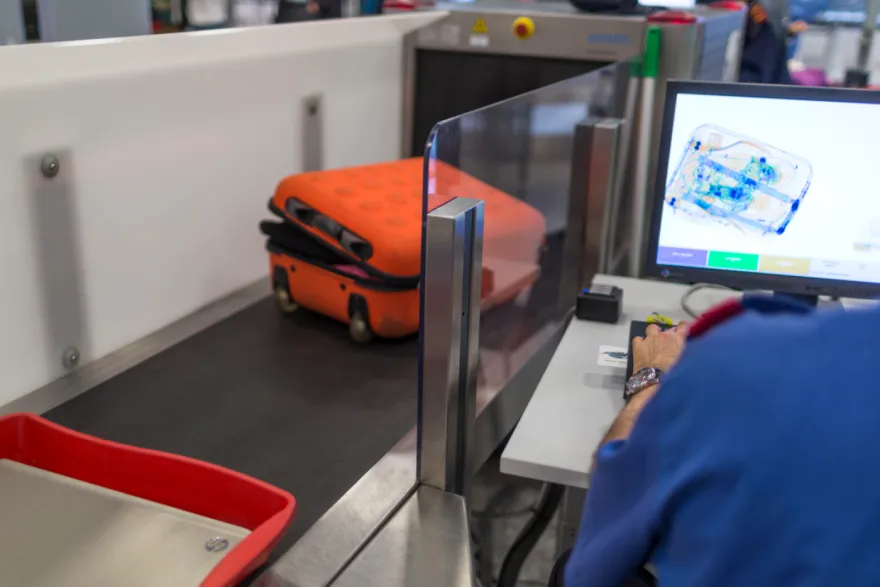
The updated rules are made possible by newly installed CT scanner technology at Zurich Airport. These advanced scanners provide a detailed three-dimensional analysis of hand luggage, allowing security staff to detect prohibited items more effectively. Thanks to this technology, both liquids and electronic devices can remain inside bags during screening, significantly speeding up the security process for departing passengers.

Rules Apply Only to Departing Passengers

The new liquid allowance applies only to passengers beginning their journey in Zurich and passing through security in the airport’s main screening building.Transit passengers connecting through Zurich will still need to follow the previous international security rules, depending on their point of origin and destination.

Important Safety Conditions Remain

Despite the relaxed rules, Zurich Airport has issued several important safety guidelines. Double-walled containers such as thermos flasks are only permitted if completely empty, as they can interfere with security screening systems.The airport also reminded passengers that liquid regulations may vary at other airports, meaning travelers should always check the rules for their return journey or connecting flights.

Improving Passenger Experience

Airport authorities say the introduction of CT scanners is part of a broader effort to modernize security infrastructure and improve passenger convenience without compromising safety.The technology is expected to reduce waiting times, improve efficiency, and enhance the overall travel experience for departing passengers.

G7 Summit Impacts Visitor Numbers at Geneva’s EPHJ Trade Fair

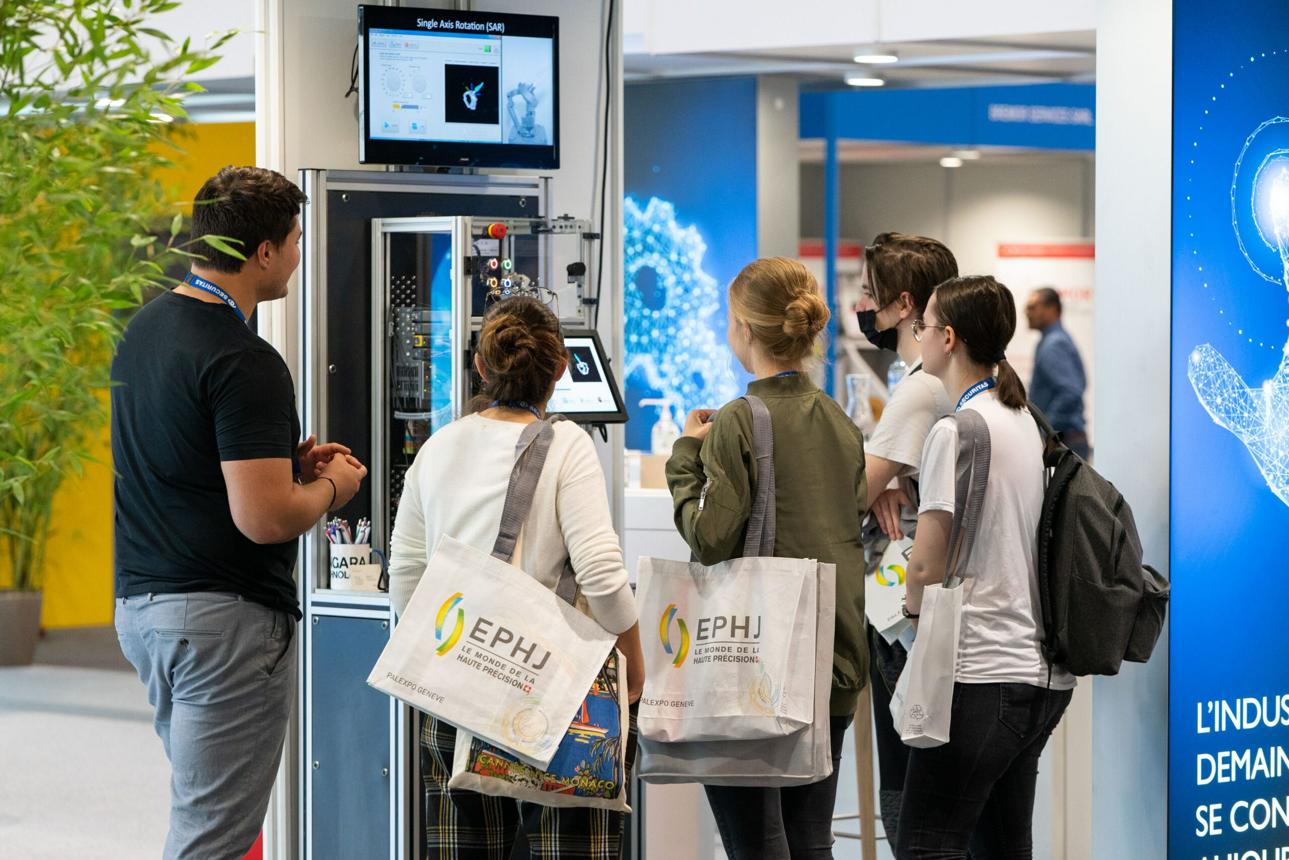
The prestigious EPHJ Trade Fair in Geneva successfully attracted around 20,000 industry professionals despite facing significant challenges caused by the nearby G7 Summit in France.

The annual exhibition, recognized as one of Europe’s leading events for high-precision industries, showcased innovations in watchmaking, jewellery, microtechnology, medical devices, and aerospace technologies.

Travel Disruptions Affect Attendance

This year’s 24th edition of EPHJ took place under unusual circumstances due to the G7 Summit being held in nearby Évian, France.

Enhanced security measures, traffic restrictions, remote working requirements, and travel uncertainties created logistical difficulties for many participants, particularly during the opening days of the exhibition.

Organizers acknowledged that these factors had a noticeable impact on visitor attendance compared with previous editions.

20,000 Professionals Still Attended

Despite the challenges, EPHJ managed to reach the symbolic milestone of 20,000 trade visitors.

Industry experts, manufacturers, engineers, investors, and business leaders gathered in Geneva to explore the latest technological developments and establish new business partnerships.

The strong turnout demonstrated the continued importance of Geneva as a global hub for innovation and precision engineering.

Innovation Remains the Main Attraction

The exhibition featured cutting-edge technologies from multiple sectors, including:

  • Swiss watchmaking and luxury timepieces
  • Jewellery manufacturing technologies
  • Precision microtechnology solutions
  • Medical device innovations
  • Aerospace engineering advancement

    20,000 Professionals Still Attended

    Despite the challenges, EPHJ managed to reach the symbolic milestone of 20,000 trade visitors.

    Industry experts, manufacturers, engineers, investors, and business leaders gathered in Geneva to explore the latest technological developments and establish new business partnerships.

    The strong turnout demonstrated the continued importance of Geneva as a global hub for innovation and precision engineering.

    Innovation Remains the Main Attraction

    The exhibition featured cutting-edge technologies from multiple sectors, including:

    • Swiss watchmaking and luxury timepieces
    • Jewellery manufacturing technologies
    • Precision microtechnology solutions
    • Medical device innovations
    • Aerospace engineering advancements As global demand for precision engineering and advanced technologies continues to grow, Geneva is expected to remain a key meeting point for innovators and industry leaders from around the world.
Swiss Authorities Raise Heatwave Alert to Highest Level in Several Regions

Several regions across Switzerland have raised their heatwave warning to the highest risk level as temperatures continue to soar above 30°C. Swiss weather authorities have issued urgent alerts for parts of western and northwestern Switzerland, warning residents of potential health risks linked to prolonged extreme heat. According to MeteoSwiss, the areas around Lake Neuchâtel, Lake Biel, Lake Murten, the Lake Geneva region, and central Valais are now under a Level 4 heatwave warning. The alert came into effect on Monday and is expected to remain in place until Saturday evening.

The heatwave is already affecting several parts of the country. On Monday afternoon, temperatures reached:

  • Delémont: 33°C
  • Sion: 32.1°C
  • Geneva: 31.3°C
  • Neuchâtel: 31°C

Meteorologists warn that temperatures will remain exceptionally high over the coming days, with little cooling expected during nighttime hours. MeteoSwiss states that a Level 4 alert indicates a significant health risk. Temperatures are expected to remain elevated for at least three consecutive days and nights, increasing the likelihood of dehydration, exhaustion, circulatory problems, and heat-related illnesses. Health officials are advising residents, especially older adults, children, and vulnerable individuals, to stay hydrated, avoid direct sunlight during peak hours, and reduce strenuous outdoor activities.

As classrooms across Switzerland experience rising temperatures, the Union of Teachers in French-speaking Switzerland (SER) has called for a nationwide strategy to address extreme heat in schools. The organization says prolonged heat affects learning conditions and student wellbeing. Teachers are urging authorities to introduce long-term solutions rather than temporary measures.

The teachers’ union is proposing several improvements, including:

  • Installation of external sunshades
  • Increased green spaces around schools
  • Better classroom ventilation systems
  • Climate-adapted school infrastructure

Education representatives argue that heatwaves are becoming more frequent and schools must be prepared for future extreme weather events.

The latest heatwave highlights the growing impact of extreme weather across Europe. Scientists have repeatedly warned that climate change is increasing the frequency and intensity of heatwaves, placing greater pressure on public health systems, schools, and infrastructure. Swiss authorities continue to monitor conditions closely and may issue further warnings if temperatures continue to rise.

Swiss Network Urges Families to Reduce Children’s Screen Time

A new regional initiative in French-speaking Switzerland is encouraging parents to reduce children’s exposure to smartphones and digital devices. The campaign aims to promote healthier childhood development and raise awareness about the potential risks of excessive screen use. The network, launched in Geneva alongside partner organizations in Neuchâtel and Fribourg, has introduced two voluntary pledges for families with children under the ages of six and 15. Organizers hope to attract hundreds of families across the participating cantons.

Under the first pledge, parents commit to keeping children under four years old completely away from screens. The initiative also recommends limiting screen use for children between four and six years old to encourage physical activity, communication, and social interaction. Health professionals involved in the project argue that excessive exposure to screens at an early age may affect motor skills, language development, and social communication.

The second pledge focuses on older children and teenagers. Organizers recommend avoiding smartphones before the age of 15 and limiting digital device use to shared family spaces within the home. Instead of smartphones, young people would be encouraged to use basic mobile phones capable of making calls and sending text messages when necessary. Beyond family commitments, the network is calling on Swiss politicians to introduce stricter regulations. Campaign representatives support banning smartphone sales to children under 15 and prohibiting screen use for children under four.

Some advocates are also urging schools to reduce or eliminate tablet use in classrooms, arguing that traditional learning methods remain important for children’s cognitive and social development. The initiative comes as concerns grow over problematic internet use among young people. According to a national study conducted in Switzerland, a significant number of people experience difficulties related to excessive internet use. Supporters believe early intervention can help children develop healthier habits and reduce the risk of digital dependency later in life.

Swiss Government Backs 2038 Winter Olympics with CHF200 Million Funding

Switzerland has taken a major step toward hosting the 2038 Winter Olympic and Paralympic Games. The Swiss Federal Council has confirmed its support for the bid and is prepared to provide financial assistance of up to CHF200 million.

The announcement highlights Switzerland’s commitment to bringing one of the world’s biggest sporting events back to the country while strengthening its international sporting reputation.

Government Ready to Invest CHF200 Million

According to the Federal Council, the consultation process showed overwhelming support for the proposed Olympic project. As a result, the government has decided to maintain its original plan without significant changes. The planned funding package of up to CHF200 million would help support preparations, infrastructure planning and the organization of the Winter Olympic and Paralympic Games.

No Referendum Planned

Despite calls from some political parties and cantons, the government does not intend to hold an optional referendum on the Olympic bid. Officials stated that the planning decree is not considered a matter of major national significance that would require a public vote. This decision allows the project to move forward more efficiently.

Boost for Swiss Tourism and Economy

Hosting the 2038 Winter Olympics could generate significant economic benefits for Switzerland. The event would attract millions of viewers worldwide, increase tourism, support local businesses and create employment opportunities across multiple sectors. Swiss alpine regions, hotels, restaurants and transportation services could all benefit from the increased international exposure.

Strengthening Switzerland’s Global Sporting Profile

Switzerland has a long history of hosting major international sporting events. The Winter Olympics would provide an opportunity to showcase the country’s world-class infrastructure, winter sports expertise and breathtaking mountain landscapes. The government believes the event could leave a lasting legacy for future generations while promoting sports participation and international cooperation.

Looking Ahead

With federal support now confirmed, attention will turn to the next stages of the bidding process. If successful, Switzerland could welcome athletes and spectators from around the world for the 2038 Winter Olympic and Paralympic Games. The project represents one of the country’s most ambitious sporting initiatives in recent years and could further strengthen Switzerland’s position as a leading destination for international events.

Historic Bern Steam Tram Receives Heritage Protection Status

A historic steam tram in the Swiss capital of Bern has officially received heritage protection status, becoming the first vehicle of its kind in Switzerland to gain such recognition. The decision highlights the tram’s exceptional historical, cultural, and technical importance.

The protected tram, which dates back more than 130 years, recently returned to service following a major restoration project carried out by dedicated volunteers and railway specialists.

A Unique Piece of Swiss Transport History

The steam tram originally operated in the city of Bern between 1894 and 1902, serving residents during the early years of urban public transportation. Today, it stands as one of Switzerland’s most remarkable transport heritage assets, offering visitors a glimpse into the country’s industrial and engineering history. The Bern Historic Preservation Authority granted the official protected status after recognizing the tram’s unique contribution to Swiss public transport development.

Major Restoration Brings Tram Back to Life

Before receiving heritage protection, the 132-year-old vehicle underwent an extensive restoration programme. The overhaul included significant work on the steam locomotive’s engine and mechanical systems. Volunteers from the Bernmobil Historical Foundation played a key role in the project, while specialized components were restored with support from railway engineering experts. The successful restoration has ensured that future generations can continue to experience this rare piece of Swiss history.

Heritage Recognition Marks Historic Milestone

According to the Bernmobil Historical Foundation, the new protected status is both an honour and a responsibility. The recognition confirms the steam tram’s importance as a cultural landmark and strengthens efforts to preserve Switzerland’s transportation heritage. The tram is now officially considered a protected monument, safeguarding its future for years to come.

Available for Public Rides and Special Events

The historic tram continues to operate for public journeys and special occasions throughout Bern. Residents and tourists can experience a unique ride through the city aboard one of Switzerland’s oldest preserved public transport vehicles. The tram is also available for private bookings and heritage-themed events, making it a popular attraction among transport enthusiasts and visitors.

Preserving Bern’s Transport Legacy

The Bernmobil Historical Foundation manages an extensive collection of historic public transport vehicles. Its collection includes around ten historic trams and ten vintage buses, all maintained to preserve Bern’s rich transportation history. The foundation remains committed to protecting these important pieces of Swiss heritage and ensuring they remain operational whenever possible.

Jio to Introduce AI Assistant for Users, Announces Akash Ambani

Reliance Industries has announced a major digital upgrade for Jio users with the introduction of a new AI-powered assistant and a redesigned MyJio application. The announcement was made by Akash Ambani during the company’s 49th Annual General Meeting.

The new system will include a Jio AI Call Agent and a fully upgraded MyJio AI platform designed to simplify how users interact with telecom services. A key feature of this system is that it will be directly integrated into Jio’s telecom network, eliminating the need for a separate application.

Users will be able to activate the assistant simply by saying “Hey Jio,” making the service accessible through voice commands. Once activated, the AI can convert speech into text during phone calls, with user permission, enabling real-time transcription of conversations. The system is also capable of supporting group calls with up to 10 participants, accurately identifying individual speakers and converting their speech into text. It can further translate conversations into different languages based on user preference, improving accessibility and communication.

After calls are completed, the AI assistant will automatically generate summaries, key discussion points, task lists, and reminders. These can then be shared with all participants, making communication more organized and efficient.

Beyond calls, the assistant will allow users to perform tasks such as ordering food, booking taxis, and completing payments directly during conversations. This represents a shift toward fully integrated voice-based digital services.

The upgraded MyJio app will also remove the need for users to navigate multiple menus. Instead, users can simply speak their request, and the AI will handle tasks such as mobile recharges, account checks, and service management.

For international travelers, the system will provide real-time roaming suggestions, recommended data packs, and alerts. It will also simplify processes like eSIM activation and digital KYC verification.

According to the announcement, the service is expected to be rolled out to more than 500 million Jio users by the end of the year, making it one of the largest AI deployments in the telecom sector.

Swiss Parliament Rejects Ban on X Platform

The Swiss Federal Assembly has voted against a proposal to stop using Elon Musk’s social media platform X for official parliamentary communication. Following a heated debate, members of the House of Representatives decided that parliament should continue using the platform to engage with the public and share important updates.

The motion was introduced by Social Democratic Party politician Min Li Marti, who argued that X has changed significantly since Elon Musk acquired the platform in 2022. According to Marti, the platform has seen a rise in misinformation, hate speech, and increasingly radical content. She also raised concerns about the influence of artificial intelligence tools and the spread of harmful information online.

Marti stated that remaining active on X indirectly supports the platform and increases the visibility of problematic content. She argued that public institutions should carefully consider the type of online environment they choose to participate in and promote.

However, opponents of the motion maintained that X remains one of the most effective communication tools available. Roland Rino Büchel, speaking on behalf of the Office of the House of Representatives, said there is currently no alternative platform capable of delivering a similar level of reach and engagement.

Supporters of keeping X also argued that issues such as misinformation and harmful content are not limited to one platform. They noted that withdrawing from X would not solve broader challenges facing digital communication and social media.

After deliberations, the House of Representatives voted 119 to 69, with 11 abstentions, to continue operating the Federal Assembly’s official X accounts. The result confirms that parliament will maintain its presence on the platform for the foreseeable future.

The Parliamentary Services have used X since 2015 to communicate committee activities, parliamentary diplomacy, and important announcements. The Swiss government, numerous political parties, and institutions across Europe, including the parliaments of Austria, Italy, and France, also continue to use the platform.

Why This Matters:

The decision highlights the ongoing debate over the role of social media in public communication. While concerns about misinformation and online content remain, Swiss lawmakers believe X continues to provide valuable access to citizens and a broad audience.