

Baume-Schneider Praises WHO Response to Hantavirus Management

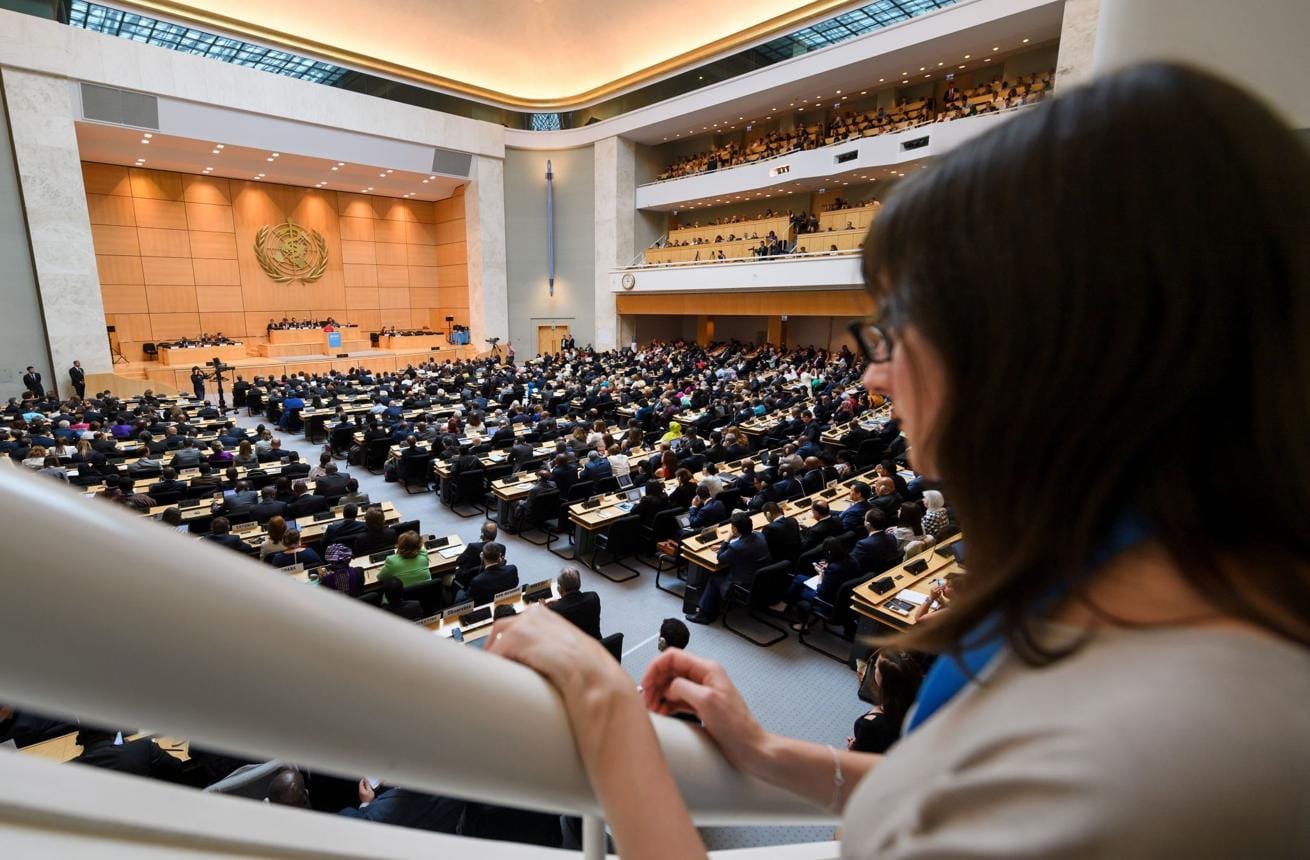
Swiss Interior Minister Elisabeth Baume-Schneider has praised the World Health Organization (WHO) for its ongoing management of the hantavirus response, highlighting the importance of strong international coordination in global health emergencies.

Speaking in Geneva at the start of the World Health Assembly, Baume-Schneider emphasized that the WHO remains “irreplaceable” despite facing financial pressure and workforce reductions in recent years.

She noted that the organization is continuing to play a key role in managing current health threats, including hantavirus and Ebola, even after significant budget cuts and nearly 1,300 job reductions.

Baume-Schneider also called for a more “realistic and functional” global system for sharing information about pathogens and countermeasures during future pandemics.

A key focus of ongoing discussions is the proposed pathogen-related sharing system (PABS), which aims to regulate how countries share biological data and medical resources in the event of outbreaks.

However, member states have yet to reach a consensus on the framework, despite an agreement reached in 2025 aimed at strengthening global pandemic preparedness.

Switzerland has reiterated its support for a practical and enforceable system that ensures clear responsibilities and effective coordination between countries.

The statement comes amid increasing global debate over the role and funding of the WHO, particularly after criticisms and partial withdrawals from some countries.
Swiss Army Conducts Helicopter Shooting Training in France.

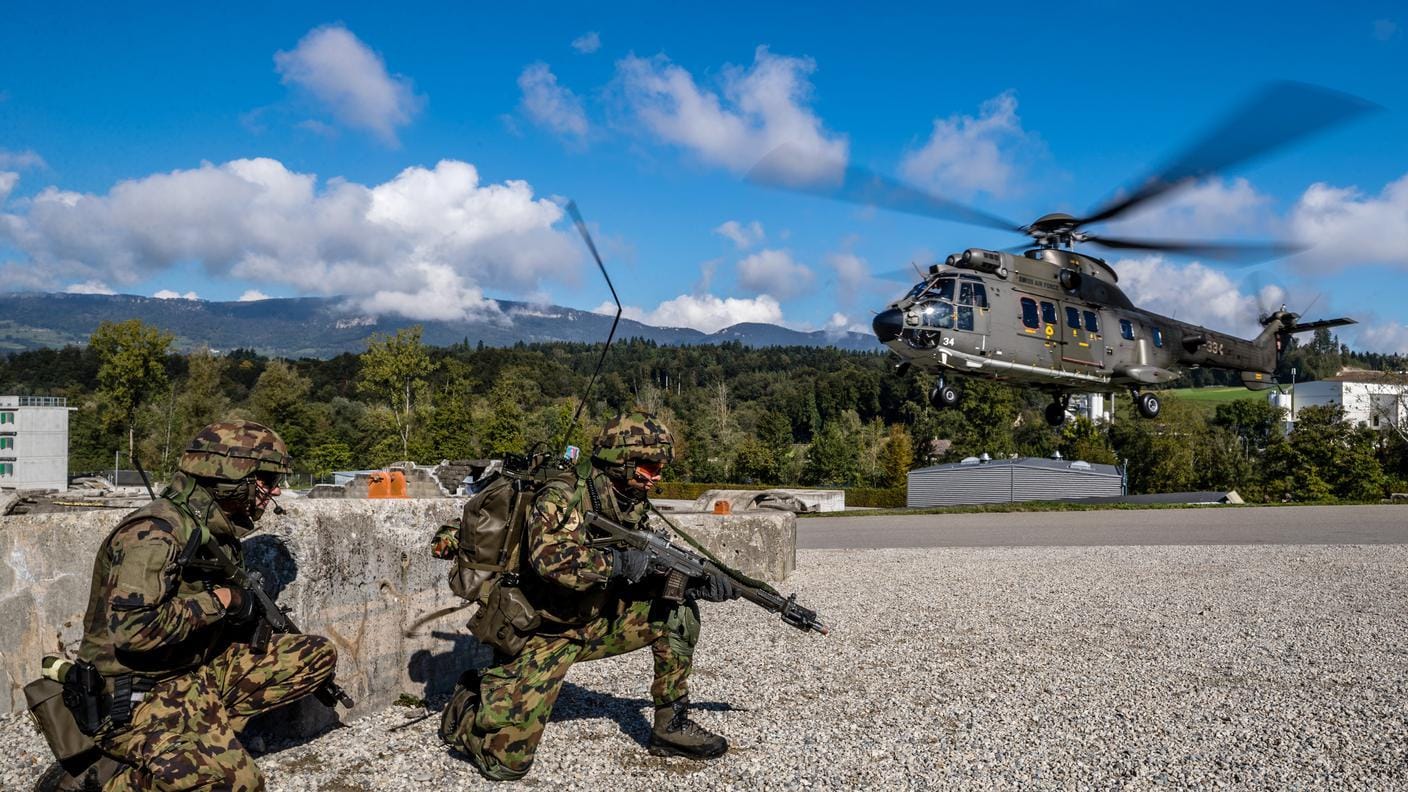
The Swiss Armed Forces has begun a specialised helicopter shooting exercise in France as part of efforts to strengthen defence capabilities and improve international military cooperation.

According to the Swiss Army, the training exercise is taking place from May 15 to May 22, 2026, in Solenzara, France. A Cougar military helicopter is being used for the operation, with soldiers practising live firing at moving targets while airborne.

The exercise focuses on improving operational procedures and tactical coordination during complex aerial combat situations. Shooting from helicopters is considered highly challenging because helicopters operate as unstable moving platforms while wind conditions continuously change during flight.

Military officials stated that the training follows strict safety regulations and can only be conducted in specially approved zones with clearly defined security areas. Due to Switzerland’s geographical limitations and restricted airspace, similar advanced exercises are difficult to organise within the country.

The Swiss government decided in 2024 to increase international military cooperation in order to modernise defence readiness and overcome domestic operational limitations. Training abroad allows Swiss forces to gain practical experience and learn from international defence partners.

The army also noted that these joint exercises improve interoperability between allied armed forces and help prepare soldiers for realistic operational environments. Defence experts say such international cooperation has become increasingly important as European nations focus more heavily on security and military preparedness.

The training exercise reflects Switzerland’s broader efforts to strengthen national defence capabilities amid changing geopolitical and security conditions across Europe.