

Scotland ‘Green’ Data Centres Raise AI Emissions Concerns.

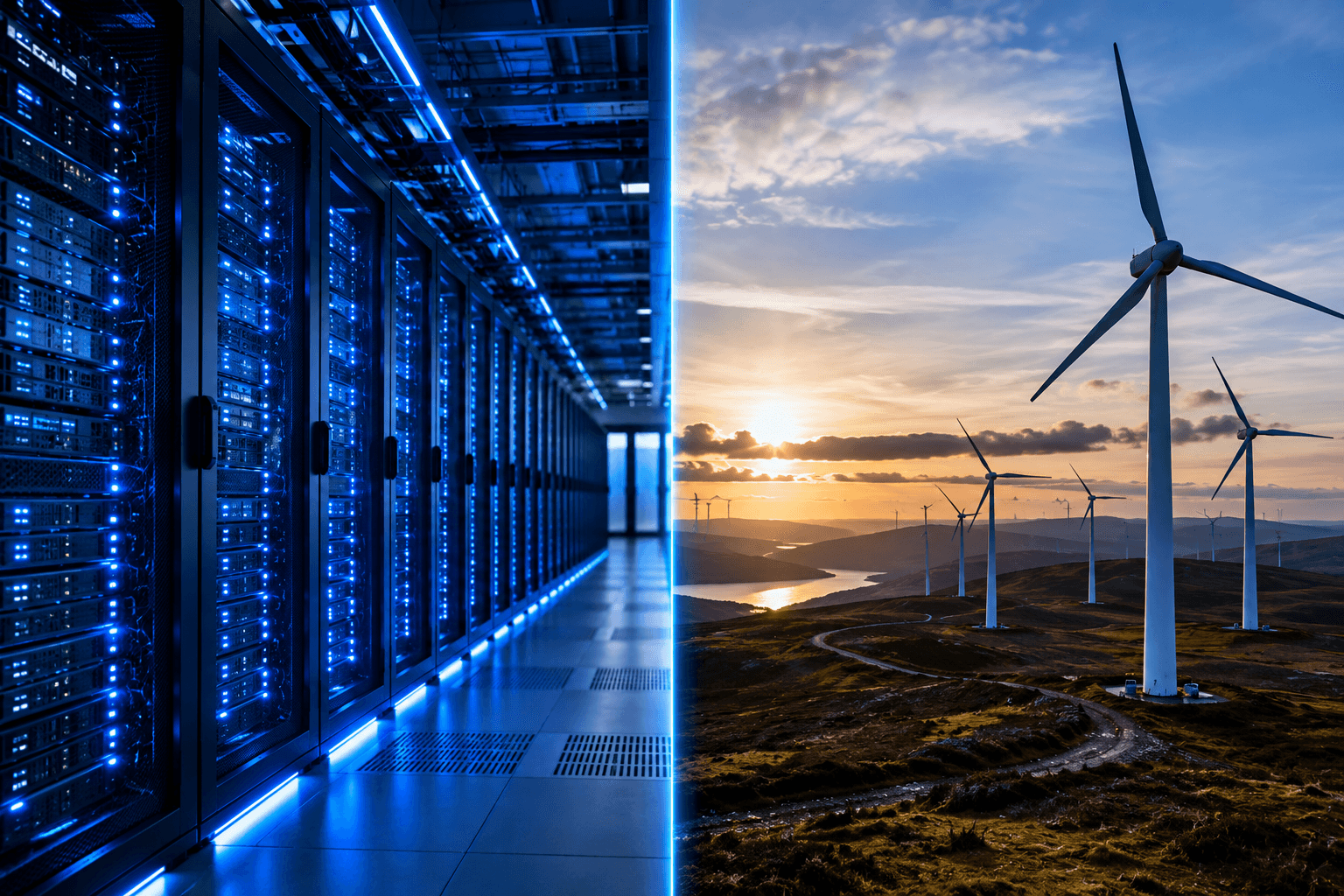
Scotland’s policy promoting “green datacentres” is facing criticism after new analysis raised concerns that it ignores the rising carbon emissions linked to artificial intelligence workloads.

A report by Action to Protect Rural Scotland (APRS) warns that the definition of “green datacentres” in current policy is outdated and does not reflect the rapid growth of AI technologies such as large-scale models and tools like ChatGPT.

The Scottish government has positioned datacentres as a key part of its economic strategy, supported by renewable energy availability and major investment plans across the country. However, critics argue that the current framework fails to fully account for real-world emissions.

According to APRS, more than a dozen datacentre projects are seeking approval in Scotland, including large AI-focused developments near Glasgow. Collectively, these facilities could consume over 6.2GW of electricity—surpassing Scotland’s peak winter energy demand.

The concern is that many projects may label themselves as “green” despite relying on diesel backup generators and potentially shifting to gas-powered energy due to delays in grid connections.

Officials also highlight that the current planning framework (NPF4) was developed before the explosion of generative AI demand and has not been updated to reflect today’s energy-intensive computing needs.

Environmental campaigners argue that this gap could allow high-emission infrastructure to receive favourable approval under “green” classifications, potentially undermining Scotland’s net-zero targets.

The Scottish government maintains that it aims to attract sustainable investment while supporting economic growth and aligning with climate goals.
AI Data Centres May Strain Switzerland’s Water Supply

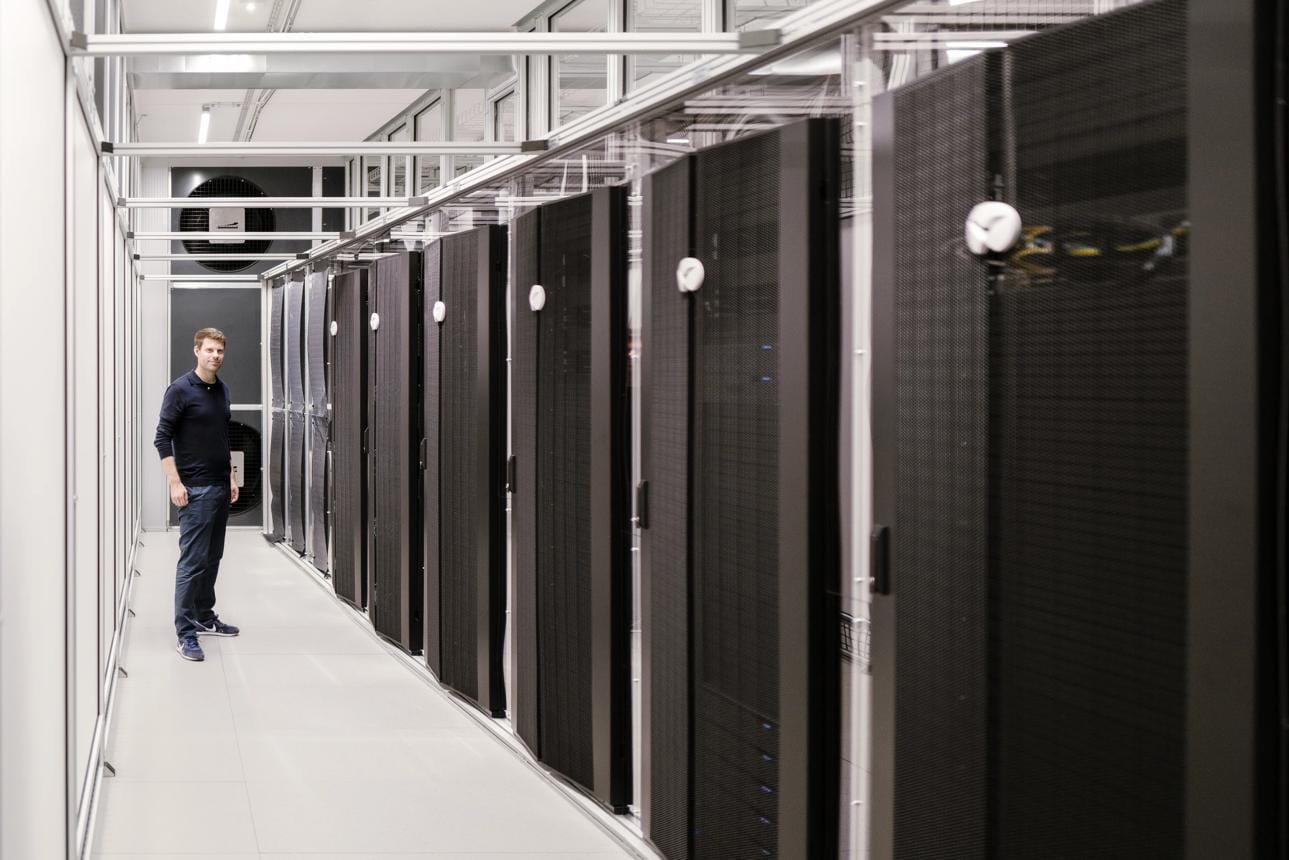
The rapid expansion of artificial intelligence infrastructure is raising concerns about water and energy consumption in Switzerland. Experts warn that the growing number of AI-powered data centres could place increasing pressure on the country’s natural resources, especially water supplies used for cooling systems.

Switzerland currently hosts around 120 data centres, with approximately 20 additional facilities under construction. This gives the country one of the highest concentrations of data centres per capita in the world. The rise of artificial intelligence technologies is accelerating this growth as companies invest heavily in advanced computing infrastructure.

AI servers require significantly more processing power than traditional systems. As a result, they generate higher levels of heat and require intensive cooling methods to maintain safe operating temperatures. Many of these cooling systems depend heavily on water.

According to David Atienza Alonso, a professor at EPFL and an expert in AI computing systems, increasing AI adoption will continue driving demand for larger and more powerful data centres.

He explained that countries are also expanding domestic data infrastructure due to geopolitical tensions and concerns about digital sovereignty. Governments and companies increasingly want sensitive data to remain within national borders, leading to greater investment in local storage and computing facilities.

While Switzerland is often called the “water tower of Europe” because of its lakes, rivers, and glaciers, experts warn that resource availability should not be taken for granted. If AI infrastructure growth continues without long-term planning, some regions could eventually face challenges in supplying enough electricity and water.

Global estimates from the International Energy Agency suggest that data centres currently consume around 560 billion litres of water annually worldwide. This figure could rise to 1.2 trillion litres by 2030 as AI usage expands rapidly across industries.

Most of this water is used for cooling servers and generating electricity required to power data centre operations. Environmental experts say the issue remains largely invisible to the public despite its growing importance in the digital economy.

Researchers and policymakers are now calling for sustainable infrastructure planning, improved cooling technologies, and better resource management to ensure that Switzerland can support technological growth without placing excessive strain on natural resources.