
Swiss Lynx Face Ongoing Threats Despite Population Recovery
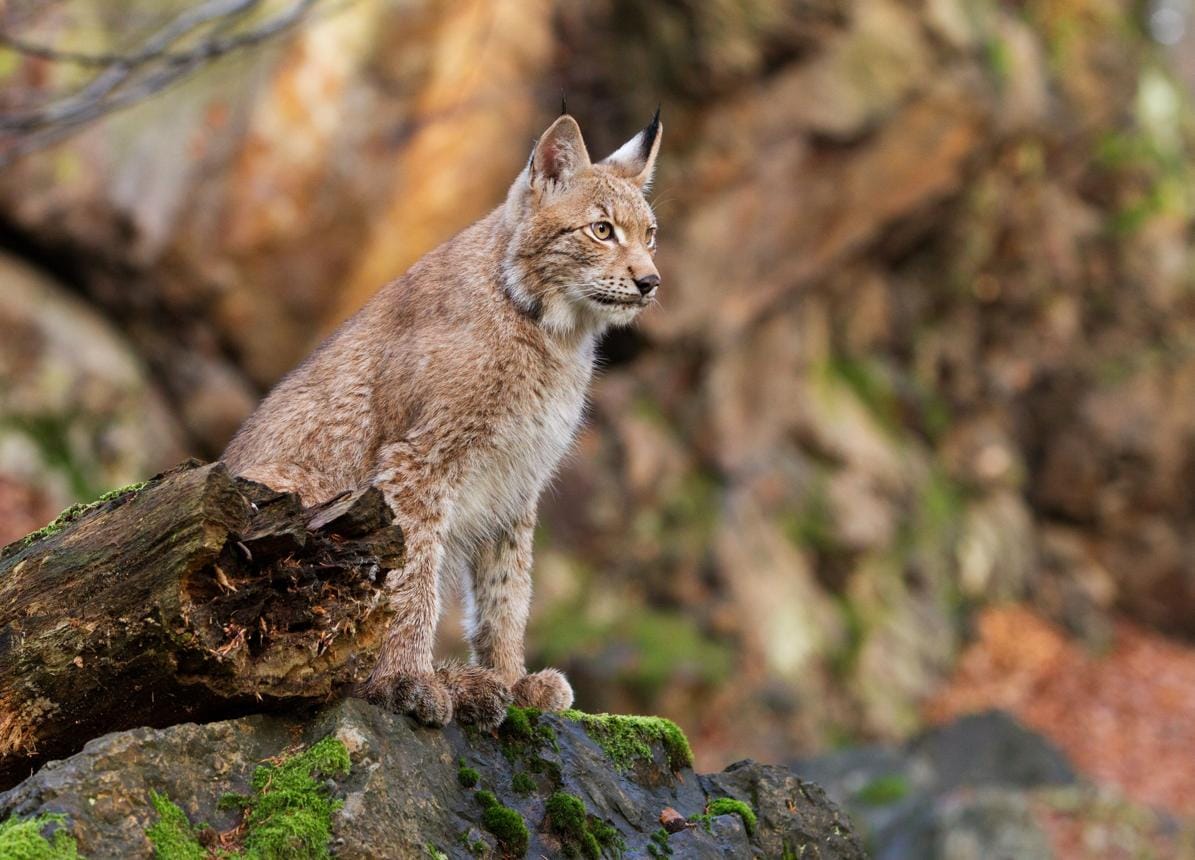
The lynx has made a remarkable comeback in Switzerland over recent decades, successfully re-establishing itself across parts of the Alpine and Jura regions. However, conservation experts warn that the species still faces significant challenges that could threaten its long-term survival.
According to WWF Switzerland, recent studies reveal that road and railway accidents remain the leading cause of death among wild lynx. As transportation networks expand and traffic volumes increase, these majestic predators continue to face serious risks while moving through their natural habitats.
Researchers have also confirmed cases of illegal poaching. While documented incidents already raise concerns, experts believe the true scale of poaching may be much higher due to unreported cases that remain undetected in remote areas.
In addition to human-related threats, scientists have identified congenital heart defects in several lynx populations. Researchers suggest that these rare health problems may be linked to limited genetic diversity within Switzerland’s lynx population, highlighting a growing concern for the species’ future health and resilience.
WWF lynx expert Gabor von Bethlenfalvy emphasized the importance of the lynx within Switzerland’s ecosystem. As a top predator, the lynx helps regulate wildlife populations and contributes to maintaining healthy and stable forest environments.
Today, approximately 360 lynx are believed to live across the cross-border Alpine and Jura regions. Due to its central role in supporting these populations, Switzerland carries a significant responsibility in ensuring the species’ long-term protection.
Conservation organizations are calling for stronger measures, including the creation of connected wildlife corridors, targeted releases to improve genetic diversity, enhanced international cooperation, and continued scientific monitoring. Experts believe these actions are essential to secure a sustainable future for one of Switzerland’s most iconic wild animals.