
Rising Fuel Prices Change Swiss Travel Habits, Survey Finds
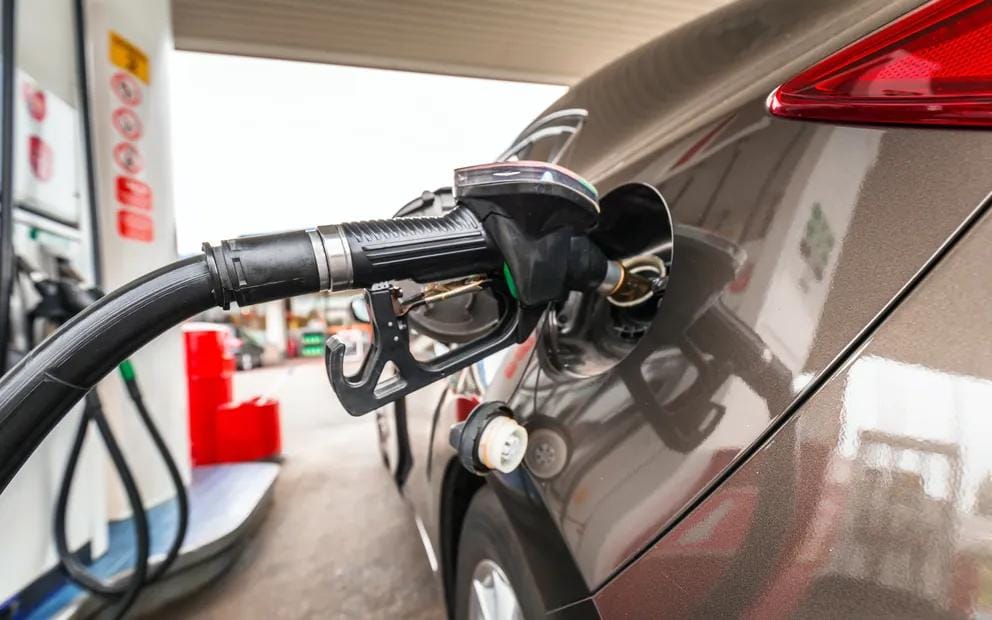
Rising fuel prices are significantly changing travel behavior in Switzerland, as residents increasingly turn to public transport and more sustainable mobility options, according to a new survey.
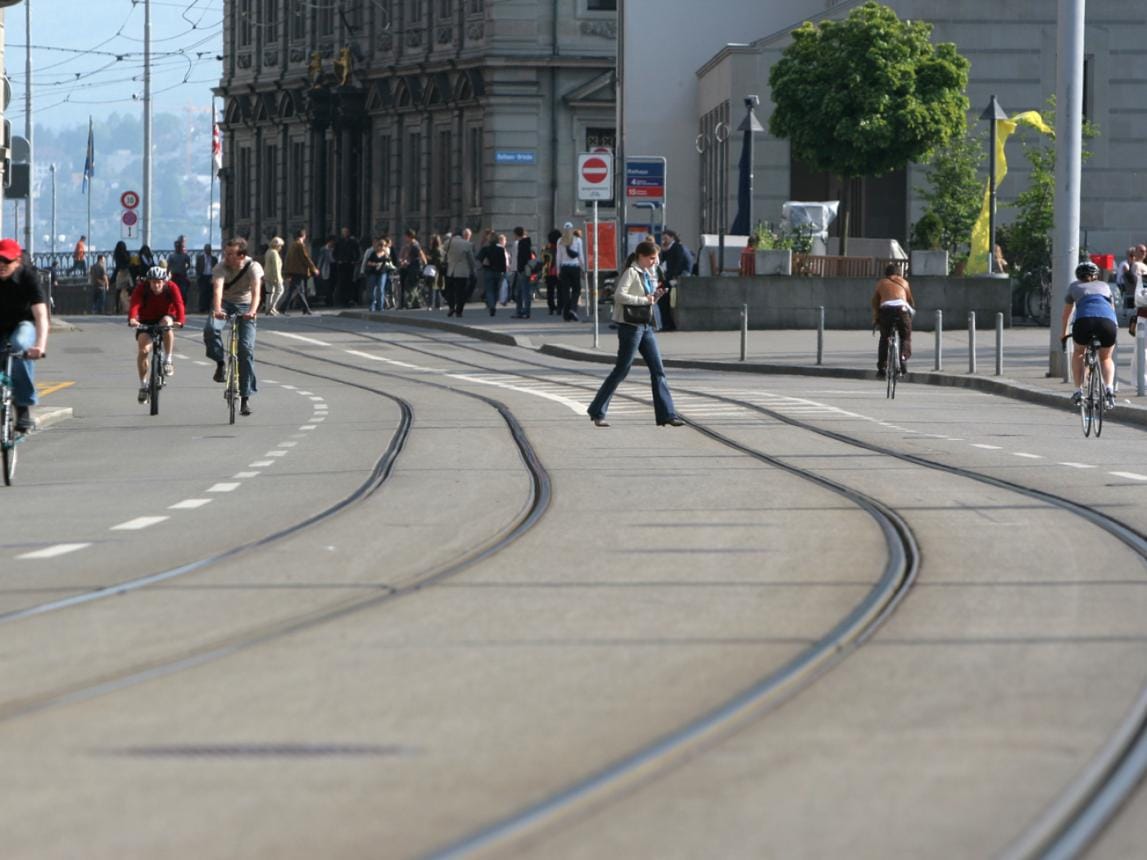
A study conducted by Marketagent Schweiz found that 42.1% of respondents are now using public transport more often, while 35.2% report walking more frequently due to higher fuel costs.
The survey, based on 1,000 participants, also shows that 23.6% are cycling or using scooters more often, and 14.7% are working from home more regularly to reduce commuting expenses.
Despite growing concerns about persistently high fuel prices, more than half of respondents (56.9%) said they do not plan to switch to electric vehicles. Only 4.2% have already purchased an electric car, while 16.9% are considering doing so.
When asked about future car purchases, 32.6% of participants preferred hybrid vehicles. Petrol cars remained closely behind at 31%, while electric vehicles accounted for 26.1%. Diesel vehicles are declining in popularity, with just 7.1% of respondents considering them.
Industry data shows rising interest in electric mobility, with strong growth in searches and sales on platforms such as AutoScout24. However, the share of electric cars in overall registrations remains relatively stable at around 21.7%.
A separate analysis by Swisscharge highlights the cost advantage of electric vehicles. Charging an EV can cost around CHF 5.23 per 100 km, compared with CHF 11.08 for a petrol-powered car, especially when charging at home or at work.
Experts suggest that while cost pressures are encouraging behavioral change, long-term adoption of electric vehicles will depend on infrastructure expansion, affordability, and consumer confidence.