UBS CEO Sergio Ermotti Dismisses Relocation Rumours, Reaffirms Swiss HQ.

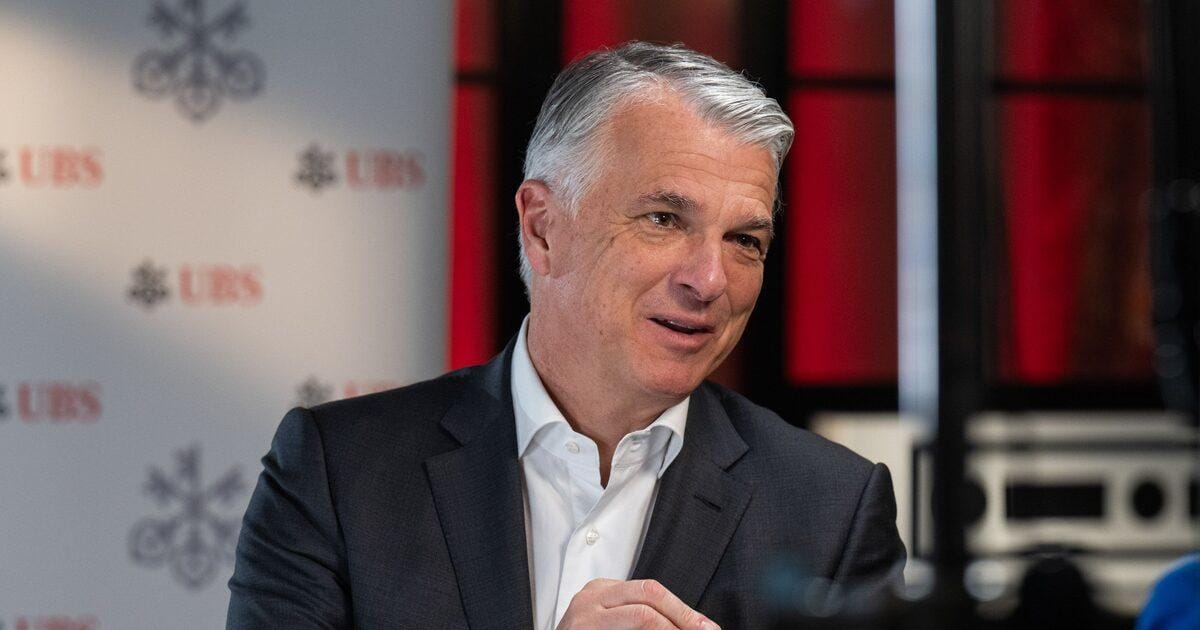
UBS Chief Executive Officer Sergio Ermotti has reaffirmed the bank’s long-term commitment to Switzerland, dismissing ongoing speculation about a possible relocation of its headquarters.

Speaking amid renewed debate over Swiss banking regulations, Ermotti stressed that UBS remains firmly anchored in Switzerland, despite tensions with the federal government over proposed changes to capital requirements.

The dispute centres on a plan by the Federal Council to require UBS’s foreign subsidiaries to be fully backed by equity capital. The measure is intended to strengthen financial stability and reduce systemic risk in the banking sector.

UBS has opposed the proposal, arguing that stricter capital rules could weaken its global competitiveness and limit its operational flexibility in international markets.

The disagreement has repeatedly triggered speculation that UBS might consider shifting parts of its operations abroad. However, Ermotti has consistently rejected such rumours, emphasizing that Switzerland remains the bank’s strategic and operational base.

The Swiss government maintains that stronger capital buffers are necessary given UBS’s size and global exposure, particularly following its takeover of Credit Suisse, which significantly expanded its balance sheet.

Despite regulatory tensions, UBS leadership continues to highlight the importance of Switzerland as a stable financial hub and key location for global banking operations.

The latest remarks from Ermotti aim to reassure markets and policymakers that UBS intends to maintain its headquarters in Switzerland while continuing discussions with regulators on future capital rules.

Swiss Cantonal Banks Hold More Capital Than Required

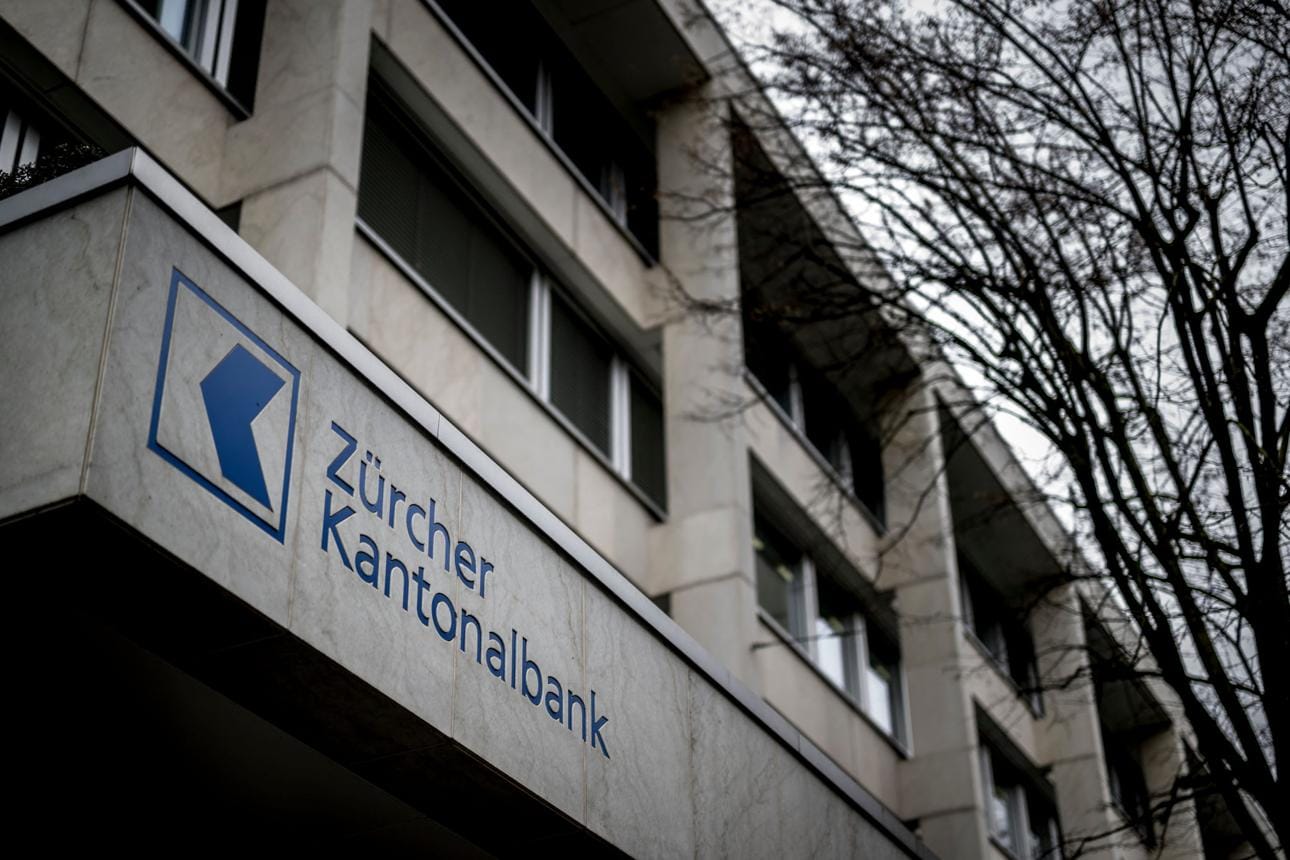
Swiss cantonal banks are holding substantially more equity capital than required by law, according to a new study by Zurich-based Independent Credit View (I-CV). The findings highlight the strong financial position of these regional institutions, even as public attention remains largely focused on major banks such as UBS.

The study reveals that Switzerland’s 24 cantonal banks have continued to expand steadily, with total assets growing by more than 3% annually. Combined, these banks now manage total assets worth approximately CHF839 billion, surpassing the CHF501 billion held by UBS’s Swiss business operations.

A bank’s total assets include customer deposits, investments, mortgages, and loans. As these figures increase, banks are generally expected to maintain sufficient capital reserves to absorb potential losses and ensure financial stability. According to the report, cantonal banks are maintaining capital buffers significantly above the minimum legal requirements.

Financial experts view these additional reserves as a sign of strength and resilience. Strong capital levels help banks withstand economic downturns, market volatility, and unexpected financial shocks. They also provide greater confidence for customers, investors, and regulators.

Despite their growing size and importance within the Swiss financial system, cantonal banks often receive less public scrutiny than global banking giants such as UBS. However, their collective balance sheet now represents a major component of Switzerland’s banking sector.

The report suggests that while the debate around banking regulations frequently focuses on systemically important institutions, cantonal banks have quietly built substantial financial safeguards over many years.

Analysts note that maintaining higher-than-required capital levels may help support long-term stability, particularly during periods of economic uncertainty. As Switzerland continues to strengthen its financial sector, cantonal banks remain a key pillar of the country’s banking and lending system.

The study also highlights the important role these institutions play in regional economic development by providing mortgages, loans, and financial services to households and businesses across Switzerland.

UBS Continues Job Cuts During Credit Suisse Merger.

UBS has reportedly eliminated several hundred additional jobs across Europe, the Middle East, and Africa as part of its ongoing integration of Credit Suisse. The latest workforce reductions mainly affect support roles, although some client advisory positions have also been impacted, according to media reports.

The Swiss banking giant has not officially confirmed the number of affected employees. However, UBS has consistently stated that it aims to reduce overlapping functions created by the acquisition of Credit Suisse while minimizing compulsory redundancies wherever possible.

A UBS spokesperson reiterated that workforce reductions will occur gradually over several years through natural staff turnover, early retirement programs, internal mobility, and the replacement of external contractors with internal employees. This approach was first outlined after UBS completed the historic takeover of Credit Suisse in 2023.

The bank’s latest financial results show that its workforce declined from 103,177 full-time positions at the end of 2025 to 101,594 by the end of March 2026. Industry analysts estimate that the total workforce could eventually fall to around 80,000 employees as integration efforts continue.

Since acquiring Credit Suisse, UBS is believed to have reduced approximately 17,500 positions globally. In Switzerland alone, the bank previously announced plans for around 3,000 job reductions as part of the merger process.

UBS Chief Executive Officer Sergio Ermotti stated earlier this year that most of the planned Swiss job cuts are expected during the second half of 2026 and early 2027. The reductions are closely linked to the completion of the migration of former Credit Suisse clients and operations onto UBS systems.

Despite the ongoing restructuring, UBS maintains that the integration remains on track and is focused on creating a stronger and more efficient global banking group. The merger continues to be one of the largest banking consolidations in Swiss financial history, with significant implications for employment and the future of the country’s banking sector.

Swiss Finance Minister Urges Banks to Strengthen Financial Stability.

Swiss Finance Minister Karin Keller-Sutter has called on banks operating in Switzerland to actively contribute to the country’s financial stability amid ongoing global geopolitical tensions and economic uncertainty.

Speaking at a private banking symposium in Bern organised by the Swiss Association of Private Banks and the Association of Swiss Asset Management and Institutional Banks, she stressed that Switzerland’s stability remains one of its most valuable economic assets.

She warned that institutions benefiting from this stability must also take responsibility in maintaining it. According to her remarks, any actions that could weaken the financial system in the future must be carefully managed to protect the wider economy and taxpayers.

The comments come amid ongoing discussions involving UBS Group AG, which has recently expressed concerns about proposed government plans to tighten capital requirements for systemically important banks.

Keller-Sutter acknowledged the importance of large banking institutions to Switzerland’s economy but emphasized the need to limit risks that could ultimately fall on taxpayers. She rejected the idea that the government is obstructing business growth, instead framing regulation as a safeguard for long-term stability.

She also highlighted that Switzerland continues to attract international clients seeking secure financial environments, particularly during periods of global instability. The country’s reputation for safety and trust remains a key driver of its financial sector strength.

Referring to past financial challenges, including the collapse of Credit Suisse, she reminded industry leaders that stability is essential to maintaining confidence in the banking system.

Experts note that Switzerland’s financial sector continues to play a central role in global wealth management, but regulatory debates remain crucial as authorities seek to balance competitiveness with systemic risk protection.

Six in Ten Swiss Companies Now Use AI, UBS Study Finds

A new study by UBS shows that around six out of ten companies in Switzerland are now using artificial intelligence, highlighting rapid but uneven adoption across the business sector.

Economist Alessandro Bee noted that while AI is widely used, most companies are not yet applying it in a structured or systematic way. The study found that smaller firms mainly use AI for data analysis, while larger corporations focus more on automating business processes.

Overall, Swiss companies view AI more as an opportunity than a risk. Many businesses expect the technology to significantly improve productivity and efficiency in the coming years.

However, concerns remain. Companies highlighted data protection, cybersecurity risks, and the possibility of incorrect decisions caused by flawed algorithms or poor-quality data as key challenges.

The survey also found that just over half of the companies plan to expand their use of AI or adopt it for the first time within the next five years. At the same time, nearly one-third of businesses currently do not use AI and have no plans to implement it in the near future.

UBS economist Pascal Zumbühl emphasized that AI adoption in Switzerland is growing, but not uniformly, with a clear divide between early adopters and companies still hesitant about the technology.

The findings suggest that AI will play an increasingly important role in Switzerland’s economic future, but its integration will depend on how businesses address trust, regulation, and implementation challenges.

Middle East Conflict and Oil Prices Threaten Swiss Economic Growth

The ongoing Middle East conflict is likely to slow down Switzerland’s economic growth while increasing inflation, according to new projections from UBS economists.

Analysts Alessandro Bee and Matteo Mosimann warn that if tensions between the United States and Iran continue, oil prices could rise above $150 per barrel. Such a surge would significantly increase global energy costs and raise fears of a broader economic slowdown.

The report highlights that higher fuel prices are already impacting Swiss households. Increased costs for petrol and heating oil are currently costing consumers around CHF 170 million per month, although this still represents less than 0.5% of total household spending.

Despite rising prices, consumer confidence has weakened. UBS noted that morale dropped in March and April to its lowest level in nearly two and a half years. However, industrial sentiment has remained relatively stable, showing limited immediate impact on production activity.

Economists expect some stabilization if geopolitical tensions ease in the coming months, with global oil supply likely to normalize in the second half of the year. However, they still caution that the Swiss economy will face pressure even under improved conditions.

UBS has revised its growth outlook downward. For 2026, Swiss GDP is now expected to grow by just 0.7%, compared with earlier forecasts of 0.9%. In 2027, growth is projected at 1.4%, slightly below previous estimates.

Despite the slowdown, economists believe Switzerland could benefit indirectly from fiscal stimulus measures in Europe, including Germany’s tax package, which may support confidence and economic activity in the longer term.

Overall, the outlook suggests moderate but manageable economic pressure rather than a severe downturn.

UBS Cleared in Archegos Case

The United States Federal Reserve has officially lifted the enforcement measures imposed against UBS and the former Credit Suisse over the collapse of the Archegos hedge fund scandal.

According to the Federal Reserve, the restrictions introduced in 2023 were related to serious organisational and risk-management failures discovered within Credit Suisse during the collapse of Archegos Capital Management in 2021. The incident became one of the biggest financial disasters in the bank’s history.

In 2023, the Federal Reserve fined Credit Suisse and UBS a combined $268.5 million after identifying weaknesses in supervision, liquidity management, internal controls, and data management systems. Regulators also demanded major improvements to the banks’ compliance and oversight structures.

The enforcement action was coordinated with international financial regulators. Britain’s Prudential Regulation Authority imposed an additional £87 million fine, while Switzerland’s financial regulator FINMA ordered corrective measures after uncovering serious operational failures within Credit Suisse.

The collapse of Archegos Capital Management in March 2021 had a devastating impact on several international financial institutions. However, Credit Suisse suffered the largest losses among all affected banks. The scandal reportedly cost the Swiss bank nearly CHF5 billion and severely damaged investor confidence.

Archegos was managed by investor Bill Hwang, whose highly leveraged investment strategy triggered massive losses across global markets after the hedge fund collapsed.

Financial analysts widely view the Archegos crisis as one of the key events that accelerated the downfall of Credit Suisse before its emergency takeover by UBS in 2023. Since then, UBS has continued integrating Credit Suisse operations while working closely with global regulators to strengthen compliance systems.

The Federal Reserve’s decision to remove the measures suggests regulators are satisfied with the corrective actions taken by UBS following the acquisition and restructuring process.

Why Some Swiss Banks Avoid U.S. Citizens: The FATCA Effect Explained

Many people believe that citizens of the United States cannot open bank accounts in Switzerland. However, this is not entirely true. While it is possible for U.S. citizens to hold Swiss bank accounts, many Swiss banks choose not to accept them due to strict international tax regulations and compliance risks.

The main reason behind this situation is the U.S. law known as FATCA (Foreign Account Tax Compliance Act), introduced in 2010. This law requires all foreign banks to report financial information of U.S. citizens to the Internal Revenue Service (IRS). If banks fail to comply, they may face heavy penalties or restrictions from the U.S. financial system.

As a result, Swiss banks face significant operational challenges. One major issue is the increased administrative burden. Banks must collect additional tax documentation, maintain detailed reporting systems, and implement complex compliance software to track U.S. account holders.

Another concern is legal risk. Even small reporting errors can result in serious financial penalties. To avoid this risk, some banks prefer not to onboard U.S. clients at all and clearly state policies such as “U.S. persons not accepted.”

Historically, Switzerland was known for strong banking privacy laws. However, international pressure—especially from the U.S.—has significantly reduced banking secrecy. Investigations involving major banks like UBS played a major role in changing Swiss banking compliance rules.

Additionally, U.S. citizens are subject to worldwide taxation, meaning they must report global income regardless of where they live. This creates further reporting complexity for foreign banks handling their accounts.

Despite these challenges, not all Swiss banks reject U.S. citizens. Some institutions, including major banks and financial service providers such as PostFinance, may still allow accounts under strict conditions. These often include higher minimum balances, additional tax forms, enhanced compliance checks, and certain investment restrictions.

In summary, the issue is not discrimination against U.S. citizens. Instead, it is the result of strict U.S. tax laws, compliance costs, and regulatory risks that make it difficult for many Swiss banks to offer services to American clients.

Switzerland Banking Safety: Which Bank is Best for Savings?

Choosing a safe and reliable bank for savings in Switzerland is an important financial decision, especially for residents and expats looking for long-term security. Swiss banking is globally known for stability, strong regulation, and high trust levels, but some banks are considered safer and more practical for savings than others.

Among all banking options, Cantonal Banks are widely regarded as the most secure choice. These banks are backed by the individual cantons (regional governments), which adds an extra layer of financial protection beyond the standard Swiss deposit insurance system. In Switzerland, deposits are generally protected up to CHF 100,000 under the esisuisse guarantee scheme.

One of the strongest examples is the Zürcher Kantonalbank. It is considered one of the safest banks in the country because it has full backing from the Zurich canton government. This strong government guarantee, combined with high financial ratings, makes it a preferred option for conservative savers.

Another popular choice is Raiffeisen Switzerland. It is known for its community-based banking model and stable operations across the country. Many users choose Raiffeisen for its balance between safety and competitive savings interest rates.

The global banking giant UBS is also widely used in Switzerland. While it offers strong international services and wealth management solutions, its deposit protection follows the standard Swiss system without additional cantonal guarantees.

Additionally, PostFinance is considered a conservative option with government-linked trust perception, making it a popular choice for everyday savings and transactions.

Financial experts in Switzerland often recommend diversifying savings across multiple banks if deposits exceed CHF 100,000. This is because spreading funds reduces risk exposure and ensures full protection under Swiss deposit insurance rules. A common strategy includes splitting funds between Zürcher Kantonalbank, Raiffeisen, and investment platforms.

For residents in Zurich, Zürcher Kantonalbank is often seen as the most practical and secure choice due to its strong government backing, lower fees, and stable reputation in the Swiss financial system.

Monaco Fines UBS €6 Million Over Money Laundering Failures.

UBS has been fined €6 million by Monaco’s financial watchdog over serious failures linked to anti-money laundering and counter-terrorism financing controls.

The penalty was imposed by the Monegasque Financial Security Authority, which accused the Swiss banking giant’s Monaco subsidiary of multiple compliance breaches between 2018 and 2023.

According to the regulator, UBS failed to maintain effective internal controls and did not adequately meet legal obligations related to identifying high-risk clients and monitoring suspicious financial activity.

The AMSF stated that the repeated nature of the shortcomings demonstrated a broader failure within the institution’s compliance system.

Investigators found delays in reporting suspicious transactions and weaknesses in the preparation of the bank’s overall risk assessments.

The regulator also criticized UBS for failing to properly verify customer identities, income sources, and beneficial ownership structures — especially in complex corporate arrangements involving multiple ownership layers.

Authorities noted that more than half of UBS Monaco’s client base was classified as medium to very high risk, increasing the importance of strict compliance procedures.

The case highlights growing international pressure on major financial institutions to strengthen anti-money laundering systems and improve transparency in global banking operations.

Switzerland’s banking sector has faced increased scrutiny in recent years regarding financial crime prevention, transparency standards, and international regulatory compliance.

The fine adds to broader concerns across Europe about illicit financial flows, hidden ownership structures, and the role of global banks in preventing money laundering activities.