Swiss Hotels Report Strong Winter Season Growth

Switzerland’s hotel industry experienced an exceptionally strong winter season, with record levels of overnight stays recorded despite a slight slowdown at the end of the period. The latest figures from the Federal Statistical Office (FSO) highlight continued resilience in the country’s tourism sector.

Between November and April, Swiss hotels recorded a total of 18.7 million overnight stays, representing a 1.1% increase compared to the previous year. The growth was mainly supported by strong domestic tourism, while international demand showed only modest gains.

Domestic guests accounted for 9.5 million overnight stays, an increase of 1.6%, while foreign visitors contributed 9.3 million stays, rising slightly by 0.5%. This balance shows that Swiss residents played a key role in driving the winter tourism industry.

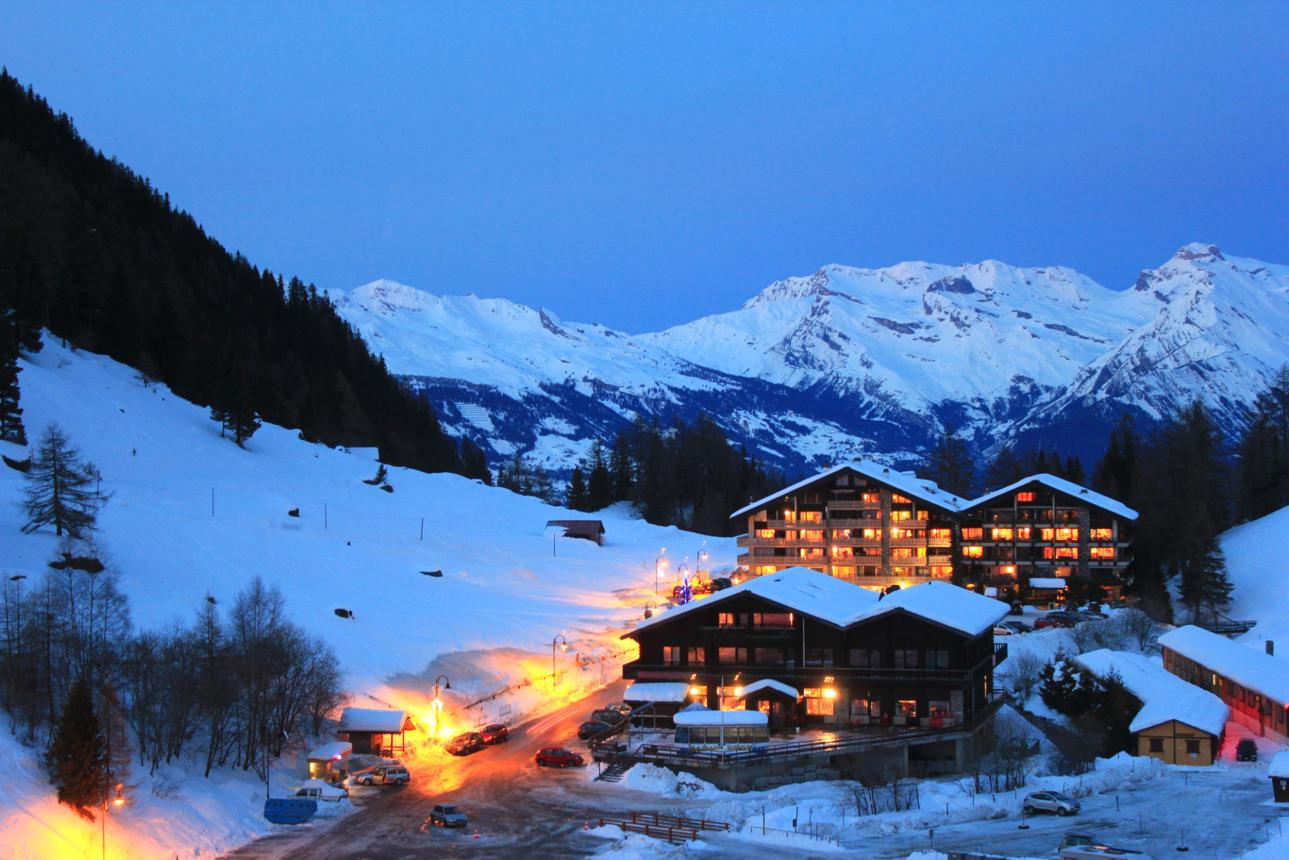
The months of December, January, and February were particularly strong, with occupancy rates rising by 6.8%, 2.6%, and 2.9% respectively. Popular ski destinations and alpine resorts benefited from favorable winter conditions and steady visitor interest during peak holiday periods.

However, the season ended on a weaker note due to global geopolitical tensions. The outbreak of conflict in the Middle East led to a decline in international travel demand, particularly from Asian markets. Foreign overnight stays fell by 4.8% in March and 5.7% in April, impacting overall momentum toward the end of the season.

Despite this slowdown, Switzerland’s hospitality sector demonstrated strong overall performance, supported by domestic travel and stable winter tourism activity. The results underline the importance of local tourism in maintaining hotel occupancy levels during uncertain global conditions.

Industry experts suggest that Switzerland’s appeal as a premium winter destination continues to remain strong, with alpine resorts and urban hotels both contributing to the country’s tourism success.

The latest figures confirm that Switzerland’s hotel industry remains one of the most stable and attractive sectors in the national economy, even in the face of global challenges affecting travel patterns.
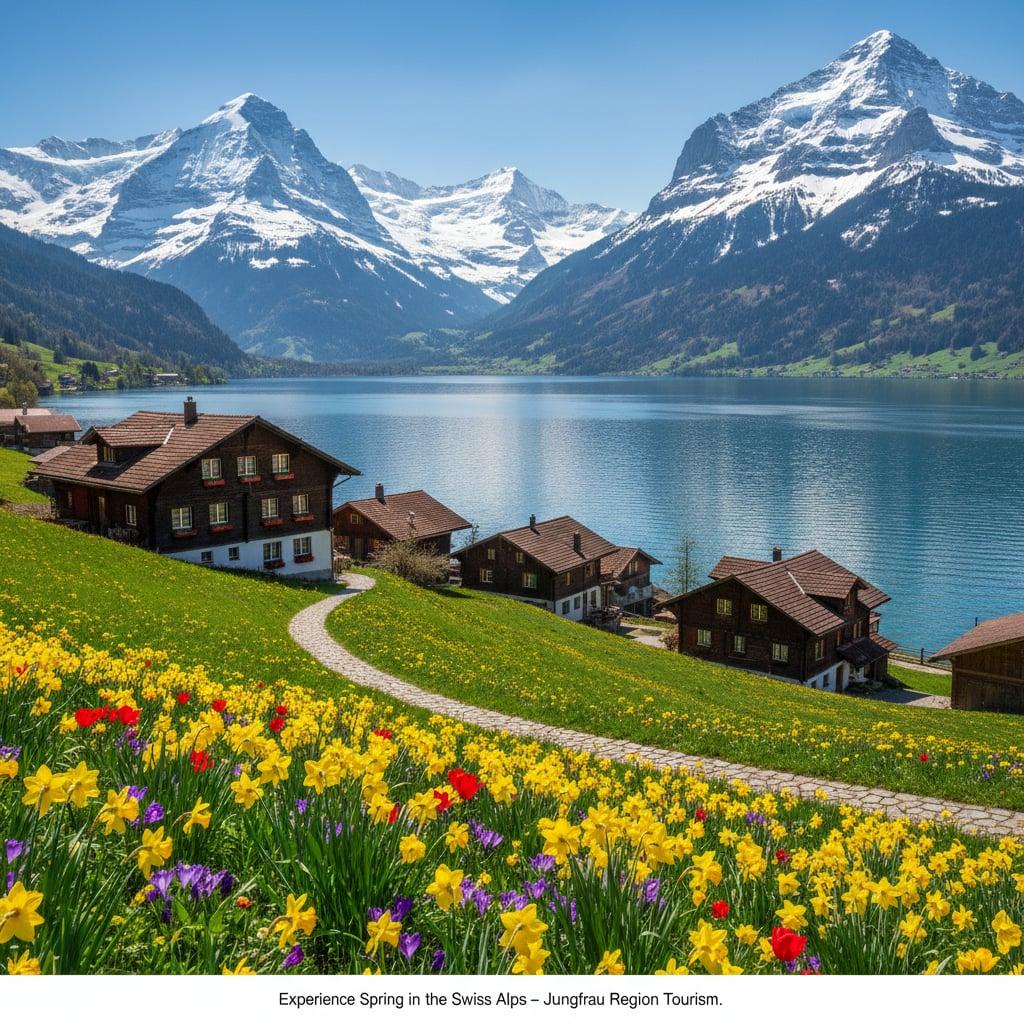
Alps Home Prices Rise Across Switzerland 2025.

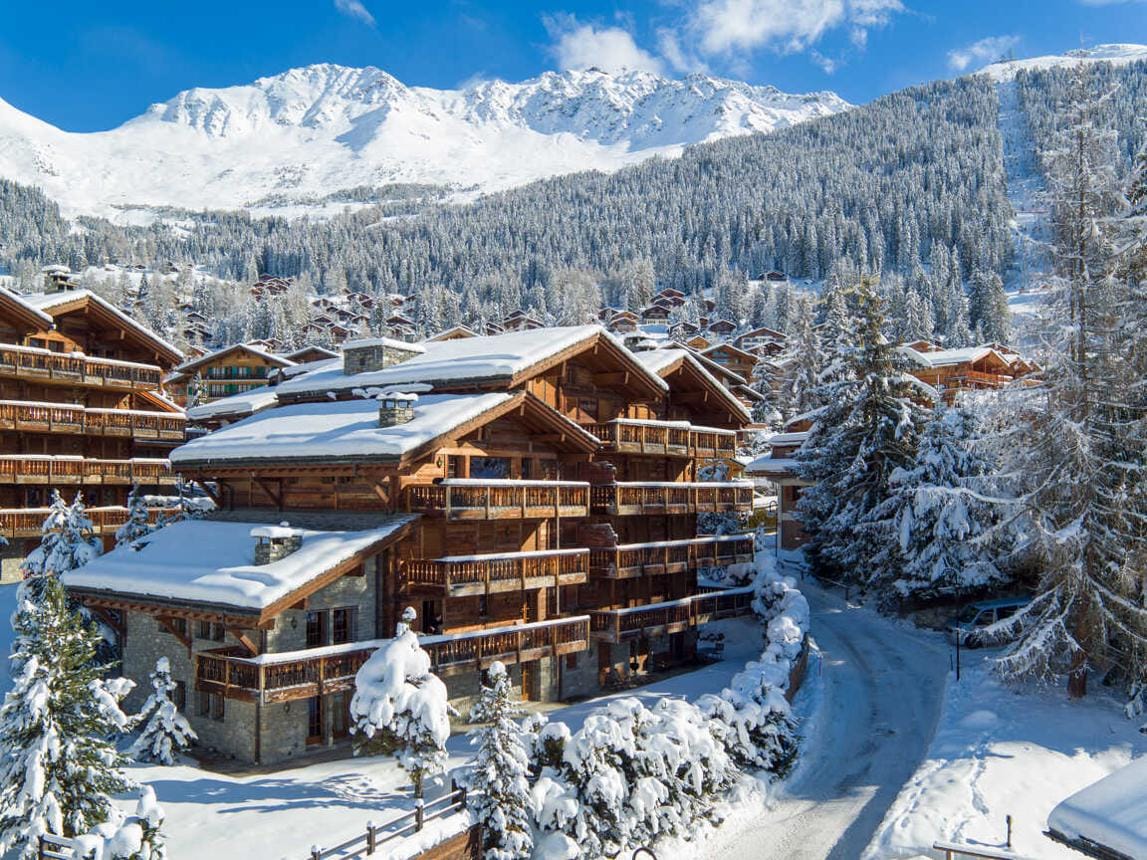
Property prices in the Swiss Alps continue to rise sharply, according to the latest Alpine Property Index released by UBS. The report shows that residential property values in Alpine regions have increased by nearly 4% in 2025 alone, reflecting strong demand for homes in Switzerland’s most prestigious mountain destinations.

The price growth is particularly visible in popular tourist and luxury resort towns, where limited land availability and high international demand continue to push values upward. Holiday homes and high-end apartments in these regions remain highly sought after by both local and foreign buyers.

Among the most expensive locations, Gstaad stands out as the top-ranked Alpine property market, with average prices reaching around 25,200 Swiss francs per square meter for premium holiday residences. The Engadin / St. Moritz region follows closely at approximately 24,000 francs per square meter, while Verbier records around 23,600 francs.

Other high-value markets include Andermatt, where property prices reach about 22,200 francs per square meter, and Zermatt, with average prices around 21,000 francs per square meter. These figures highlight the continued strength of Switzerland’s luxury real estate sector.

Experts say the ongoing price surge is driven by several factors, including rising tourism demand, limited construction land in mountain regions, and strong interest from international investors seeking stable and premium real estate assets in Switzerland.

Analysts also note that Alpine properties are increasingly viewed as both lifestyle investments and long-term financial assets, further supporting sustained price growth across the region.

With demand remaining strong, the Swiss Alpine property market is expected to stay competitive, especially in high-end resort destinations where supply remains limited.

Swiss Spring 2026 Among Warmest on Record.

Swiss Spring 2026 became the third warmest spring ever recorded in Switzerland, according to the Federal Office of Meteorology and Climatology (MeteoSwiss). The season brought unusually high temperatures, abundant sunshine, and exceptionally dry weather across much of the country. National temperatures from March to May averaged 1.6°C above the 1991–2020 climate reference period, making it one of the warmest springs in Swiss history.

April stood out as one of the hottest months ever recorded, while May delivered dramatic weather changes. A brief cold spell with frost and snowfall at lower elevations quickly gave way to an unusually early heatwave. By the end of May, several regions recorded new daily temperature highs, highlighting the intensity of the warming trend across Switzerland.

The southern Swiss town of Biasca in Canton Ticino reached 34.8°C on May 28, setting a new May temperature record for the southern side of the Alps. The figure came remarkably close to Switzerland’s all-time May record of 35.1°C, recorded in Sion in 2009. Meteorologists noted that such extreme temperatures are becoming increasingly common during spring months.

Switzerland also experienced one of its driest springs on record. Many regions received between 40% and 90% less rainfall than normal. Eastern Switzerland, including Graubünden and the Engadin region, faced particularly severe dryness, recording the driest spring since weather observations began in 1901.

Experts continue to monitor these climate patterns as rising temperatures and prolonged dry conditions increasingly affect agriculture, water resources, and ecosystems across Switzerland. The latest data highlights the growing impact of climate change on the country’s seasonal weather patterns.

Swiss Ski Resort Opens Europe’s Highest Habitable Tower at 3,020 Metres

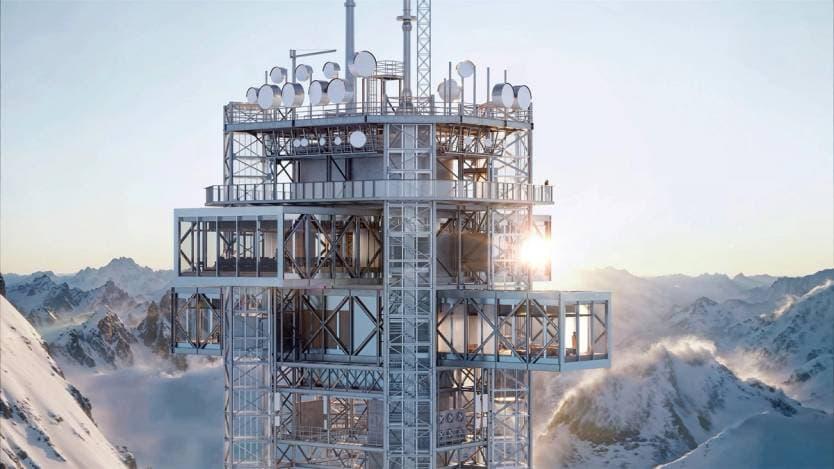
A major new attraction has opened in the Swiss Alps as the Engelberg ski resort in canton Obwalden unveiled the newly transformed Titlis Tower, now recognized as Europe’s highest habitable tower.

Located at an altitude of 3,020 metres above sea level, the tower was officially presented on Friday after three years of construction and redevelopment. The structure, originally built in the 1980s as a telecommunications transmission tower, has been converted into a modern visitor destination overlooking the spectacular Alpine landscape.

New Attraction on Mount Titlis

The Titlis Tower stands near the glacier area and close to the summit of Mount Titlis, one of Switzerland’s most popular mountain destinations. Visitors can access a viewing platform capable of accommodating up to 500 people, offering panoramic views of the surrounding Swiss Alps.

Entry to the observation platform will cost CHF 19.

Restaurant and Luxury Facilities

The tower also features two glass-enclosed luxury containers housing a 125-seat restaurant operated by an award-winning chef. In addition, visitors can explore a boutique luxury watch store and enjoy upgraded facilities including new lifts and stairways.

The CHF 150 million project was designed by renowned Swiss architects Herzog & de Meuron and aims to strengthen the region’s tourism appeal.

Respectful Opening

Officials confirmed that no official inauguration ceremony would be held. The decision was made out of respect for the victim of a fatal ski lift accident that occurred in the Engelberg ski area on March 18.

The attraction is scheduled to open to the public from Monday.

Future Development Plans

The Titlis cable car company has also announced plans to construct a new arrival station by 2029, replacing the existing facility located at the foot of the tower.

The project additionally involved a land exchange of approximately 1,500 square metres between the cantons of Obwalden and Bern, ensuring that the new infrastructure remains entirely within Obwalden territory.

With its record-breaking altitude and luxury visitor experience, the Titlis Tower is expected to become one of Switzerland’s most iconic mountain attractions.

Scientists Trigger Controlled Quakes Beneath the Swiss Alps

Researchers in Switzerland have successfully triggered thousands of tiny controlled earthquakes beneath the Swiss Alps as part of a groundbreaking scientific experiment aimed at improving earthquake research and reducing future seismic risks.

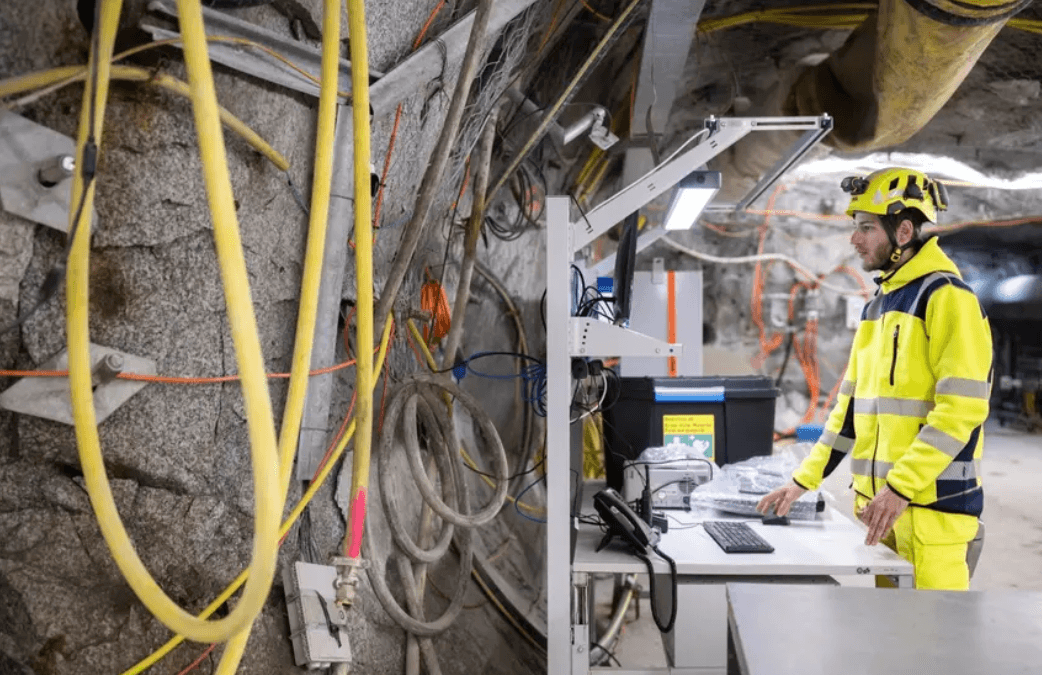
The project took place deep underground inside the ETH Zurich research facility known as BedrettoLab. Scientists conducted the experiment inside a 5.2-kilometre ventilation tunnel connected to the Furka railway tunnel in southern Switzerland.

Leading geologist Domenico Giardini described the experiment as a major success. Researchers intentionally created controlled seismic activity to better understand how the Earth behaves deep below the surface when tectonic movement occurs.

According to scientists, the experiment generated thousands of very small earthquakes in a fully monitored environment. Advanced sensors and monitoring systems allowed researchers to study underground rock movements, pressure changes, and seismic reactions in real time.

Experts believe the findings could help improve earthquake prediction models, underground construction safety, geothermal energy projects, and seismic risk management in the future.

The BedrettoLab research centre has become one of Europe’s leading underground laboratories for studying seismic activity and Earth science technology. Scientists say controlled experiments like this could provide valuable information about natural earthquakes and help protect communities in earthquake-prone regions.