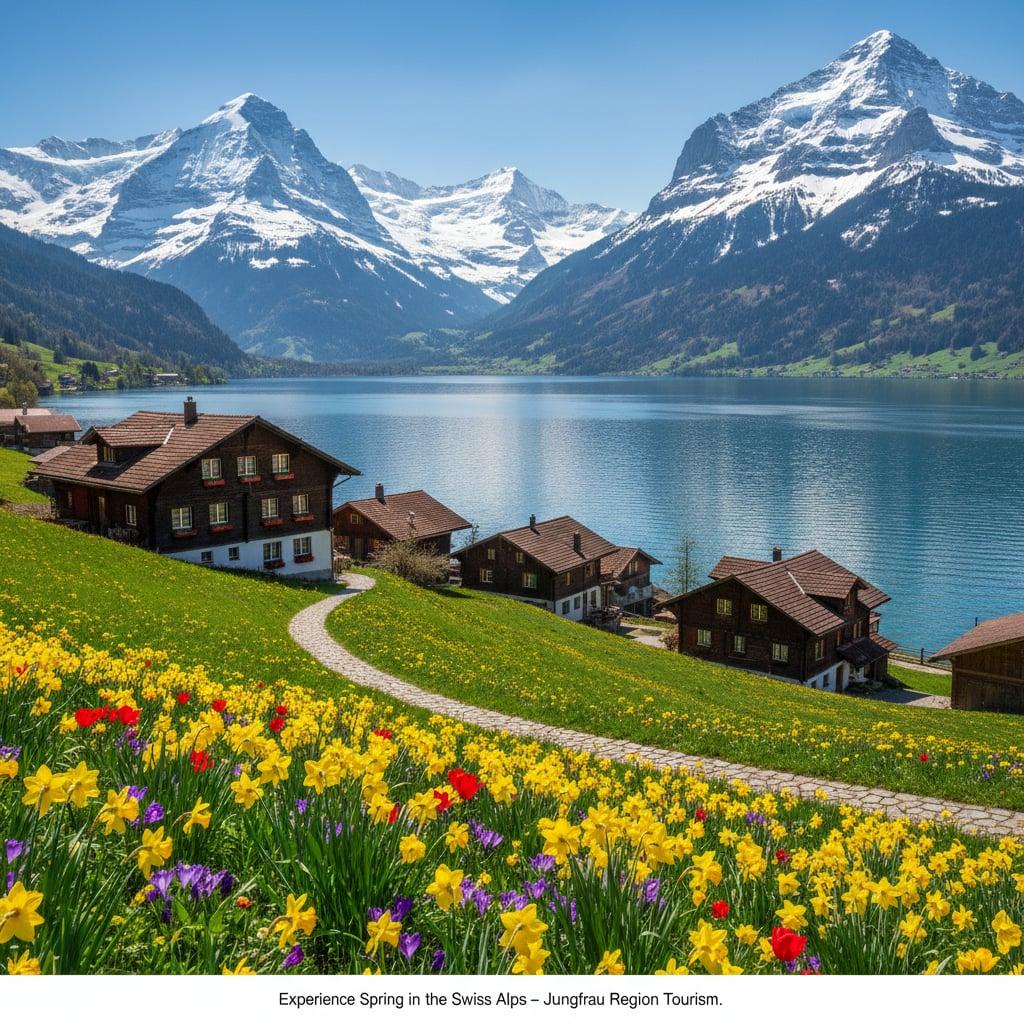
Swiss Study Finds Bitcoin Generates High CO2 Emissions.

A new Swiss study has highlighted the significant environmental impact of Bitcoin, revealing that a single Bitcoin transaction generates approximately 486 kilograms of carbon dioxide (CO2). The research was conducted by the Lucerne University of Applied Sciences and Arts in partnership with Swiss Economics on behalf of Germany’s Federal Environment Agency.

The findings underline the growing debate surrounding the environmental sustainability of cryptocurrencies. According to the study, Bitcoin remains one of the most energy-intensive digital currencies due to its mining process, which requires vast computing power and substantial electricity consumption.

Bitcoin mining involves thousands of computers worldwide competing to validate transactions and create new coins. This process, known as Proof of Work, consumes large amounts of energy and contributes significantly to global carbon emissions.

In contrast, the study found that Ethereum generates only around 0.003 kilograms of CO2 per transaction. This figure is even lower than the emissions associated with a transaction through online payment platforms such as PayPal. Ethereum’s lower environmental footprint is largely due to its transition away from energy-intensive mining systems.

Researchers note that the difference between Bitcoin and Ethereum highlights how blockchain technology can vary dramatically in terms of sustainability. While Bitcoin continues to face criticism for its environmental impact, newer blockchain systems are increasingly adopting energy-efficient approaches that significantly reduce electricity consumption.

The study adds to ongoing global discussions about the future of cryptocurrencies and their role in climate policy. As governments and regulators focus more closely on sustainability, environmental performance is expected to become an increasingly important factor in the development and adoption of digital currencies.

Experts believe the findings could encourage further innovation in the crypto industry, pushing developers toward greener technologies that balance financial innovation with environmental responsibility.
Swiss Rivers and Lakes Remain Critically Low Despite Rain.

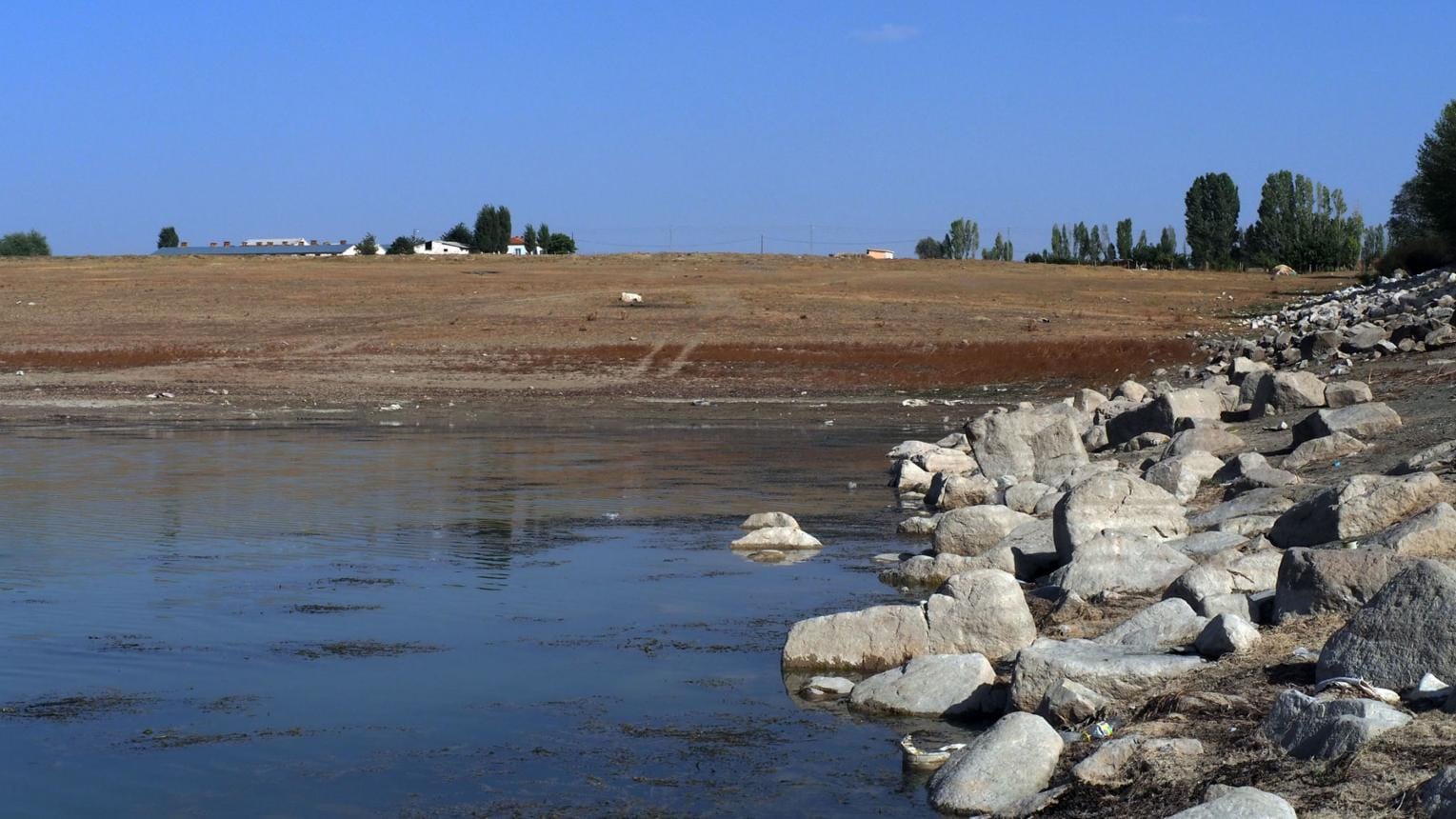
Switzerland continues to experience drought conditions as water levels in many rivers and lakes remain significantly below normal despite recent rainfall. According to measurements from the Federal Office for the Environment (FOEN), several major waterways across the country are still showing unusually low levels for this time of year.

The High Rhine, Reuss, and Limmat rivers remain below their seasonal averages, highlighting the ongoing impact of dry weather conditions that have persisted for months. While this week’s rain provided temporary relief, experts say it has not been enough to restore water levels to normal.

Lake Constance and Lake Zug are among the most affected areas. Hydrologists attribute the situation to prolonged drought combined with above-average temperatures, which have increased evaporation rates across Switzerland. The combination of reduced rainfall and warmer weather has placed additional pressure on lakes, rivers, and surrounding ecosystems.

Earlier this month, the western section of Lake Constance reached a historic low water level, creating challenges for navigation and transport. Since the end of April, a stretch of the Rhine River between Stein am Rhein and Diessenhofen has remained impassable due to insufficient water levels. However, shipping operations on Lake Zug and Lake Aegeri have continued without major disruptions despite the challenging conditions.

Environmental experts warn that extreme fluctuations between high and low water levels are becoming increasingly common. Unregulated bodies of water such as Lake Constance and Lake Walen are particularly vulnerable to changing weather patterns. According to Swiss Shipping Company Untersee und Rhein, these fluctuations have intensified in recent years, making water management and navigation more difficult.

The contrast has been striking. In June 2024, authorities issued the highest-level flood warning for the Untersee region. Less than a year later, the same area recorded historically low water levels. Experts say this demonstrates the growing unpredictability of weather patterns and the challenges they create for communities, businesses, and transport networks.

As Switzerland faces another dry season, authorities and industry leaders are exploring long-term solutions to maintain navigation, protect water resources, and adapt to increasingly extreme weather conditions. The situation continues to be closely monitored as concerns grow about the environmental and economic impacts of prolonged drought.

Swiss Insect Species Show Mixed Recovery.

Researchers from several Swiss institutions analyzed records of 811 insect species collected between 1930 and 2021. The study, published in the journal Nature Ecology and Evolution, provides one of the most comprehensive pictures of long-term insect population trends in Switzerland.

The findings show that deadwood beetles have experienced a strong recovery after decades of decline. Their numbers dropped steadily until around 1960 but later stabilized and have now returned to levels similar to those recorded in 1930. Scientists attribute this recovery to improved forest management practices, increased biodiversity protection, and the availability of more deadwood habitats.

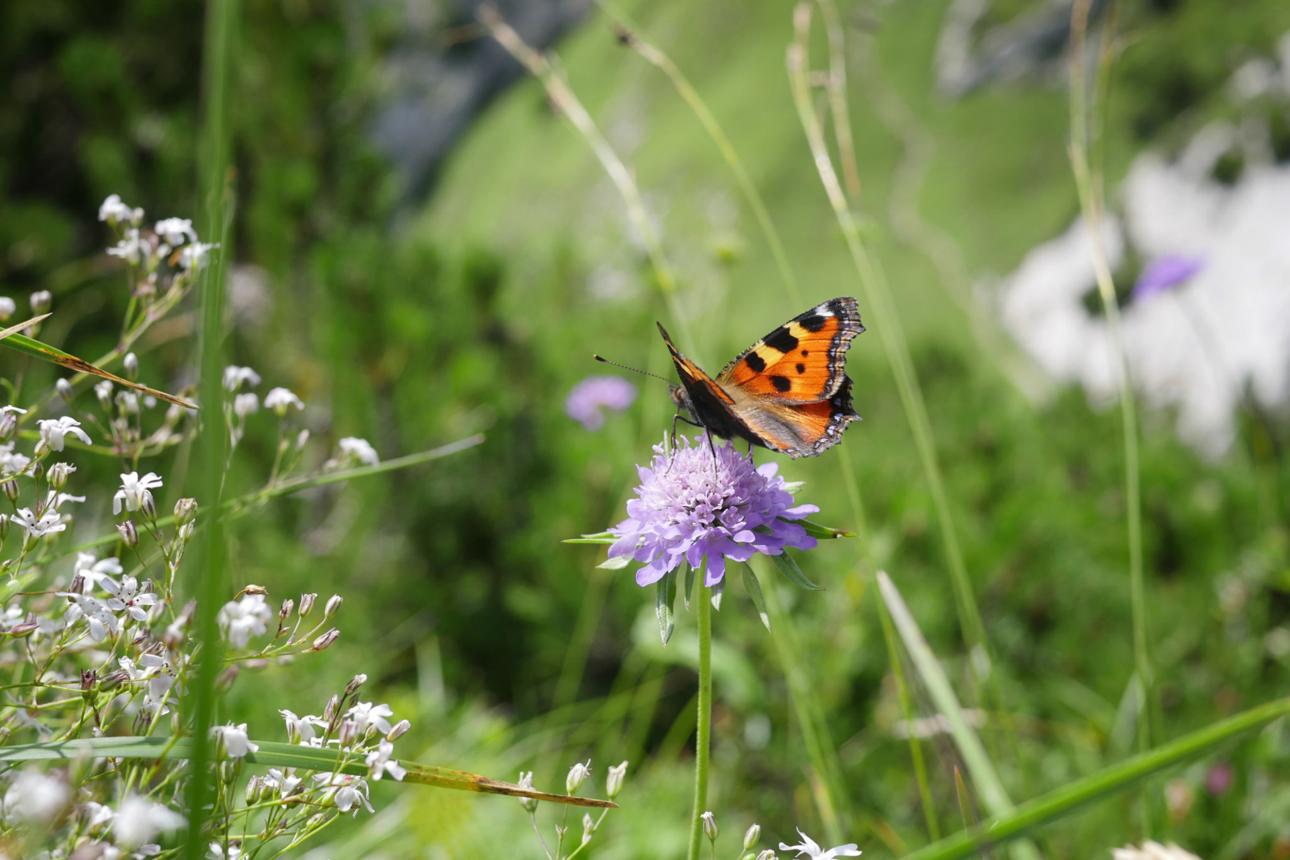
Butterflies, however, tell a very different story. Their diversity declined sharply until the 1980s and has failed to recover. Today, Switzerland has approximately 12% fewer butterfly species than it did in 1930. The decline is especially severe in the Central Plateau region, where butterfly diversity has fallen by nearly 29%.

Researchers point to agricultural intensification between 1950 and 1980 as a major factor behind these losses. The widespread use of fertilizers and pesticides, combined with landscape simplification, significantly reduced natural habitats for many insect species.

Climate change has also played a role. Rising temperatures have benefited certain warmth-loving species, particularly deadwood beetles, allowing them to expand their range. Major storms such as Vivian in 1990 and Lothar in 1999 also created large amounts of deadwood, providing valuable habitats for beetle populations.

The study highlights that environmental protection measures introduced since the 1990s have produced positive results, particularly in forest ecosystems. However, researchers warn that stronger and more targeted conservation efforts are still needed to protect vulnerable species such as butterflies.

Experts believe that preserving biodiversity remains essential for maintaining healthy ecosystems, pollination services, and Switzerland’s natural heritage. The findings serve as both a success story for conservation and a reminder that many species still require urgent protection.

Swiss Lakes Hit Record High Temperatures in May.

Switzerland’s lakes are experiencing unprecedented warmth, with many recording their highest-ever temperatures for the month of May. According to recent reports, 26 of the country’s 32 largest lakes have reached record surface temperatures, highlighting the growing impact of warmer weather and climate change.

Several well-known lakes, including Lake Zurich, Lake Geneva, Lake Maggiore, Lake Lucerne, and Lake Brienz, have all recorded unusually high temperatures. On Saturday, many lakes exceeded 20°C, a level typically associated with warmer summer periods rather than late spring.

Lake Murten recorded the highest temperature at 24.6°C, followed by Lake Geneva at 23.6°C. Lake Zurich reached 22.4°C, while Lake Maggiore measured 21.8°C. Lake Lucerne and Lake Biel also exceeded seasonal averages, both recording temperatures of 20.3°C.

Scientists warn that warmer lake water can create environmental and health challenges. Higher temperatures encourage the growth of blue-green algae, bacteria, and cercaria, commonly known as duck fleas. These microscopic larvae can trigger allergic skin reactions and severe itching in swimmers.

Researchers from the Swiss Federal Institute of Aquatic Science and Technology (Eawag) believe that duck fleas could become more widespread in Swiss lakes during future summers as water temperatures continue to rise.

The warming trend also threatens aquatic wildlife. Cold-water fish species such as trout and char require oxygen-rich environments to survive. Experts explain that prolonged water temperatures above 20°C can become dangerous for these species, affecting their growth, health, and survival rates.

Climate specialists warn that rising lake temperatures are placing increasing pressure on freshwater ecosystems across Switzerland. As extreme weather patterns become more frequent, scientists are closely monitoring lake conditions and their impact on biodiversity.

The record-breaking temperatures serve as another reminder of the environmental challenges linked to a warming climate and the need for continued conservation efforts to protect Switzerland’s natural resources.

Swiss Spring 2026 Among Warmest on Record.

Swiss Spring 2026 became the third warmest spring ever recorded in Switzerland, according to the Federal Office of Meteorology and Climatology (MeteoSwiss). The season brought unusually high temperatures, abundant sunshine, and exceptionally dry weather across much of the country. National temperatures from March to May averaged 1.6°C above the 1991–2020 climate reference period, making it one of the warmest springs in Swiss history.

April stood out as one of the hottest months ever recorded, while May delivered dramatic weather changes. A brief cold spell with frost and snowfall at lower elevations quickly gave way to an unusually early heatwave. By the end of May, several regions recorded new daily temperature highs, highlighting the intensity of the warming trend across Switzerland.

The southern Swiss town of Biasca in Canton Ticino reached 34.8°C on May 28, setting a new May temperature record for the southern side of the Alps. The figure came remarkably close to Switzerland’s all-time May record of 35.1°C, recorded in Sion in 2009. Meteorologists noted that such extreme temperatures are becoming increasingly common during spring months.

Switzerland also experienced one of its driest springs on record. Many regions received between 40% and 90% less rainfall than normal. Eastern Switzerland, including Graubünden and the Engadin region, faced particularly severe dryness, recording the driest spring since weather observations began in 1901.

Experts continue to monitor these climate patterns as rising temperatures and prolonged dry conditions increasingly affect agriculture, water resources, and ecosystems across Switzerland. The latest data highlights the growing impact of climate change on the country’s seasonal weather patterns.