

Man Caught With 50kg of Marijuana at Swiss-German Border Claims “Personal Use”

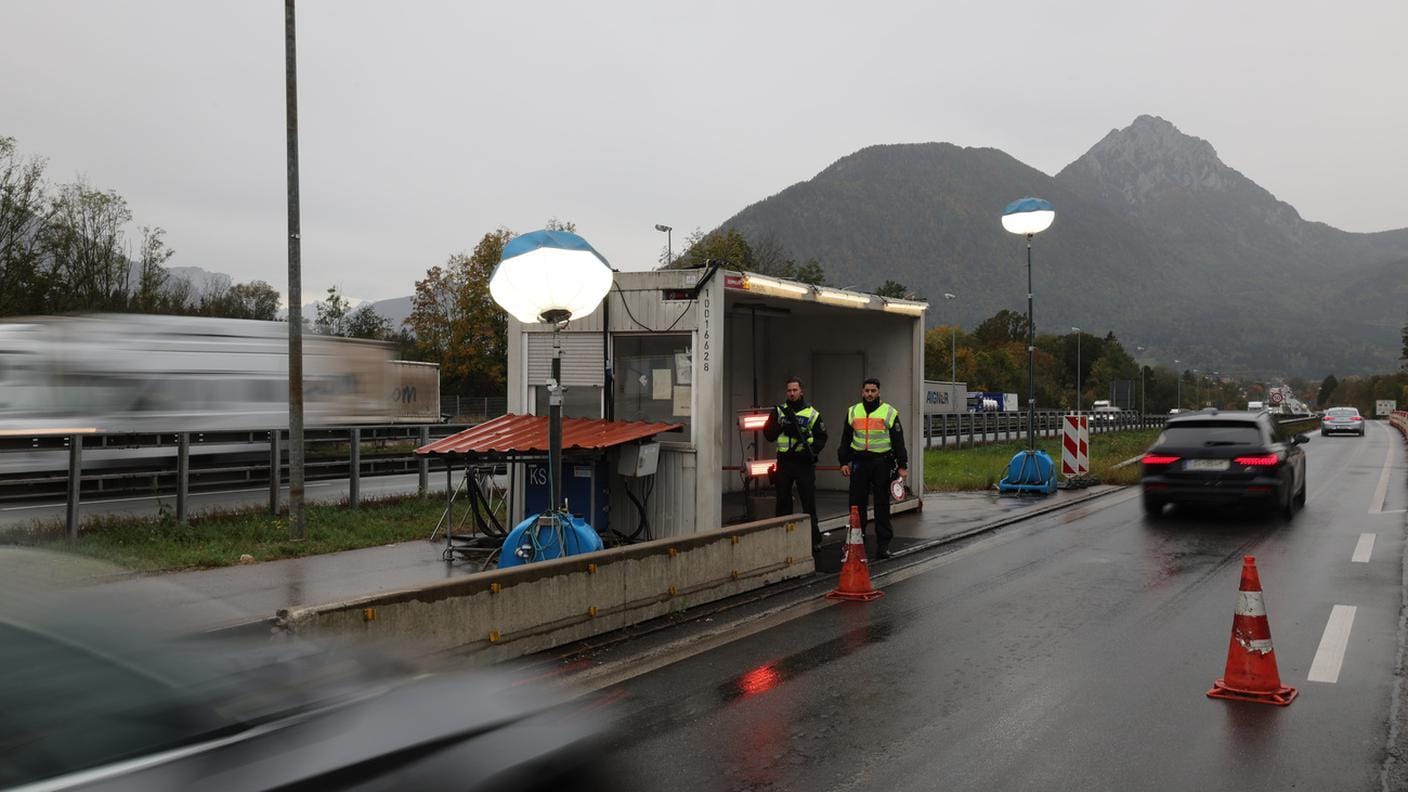
A 24-year-old Polish man has been arrested at the Switzerland–Germany border after German customs officers discovered 50 kilograms of marijuana hidden inside his vehicle.

The incident took place in Blumberg, near the border of the Swiss canton of Schaffhausen. Authorities from German customs in Singen reported that the suspect claimed the drugs were purchased in Switzerland for “personal use.”

However, officials quickly dismissed the claim, stating that the import, export, and transit of cannabis remain strictly prohibited under German law, even when claimed for personal consumption.

The seizure occurred at the end of April but was officially reported this week. Customs officers found the drugs carefully concealed in multiple locations inside a Mercedes vehicle registered in Germany.

According to investigators, the cannabis was packed into 47 separate bags and hidden in the boot, spare wheel compartment, and footwell area behind the rear seats.

German authorities confirmed that criminal proceedings are now underway against the suspect as they continue to investigate the origin and intended destination of the large drug shipment.

Officials highlighted that cross-border drug trafficking remains a serious concern in the region due to the proximity of Switzerland and Germany, where vehicle inspections and customs checks frequently uncover illegal transport attempts.

The case adds to a growing number of drug-related arrests along European border routes, where organized smuggling networks often exploit busy transit corridors.
Europe’s AI Defence Revolution Gains Momentum

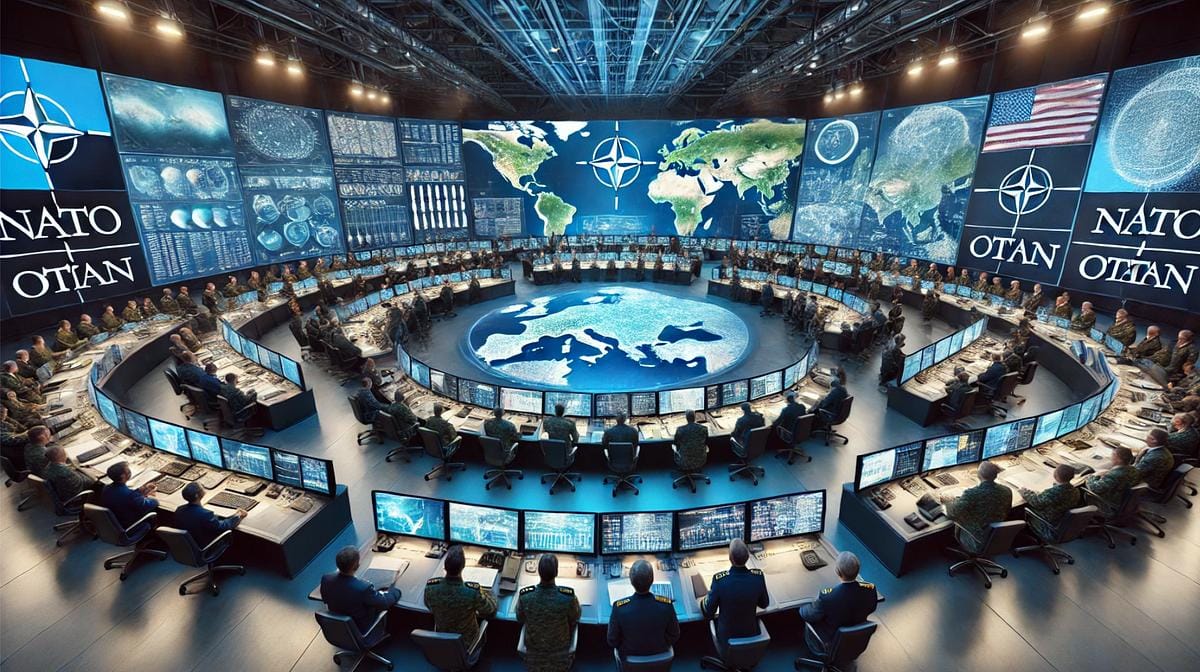
European defence forces are rapidly accelerating the integration of artificial intelligence into military systems, marking a major shift from experimental use to operational deployment across the continent.

According to defence analysts speaking to Euronews, countries including Germany, France, Ukraine, and the United Kingdom are leading Europe’s push to integrate AI into modern warfare systems.

One of the most significant recent developments is the “Brave Germany” programme, launched by Germany and Ukraine, which aims to deploy approximately 5,000 joint AI-enabled medium-range strike drones. The initiative reflects growing collaboration between European states on advanced defence technologies.

Experts say Europe’s militaries have already used artificial intelligence for years in logistics, human resources, and equipment maintenance. However, recent developments show a shift toward integrating AI into core operational and tactical decision-making systems.

Stockholm International Peace Research Institute (SIPRI) researcher Laura Bruun explains that early military AI adoption began around 2015, when the technology became advanced enough to significantly improve operational efficiency.

She notes that even basic AI systems can optimise battlefield logistics and route planning, similar to navigation tools used in everyday applications.

Current AI defence investment in Europe is largely focused on two key areas: semi-autonomous weapon systems and AI-driven decision-support systems that assist commanders in real time.

Analysts say the rapid expansion of military AI raises strategic, ethical, and security questions as countries balance innovation with regulation and international law.

As AI integration deepens, Europe’s defence landscape is expected to continue evolving, with increased collaboration, competition, and investment shaping the next phase of military modernization.