Fake Work Permits Exposed in Switzerland

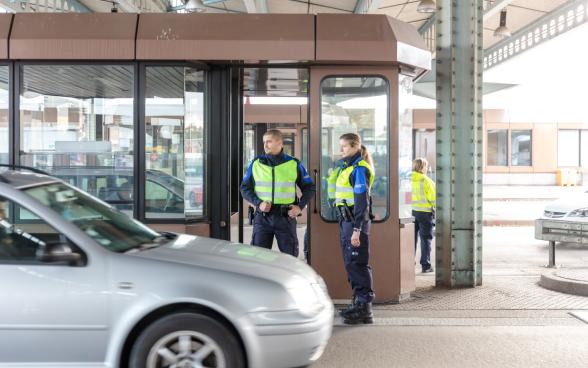
Swiss authorities have issued a strong warning after discovering a large number of foreign nationals working with fake permits across the country. Officials revealed that nearly 1,500 people have been caught using fraudulent work authorization documents in Switzerland during 2025.

According to the Swiss State Secretariat for Migration, a total of 1,456 foreign workers were identified by Federal Customs and Border Security officials while using fake work permits. Investigators have also uncovered forged employment contracts, fake companies, and counterfeit identity documents being used to obtain jobs illegally.

Authorities stressed that document fraud remains a serious criminal offence in Switzerland. The growing number of cases has prompted officials to increase monitoring efforts and strengthen inspections at workplaces and border checkpoints.

Swiss immigration authorities warned that anyone found using fake permits, forged documents, or working illegally in the country could face severe consequences. Penalties may include heavy fines, imprisonment, deportation, and a ban from entering the Schengen Area for up to five years.

Officials are urging foreign nationals seeking employment in Switzerland to verify all documents through official channels and avoid unauthorized agents or fraudulent recruitment schemes. Employers have also been reminded to carefully check the authenticity of work permits and employment documents before hiring staff.

Swiss authorities continue to investigate several cases linked to document fraud networks and have pledged to take strict action against individuals and organizations involved in illegal employment activities.

Swiss Airports Warn Non-EU Travelers of Longer Delays

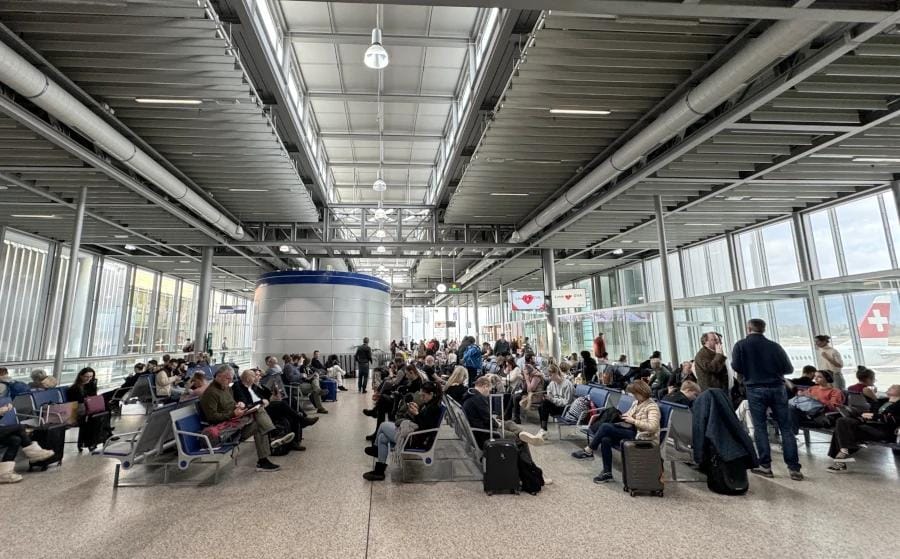
Swiss airports have issued an important warning to international travelers, particularly those arriving from countries outside the European Union. Passengers may experience significantly longer waiting times at border control checkpoints due to the implementation of the European Union’s new Entry/Exit System (EES).

The EES requires non-EU nationals traveling to and from the Schengen Area for short stays to register biometric information, including fingerprints and facial photographs, at border crossings. The new digital system is designed to strengthen border security and improve the monitoring of traveler movements across Europe.

As a result, travelers arriving in Switzerland may face additional processing times while their biometric data is collected and verified. Airport authorities have advised passengers to allow extra time when planning their journeys.

Zurich Airport has warned that waiting times could reach up to one hour during peak travel periods. Geneva Airport has also indicated that passengers may experience delays as the new procedures are introduced.

Airport officials have further noted that the situation could become more challenging in the coming weeks as the summer holiday season approaches. Increased passenger numbers combined with the new registration requirements are expected to place additional pressure on border control operations.

Travelers are encouraged to arrive early, keep all travel documents ready, and follow airport guidance to ensure a smoother travel experience. Swiss authorities continue to monitor the implementation of the system and are working to minimize disruptions for passengers.

Swiss Airports Face Longer Waits Under New EU System.

Air travelers arriving in Switzerland from countries outside the Schengen area, such as the United States and the United Kingdom, are experiencing longer waiting times at airports due to the rollout of a new European border control system.

The system, known as the Entry/Exit System (EES), records all entries and exits of non-EU, non-Schengen travelers within the Schengen zone. It applies to passengers who do not hold passports from EU countries or associated states such as Norway, Iceland, Liechtenstein, or Switzerland.

The EES has been gradually introduced and has been fully operational across the Schengen area since April 10. According to EU officials, the system has already registered around 90 million travelers, with approximately two million new registrations processed each week. The system is designed to strengthen border security, track travel movements, and identify security risks more efficiently.

However, the new process has also led to delays at several airports, including those in Switzerland. At Zurich Airport, the system was introduced in November 2025, while Geneva Airport began using it in October 2025. Authorities confirm that first-time registrations require detailed data collection, including personal information, travel document details, and biometric data such as fingerprints and facial images.

Because of these additional requirements, border processing times have increased, especially when multiple long-haul flights arrive at the same time. In some cases, passengers have reported waiting times of up to one to two hours before completing entry procedures.

Airport officials say the system is generally stable and reliable, but they acknowledge that longer queues can occur during peak travel periods. They expect processing times to improve as border staff gain more experience with the new system.

Geneva Airport also experienced significant delays during the winter ski season, when daily passenger numbers exceeded 70,000. On the busiest days, waiting times reached up to two and a half hours, according to airport authorities.

While responsibility for border checks differs between airports, with Zurich managed by cantonal police and Geneva overseen by the Federal Office for Customs and Border Security, both authorities confirm that the Entry/Exit System is functioning as intended but requires additional processing time.

Officials emphasize that the system plays an important role in improving security across the Schengen area, even as efforts continue to streamline procedures and reduce waiting times for international travelers.

Switzerland to Align with EU on Migrant Return Centres Abroad.

Switzerland is set to follow new European Union (EU) migration rules that allow for the creation of migrant return centres outside Europe for rejected asylum seekers. As part of the Schengen area, Switzerland is required to align its national laws with the evolving EU migration framework.

A deal reached in Brussels will introduce measures aimed at speeding up deportation procedures and improving coordination among member states. Countries that choose to participate will be allowed to establish centres in third countries to host individuals whose asylum applications have been rejected.

According to Switzerland’s State Secretariat for Migration (SEM), the country will have up to two years to integrate the new rules into national legislation. The proposal will be reviewed by the Swiss Parliament and may also be subject to an optional referendum.

However, the implementation of such centres depends on whether suitable partner countries agree to host them. These centres could serve either as final destinations or temporary holding locations before migrants are transferred to their country of origin or another third state. All arrangements must comply with international human rights standards.

The European Council has stated that families may also be placed in these centres, although unaccompanied minors will be exempt under the current framework. Discussions are still ongoing regarding potential host countries and operational structures.

Swiss authorities have indicated that any participation will depend on legal compliance, international agreements, and parliamentary approval. The issue is expected to generate political debate within Switzerland as migration policy remains a sensitive national topic.

Swiss Anti-Immigration Vote Could Hurt Economy.

Switzerland is preparing for a major national referendum that could significantly affect the country’s economy, workforce, and international border relations. The proposal, introduced by the Swiss People’s Party, aims to stop Switzerland’s population from exceeding 10 million people under the campaign slogan “No to 10 Million Switzerland.”

Swiss voters will cast their votes on June 14. Supporters of the proposal argue that limiting immigration will reduce pressure on housing, transportation, and public services. However, economic experts warn that the decision could create serious long-term problems for Switzerland.

Research organization Ecoplan states that if the proposal succeeds, Switzerland could face difficulties within the Schengen zone. Neighboring countries including France, Germany, Italy, and Austria may introduce stronger border checks. These restrictions could heavily affect thousands of workers who cross borders daily for employment.

Regions such as Geneva, Ticino, and Basel are expected to face the biggest impact. Nearly 400,000 cross-border workers travel into Switzerland every day. If stricter controls begin at all borders, workers may experience delays of more than one hour while commuting.

Experts believe that many foreign workers may eventually stop working in Switzerland because of these delays and restrictions. Reports suggest that nearly two-thirds of cross-border employees could leave their jobs if the situation becomes difficult.

Healthcare services may suffer the most. Swiss hospitals and essential service sectors depend heavily on international workers. A reduction in foreign employees could create staff shortages and affect public services across the country.

Economic analysts warn that the referendum may weaken Switzerland’s economy, reduce workforce availability, and increase operational challenges for businesses. As the national vote approaches, the debate over immigration and economic stability continues to grow across Switzerland.