


Former Raiffeisen CEO Faces CHF1 Million Tax Penalty.

Former Raiffeisen Switzerland CEO Pierin Vincenz has reportedly been ordered to pay nearly CHF1 million in fines linked to tax evasion, according to reports published by Swiss newspaper SonntagsZeitung.

The report states that the Swiss Federal Supreme Court confirmed the sentence in a judgment that recently became legally binding. Swiss tax-related court proceedings are generally not public, which is why the case had remained largely unknown until now.

Authorities allege that Vincenz failed to declare approximately CHF3.4 million in taxable income. In addition to the financial penalty, he could also be required to pay significant backdated taxes.

During the proceedings, Vincenz denied the allegations against him.

The investigation reportedly began after tax authorities in Appenzell Ausserrhoden reviewed a criminal indictment connected to an ongoing case in Zurich and identified suspicious financial transactions.

In 2022, Vincenz and several associates were found guilty of fraud and embezzlement in a separate criminal case involving acquisitions made during his leadership at Raiffeisen. However, appeals against those convictions are still ongoing.

A February 2025 ruling by Switzerland’s highest court reportedly upheld parts of the earlier legal findings, making the latest tax penalty enforceable.

Vincenz continues to face legal scrutiny over accusations that he personally benefited from business deals conducted while serving as chief executive of Raiffeisen. Another appeal hearing in the broader case is expected to take place in August.

The case remains one of the most closely followed financial and corporate governance scandals in modern Swiss banking history.
Switzerland Banking Safety: Which Bank is Best for Savings?

Choosing a safe and reliable bank for savings in Switzerland is an important financial decision, especially for residents and expats looking for long-term security. Swiss banking is globally known for stability, strong regulation, and high trust levels, but some banks are considered safer and more practical for savings than others.

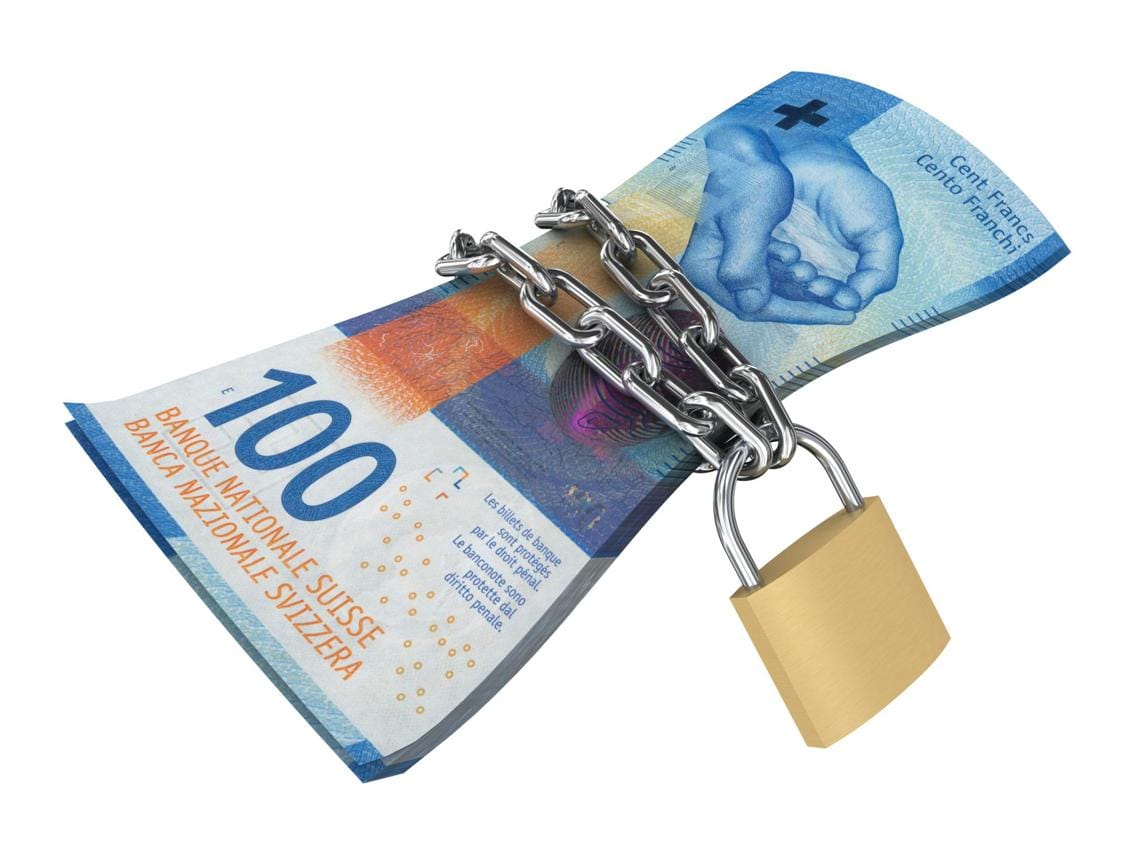
Among all banking options, Cantonal Banks are widely regarded as the most secure choice. These banks are backed by the individual cantons (regional governments), which adds an extra layer of financial protection beyond the standard Swiss deposit insurance system. In Switzerland, deposits are generally protected up to CHF 100,000 under the esisuisse guarantee scheme.

One of the strongest examples is the Zürcher Kantonalbank. It is considered one of the safest banks in the country because it has full backing from the Zurich canton government. This strong government guarantee, combined with high financial ratings, makes it a preferred option for conservative savers.

Another popular choice is Raiffeisen Switzerland. It is known for its community-based banking model and stable operations across the country. Many users choose Raiffeisen for its balance between safety and competitive savings interest rates.

The global banking giant UBS is also widely used in Switzerland. While it offers strong international services and wealth management solutions, its deposit protection follows the standard Swiss system without additional cantonal guarantees.

Additionally, PostFinance is considered a conservative option with government-linked trust perception, making it a popular choice for everyday savings and transactions.

Financial experts in Switzerland often recommend diversifying savings across multiple banks if deposits exceed CHF 100,000. This is because spreading funds reduces risk exposure and ensures full protection under Swiss deposit insurance rules. A common strategy includes splitting funds between Zürcher Kantonalbank, Raiffeisen, and investment platforms.

For residents in Zurich, Zürcher Kantonalbank is often seen as the most practical and secure choice due to its strong government backing, lower fees, and stable reputation in the Swiss financial system.

Switzerland Avoids Recession Despite Oil Crisis, Study Finds.

A new economic study suggests that Switzerland is unlikely to fall into recession despite rising global oil prices and ongoing energy market tensions linked to the Middle East situation.

According to economists at Raiffeisen Group, Switzerland’s economy is expected to continue growing in 2026, with projected GDP growth between 0.5% and 1%, depending on different economic scenarios.

Chief economist Fredy Hasenmaile stated that although the current energy crisis resembles past oil shocks, Switzerland is in a much stronger position today compared to the 1970s. During the 1973 oil crisis, the Swiss economy suffered a sharp downturn, with GDP falling significantly and inflation rising sharply.

However, the study highlights that Switzerland has become far less dependent on oil over the decades. Oil now accounts for a smaller share of total energy consumption, while energy efficiency across industries has improved significantly. This structural change has reduced the economic impact of oil price increases.

Economists estimate that a 10% rise in oil prices now reduces Swiss economic growth by only around 0.05%, compared to a much stronger impact in past decades.

Despite this resilience, the report warns that risks remain. Switzerland still imports a large share of its energy, and transportation remains heavily dependent on fossil fuels. Additionally, Switzerland’s export-driven economy is closely linked to global markets, making it sensitive to international economic fluctuations.

Overall, analysts conclude that Switzerland’s improved energy efficiency, diversified economy, and strong institutional stability help protect it from recession, even during global energy shocks.