


St Gallen Approves Headscarf Ban for Female Teachers

The Swiss canton of St Gallen has taken a significant step toward introducing a ban on headscarves for female teachers in public schools. The cantonal council approved a cross-party motion that will lead to new regulations regarding the wearing of headscarves by teaching staff.

The debate began following a controversial case in the municipality of Eschenbach. During the summer of 2025, several parents objected to the hiring of a young teacher who wished to teach while wearing a headscarf.

The issue sparked public discussion and raised questions about the role of religious symbols in educational institutions. Following the objections, the local school ultimately decided not to employ the teacher.

The incident quickly attracted political attention across the canton. Soon after, members from all four parliamentary groups in the St Gallen cantonal council jointly submitted a motion seeking legal clarification and a clear policy on the matter.

After extensive discussions, the cantonal council approved the proposal, paving the way for a ban on headscarves for female teachers in public schools. Supporters argue that the measure will help maintain religious neutrality within educational settings and provide clear guidelines for schools.

The decision has also generated debate among legal experts, education professionals, and community groups. Critics question whether such restrictions are compatible with individual religious freedoms and equal employment opportunities.

The approved motion marks an important development in Switzerland’s ongoing discussions surrounding religious symbols in public institutions. Further legal and administrative steps are expected before the policy is fully implemented across the canton.

As the issue continues to attract national attention, the St Gallen decision is likely to influence future debates on education policy, religious expression, and public service regulations in Switzerland.
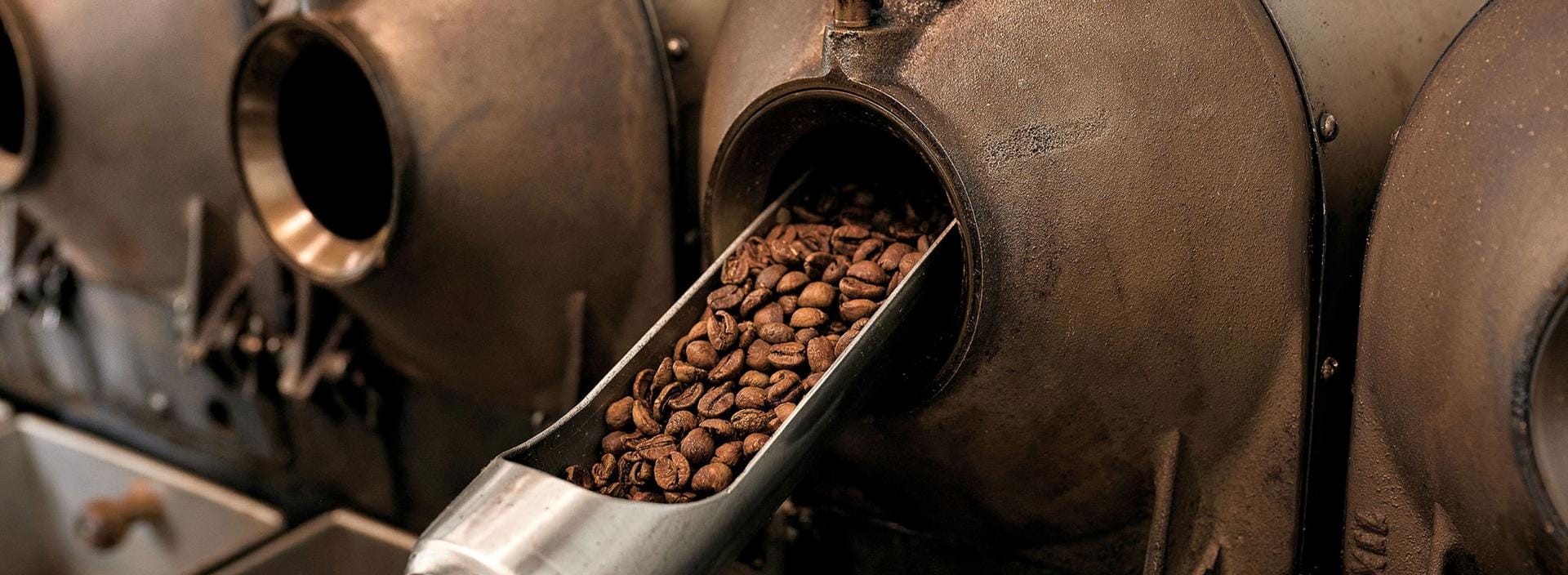
How Switzerland Became the World’s Second-Largest Coffee Exporter

Switzerland has become one of the most surprising leaders in the global coffee export market, despite not producing a single coffee bean due to its climate. Today, it ranks as the second-largest coffee exporter in the world, only behind Brazil.

The success is driven not by cultivation, but by high-value processing and re-exporting. Green coffee beans are imported into Switzerland at relatively low prices and then transformed into premium roasted products for global markets. According to research from the University of St. Gallen, raw coffee beans are imported at around $5 per kilogram, while processed exports can reach up to $26.80 per kilogram.

This massive value addition has made coffee Switzerland’s most important agricultural export, even surpassing traditional Swiss products such as cheese and chocolate in total export share.

A major contributor to this industry is global food and beverage giant Nestlé, which has built a strong global coffee ecosystem through brands like Nespresso and Nescafé. Switzerland has also become a key hub for trading, roasting, packaging, and distribution of coffee to international markets.

Experts say Switzerland’s success lies in its strong logistics infrastructure, political stability, financial systems, and high-tech food processing capabilities. These advantages allow companies to import raw materials, add value through advanced processing, and re-export finished goods efficiently.

However, the story of Swiss coffee dominance also has a complex side. While Switzerland profits significantly from coffee trading, most coffee is grown in developing countries where farmers often receive only a small portion of the final retail value. This global imbalance has sparked ongoing discussions about fairness in the coffee supply chain.

Today, Switzerland’s coffee industry stands as a powerful example of how a country can dominate global trade not through raw production, but through innovation, branding, and value-added processing.