Swiss Scientists Discover New Target for Treating Blindness.

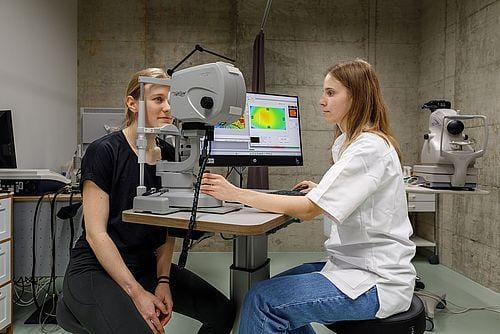
Researchers led by the University of Fribourg in Switzerland have identified a promising new biological target that could lead to improved treatments for age-related macular degeneration (AMD), one of the leading causes of blindness worldwide.

The study focuses on restoring the eye’s natural cellular recycling system, which plays a critical role in maintaining retinal health. Scientists believe that failure in this system is a key driver of vision loss as people age.

AMD primarily damages photoreceptors and retinal pigment epithelial cells, which are essential for clear central vision. When these cells deteriorate, patients gradually lose the ability to see fine details, significantly affecting daily life.

The Swiss research team, led by experts in cellular biology, investigated a process known as chaperone-mediated autophagy (CMA). This system normally helps cells remove damaged proteins and maintain internal balance, but it becomes less effective with age.

According to the findings, CMA activity is crucial for retinal health, and its breakdown may directly contribute to the development of AMD. By identifying this mechanism, researchers have uncovered a potential “control point” for future therapies.

The study also explored an experimental molecule known as CA77.1, which was designed to reactivate the cell’s waste-clearing system. In laboratory models, activation of this pathway reduced inflammation and slowed cellular degeneration linked to vision loss.

Tests on cells derived from AMD patients showed improved cellular stability when the recycling mechanism was strengthened. Scientists say this suggests a new direction in treatment strategies that focus on restoring natural cell function rather than only managing symptoms.

Age-related macular degeneration affects millions globally, with risk increasing significantly after the age of 50. In older populations, the disease becomes a major cause of irreversible central vision loss, creating an urgent need for innovative therapies.

Researchers believe that targeting cellular aging mechanisms could open the door to future treatments that preserve or even restore vision. While the findings are still in early stages, they represent a significant step forward in ophthalmology research.

Switzerland continues to strengthen its position as a leading hub for medical and life sciences innovation, with this study offering new hope for addressing age-related blindness in the future.

AI-Designed Vaccine Successfully Tested in Human Trial.

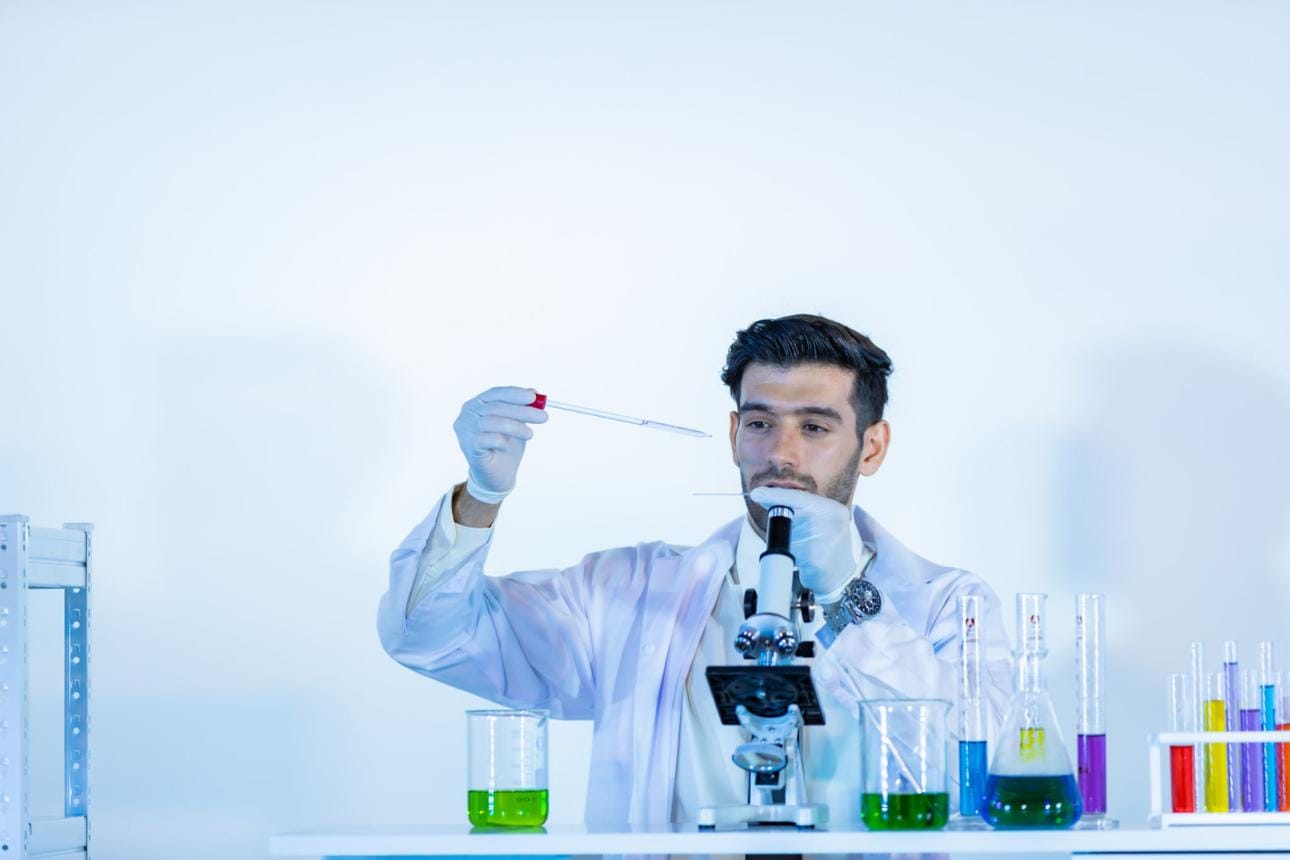
Scientists at the University of Cambridge have successfully completed early human trials of a new artificial intelligence-designed vaccine called pEVAC-PS, marking a major breakthrough in medical technology and infectious disease prevention.

The vaccine was developed using advanced AI systems that analyzed global genomic data to identify shared characteristics across multiple viruses. This approach allowed researchers to design a broad-spectrum antigen capable of targeting a wide range of coronavirus-related strains.

Unlike traditional vaccines, pEVAC-PS was administered using a microfluid jet-like delivery device that injects the vaccine into the skin without a conventional needle. Researchers say this method could improve precision and patient comfort in future immunizations.

The clinical trial involved 39 healthy volunteers aged between 18 and 50. Participants were recruited from medical research centers in Southampton and Cambridge, where they received different dosage levels ranging from 0.2 mg to 1.2 mg.

The results showed that the vaccine was well tolerated, with no significant adverse side effects reported during the initial trial phase. Scientists confirmed that the study demonstrated both safety and early immune response potential.

The AI system behind the vaccine was trained to identify a common antigen structure shared among Sarbeco coronavirus family members, including SARS-CoV-2, SARS, and other related bat-origin coronaviruses. This could allow the vaccine to provide broader protection against future emerging variants.

Researchers believe this approach could revolutionize vaccine development by enabling faster design of treatments for viruses such as influenza, Ebola, and other high-risk pathogens.

Experts involved in the study say AI-driven vaccine design may significantly shorten development time and improve global preparedness for future pandemics.

India Introduces AI App for Newborn Health Monitoring.

The state government of Andhra Pradesh in India has launched a new artificial intelligence-based mobile application designed to assess the health of newborn babies more efficiently and accurately.

The app, named “Shishu Maapan,” uses advanced AI technology to measure key health indicators of infants without requiring direct physical contact. Health workers can record a simple mobile video, which the system then analyzes to estimate important measurements.

Through this video-based assessment system, the app can calculate a newborn’s weight, height, head circumference, and chest circumference with high precision. Officials say this reduces manual measurement errors and improves data accuracy in healthcare reporting.

The initiative is aimed at strengthening child healthcare services, especially in rural and remote regions where access to medical equipment and specialists may be limited. The AI-powered system allows healthcare workers to quickly evaluate newborn health conditions in the field.

Authorities believe the application will play a significant role in monitoring early childhood development and maintaining accurate digital health records. It is also expected to support long-term healthcare planning and early intervention strategies.

Officials further stated that “Shishu Maapan” is part of a broader effort to integrate artificial intelligence into public healthcare systems. The goal is to improve efficiency, reduce workload for medical staff, and ensure faster health assessments for newborns.

By combining mobile technology with AI-driven analytics, the system represents a significant step forward in digital healthcare innovation in India.

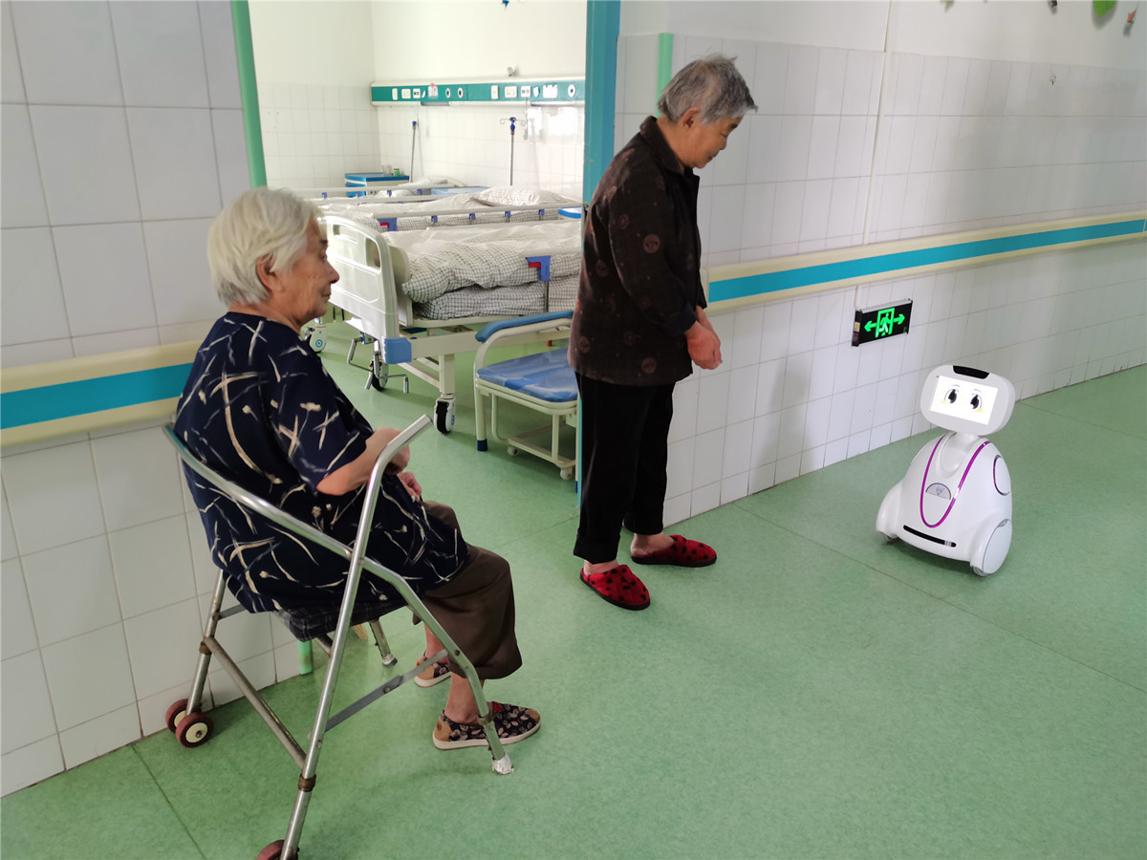
China Uses Robots for Elderly Care Support.

China is rapidly expanding the use of robotics in elderly care as the country faces a growing aging population and increasing demand for healthcare support services.

Authorities and technology developers are focusing on integrating advanced robots into elder care systems to assist with daily needs, health monitoring, and general support for senior citizens. These robotic systems are designed to improve the quality of life for elderly individuals while reducing pressure on human caregivers and healthcare facilities.

According to recent estimates, China’s elderly care robot market is expected to surpass 1.47 billion US dollars this year, reflecting strong growth in demand for smart healthcare solutions. The rise of this sector highlights China’s broader strategy of adopting artificial intelligence and automation in essential public services.

The newly developed care robots are capable of performing a range of tasks, including monitoring vital health signs, reminding patients to take medication, and providing basic assistance with movement and daily routines. Some advanced models are also being tested for companionship functions, helping to reduce loneliness among elderly individuals.

Experts say that the increasing use of robotics in healthcare is driven by both demographic challenges and technological advancements. As the number of elderly citizens continues to rise, traditional caregiving systems are under pressure, leading to greater reliance on automated solutions.

While the technology offers significant benefits, discussions continue regarding ethical considerations, human interaction, and the long-term impact of replacing certain aspects of human care with machines. However, policymakers view robotics as a necessary and sustainable solution for the future of elderly care in China.

The development marks a significant step in the global evolution of healthcare technology, where artificial intelligence and robotics are becoming key tools in addressing societal challenges.

Swiss Parliament Approves Funding for EU Research Programmes.

Switzerland has taken another important step in strengthening its position in international research and innovation. The Swiss Parliament approved CHF58.3 million in funding for European Union research programmes as part of a supplementary 2026 budget package worth nearly CHF90 million.

The funding will support Switzerland’s participation in major European research initiatives, including Horizon Europe and Euratom. Lawmakers emphasized that maintaining access to these programmes is crucial for Swiss universities, researchers, scientists, and technology companies that rely on international collaboration and advanced research networks.

Parliament reduced the government’s original request of CHF67.3 million by removing a reserve fund that was no longer necessary. Despite the reduction, the approved funding ensures Switzerland can continue contributing to and benefiting from some of the world’s largest research and innovation projects.

Supporters of the measure argued that Switzerland must remain connected to global scientific developments and avoid another period of exclusion from key European research platforms. They stressed that research cooperation plays a vital role in driving innovation, economic growth, technological advancement, and international competitiveness.

The budget supplement also includes additional funding for the European Space Agency, Swiss rail cargo services, and transportation infrastructure projects. The decision highlights Switzerland’s continued commitment to science, technology, and international research partnerships.

Swiss Scientists Develop New Gene Clock.

An international research team with Swiss participation has developed advanced “gene clocks” capable of measuring biological age and predicting lifespan in real time. The breakthrough study could transform future ageing research and health monitoring.

Scientists analysed more than 11,000 tissue samples collected from mice, rats, macaques, and humans. Researchers discovered that molecular ageing patterns inside the transcriptome remain remarkably similar across species and cell types.

The study reveals that ageing activates genes linked to inflammation, cell damage, and programmed cell death. At the same time, genes responsible for tissue repair, wound healing, and regeneration become less active as the body grows older.

Using this data, researchers created highly dynamic transcriptome clocks that can measure biological ageing more accurately. To validate the technology for humans, scientists tested the system using data from over 50,000 participants in the UK Biobank.

Experts say the new gene clocks perform similarly to modern epigenetic ageing clocks already used in scientific research. However, transcriptome clocks offer a major advantage because they respond quickly to changes happening inside cells in real time.

Researchers believe this technology could help scientists evaluate the effectiveness of anti-ageing treatments, diets, and medicines much faster than current methods. The discovery may open new opportunities in personalised healthcare and longevity research.

The study involved ETH Zurich researcher Adrian Molière and was led by Harvard Medical School scientist Vadim Gladyshev.

Xiaomi Launches Xiaomi 17 Max with 8000mAh Battery

Xiaomi has officially launched its latest flagship smartphone, the Xiaomi 17 Max, in China, introducing major upgrades in battery life, performance, and camera technology.

The device comes with an enormous 8000mAh battery paired with 100W fast charging, making it one of the most powerful battery configurations in the smartphone market.

At its core, the phone is powered by the latest Snapdragon 8 Elite Gen 5 chipset and runs on Android 16 with Xiaomi’s HyperOS 3 interface, offering improved performance and system optimization.

The Xiaomi 17 Max is available in multiple configurations, including 12GB and 16GB RAM options, along with 256GB and 512GB storage variants.

It features a 6.9-inch LTPO OLED display with a resolution of 2608 × 1200 pixels. The screen supports a 120Hz refresh rate, peak brightness of up to 3,500 nits, and advanced HDR10+ and Dolby Vision technologies for enhanced visual quality.

In the camera department, the smartphone offers a triple-camera setup, including a 200MP ISOCELL HP9 primary sensor, a 50MP ultra-wide lens, and a 50MP periscope telephoto camera. The system is enhanced with Leica Summilux optics and Hyper OIS stabilization technology for improved image clarity and low-light performance.

The Xiaomi 17 Max positions itself as a premium flagship device aimed at users seeking high-end photography, long battery life, and top-tier performance in a single smartphone.

Switzerland Surpasses 18,000 Public EV Charging Points

Switzerland continues to strengthen its electric vehicle infrastructure, with more than 18,000 publicly accessible charging points now available across the country.

According to the Swiss Federal Office of Energy, there were 18,284 charging points operating at 8,535 locations nationwide as of April 2026. On average, each charging location offers just over two charging points.

Canton of Zurich leads the country in total charging infrastructure, with 2,692 public charging points. It is followed by Canton of Bern with 1,891 charging points and Canton of Vaud with 1,590.

Smaller cantons reported significantly fewer public charging facilities. Appenzell Innerrhoden recorded only 31 charging points, while Appenzell Ausserrhoden had 77 and Obwalden had 109.

The report also highlighted major differences in charging point usage across Switzerland. Canton of Zug showed the highest concentration of battery electric vehicles (BEVs) per charging point, with 53 EVs sharing each public charger.

Canton of Thurgau followed with 27 BEVs per charging point, while Appenzell Ausserrhoden recorded 24.

In contrast, Graubünden had the lowest pressure on infrastructure, with only six battery electric vehicles sharing each public charging station.

The expansion of Switzerland’s charging network reflects the country’s growing shift toward sustainable mobility and cleaner transportation technologies, although regional disparities in infrastructure remain a challenge.

WhatsApp Tests “Read-Once” Message Feature.

WhatsApp is testing a new privacy-focused feature in its iOS beta version that allows messages to automatically disappear once they are read by the recipient.

This new “After Reading” option expands on the platform’s existing “Disappearing Messages” feature, which previously allowed users to set messages to delete after fixed time periods such as 24 hours, 7 days, or 90 days.

With the new update, users will be able to choose a more immediate privacy option where messages are automatically deleted after being opened, providing stronger control over sensitive conversations.

The feature is designed to enhance user privacy and reduce the risk of message storage or unintended sharing. It is especially useful for sharing confidential or time-sensitive information.

In addition to this, WhatsApp is also introducing “Custom Timers,” allowing users to set personalized message deletion periods such as 1 hour, 6 hours, or 2 days, depending on their preference.

Currently, these features are available only to selected iOS beta testers. However, the company is expected to roll them out gradually to Android users and eventually to the wider public in future updates.

Meta Platforms continues to focus on improving privacy and security across its messaging ecosystem, with more advanced message control tools expected in upcoming releases.

Google Launches Gemini Omni AI for Video Creation

Google has officially introduced its new multimodal AI system, Gemini Omni AI, designed to transform how users create and edit videos using artificial intelligence.

The new system, part of the latest Google Gemini ecosystem, is capable of processing multiple types of input including images, audio, video, and text. This allows users to generate high-quality video content with advanced realism and contextual understanding.

One of the key features of Gemini Omni AI is natural language-based video editing. Users can simply describe changes in text or voice, such as adding characters, modifying scenes, or changing visual styles, and the AI automatically updates the video accordingly.

The model is built using Google’s advanced world knowledge and physics-based understanding, enabling it to generate more realistic motion and environments. It can simulate real-world behavior such as fluid dynamics and physical interactions to improve video authenticity.

Google has also introduced the first version, Gemini Omni Flash, which is now available in the Gemini App, Google Flow, and YouTube Shorts.

The company plans to expand access to developers and enterprises through API integration in the near future, allowing broader use of AI-powered video generation tools.

Users will also be able to create personalized digital avatars with their own voice and appearance, enabling highly customized video content creation. All outputs generated by Gemini Omni will include SynthID watermarking to ensure transparency and traceability of AI-generated media.

Google stated that safety remains a key priority, and the system has been designed with strict policies to ensure responsible and secure AI usage.