
Windows 11 Recall Feature Raises Privacy Concerns Worldwide
Microsoft’s new Recall feature for Windows 11 Copilot+ PCs has sparked widespread debate over privacy and digital security.
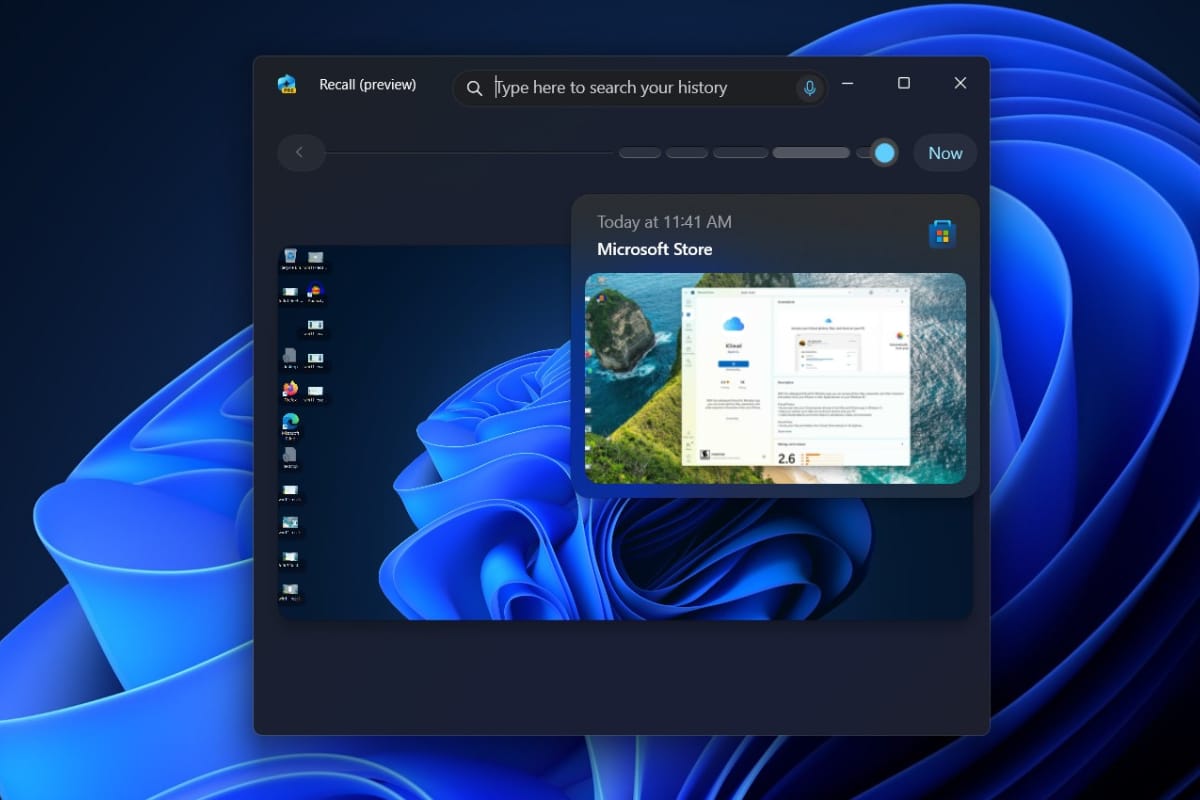
The AI-powered feature automatically captures screenshots of apps, websites, documents, and other activities on a user’s device every few seconds. These snapshots are then analyzed by artificial intelligence to help users quickly find information they previously viewed.
How Recall Works
Recall creates a visual history of user activity by taking regular screenshots and storing them on the device. Users can later search through this timeline using AI-powered search tools to locate previously accessed content.
Microsoft says the feature is designed to improve productivity and make it easier to recover information that may otherwise be difficult to find.
Privacy Experts Raise Concerns
Despite its convenience, privacy and cybersecurity experts have expressed concerns about the potential risks associated with the feature.
The UK’s Information Commissioner’s Office (ICO) has reportedly sought clarification from Microsoft regarding privacy protections. Security researchers have also warned that storing detailed records of user activity could create legal, security, and privacy challenges if not properly protected.
Critics argue that sensitive personal information, passwords, financial data, and private communications could potentially be exposed if unauthorized access occurs.
How to Disable Recall
Users who do not wish to use the feature can disable it through Windows settings.
Go to:
Settings → Privacy & Security → Recall & Snapshots
From there, users can turn the Recall feature off and manage snapshot storage settings.
Smartphone users can also improve privacy by reviewing Accessibility Permissions and removing unnecessary app permissions on Android and iPhone devices.
Convenience or Surveillance?
The introduction of Recall has reignited a global debate about the balance between artificial intelligence and personal privacy.
Supporters view the feature as a powerful productivity tool, while critics question whether continuous screenshot recording crosses the line into digital surveillance.
As AI becomes increasingly integrated into everyday devices, the discussion around user privacy, transparency, and control is expected to grow even further.