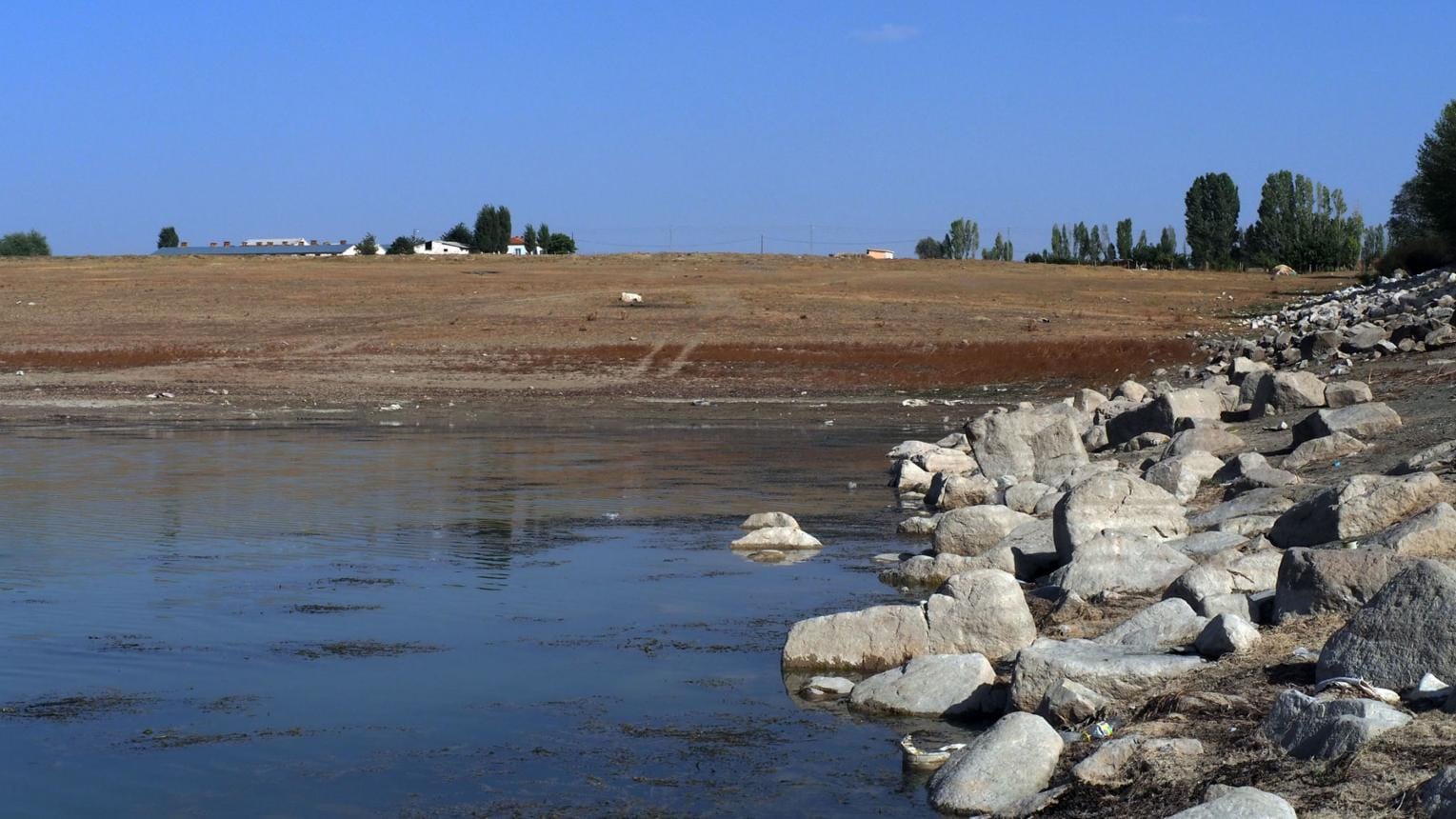

Swiss Rivers and Lakes Remain Critically Low Despite Rain.
Switzerland continues to experience drought conditions as water levels in many rivers and lakes remain significantly below normal despite recent rainfall. According to measurements from the Federal Office for the Environment (FOEN), several major waterways across the country are still showing unusually low levels for this time of year.
The High Rhine, Reuss, and Limmat rivers remain below their seasonal averages, highlighting the ongoing impact of dry weather conditions that have persisted for months. While this week’s rain provided temporary relief, experts say it has not been enough to restore water levels to normal.
Lake Constance and Lake Zug are among the most affected areas. Hydrologists attribute the situation to prolonged drought combined with above-average temperatures, which have increased evaporation rates across Switzerland. The combination of reduced rainfall and warmer weather has placed additional pressure on lakes, rivers, and surrounding ecosystems.
Earlier this month, the western section of Lake Constance reached a historic low water level, creating challenges for navigation and transport. Since the end of April, a stretch of the Rhine River between Stein am Rhein and Diessenhofen has remained impassable due to insufficient water levels. However, shipping operations on Lake Zug and Lake Aegeri have continued without major disruptions despite the challenging conditions.
Environmental experts warn that extreme fluctuations between high and low water levels are becoming increasingly common. Unregulated bodies of water such as Lake Constance and Lake Walen are particularly vulnerable to changing weather patterns. According to Swiss Shipping Company Untersee und Rhein, these fluctuations have intensified in recent years, making water management and navigation more difficult.
The contrast has been striking. In June 2024, authorities issued the highest-level flood warning for the Untersee region. Less than a year later, the same area recorded historically low water levels. Experts say this demonstrates the growing unpredictability of weather patterns and the challenges they create for communities, businesses, and transport networks.
As Switzerland faces another dry season, authorities and industry leaders are exploring long-term solutions to maintain navigation, protect water resources, and adapt to increasingly extreme weather conditions. The situation continues to be closely monitored as concerns grow about the environmental and economic impacts of prolonged drought.