

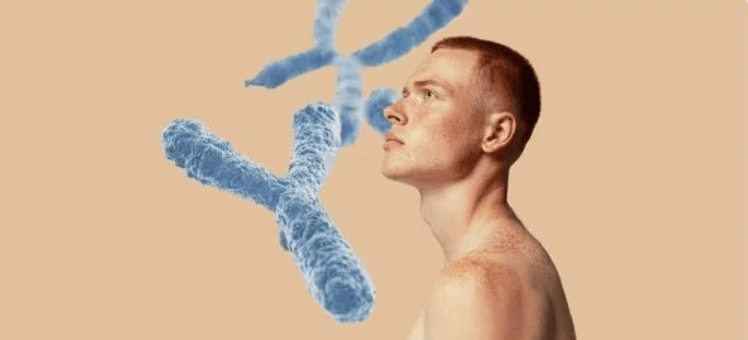

Scientists Warn Human Y Chromosome Could Slowly Disappear in the Future
Scientists have raised fresh discussions about the future of the human Y chromosome after research suggested it may continue shrinking over millions of years. The Y chromosome plays a major role in determining male biological sex in humans, while the X chromosome is present in both males and females.
Australian genetic researcher Jennifer Graves, a professor associated with La Trobe University, previously published research examining the long-term evolution of sex chromosomes in mammals.
According to her findings, the human Y chromosome has gradually lost a large number of genes over millions of years. Early in mammalian evolution, X and Y chromosomes were believed to be similar in size and genetic structure. However, scientific comparisons with ancient mammals such as the platypus suggested that the human Y chromosome has continued shrinking over evolutionary time.
Professor Graves estimated that the Y chromosome may have lost around 1,400 genes throughout evolution. Based on earlier calculations, some researchers suggested that if this gradual decline continued at the same rate, the Y chromosome could theoretically disappear millions of years in the future.
However, many modern scientists emphasize that this does not mean men will disappear anytime soon. Researchers say evolution is extremely complex, and some species have already developed alternative biological systems for sex determination even without a traditional Y chromosome.
Genetics experts also note that current studies continue to debate whether the human Y chromosome is still shrinking or has now stabilized over time. The topic remains an important area of research in evolutionary biology and human genetics.
Scientists stress that the possible disappearance of the Y chromosome, if it ever happens, would occur over millions of years and would not affect present or future generations anytime soon.