

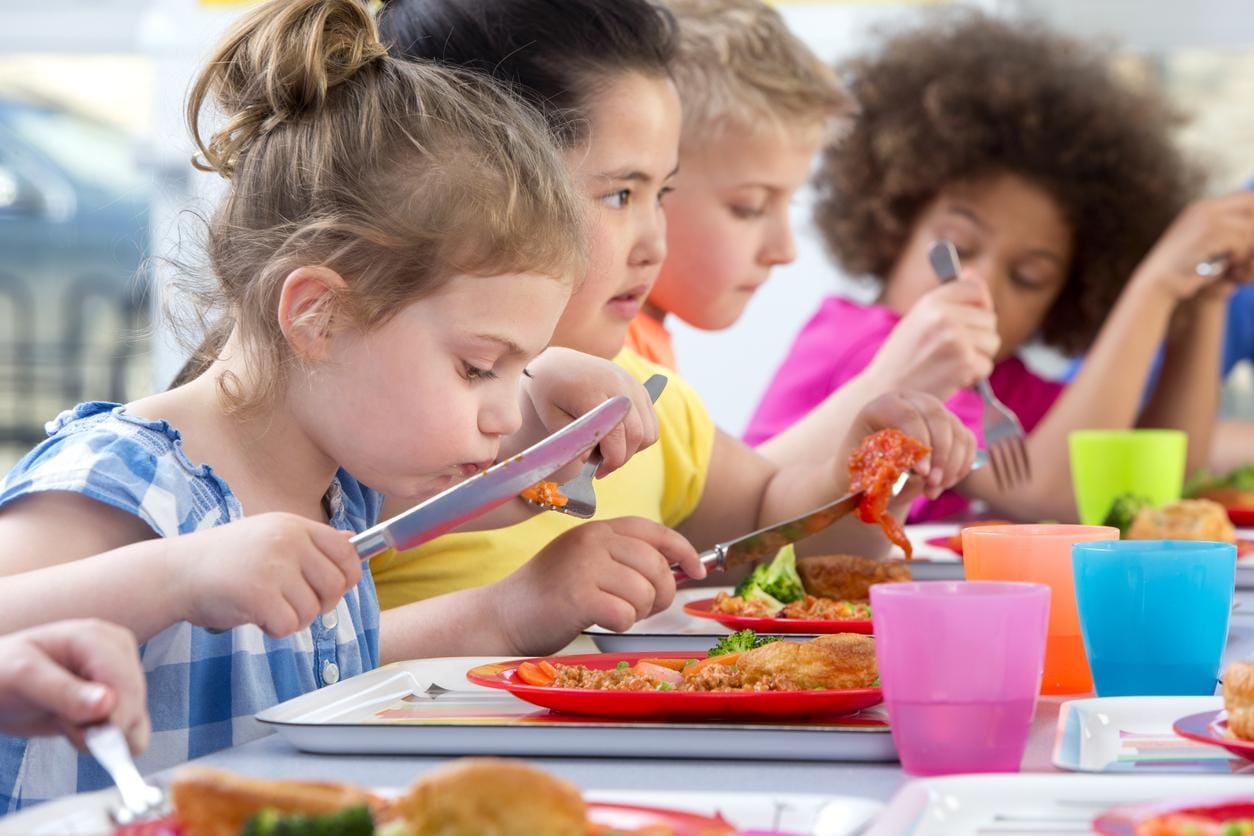
Overweight Rates Among Swiss Schoolchildren Fall to 20-Year Low.

The rate of overweight and obese schoolchildren in Switzerland has dropped to its lowest level in two decades, according to a new report published by Health Promotion Switzerland.

The share of pupils classified as overweight or obese has declined from around 20% in 2005 to 15.5% today, marking the lowest level since national BMI monitoring began in the country.

Despite this positive trend, authorities warn that overweight remains a public health concern, with approximately one in six schoolchildren still affected.

Health Promotion Switzerland has tracked children’s body weight since the 2005/06 school year in collaboration with school health services in Basel, Bern, and Zurich. The long-term monitoring program provides data on health trends among children and adolescents in compulsory education.

Experts say the decline reflects improved awareness of nutrition, increased physical activity, and public health initiatives targeting childhood obesity over the past 20 years.

However, health officials emphasize that continued efforts are needed to maintain and further improve these results, particularly as lifestyle habits and dietary patterns continue to evolve.

UNICEF: Family Background Strongly Shapes Educational Success in Switzerland

A new analysis by UNICEF shows that children’s educational opportunities in Switzerland are strongly influenced by their social and family background, raising concerns about growing inequality at the start of life.

The report highlights that Switzerland remains a country with strong social support systems, but significant disparities persist between privileged and disadvantaged children. In an international comparison, Switzerland is among the countries where the gap in academic performance between these groups is particularly wide.

According to UNICEF, around 91% of children from privileged households achieve basic educational skills, while only 46% of children from disadvantaged backgrounds reach the same level. The organisation states that parents’ education level, financial stability, and ability to provide daily support play a major role in determining outcomes.

The study also finds that inequality extends beyond education. Children from lower-income households report significantly lower life satisfaction compared to their more privileged peers, indicating wider social and emotional impacts.

In terms of lifestyle differences, the report shows that 52% of children from privileged families eat vegetables daily, compared to 43% among disadvantaged children, reflecting broader inequality in health and nutrition.

UNICEF warns that these disparities have been worsening in recent years. Both child poverty and income inequality in Switzerland have increased by more than 10% over the past decade. The organisation notes that Switzerland is among OECD countries experiencing some of the strongest increases in inequality-related indicators.

The findings are based on a UNICEF survey examining child well-being in wealthy nations. The report calls attention to the need for stronger policy measures to reduce inequality and ensure equal opportunities for all children regardless of background.