

Swiss Rail Freight Restructuring Impacts Nearly 200 Employees

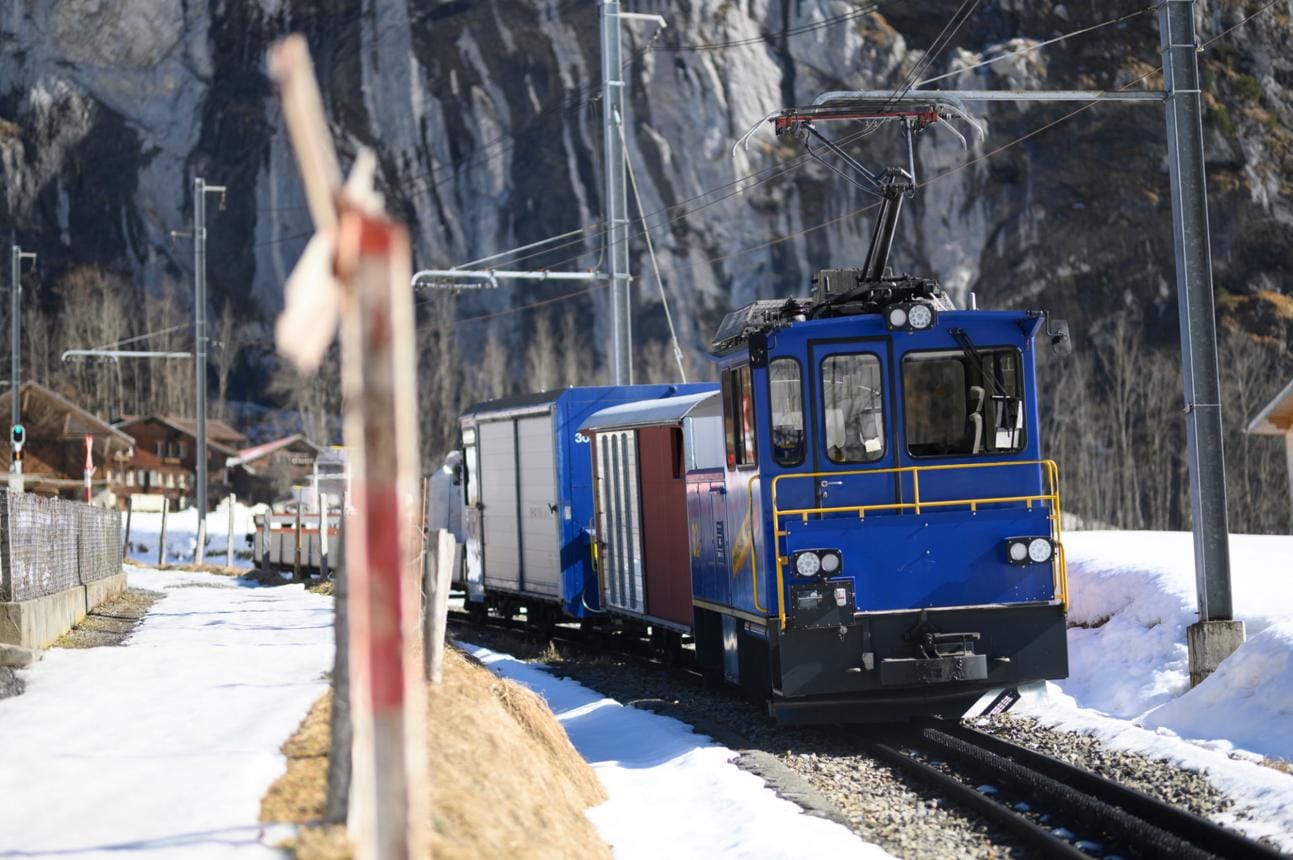
Swiss Federal Railways is reorganizing its freight operations, leading to major internal changes that will affect nearly 200 employees across Switzerland.

The restructuring focuses on strengthening wagonload freight services (TWCI), where wagons from different customers are combined into single freight trains to improve efficiency and reduce operational costs.

The Swiss government has assigned SBB’s cargo division a public service mandate, requiring it to improve performance and ensure long-term sustainability in freight transport.

Under the new plan, the company aims to make freight operations profitable by 2033. SBB stated that the revised system will become significantly more efficient starting in December, as part of a broader modernization strategy.

As part of the restructuring, employees will either be relocated, retrained, or integrated into subsidiary companies or partner networks. The company emphasized that redundancies will remain rare and will be considered only as a last resort.

Around 30 employees in French-speaking regions of Switzerland are directly affected, with support measures offered to help them transition into new roles within or outside the organization.

The freight overhaul reflects Switzerland’s efforts to strengthen its logistics infrastructure while adapting to changing transport demands and financial pressures in the rail sector.
New Report Claims Swiss Rail Operator Could Have Prevented Gotthard Tunnel Accident

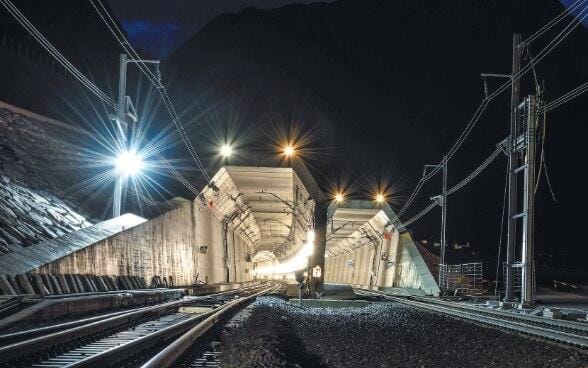
A new expert report into the 2023 Gotthard Base Tunnel accident has concluded that Swiss Federal Railways (SBB) could potentially have prevented the severe incident that caused major damage and a prolonged tunnel closure.

The accident occurred in August 2023 when a broken wheel on a freight wagon led to serious damage inside the Gotthard Base Tunnel, resulting in losses estimated at around CHF 150 million and a closure lasting over a year.

According to the report commissioned by the Ticino public prosecutor’s office, multiple warning signals appeared on SBB’s operational monitoring systems after the wheel failure. However, the report claims that these alerts were not acted upon in time, allowing the train to continue through the tunnel.

The findings suggest that earlier intervention, including an emergency stop, could have reduced the severity of the damage or possibly prevented it altogether.

Criticism has since emerged from industry representatives. Josef Dittli, who also leads an association of freight wagon operators, stated that the system failed to respond appropriately despite clear warning signals.

Railway union representative Philipp Hadorn also questioned the lack of emergency braking, arguing that the response did not align with standard safety expectations in such situations.

The report highlights broader concerns about safety monitoring systems in complex rail infrastructure such as the Gotthard Base Tunnel, one of the most important transport corridors in Europe.

The findings are expected to prompt further discussions on operational safety procedures, digital monitoring systems, and emergency response protocols within Switzerland’s rail network.