Swiss Flight LX155 Makes Emergency Return to Mumbai.

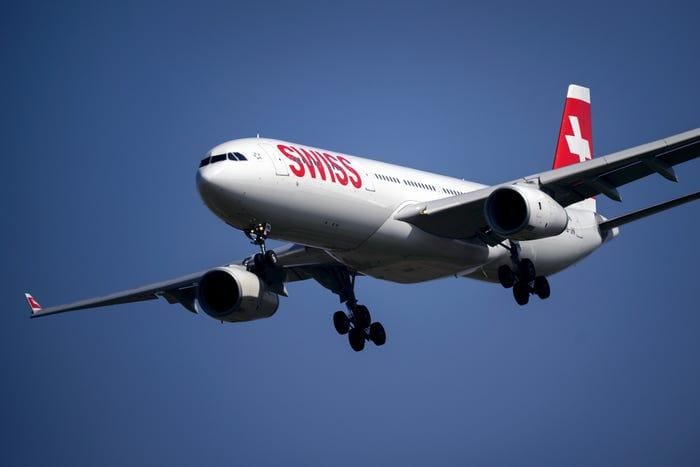
A Swiss International Air Lines flight Swiss International Air Lines carrying 231 passengers from Mumbai to Zurich was forced to return and make an emergency landing in Mumbai after a technical malfunction was detected mid-flight.

The Airbus A330 aircraft, operating as flight LX155, initially departed from Mumbai as scheduled. However, approximately two hours into the journey, pilots detected an electrical system fault that could not be resolved during flight.

As a precaution, the flight crew decided to divert the aircraft back to its departure airport in Mumbai. The aircraft had already flown for over five hours before finally returning.

Before landing, the plane was required to burn a significant amount of fuel for safety reasons. Since the Airbus A330 is not equipped with a fuel jettison system, the aircraft circled over the Arabian Sea for approximately 130 minutes at an altitude of nearly 4,000 meters.

During this time, the aircraft completed multiple holding patterns while safely reducing fuel levels to meet landing requirements. This procedure is standard in long-haul aviation safety operations when immediate landing conditions must be managed.

Following the fuel burn procedure, the aircraft successfully landed back at Mumbai airport without any reported injuries among passengers or crew members.

Authorities and airline engineers are expected to carry out a detailed technical inspection to determine the cause of the electrical system failure before the aircraft is cleared for future operations.

The incident highlights the strict safety protocols followed in international aviation, where passenger safety remains the highest priority even if it requires long delays and route disruptions.
Swiss Boarding School Evacuated After Threat.

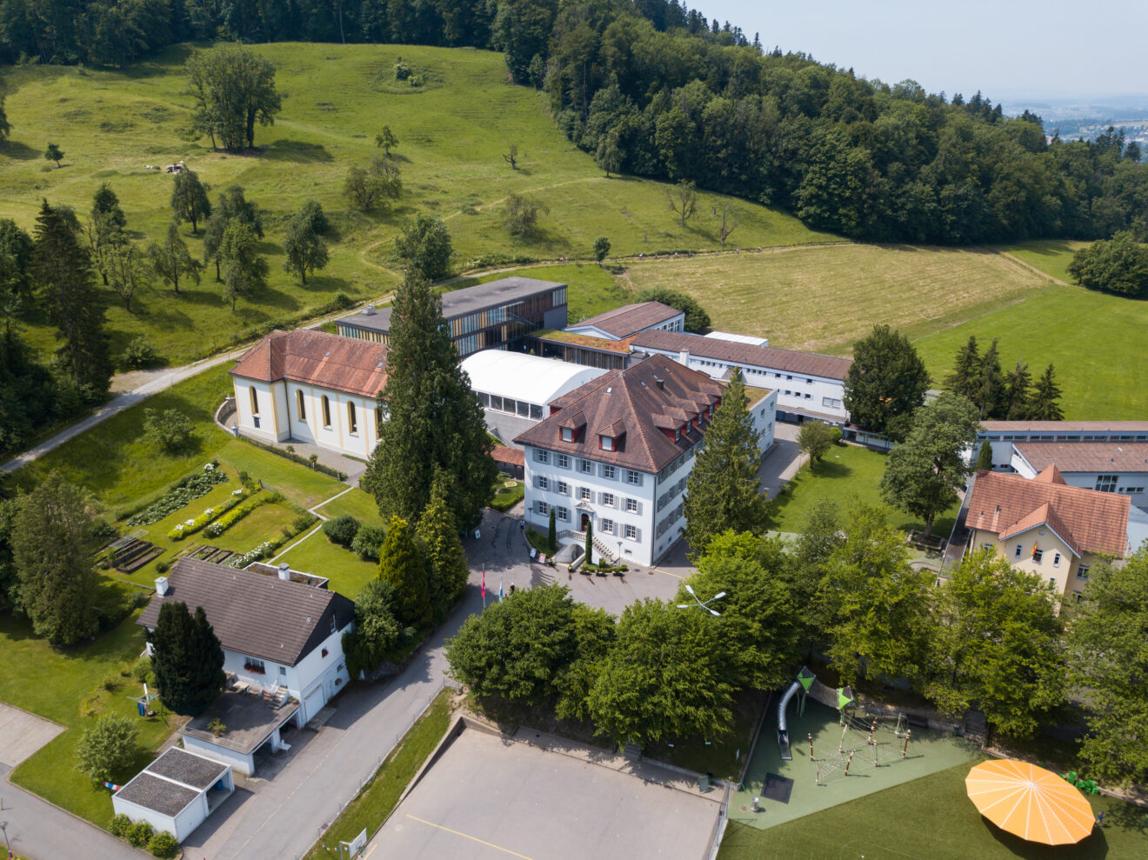
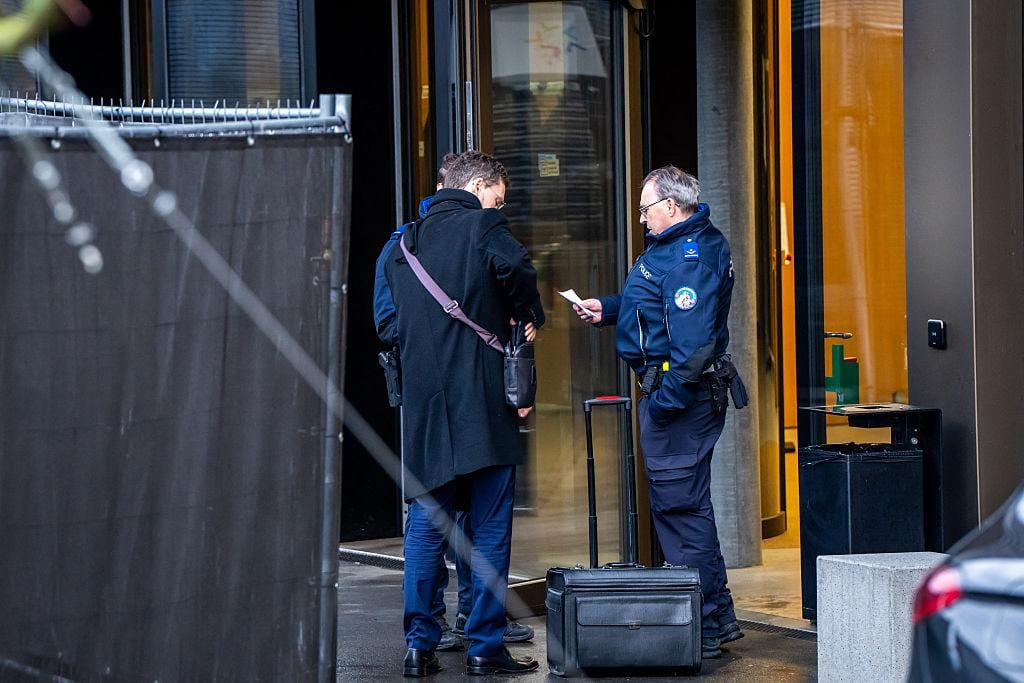
A boarding school in Zug, central Switzerland, was evacuated on Saturday after authorities received a written threat. Police and emergency services quickly responded to the incident, moving students and staff to safety while conducting a thorough security operation.

The threat was reported shortly after 4:00 PM, prompting Swiss police to deploy emergency teams to the area. Officers immediately secured the location, established a safety perimeter, and evacuated the affected buildings as a precautionary measure.

Around 30 students and caretakers were present at the school when the threat was received. Emergency personnel safely relocated everyone to a secure location, where they remained under supervision during the investigation.

Police carried out a detailed search of the school premises to identify any potentially dangerous or suspicious objects. After several hours of inspections, authorities confirmed that no suspicious items were found anywhere on the property.

The operation concluded at approximately 8:00 PM when emergency services declared the area safe. Students and staff were then allowed to return to the boarding school without incident.

Swiss police emphasized that there was never any danger to the wider public. Authorities acted swiftly to ensure the safety of everyone involved while maintaining security throughout the operation.

Investigators are now working to determine who was responsible for the threat and what motives may have been behind it. The case remains under active investigation, and officials have not yet released further details.

The incident highlights the rapid response procedures used by Swiss emergency services when potential threats are reported at educational institutions. Authorities continue to encourage the public to report suspicious activities to help maintain public safety.

Crans-Montana Fire Case Expands.

Swiss prosecutors have widened their investigation into the deadly Crans-Montana fire after new allegations emerged against one of the owners of Le Constellation bar. Authorities conducted a lengthy confrontation hearing involving the owners as they continue to examine the circumstances surrounding the tragic New Year’s Day blaze that claimed lives and injured several people.

During the hearing, prosecutors informed one of the owners that she now faces an additional forgery allegation linked to documentation concerning polyurethane acoustic foam installed in the venue. Investigators are reviewing records connected to the material that caught fire during the incident. The development marks a significant step in the ongoing criminal investigation.

Lawyers representing victims’ families welcomed the new line of inquiry and questioned the origins, purchase details, and suitability of the foam used inside the establishment. They argued that several important questions remain unanswered and called for complete transparency regarding the materials present in the venue before the tragedy occurred.

The defense team rejected suggestions of wrongdoing and stated that the purchase was legitimate. According to the lawyers, the issue relates to accounting records rather than the cause of the fire itself. They described the allegation as unrelated to the tragic events that unfolded in Crans-Montana.

Prosecutors also examined internal messages exchanged between the owners and employees. Some communications reportedly included warnings about sparkler candles used during celebrations. Investigators are assessing whether those messages demonstrate prior awareness of potential fire risks inside the premises.

Another message reviewed during the hearing concerned an emergency exit reportedly blocked at the venue. The exchange has attracted attention from lawyers representing victims, who believe it could become an important element of the investigation. Defense lawyers maintain that the messages should not be interpreted without proper context.

The Crans-Montana tragedy remains one of the most closely followed legal cases in Switzerland this year. Authorities continue to gather evidence while prosecutors evaluate the responsibilities of all individuals connected to the operation, management, and approval of the establishment.

As the investigation progresses, victims’ families continue to seek answers and accountability. The findings of Swiss prosecutors are expected to play a crucial role in determining whether additional charges or legal actions will follow in the coming months.

Winterthur Stabbing Case: Swiss Probe Digital Evidence.

The Swiss Attorney General’s Office is currently unable to access the electronic devices of a 31-year-old Turkish-Swiss man accused of a knife attack that injured three people in Winterthur, as legal proceedings over data access continue.

Federal prosecutor Stefan Blättler confirmed that the suspect has objected to the search of his laptop and mobile phone. As a result, authorities have submitted an application to the coercive measures court requesting permission to unlock and examine the devices. A decision is still pending.

Blättler explained that investigators are currently unable to review critical digital evidence, including communication records and messages that could reveal the suspect’s contacts before the attack. He emphasized that such information is essential for understanding potential links to other individuals or networks.

According to the prosecutor, electronic devices have become one of the most important sources of evidence in modern criminal investigations. However, legal protections around data “sealing” can delay access. This procedure was originally designed to protect sensitive or unrelated personal data, such as privileged legal correspondence or private information not relevant to investigations.

Blättler noted that while sealing was appropriate in an earlier legal era dominated by paper documents, it has become increasingly challenging in the digital age. He warned that prolonged delays in accessing data could hinder investigations, particularly in urgent cases involving public safety risks.

The federal prosecutor suggested that reforms may be needed to balance privacy protections with investigative urgency. He indicated that authorities may need faster access to seized data in certain cases, while still protecting legally privileged or irrelevant information.

The suspect is currently in pre-trial detention. He is accused of carrying out a violent attack at Winterthur station on May 28, where three men were injured, one seriously. The day before the incident, he had reportedly been in a psychiatric facility.

Swiss authorities have opened a criminal investigation for attempted multiple murder and alleged involvement in or support of a terrorist organization. The case remains under active judicial review as investigators await access to key digital evidence.

Three Injured in Winterthur Station Knife Attack

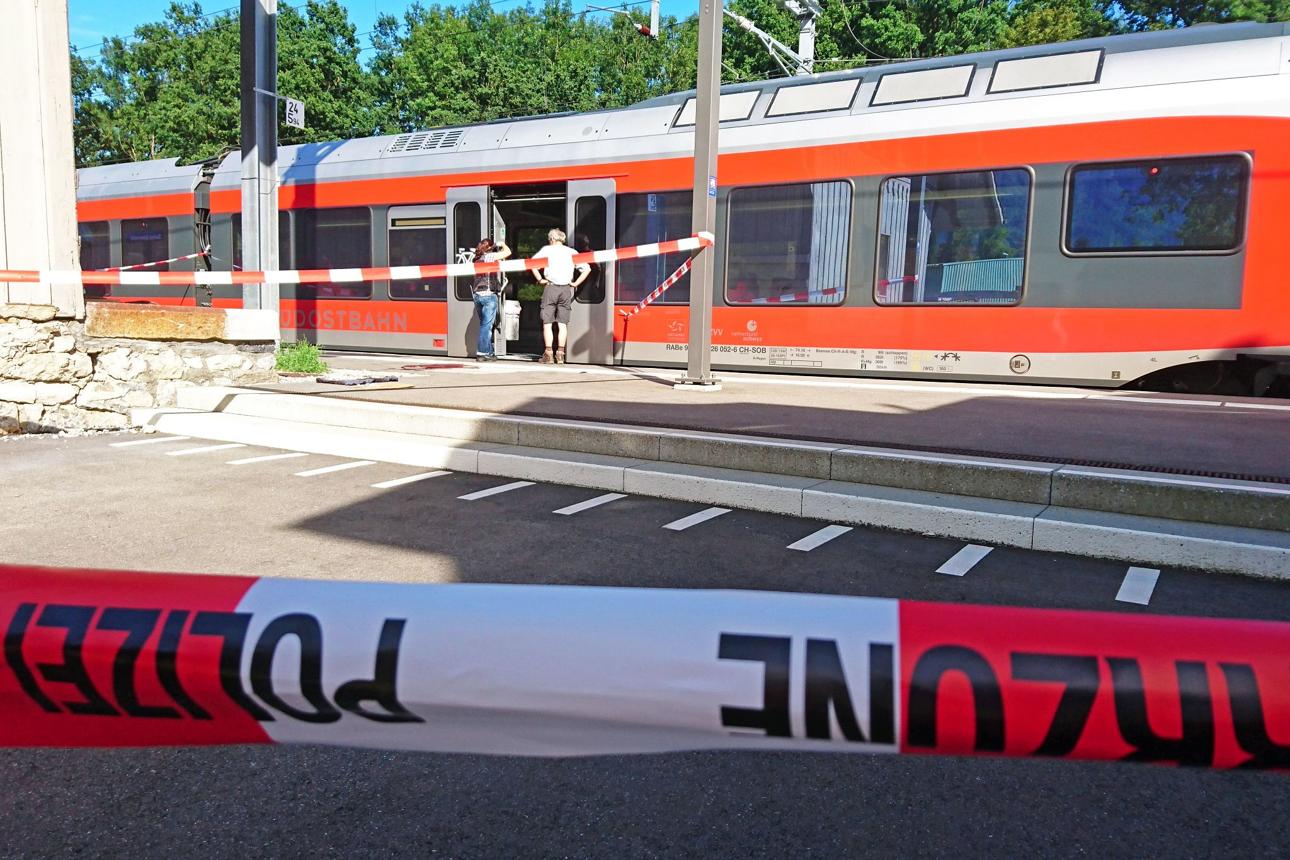
Three people were injured in a knife attack at Winterthur railway station in Switzerland’s Zurich canton, prompting a swift police response and the arrest of a suspect.

According to Swiss police, the incident occurred around 8:30 AM during the morning rush hour when commuters and students were present at the station. The victims, aged 28, 43, and 52, are all Swiss nationals. They were immediately taken to hospital for medical treatment after sustaining injuries. Authorities have not yet released updates on their current conditions.

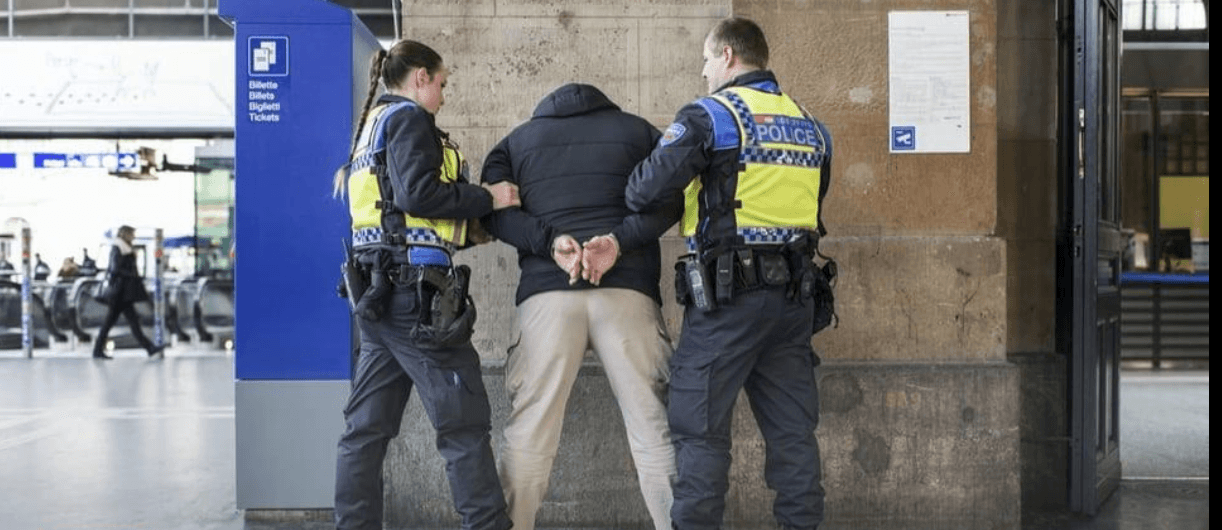
Police confirmed that a 31-year-old Swiss man was arrested shortly after the attack. He is suspected of using a sharp weapon during the incident, and investigators are currently working to determine the motive behind the attack.

A witness working in a nearby office building reported hearing the suspect shout a phrase in Arabic shortly before the attack. However, authorities have not confirmed any motive, and they have urged the public to avoid speculation until the investigation is complete.

The incident caused panic at the busy station, especially as many schoolchildren were present at the time. Emergency services quickly secured the area and provided assistance to the injured.

Swiss authorities continue to investigate the case, focusing on the suspect’s background and the circumstances leading up to the attack.

Knife Attack at Swiss Station Injures Four.

A shocking knife attack at Winterthur railway station in Switzerland’s Zurich canton has left four people injured and sparked widespread concern over public safety.

The incident occurred early this morning at around 8:30 AM, a busy time when school children and commuters were arriving at the station. According to local reports, a Swiss national attacked four individuals with a knife, causing panic among passengers.

Eyewitnesses stated that a teacher acted quickly to protect schoolchildren who were nearby during the attack. The teacher reportedly stepped in to prevent the children from being harmed, helping to avoid further injuries.

Swiss police responded rapidly to the scene and arrested a 31-year-old suspect. Authorities have confirmed that the suspect is currently under investigation, and the motive behind the attack has not yet been disclosed.

Emergency services treated the injured victims at the scene before transporting them to nearby hospitals. Their current conditions have not been officially released.

The incident has raised serious concerns about safety in public transportation hubs across Switzerland, particularly in busy stations during peak hours. Police continue to investigate the case.

Swiss Technology SMEs Struggle Under Economic Pressure.

Small and medium-sized enterprises in Switzerland’s technology sector are facing growing economic pressure due to weak demand, currency challenges, and rising operating costs. According to the latest survey released by Swissmechanic, business confidence among SMEs in the machinery, electrical equipment, and metals industries remains deeply negative.

The business climate index for Swiss MEM industry SMEs stood at around minus 30 points in April 2026, continuing a prolonged downturn that has persisted since the end of 2023. Many companies report ongoing uncertainty and reduced customer demand across key industrial sectors.

The lack of incoming orders remains the biggest challenge, with 60% of surveyed companies identifying it as their main concern. Businesses are also struggling with the impact of the strong Swiss franc, which affects export competitiveness and profitability in international markets.

Around 41% of companies highlighted exchange rate fluctuations as a major issue, while 23% pointed to rising energy costs. These pressures have intensified since the beginning of 2026 and continue to affect operating margins across the industry.

Financial performance has weakened for many businesses. During the first quarter of 2026, approximately four out of ten SMEs reported a decline in EBIT margins, reflecting increasing cost pressure and reduced profitability.

Despite the difficult environment, some companies are attempting to protect jobs through short-time work programmes and internal efficiency measures. Around 18% of SMEs said they are maintaining their workforce despite declining earnings.

Investment activity also remains limited. Nearly one-quarter of surveyed companies stated they are unable to invest due to financial constraints, especially limited equity capital. Many firms are choosing to maintain current production capacity rather than expand operations during uncertain market conditions.

However, there are small signs of improvement in the Swiss technology industry. Exports from the MEM sector have increased for three consecutive quarters, and Switzerland’s purchasing managers’ index recently moved above the growth threshold for the first time since late 2022.

Even so, industry experts warn that a stable and long-term recovery has not yet been secured, and many SMEs continue to face significant economic uncertainty in 2026.

Switzerland Allocates CHF3 Million to Fight Ebola Outbreak.

Switzerland has announced emergency financial support worth CHF3 million to help combat the growing Ebola outbreak affecting the Democratic Republic of the Congo and neighbouring regions. The funding aims to strengthen healthcare response efforts, disease prevention, and emergency medical support in affected communities.

The Swiss government confirmed that the funding will be provided through the Swiss Agency for Development and Cooperation using emergency humanitarian aid resources. Officials stated that more than CHF2 million will be directed to the World Health Organization to support emergency medical coordination, laboratory assistance, and expert deployment in outbreak zones.

An additional CHF500,000 will support maternal and child healthcare programmes operating in South and North Kivu, regions heavily affected by ongoing health and humanitarian crises. Around CHF400,000 will also be allocated to infectious disease prevention and control projects in Ituri and North Kivu provinces.

Swiss authorities emphasized the importance of rapid international cooperation in containing Ebola outbreaks before they spread further across vulnerable regions. The funding will help improve emergency response systems, medical infrastructure, and disease monitoring capabilities.

Meanwhile, Swiss Solidarity has separately pledged CHF1.2 million from its humanitarian relief fund to support Ebola containment efforts in Congo and surrounding countries. The organisation plans to assist with isolation and treatment centres, virus testing, contact tracing, hygiene kits, and protective medical equipment.

The humanitarian support will also fund community awareness programmes and safe burial practices aimed at reducing infection risks. Health experts say prevention campaigns are essential because Ebola spreads rapidly through direct contact with infected individuals and contaminated materials.

Switzerland’s contribution reflects growing international concern over the Ebola outbreak and the need for coordinated global action to prevent a wider public health emergency.

AI Brings Mixed Impact to Swiss Company Workforce.

Artificial intelligence is rapidly transforming workplaces across Switzerland, but its overall impact on jobs remains uncertain. A new survey conducted by EY reveals that Swiss companies are increasingly adopting AI technologies while still evaluating their long-term effects on employees and the labour market.

According to the survey, around 7% of Swiss companies have already reduced jobs because of artificial intelligence. In addition, 11% reported that vacant positions were not replaced due to the growing use of AI systems and automation tools.

At the same time, artificial intelligence is also creating new career opportunities. Around 18% of respondents stated that their companies had introduced additional positions linked to AI development and implementation. These new roles include specialists in data science, AI engineering, automation systems, and digital transformation.

The report highlights that many organisations are still in the early stages of AI adoption. A significant 42% of respondents said they could not yet clearly assess the overall impact of AI on their workforce. Researchers believe this reflects the ongoing transition as companies experiment with new technologies and workplace models.

The use of AI in Swiss companies has become highly widespread. Only 3% of surveyed employees said the use of artificial intelligence was prohibited within their workplace. Most companies now use AI tools pragmatically to support everyday business tasks.

Approximately 72% of respondents said they mainly use AI as a productivity assistant in daily work activities. Employees commonly rely on AI for brainstorming ideas, creating first drafts, organising information, and improving workflow efficiency.

In addition, 47% of participants reported that they already trust artificial intelligence in selected business applications. This growing confidence suggests that AI integration is becoming more accepted across multiple industries in Switzerland.

The survey included responses from 604 employees working in Swiss companies of different sizes, providing insight into how businesses are adapting to the rapidly changing digital economy.

Experts believe Switzerland’s labour market may continue evolving as AI technology develops further, balancing concerns over automation with opportunities for innovation and new digital professions.

Switzerland Moves to Limit Junk Food Ads Targeting Children.

The Swiss government is planning new measures to reduce advertising of unhealthy foods targeting children under the age of 13, in an effort to improve long-term public health outcomes. The initiative focuses on limiting exposure to ads for products high in sugar, fat, and salt across multiple media platforms.

The proposal was presented by the Federal Food Safety and Veterinary Office in Bern during discussions with representatives from the food and advertising industries. Authorities aim to establish a self-regulation framework rather than an immediate legal ban.

Under the proposed system, restrictions would apply to advertising channels that directly reach children, including television, social media, online games, websites, and outdoor advertisements near schools. Products such as sugary drinks, chocolate, and salty snacks would be restricted from targeted marketing toward young audiences.

The guidelines are expected to align with the nutritional profiling model developed by the World Health Organization, ensuring that products considered unhealthy under international standards are covered by the restrictions. The government also plans to monitor compliance to ensure that self-regulation is effectively implemented across the industry.

Officials emphasize that advertising significantly influences children’s eating habits, often encouraging the consumption of high-calorie, low-nutrition foods. With around one in five children in Switzerland currently affected by overweight or obesity, authorities say stronger preventive measures are necessary to protect long-term health.

Health experts warn that early dietary habits formed in childhood can strongly affect adult health, increasing the risk of diseases such as diabetes and cardiovascular conditions. The proposed policy aims to encourage healthier food environments during childhood development.

The food and advertising industry has been given until mid-July to confirm participation in the self-regulation plan and agree to the required standards