

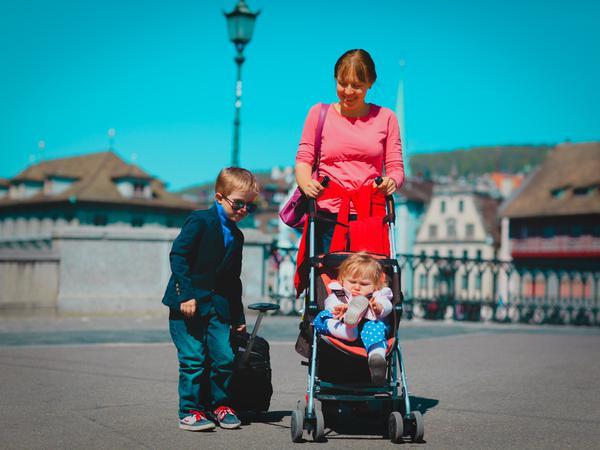

Fertility Decline and Smaller Families Reshape Switzerland’s Future
Switzerland is experiencing a continued decline in birth rates and marriages, reinforcing long-term demographic changes that are reshaping the country’s population structure.
According to the Federal Statistical Office, 78,200 children were born in Switzerland in 2025, marking a slight decrease from the previous year and the fourth consecutive annual decline. Although the drop appears small, it confirms a steady downward trend over the past decade.
Over the last ten years, the number of births in Switzerland has fallen by nearly 10%, while fertility rates have dropped more sharply from 1.54 to 1.28 children per woman. These figures remain well below the replacement level needed for long-term population stability.
Delayed Parenthood and Fewer Children
The decline is largely driven by two key patterns: fewer people choosing to become parents, and those who do increasingly limiting family size to one or two children.
Births among women under 35 have fallen significantly, while births among women aged 35 and above have increased. This shift has pushed the average age of motherhood in Switzerland to 32.5 years.
Experts note that delayed parenthood reduces the total number of childbearing years, increasing the likelihood that some people will have fewer children than originally planned.
At the same time, surveys show changing attitudes toward parenthood. A growing share of young adults now express no desire to have children, particularly in urban areas and among highly educated women.
Stable Deaths but Slowing Growth
Deaths in Switzerland remained broadly stable at around 71,900 in 2025. As a result, the country still recorded a natural population increase of about 6,300 people.
However, this surplus has declined sharply compared to previous years, reflecting a long-term weakening of natural population growth. In 2016, for example, the surplus was nearly four times higher.
Demographers warn that if current trends continue, Switzerland could see natural population growth stall by the mid-2030s. Without immigration, population decline could follow as deaths begin to exceed births.
Marriage and Divorce Trends
Marriage rates are also falling. Around 35,900 couples married in 2025, representing a 2.3% decline compared to the previous year. This marks the third consecutive annual drop.
The total includes approximately 800 same-sex marriages, following the introduction of marriage equality in 2022. However, the initial increase in weddings after the reform appears to have stabilized.
Divorces also declined slightly, with Swiss courts recording around 15,800 cases in 2025. Despite this drop, long-term projections suggest that nearly 40% of marriages could eventually end in divorce if current trends continue.
Long-Term Economic Impact
The combination of lower fertility, delayed family formation, and an ageing population presents significant long-term challenges for Switzerland.
Fewer working-age people will eventually need to support a growing elderly population, increasing pressure on pension systems, healthcare services, and public finances.
Policymakers increasingly view demographic change as one of the most important structural challenges facing Switzerland in the coming decades.