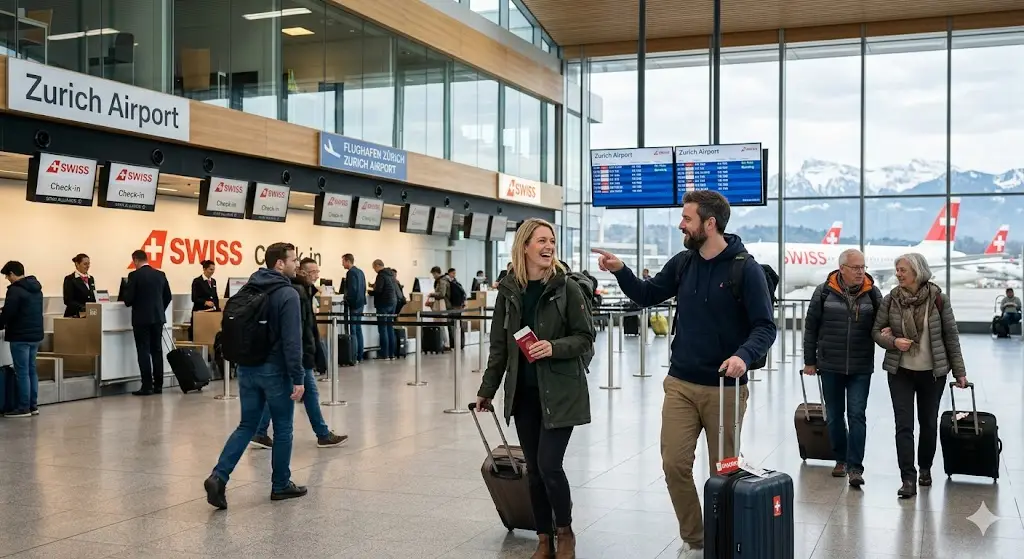
Middle East War Expected to Affect Swiss Tourism Industry.

The ongoing conflict in the Middle East is expected to negatively impact the tourism sector in Switzerland, according to Switzerland Tourism.

Tourism officials warned that the war could lead to a moderate decline in overnight hotel stays this year, although demand during the summer season is expected to remain relatively stable.

The Swiss hotel industry recorded a noticeable slowdown in March, with overnight stays falling by 5.2% compared to the same period last year. However, Switzerland Tourism explained that the decline was not caused solely by the conflict but also by calendar-related factors.

One major reason was the timing of school winter holidays. In 2026, winter vacations in many European regions ended in February, while several major markets, including Germany, had holidays extending into March during the previous year.

Despite the uncertainty, many tourism operators remain optimistic about the upcoming summer season. Industry experts expect stable demand from domestic travelers and visitors from neighboring European countries.

The trend toward “nearshoring” — where tourists prefer destinations closer to home — is continuing to support Switzerland’s tourism sector amid global instability.

Interestingly, Switzerland also recorded a surprising rebound in visitors from Gulf countries, with arrivals increasing by 7.9%. Tourism officials noted that this was partly due to the timing of Ramadan, which fell in March 2025 and traditionally reduces travel activity.

Looking ahead to 2026, Switzerland Tourism predicts a 2–3% decline in overnight stays linked to geopolitical tensions in the Middle East.

However, officials stressed that the current situation is far less severe than the tourism collapse experienced during the COVID-19 pandemic. They described the present slowdown as a market adjustment affecting only certain travel segments.

Tourism experts added that hotels heavily dependent on travelers from affected regions may feel stronger economic pressure, while the broader Swiss tourism industry is expected to remain stable overall.
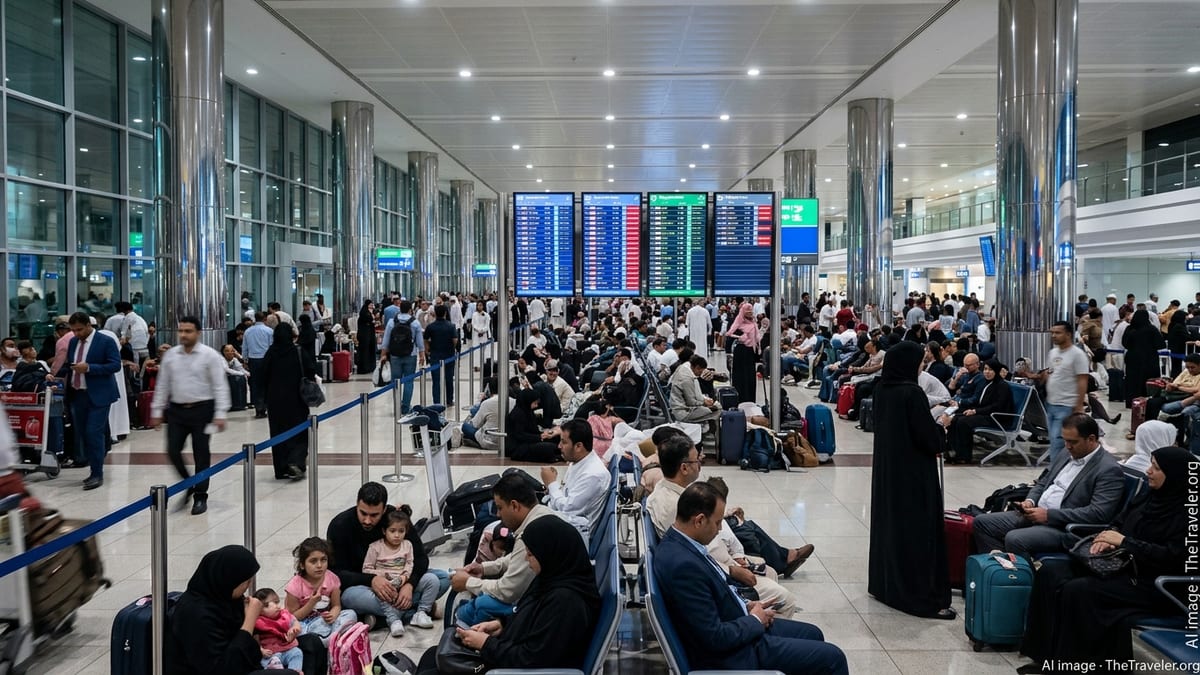
Middle East Tensions Trap Travelers as Saudi Arabia Offers Visa Relief Across Gulf.

Rising tensions in the Middle East have disrupted travel across the Gulf region, leaving thousands of tourists stranded due to widespread flight suspensions and airport closures. In response, Saudi Arabia has introduced key visa relief measures to support affected travelers.

Authorities confirmed that these disruptions stem from ongoing geopolitical conflicts involving Iran, Israel, and their regional allies. As a result, air traffic across several Gulf countries has been severely impacted, forcing governments to act quickly.

Saudi Arabia has taken a leading role by easing visa penalties and automatically extending expired visas. Officials aim to reduce the burden on tourists who are unable to leave due to circumstances beyond their control.

Following similar steps, Qatar and Kuwait have also implemented emergency visa extensions. In Qatar, authorities granted a one-month extension for all visas that expired on or before February 28, 2026, after operations at Hamad International Airport were halted.

Meanwhile, Kuwait introduced a three-month grace period for foreign residents and tourists. This decision came after drone-related threats and multiple flight cancellations disrupted operations at Kuwait International Airport.

These coordinated actions by Gulf Cooperation Council (GCC) countries highlight a regional effort to manage the crisis effectively. Governments continue to prioritize the safety and legal protection of stranded travelers.

Experts believe that these visa relaxations will ease immediate concerns, but ongoing instability may continue to affect travel and economic activities across the Middle East.

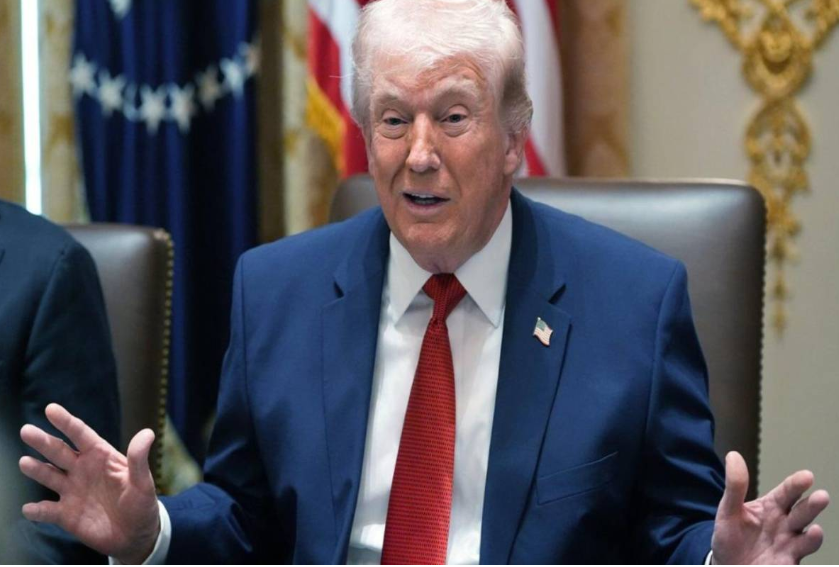
Trump Extends Halt on Iran Energy Attacks.

U.S. President Donald Trump has announced a 10-day halt on attacks targeting Iran’s power and energy facilities. This move provides Iran with a final opportunity to engage in talks and avoid further escalation.

Previously, on February 28, the United States and Israel conducted joint strikes on Iran after Tehran refused to sign a nuclear agreement. In response, Iran launched retaliatory attacks against U.S. and allied interests.

Additionally, Iran blocked the strategic Hormuz Strait, a key route for global crude oil shipments. Several cargo ships attempting to pass through the Strait faced missile and drone attacks. Iran also declared that American, Israeli, and allied vessels would not be allowed passage.

Earlier, Trump had warned that if Iran did not reopen the Hormuz Strait within 48 hours, U.S. forces would target Iran’s energy infrastructure. In retaliation, Iran threatened to strike power facilities in Gulf countries.

Meanwhile, the original U.S. deadline, set for March 24, was extended by five days due to ongoing negotiations. However, Iran has denied holding any direct talks with the United States.

Trump also continues to reference a 15-point U.S. proposal, which Iran has rejected, while maintaining that discussions are underway. As a result, attacks on Iran’s power and energy facilities are temporarily suspended for an additional 10 days. This extension underscores the high stakes in the U.S.–Iran standoff and the potential impact on Gulf energy security and global oil markets.