


Google and Google Secure Massive AI Infrastructure Deal with SpaceX.

Google has reportedly signed a massive $30 billion artificial intelligence infrastructure agreement with SpaceX, marking one of the largest AI computing partnerships in the tech industry.

The deal is scheduled to begin in October 2026 and will run through 2029, according to Bloomberg reports. Under this agreement, Google will invest nearly $920 million per month to access high-performance computing resources powered by Nvidia GPU-based systems operated through SpaceX’s expanding infrastructure network.

This partnership is designed to support Google’s rapidly growing AI ecosystem, especially its Gemini AI platform. As demand for advanced AI services continues to rise, Google requires massive computing capacity to train and deploy next-generation models efficiently.

SpaceX, traditionally known for its dominance in space exploration and satellite communications, is now expanding into AI infrastructure. The company is investing heavily in large-scale data systems, high-performance computing clusters, and advanced hardware systems to support global tech demands.

The agreement is expected to provide Google with thousands of Nvidia GPUs along with CPUs, memory systems, and additional AI optimization hardware. This will significantly strengthen Google’s cloud AI capabilities and reduce infrastructure bottlenecks.

Industry experts believe this deal signals a new era of AI competition, where computing power is becoming the most valuable resource in the technology sector.
Amazfit Unveils Balance 3 and Balance Ultra Smartwatches.

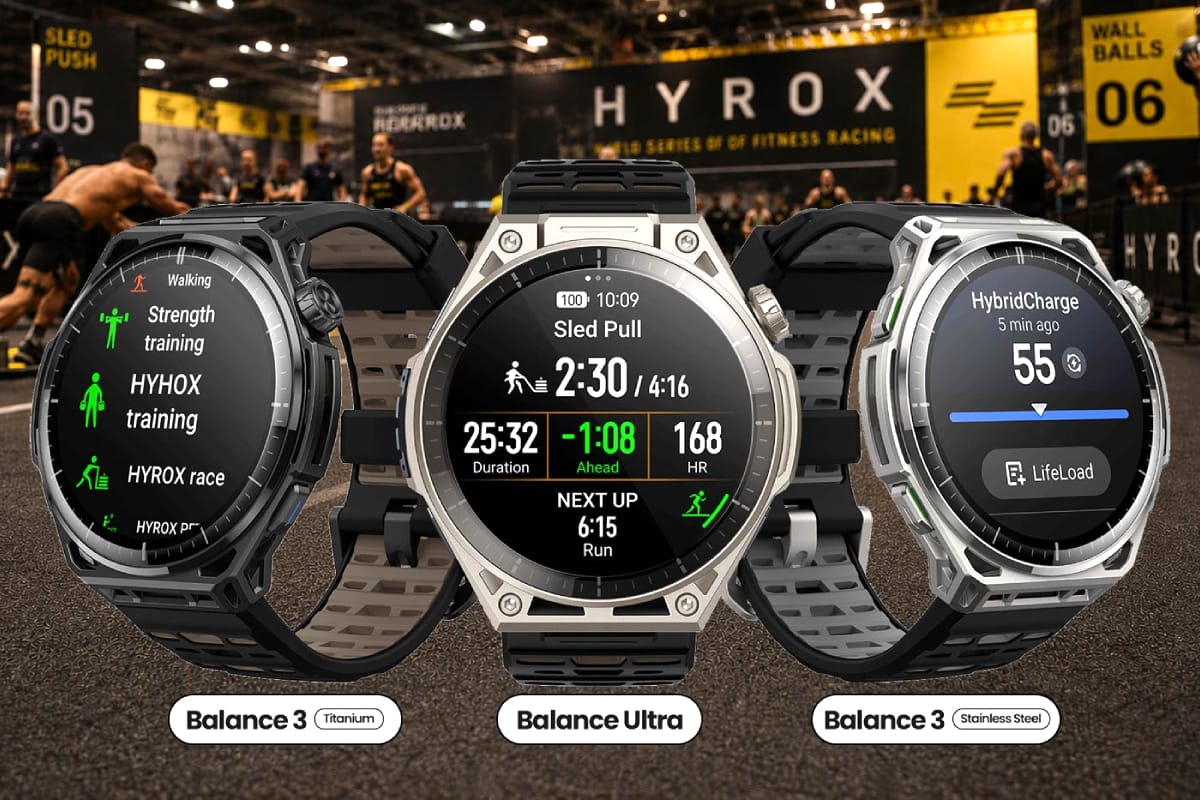
Amazfit has officially launched two new smartwatches, Balance 3 and Balance Ultra, introducing a new Hybrid Training System designed to enhance personalized fitness and lifestyle tracking.

The Hybrid Training System integrates multiple health and performance factors such as strength, endurance, recovery, stress levels, work routine, and daily lifestyle habits. Using data collected through the Zepp App, the system provides users with a clear and intelligent training guide that adapts to their overall physical condition and progress.

The premium Amazfit Balance Ultra model features a Grade 5 titanium body, offering durability along with a high-end design. It comes with an impressive 1.5-inch AMOLED display that delivers up to 3000 nits brightness for clear visibility even under strong sunlight. The smartwatch also supports GPS, offline maps, Bluetooth calling, Zepp Flow voice commands, and more than 180 workout modes.

One of the standout features of the Balance Ultra is its extended battery life, lasting up to 30 days on a single charge, making it ideal for long-term fitness tracking and outdoor activities.

The standard Amazfit Balance 3 is available in stainless steel and titanium options. It offers up to 21 days of battery life and includes 25 auto-recognized strength training modes. The device also supports HYROX-specific training tools, making it suitable for competitive fitness athletes and gym enthusiasts.

With these new releases, Amazfit continues to strengthen its position in the global smartwatch market by focusing on advanced health tracking, performance analytics, and long-lasting battery technology.

iPhone 18 Series Price Leak: Apple May Keep Pro Prices Stable

The upcoming flagship lineup from Apple Inc., the iPhone 18 series, is expected to launch around September 2026, and early leaks suggest that Apple may follow a stable pricing strategy for its premium models.

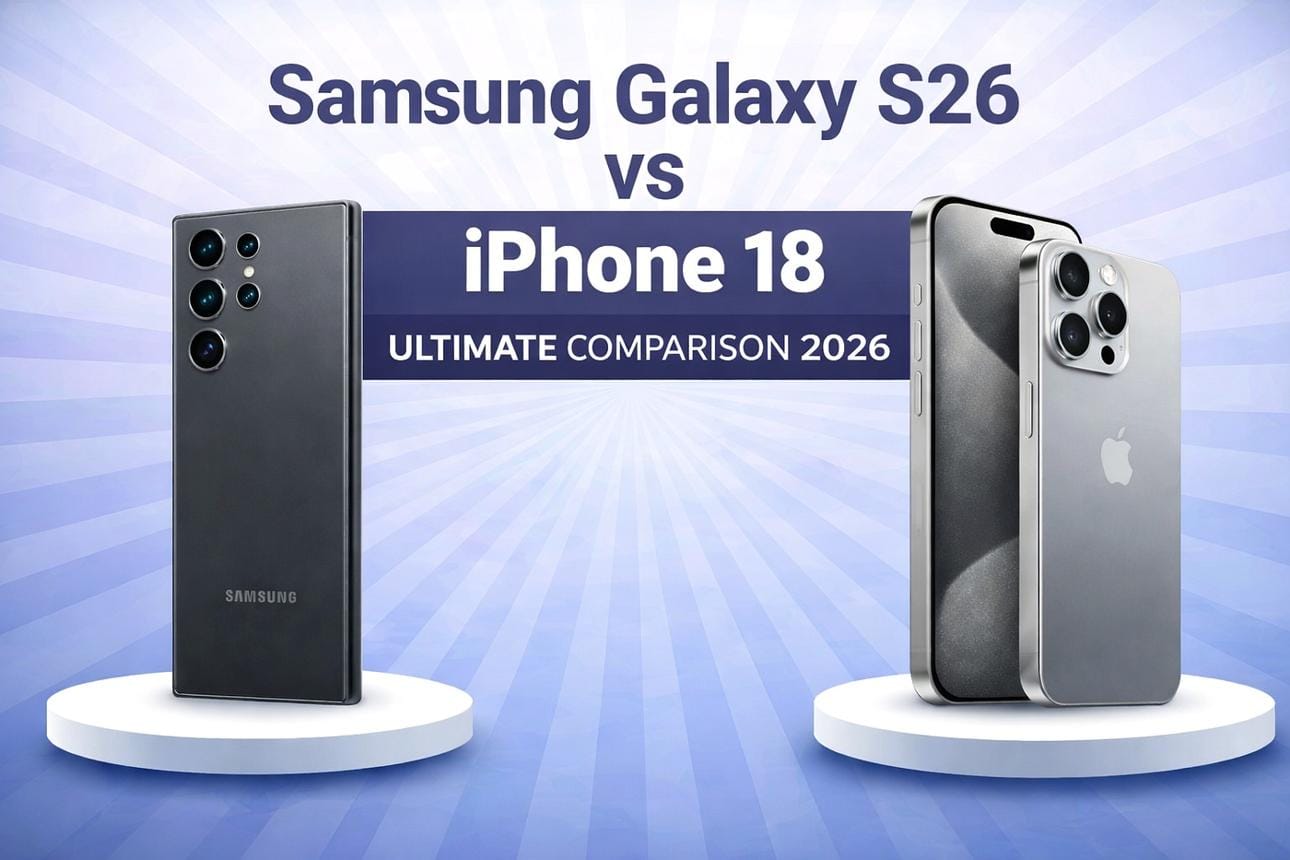
According to industry reports, Apple could maintain the price of its high-end models despite increasing competition in the premium smartphone market. The iPhone 18 Pro Max is expected to follow a similar pricing strategy seen in rival flagship devices from Samsung, particularly the Galaxy S26 series.

Initial estimates suggest that the iPhone 18 Pro may start at around $1,099, while the iPhone 18 Pro Max could be priced at approximately $1,199 in global markets. This indicates that Apple may avoid significant price hikes for its top-tier models.

Experts believe this strategy is aimed at strengthening Apple’s dominance in the premium smartphone segment while responding to increasing demand for advanced features such as improved photography, AI-powered performance, and long-term device durability.

Interestingly, Samsung has also reportedly followed a mixed pricing strategy in its Galaxy S26 lineup, keeping the Ultra model price stable while slightly increasing the prices of base and Plus variants in select markets.

If these reports are accurate, both Apple and Samsung appear to be focusing on balancing profitability with customer retention in a highly competitive flagship smartphone market.