


Swiss Cantons Oppose Converting Asylum Status Into Work Permits

Several Swiss cantons have opposed a federal proposal that would allow asylum seekers with temporary protection status to convert their residency into work permits after five years.

The Conference of Cantonal Directors of Social Affairs of Central Switzerland warned that the policy could place significant financial pressure on cantons and municipalities across Switzerland.

The debate mainly concerns refugees holding Switzerland’s temporary protection status S, many of whom arrived from Ukraine following the ongoing conflict. Cantonal authorities argue that status S was originally designed as a short-term humanitarian measure rather than a pathway to permanent residence.

According to the cantons, automatically converting S permits into B residence permits after five years would fundamentally change the purpose of the protection system. Officials stated that such a move would transform a temporary protection mechanism into a long-term immigration model.

The cantons also criticized the federal government’s financial approach. Under the proposal, Bern plans to reduce or stop federal financial support after five years, while local governments would continue covering social welfare and integration costs.

Regional leaders are now demanding greater authority over social assistance policies and adjustments to federal regulations to ensure that cantons are not left carrying the long-term financial burden alone.

The Conference of Cantonal Directors of Social Affairs of Central Switzerland includes the cantons of Lucerne, Uri, Schwyz, Nidwalden, Obwalden, and Zug.

The issue is expected to remain politically sensitive as Switzerland continues balancing refugee protection policies with economic and social integration challenges.
Why the Swiss School System Stands Out Globally

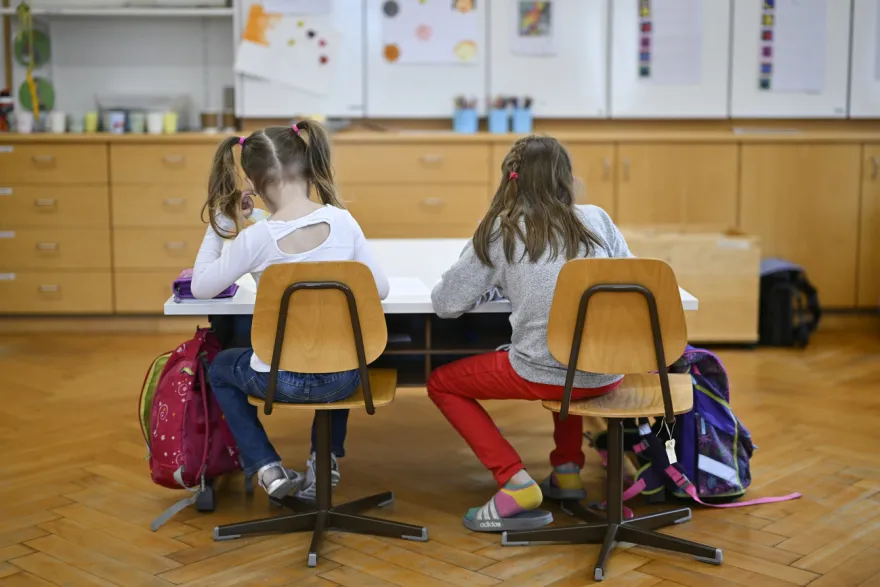
The Swiss education system is widely recognized for its high quality and cost efficiency, making it one of the most trusted public school systems in the world. Experts highlight its strong structure, long-term stability, and decentralized governance as key factors behind its success.

In Switzerland, children typically begin their education at the age of four or five. Public primary education is free and includes eleven years of compulsory schooling, starting with two years of kindergarten. This accessible system ensures equal opportunities for students across the country.

The system consistently performs well in international comparisons. Unlike many other nations, Switzerland has a relatively low percentage of private schools. This reflects the strong confidence citizens place in public education, which is seen as reliable and effective.

According to the Swiss Conference of Cantonal Ministers of Education (EDK), the system has benefited from long-term stability without major disruptions. This continuity has allowed steady improvements and consistent quality over time.

Public trust is also evident in national votes. Swiss citizens have repeatedly rejected proposals allowing unrestricted school choice. During compulsory education, most children attend assigned public schools, although families may opt for private institutions if needed.

Private schools in Switzerland mainly serve as a supplement rather than a replacement for public education. However, in certain areas such as the right bank of Lake Zurich, where many expatriates live, private schools—often offering English-language education—are more common.

A defining feature of the Swiss system is its decentralized structure. Each of the 26 cantons independently manages its education policies, allowing local adaptation and flexibility. This approach strengthens public acceptance and responsiveness to regional needs.

According to an OECD study, around 76% of Swiss citizens are satisfied with their education system—a level surpassed globally only by Finland. This strong approval reflects the system’s ability to balance quality, accessibility, and trust.

Swiss Schools Debate Phone Bans

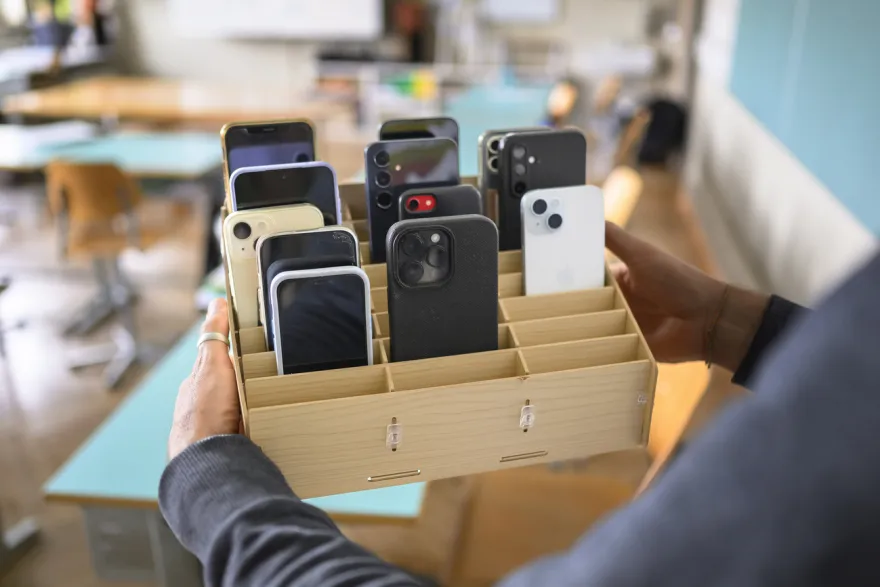
A growing number of Swiss cantons are introducing smartphone bans in schools, aiming to improve students’ concentration and social interaction. However, many teachers across Switzerland remain unconvinced that strict, blanket bans are the best solution.

In Switzerland, children begin school at the age of six. Studies show that by this age, around one in five already owns a mobile phone. By the end of primary school, this figure rises to four in five, and at lower secondary level, nearly 99% of students have access to a smartphone.

These statistics highlight how deeply mobile phones are integrated into the daily lives of children and teenagers in Switzerland. The debate now centers on whether these devices should be allowed within school environments.

While most schools already enforce internal rules on smartphone usage, Switzerland does not have a national law regulating phones in education. Instead, the system is governed at cantonal level, meaning each region and school can set its own policy.

As a result, the Swiss education system shows a fragmented approach, with different rules across municipalities and schools. Despite this, a clear trend is emerging: more schools are moving toward restricting or fully banning smartphones on school premises.

Teachers, however, argue that bans alone may not solve the underlying issues. Many believe that digital literacy education and responsible usage training may be more effective than strict prohibition.