Swiss Hotels Report Strong Winter Season Growth

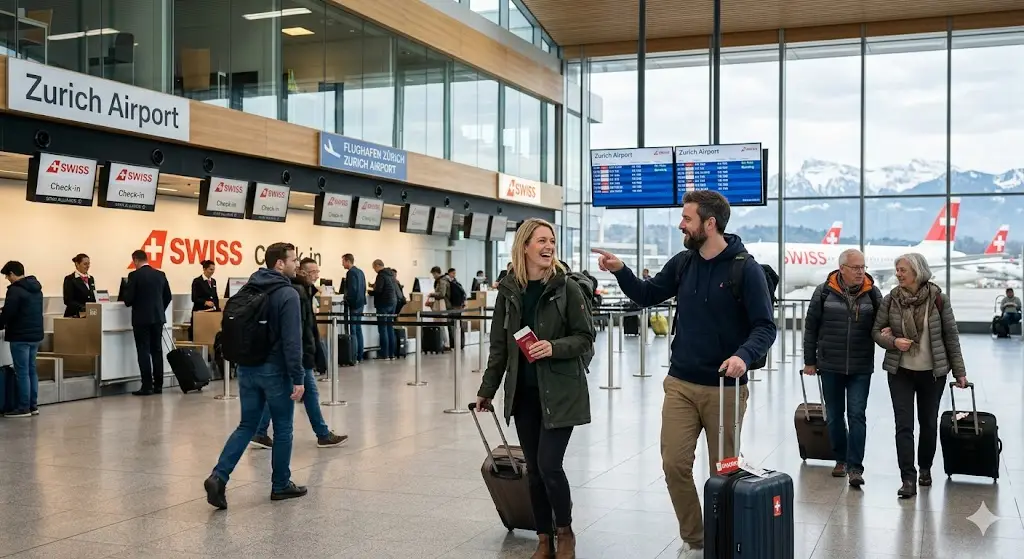
Switzerland’s hotel industry experienced an exceptionally strong winter season, with record levels of overnight stays recorded despite a slight slowdown at the end of the period. The latest figures from the Federal Statistical Office (FSO) highlight continued resilience in the country’s tourism sector.

Between November and April, Swiss hotels recorded a total of 18.7 million overnight stays, representing a 1.1% increase compared to the previous year. The growth was mainly supported by strong domestic tourism, while international demand showed only modest gains.

Domestic guests accounted for 9.5 million overnight stays, an increase of 1.6%, while foreign visitors contributed 9.3 million stays, rising slightly by 0.5%. This balance shows that Swiss residents played a key role in driving the winter tourism industry.

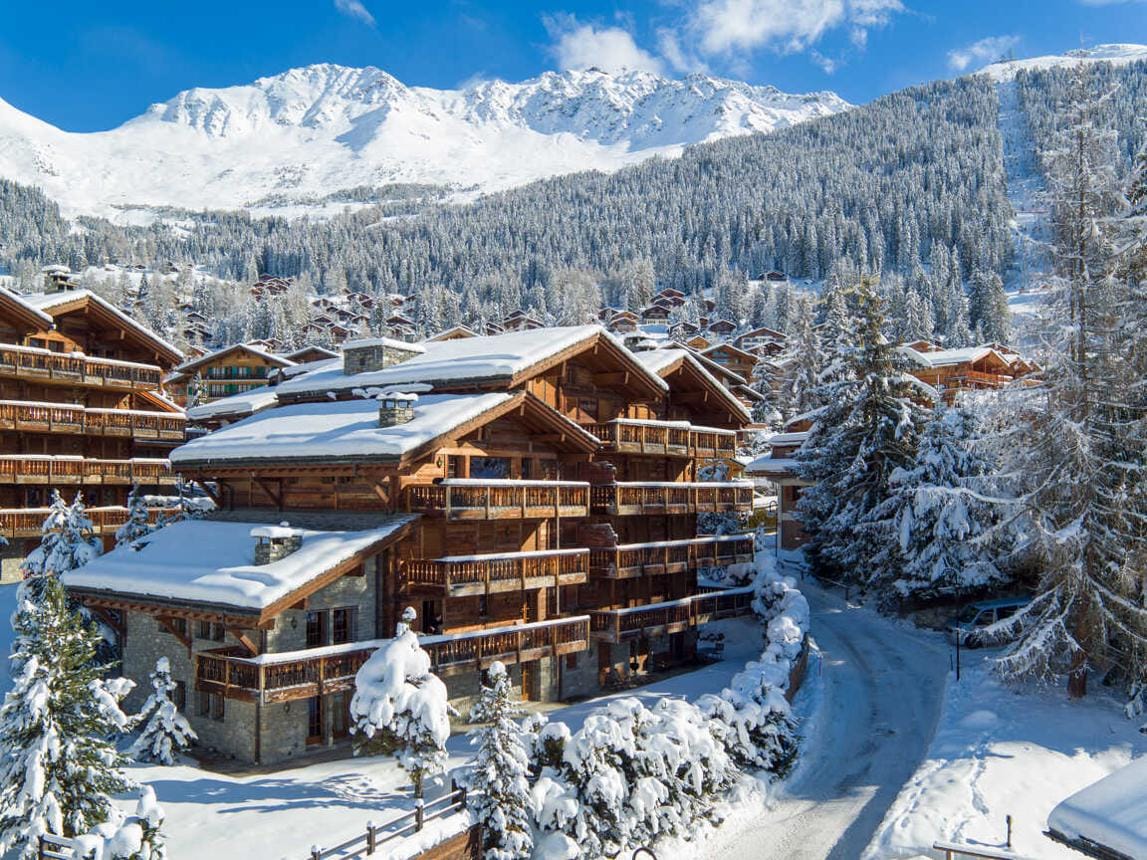
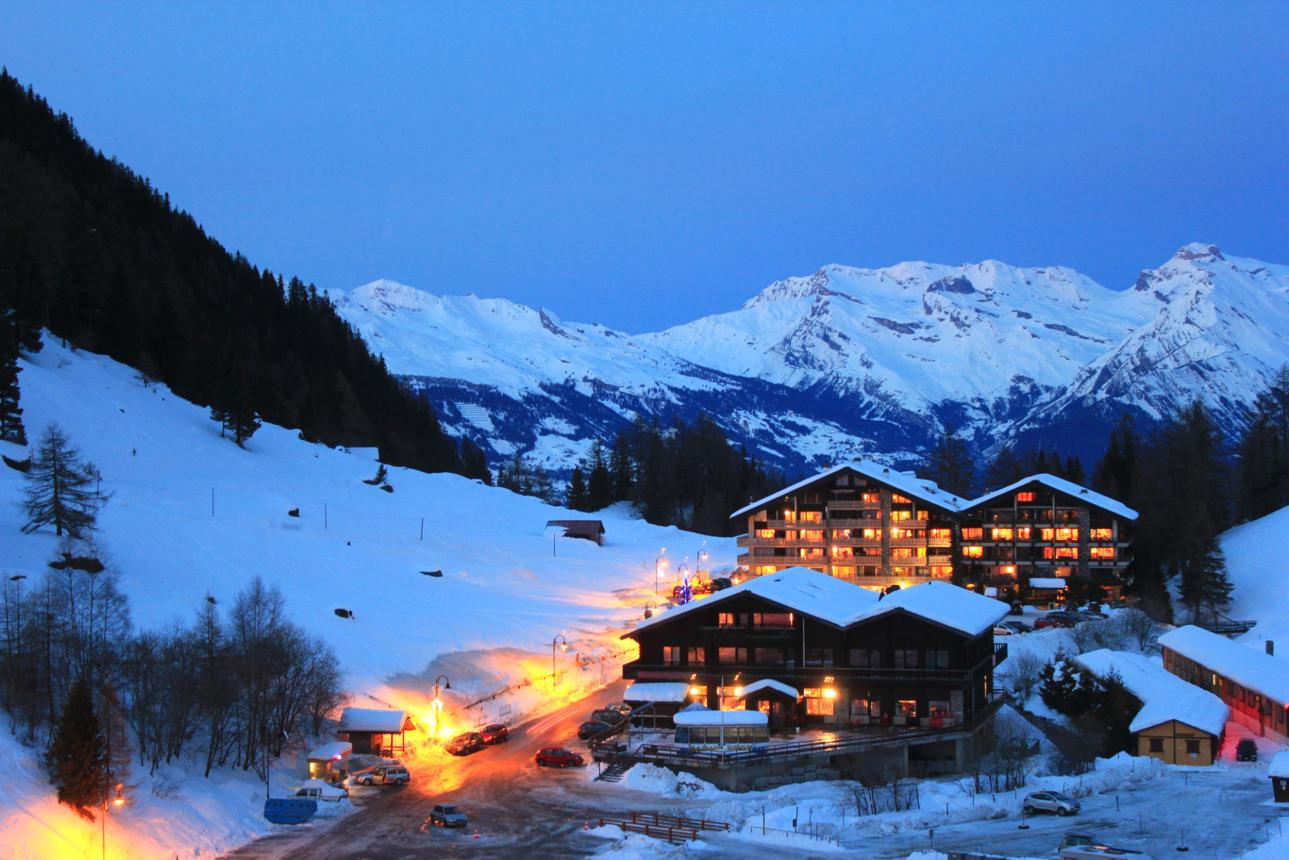
The months of December, January, and February were particularly strong, with occupancy rates rising by 6.8%, 2.6%, and 2.9% respectively. Popular ski destinations and alpine resorts benefited from favorable winter conditions and steady visitor interest during peak holiday periods.

However, the season ended on a weaker note due to global geopolitical tensions. The outbreak of conflict in the Middle East led to a decline in international travel demand, particularly from Asian markets. Foreign overnight stays fell by 4.8% in March and 5.7% in April, impacting overall momentum toward the end of the season.

Despite this slowdown, Switzerland’s hospitality sector demonstrated strong overall performance, supported by domestic travel and stable winter tourism activity. The results underline the importance of local tourism in maintaining hotel occupancy levels during uncertain global conditions.

Industry experts suggest that Switzerland’s appeal as a premium winter destination continues to remain strong, with alpine resorts and urban hotels both contributing to the country’s tourism success.

The latest figures confirm that Switzerland’s hotel industry remains one of the most stable and attractive sectors in the national economy, even in the face of global challenges affecting travel patterns.
Chaplin’s World Misses Record Attempt.

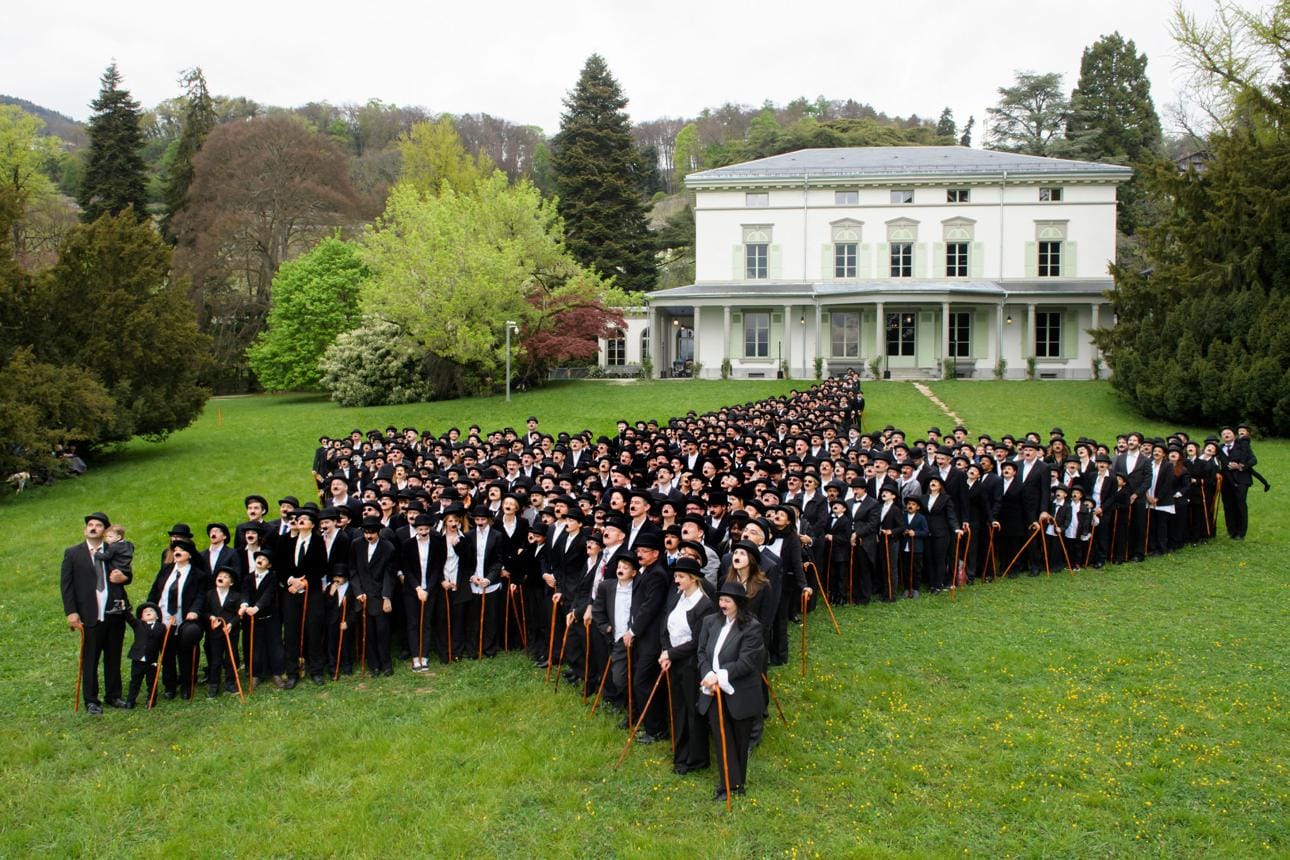
Chaplin’s World in Switzerland celebrated its tenth anniversary with a unique tribute to legendary filmmaker Charlie Chaplin. Hundreds of fans dressed as the iconic actor gathered at the museum in Corsier-sur-Vevey on Sunday, hoping to break the world record for the largest gathering of Charlie Chaplin look-alikes.

A total of 429 participants arrived wearing Chaplin’s signature outfit, including the famous black bowler hat, moustache, suit, and walking stick. Together, the participants formed a giant number “10” in the gardens of the historic Ban mansion, marking a decade since the museum first opened its doors.

Despite the enthusiastic turnout, the event fell short of its ambitious goal. Organisers had hoped to attract 1,000 participants and surpass the existing record. However, the final count remained well below the 662 look-alikes who gathered at the same location in 2017, meaning the record remains unbeaten.

The anniversary event was part of a broader programme of celebrations planned throughout the year. Chaplin’s World continues to attract visitors from around the world who want to explore the life and legacy of one of cinema’s most influential figures.

Located above Vevey in western Switzerland, the museum opened in 2016 and transformed the historic Ban mansion into an immersive cultural attraction. The estate served as Charlie Chaplin’s home during the final 25 years of his life after he settled in Switzerland.

Chaplin moved to Switzerland in 1953 and spent much of his later life there with his family. Today, the museum offers visitors a unique insight into his personal life, cinematic achievements, and lasting impact on the world of entertainment.

Although the record attempt did not succeed, the gathering created a memorable celebration of Charlie Chaplin’s legacy and highlighted the continued popularity of one of cinema’s greatest icons. Organisers say the anniversary events will continue to attract film enthusiasts and tourists throughout the year.

Swiss Airports Face Longer Waits Under New EU System.

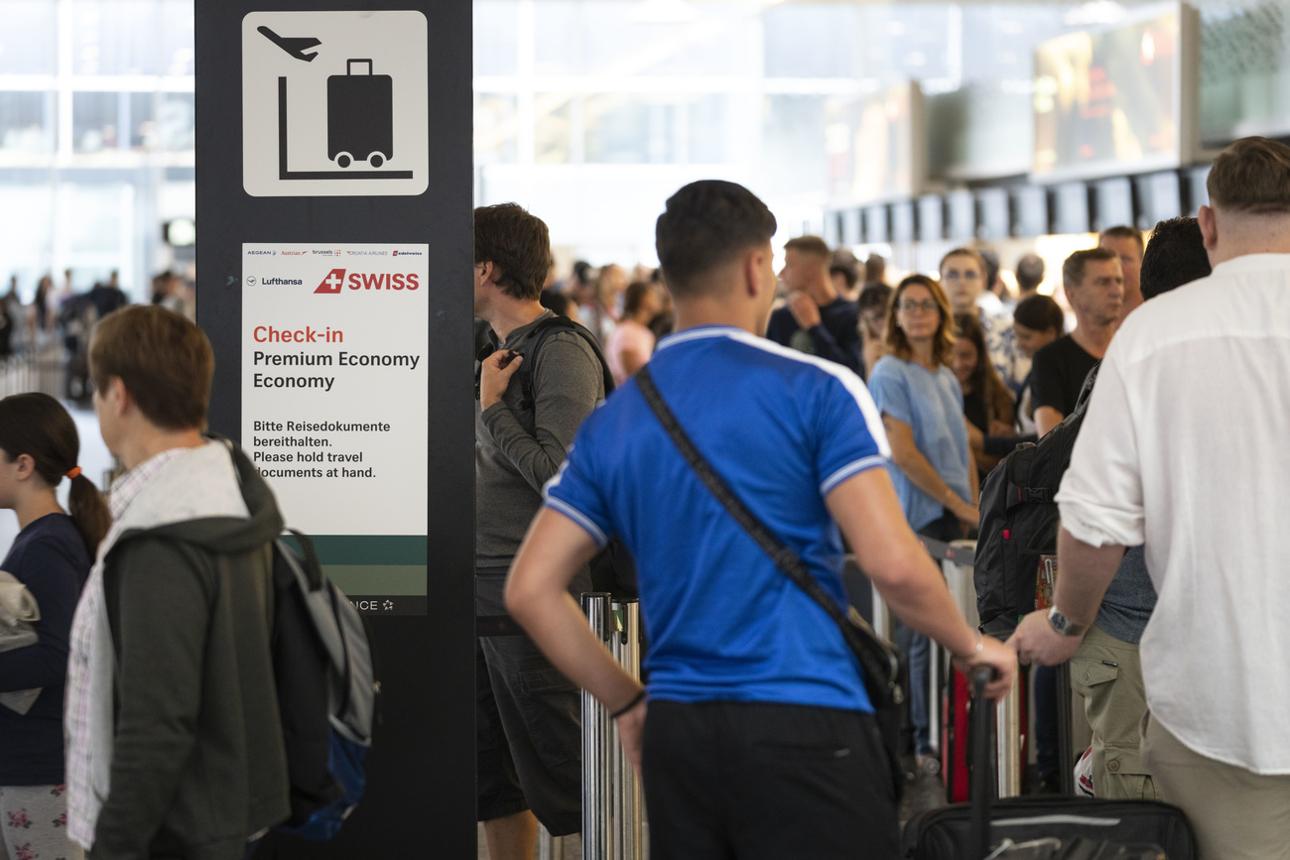
Air travelers arriving in Switzerland from countries outside the Schengen area, such as the United States and the United Kingdom, are experiencing longer waiting times at airports due to the rollout of a new European border control system.

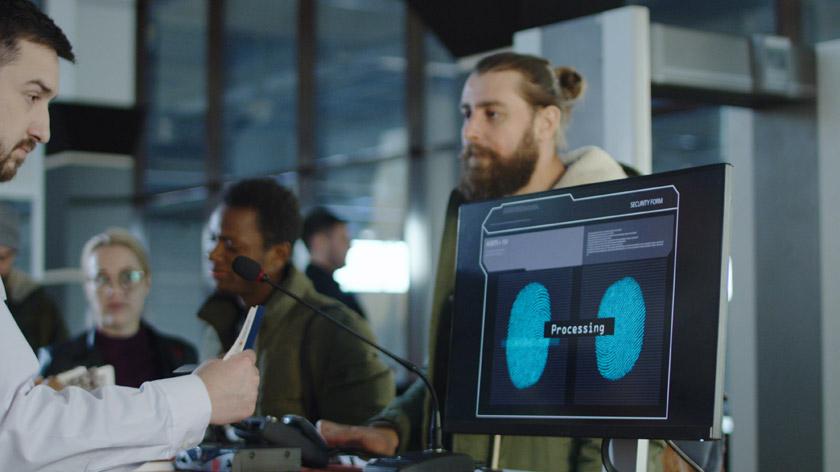
The system, known as the Entry/Exit System (EES), records all entries and exits of non-EU, non-Schengen travelers within the Schengen zone. It applies to passengers who do not hold passports from EU countries or associated states such as Norway, Iceland, Liechtenstein, or Switzerland.

The EES has been gradually introduced and has been fully operational across the Schengen area since April 10. According to EU officials, the system has already registered around 90 million travelers, with approximately two million new registrations processed each week. The system is designed to strengthen border security, track travel movements, and identify security risks more efficiently.

However, the new process has also led to delays at several airports, including those in Switzerland. At Zurich Airport, the system was introduced in November 2025, while Geneva Airport began using it in October 2025. Authorities confirm that first-time registrations require detailed data collection, including personal information, travel document details, and biometric data such as fingerprints and facial images.

Because of these additional requirements, border processing times have increased, especially when multiple long-haul flights arrive at the same time. In some cases, passengers have reported waiting times of up to one to two hours before completing entry procedures.

Airport officials say the system is generally stable and reliable, but they acknowledge that longer queues can occur during peak travel periods. They expect processing times to improve as border staff gain more experience with the new system.

Geneva Airport also experienced significant delays during the winter ski season, when daily passenger numbers exceeded 70,000. On the busiest days, waiting times reached up to two and a half hours, according to airport authorities.

While responsibility for border checks differs between airports, with Zurich managed by cantonal police and Geneva overseen by the Federal Office for Customs and Border Security, both authorities confirm that the Entry/Exit System is functioning as intended but requires additional processing time.

Officials emphasize that the system plays an important role in improving security across the Schengen area, even as efforts continue to streamline procedures and reduce waiting times for international travelers.

Alps Home Prices Rise Across Switzerland 2025.

Property prices in the Swiss Alps continue to rise sharply, according to the latest Alpine Property Index released by UBS. The report shows that residential property values in Alpine regions have increased by nearly 4% in 2025 alone, reflecting strong demand for homes in Switzerland’s most prestigious mountain destinations.

The price growth is particularly visible in popular tourist and luxury resort towns, where limited land availability and high international demand continue to push values upward. Holiday homes and high-end apartments in these regions remain highly sought after by both local and foreign buyers.

Among the most expensive locations, Gstaad stands out as the top-ranked Alpine property market, with average prices reaching around 25,200 Swiss francs per square meter for premium holiday residences. The Engadin / St. Moritz region follows closely at approximately 24,000 francs per square meter, while Verbier records around 23,600 francs.

Other high-value markets include Andermatt, where property prices reach about 22,200 francs per square meter, and Zermatt, with average prices around 21,000 francs per square meter. These figures highlight the continued strength of Switzerland’s luxury real estate sector.

Experts say the ongoing price surge is driven by several factors, including rising tourism demand, limited construction land in mountain regions, and strong interest from international investors seeking stable and premium real estate assets in Switzerland.

Analysts also note that Alpine properties are increasingly viewed as both lifestyle investments and long-term financial assets, further supporting sustained price growth across the region.

With demand remaining strong, the Swiss Alpine property market is expected to stay competitive, especially in high-end resort destinations where supply remains limited.

Swiss Ski Resort Opens Europe’s Highest Habitable Tower at 3,020 Metres

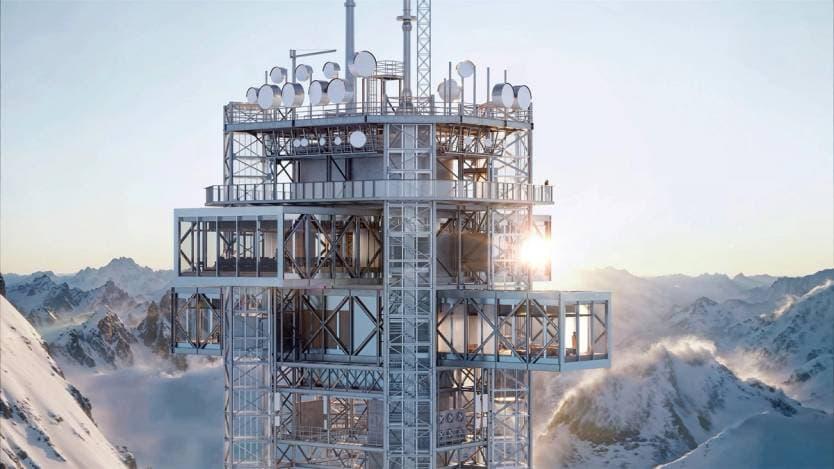
A major new attraction has opened in the Swiss Alps as the Engelberg ski resort in canton Obwalden unveiled the newly transformed Titlis Tower, now recognized as Europe’s highest habitable tower.

Located at an altitude of 3,020 metres above sea level, the tower was officially presented on Friday after three years of construction and redevelopment. The structure, originally built in the 1980s as a telecommunications transmission tower, has been converted into a modern visitor destination overlooking the spectacular Alpine landscape.

New Attraction on Mount Titlis

The Titlis Tower stands near the glacier area and close to the summit of Mount Titlis, one of Switzerland’s most popular mountain destinations. Visitors can access a viewing platform capable of accommodating up to 500 people, offering panoramic views of the surrounding Swiss Alps.

Entry to the observation platform will cost CHF 19.

Restaurant and Luxury Facilities

The tower also features two glass-enclosed luxury containers housing a 125-seat restaurant operated by an award-winning chef. In addition, visitors can explore a boutique luxury watch store and enjoy upgraded facilities including new lifts and stairways.

The CHF 150 million project was designed by renowned Swiss architects Herzog & de Meuron and aims to strengthen the region’s tourism appeal.

Respectful Opening

Officials confirmed that no official inauguration ceremony would be held. The decision was made out of respect for the victim of a fatal ski lift accident that occurred in the Engelberg ski area on March 18.

The attraction is scheduled to open to the public from Monday.

Future Development Plans

The Titlis cable car company has also announced plans to construct a new arrival station by 2029, replacing the existing facility located at the foot of the tower.

The project additionally involved a land exchange of approximately 1,500 square metres between the cantons of Obwalden and Bern, ensuring that the new infrastructure remains entirely within Obwalden territory.

With its record-breaking altitude and luxury visitor experience, the Titlis Tower is expected to become one of Switzerland’s most iconic mountain attractions.

Step-by-Step Switzerland Schengen Visa Application Process

Applying for a Switzerland Schengen Visa (Type C) requires careful preparation and proper documentation. This visa allows short stays for tourism, family visits, and business travel within Switzerland and other Schengen countries.

Visa Type Selection

The most common visa is the Short Stay Schengen Visa (Type C), used for tourism and family visits. For work or study purposes, a national visa is required instead.

Required Documents

Applicants must prepare the following essential documents:

  • A valid passport with at least 6 months validity and 2 blank pages
  • Completed visa application form
  • Recent passport-size photographs
  • Travel itinerary including flight and hotel bookings
  • Travel insurance with minimum €30,000 coverage
  • Bank statements for the last 3–6 months showing sufficient funds
  • Employment or business documents such as salary slips, employment letter, or business registration proof
  • A cover letter explaining the purpose of travel

Application Process

The Switzerland visa application process is generally handled through VFS Global in many countries. The steps include:

  1. Book an online appointment at the visa application center
  2. Prepare all required documents carefully
  3. Visit the visa center for biometric data submission
  4. Submit your application and wait for processing

Processing Time

The standard processing time is around 15 working days. However, during peak travel seasons, it may take longer.

Visa Fees

  • Adults: approximately €90
  • Additional VFS service charges may apply depending on the location

Important Notes

Applicants must avoid submitting false documents, as this can lead to rejection. A strong bank balance and clear travel purpose improve approval chances. Proof of return to home country is also very important for visa approval.

Proper preparation ensures a smooth and successful Switzerland Schengen visa application process.

Asian Tourist Drop Slows Swiss Summer Tourism Growth.

Switzerland’s summer tourism sector is expected to slow down in 2026, mainly due to a sharp decline in visitors from Asia. According to the latest forecast from the KOF Swiss Economic Institute at ETH Zurich, overnight hotel stays are projected to fall by 1.6% to around 24.8 million.

Researchers highlight that the ongoing Iran conflict is having a significant impact on global travel patterns, particularly long-haul flights. Rising fuel costs, higher airfares, and longer or less secure flight routes are discouraging many international tourists from travelling to Switzerland this summer.

The study shows that foreign guest overnight stays are expected to decline by 2.9% to 13 million. The biggest drop is predicted in visitors from Asia, which could fall by around 10% to 1.5 million overnight stays. Chinese tourists are expected to see an even sharper decline of approximately 25.7%, reducing their total to 0.4 million.

Asian visitors play an important role in Switzerland’s tourism economy, especially in major cities where long-distance tourism supports hotels, retail, and guided services. Their share of foreign overnight stays is expected to drop from 12.4% in summer 2025 to about 11.5% this year.

While international tourism is weakening, domestic demand is showing slight growth. Swiss residents are expected to generate around 11.8 million overnight stays, marking a modest increase of 0.2%. European visitors are also expected to remain relatively stable at 6.7 million overnight stays, a slight decrease of 0.4%.

Experts explain that European travellers are less affected because they can still reach Switzerland easily by car, train, or short-haul flights. In contrast, long-distance travel markets are more sensitive to fuel prices and geopolitical uncertainty.

Looking ahead, the winter season 2026/27 is expected to remain stable, with around 18.7 million overnight stays forecast. Unlike the summer season, winter tourism relies more on regional visitors and Swiss residents, making it less vulnerable to global disruptions.

The KOF also noted that the previous winter season was strong overall, although momentum slowed towards the end due to weaker snow conditions and early effects of global conflict.

Swiss Airports Record 13.3 Million Passengers in Q1 2026.

Swiss airports recorded a strong increase in passenger traffic during the first quarter of 2026, reaching a total of 13.3 million travellers on scheduled and charter flights, including transit passengers.

According to figures published by the Federal Statistical Office, this represents an increase of around 0.7 million passengers, or 5%, compared to the same period in 2025.

The growth highlights continued recovery and expansion in Switzerland’s aviation sector, supported by rising travel demand and strong international connectivity.

Among the country’s major airports, Zurich Airport recorded the highest passenger volume, handling 6.9 million travellers. This marks a 6% increase compared to the previous year.

Geneva Airport also saw steady growth, with passenger numbers rising by 3% to 4.6 million. Meanwhile, EuroAirport Basel Mulhouse Freiburg experienced the strongest percentage increase, up 7% to 1.8 million passengers.

Aviation analysts say the increase reflects stronger international travel demand, improved airline capacity, and Switzerland’s continued role as a key European travel hub.

The data suggests that despite global economic uncertainties, Swiss air travel remains resilient, with both tourism and business travel contributing to the upward trend.

Swiss Hotels Struggle as Online Booking Platforms Undercut Prices.

Hotels across Switzerland are facing increasing pressure from online booking platforms that often list rooms at lower prices than hotels’ own direct offers, according to a new industry study.

The report, published by Hotelleriesuisse, found that around half of 171 surveyed hotels experienced undercutting in 2025, up from 40% the previous year. In 83% of these cases, hotels said they had not authorized the discounted prices.

Industry representatives warn that such pricing practices force hotels to reduce their own direct rates in order to stay competitive, creating a downward pricing cycle that weakens profitability across the sector.

Hotelleriesuisse director Christian Hürlimann said hotels risk losing control over their pricing and distribution strategies as online travel agencies continue to dominate the market.

Despite direct bookings still accounting for 59% of reservations, platforms such as Booking.com and Expedia remain highly influential in shaping consumer choices and visibility. Booking.com alone handles more than 70% of online hotel bookings, while Expedia accounts for around 15%.

Although price parity rules have been banned, hotels report that online travel agencies still influence pricing indirectly through ranking systems, promotional tools, and discount programs. Nearly 29% of hotels also report direct pricing interventions.

The study further highlights the growing use of “multi-sourcing,” where hotel rooms are resold by third-party platforms, affecting more than half of hotels and further complicating pricing control.

Experts warn that these trends could reduce transparency and profitability in Switzerland’s tourism industry unless stronger regulatory safeguards or industry agreements are introduced.

Middle East War Expected to Affect Swiss Tourism Industry.

The ongoing conflict in the Middle East is expected to negatively impact the tourism sector in Switzerland, according to Switzerland Tourism.

Tourism officials warned that the war could lead to a moderate decline in overnight hotel stays this year, although demand during the summer season is expected to remain relatively stable.

The Swiss hotel industry recorded a noticeable slowdown in March, with overnight stays falling by 5.2% compared to the same period last year. However, Switzerland Tourism explained that the decline was not caused solely by the conflict but also by calendar-related factors.

One major reason was the timing of school winter holidays. In 2026, winter vacations in many European regions ended in February, while several major markets, including Germany, had holidays extending into March during the previous year.

Despite the uncertainty, many tourism operators remain optimistic about the upcoming summer season. Industry experts expect stable demand from domestic travelers and visitors from neighboring European countries.

The trend toward “nearshoring” — where tourists prefer destinations closer to home — is continuing to support Switzerland’s tourism sector amid global instability.

Interestingly, Switzerland also recorded a surprising rebound in visitors from Gulf countries, with arrivals increasing by 7.9%. Tourism officials noted that this was partly due to the timing of Ramadan, which fell in March 2025 and traditionally reduces travel activity.

Looking ahead to 2026, Switzerland Tourism predicts a 2–3% decline in overnight stays linked to geopolitical tensions in the Middle East.

However, officials stressed that the current situation is far less severe than the tourism collapse experienced during the COVID-19 pandemic. They described the present slowdown as a market adjustment affecting only certain travel segments.

Tourism experts added that hotels heavily dependent on travelers from affected regions may feel stronger economic pressure, while the broader Swiss tourism industry is expected to remain stable overall.