

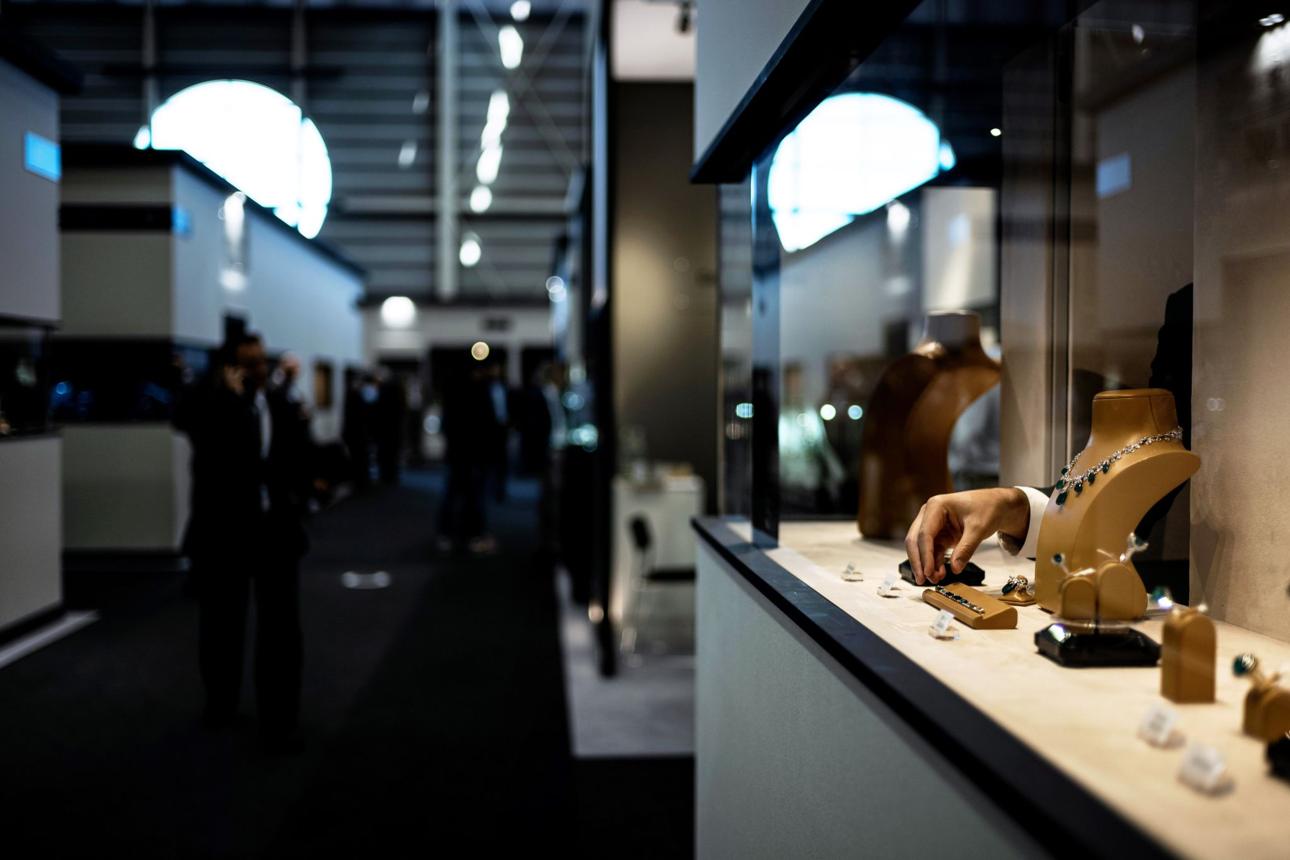
GemGenève Hits Record Attendance Amid Market Uncertainty.

The international fine jewellery exhibition GemGenève has closed its 10th edition with record attendance, despite ongoing global economic and geopolitical uncertainty.

Held at Palexpo Geneva from May 7 to 10, the event attracted 5,365 visitors, surpassing the previous edition’s 4,970 attendees. Organisers confirmed that this marks one of the most successful editions since the show began in 2018.

The event brought together exhibitors including traders, jewellers, designers, and artisans from around the world. Participants reported strong engagement, high-quality business discussions, and favourable conditions for completing transactions, even in a challenging global market environment.

Co-founder Ronny Totah said the show demonstrated that the jewellery market remains resilient, driven by rarity, craftsmanship, and trust. He added that despite geopolitical tensions and slowing markets, demand for fine jewellery continues to show strong international interest.

This year’s edition featured participants from 109 nationalities, with notable increases in repeat visitors. Attendance rose by more than 10% compared with the previous year, with strong representation from Switzerland, France, Italy, Belgium, the United Kingdom, and the United States.

Organisers stated that GemGenève continues to position itself as a global hub for the jewellery industry, connecting traditional craftsmanship with modern design innovation. The strong turnout signals ongoing confidence in the high-end luxury sector despite global financial uncertainty.
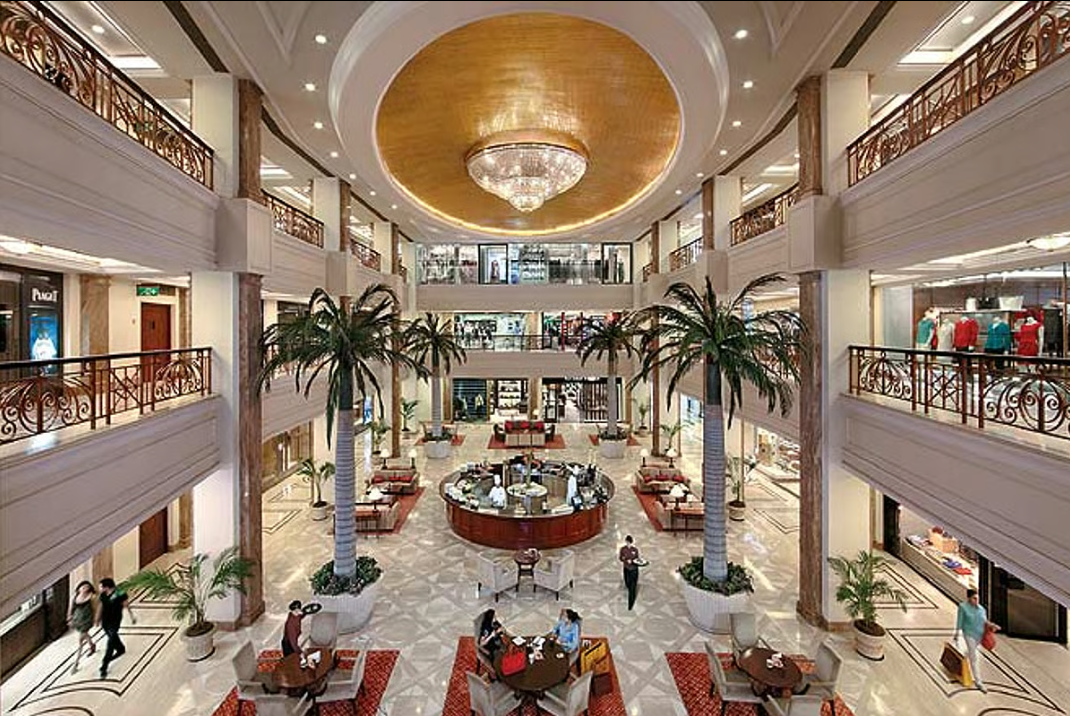
India’s Luxury Market Faces Mall Shortage

India’s luxury market is expanding rapidly, driven by rising disposable income and growing demand for premium products. However, the country faces a major challenge — a shortage of world-class luxury shopping malls. This infrastructure gap is slowing down the growth of the high-end retail sector.

Global brands such as Louis Vuitton, Gucci, and Dior are ready to expand their presence in India. They see strong potential in cities like Delhi, Mumbai, and Bengaluru. Yet, these brands struggle to find suitable retail spaces that meet international luxury standards.

Currently, most premium shopping malls in major Indian cities operate at full capacity. Retail spaces designed specifically for luxury brands remain limited. As a result, many international brands delay their entry or expansion plans in the Indian market.

The construction of new luxury malls has not kept pace with demand. High land costs and rising construction expenses have slowed down development projects. Developers also face regulatory challenges, which further delay new investments in premium retail infrastructure.

This shortage has created a clear infrastructure gap in India’s luxury ecosystem. Without sufficient high-end retail spaces, the country cannot fully benefit from its growing luxury market. Experts believe that improving infrastructure will unlock significant economic opportunities.

If India addresses this issue, it can attract more global brands, increase foreign investment, and strengthen its position in the global luxury market. The future of India’s luxury sector depends heavily on how quickly it can build world-class retail environments.