Britain Faces Growing Food Crisis Warning.

Food experts warn that Britain is moving toward a major food crisis driven by extreme weather, rising inflation, and global geopolitical tensions. Industry leaders say the government must act urgently to strengthen national food security before conditions worsen.

Farmers across the UK are struggling through severe heatwaves after an unusually dry spring. High temperatures are reducing crop yields, stressing livestock, and increasing wildfire risks. Experts believe the economic damage could reach hundreds of millions of pounds.

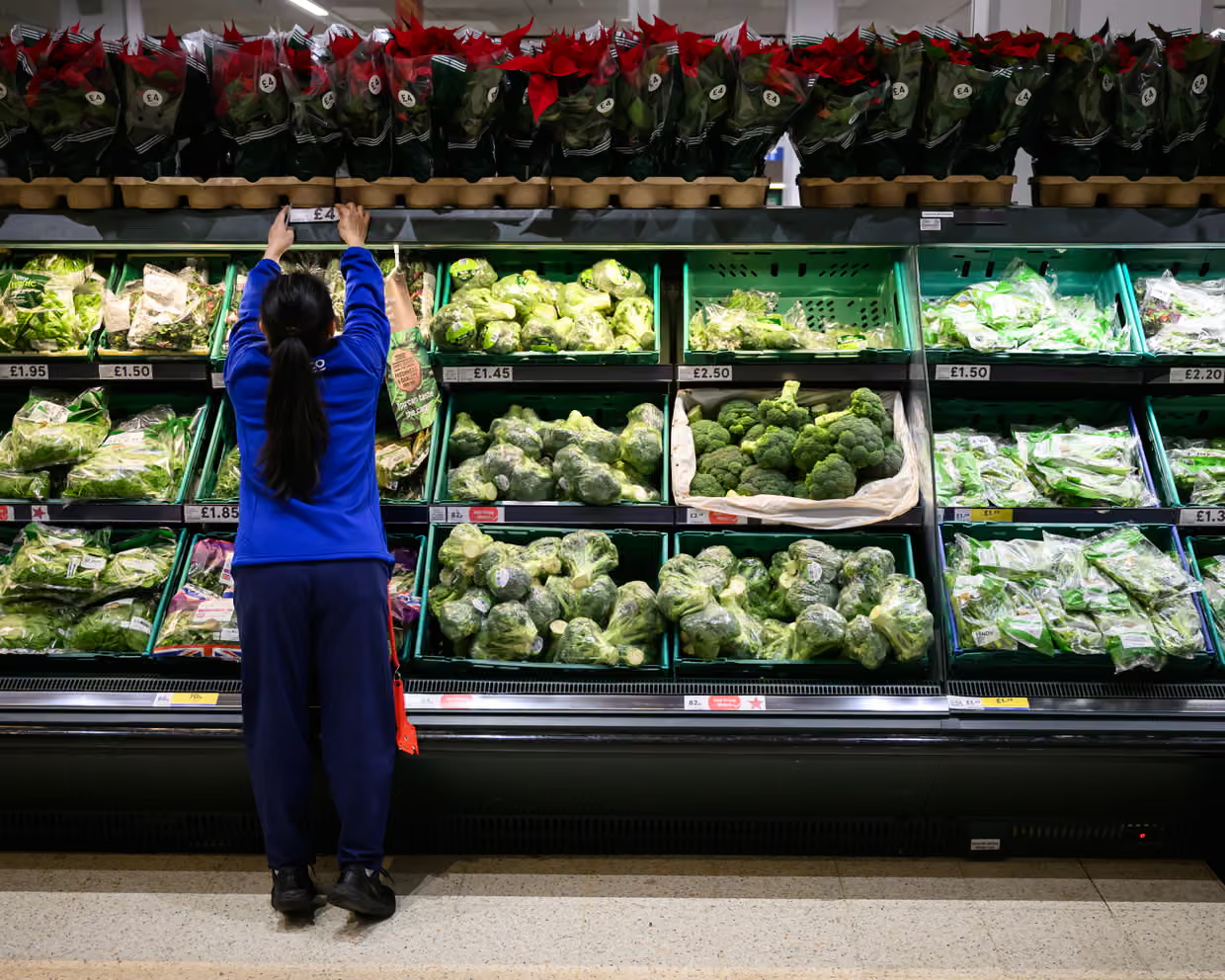
Food inflation already continues to pressure British households. Analysts predict food prices could become 50% higher this November compared to levels seen five years ago. Ongoing climate disruptions and supply chain instability are expected to worsen the situation further.

The conflict involving Iran also adds pressure on global fuel and fertiliser markets. Experts warn that disruptions near the Strait of Hormuz continue to affect international trade routes, increasing costs for farmers and food producers worldwide.

A coalition of food policy experts has written to UK ministers demanding an updated national food strategy. The group calls for stronger domestic food production, better protection against supply chain shocks, and improved public access to affordable and healthy food.

Food policy specialist Tim Lang criticises the government for treating the crisis as “business as usual.” He warns that climate change, inflation, and geopolitical instability are creating long-term risks to national food security.

Retired General Richard Nugee also describes food security as a major national security issue. He says supply disruptions and rising living costs could increase public frustration if the government fails to maintain stable and affordable food supplies.

Experts now urge Britain to prepare for a future shaped by extreme weather, global instability, and increasing pressure on agricultural systems.
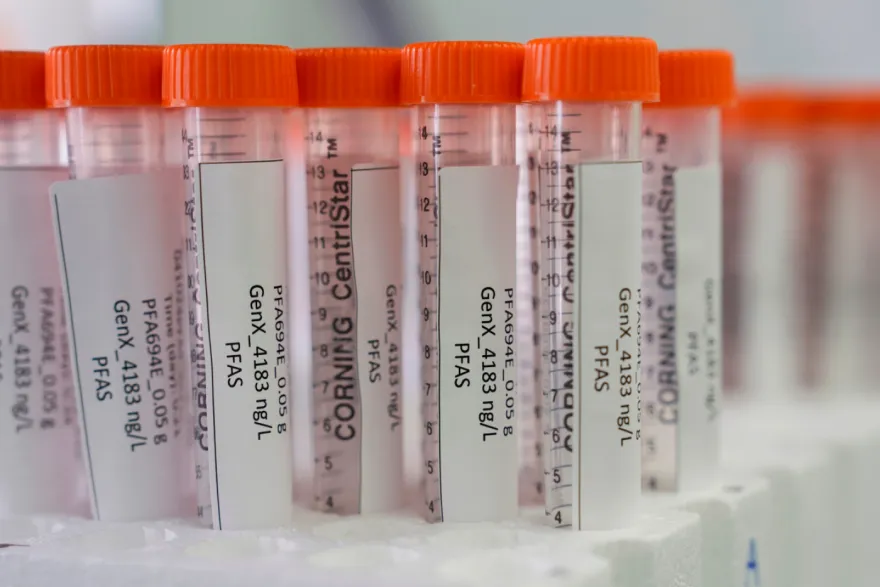

Switzerland PFAS Food Rule Sparks Debate.

The Swiss government proposes a temporary rule that allows food producers to blend animal products containing higher levels of PFAS, known as “forever chemicals,” into final food items as long as the end product stays within safety limits.

The Federal Council opens a public consultation and invites stakeholders to comment on the proposal until September 18. The measure aims to support farmers who need more time to meet strict PFAS contamination standards.

PFAS chemicals are found in multiple regions of Switzerland and can enter the food chain through contaminated soil and water. These substances have been linked to potential health risks, leading Switzerland to enforce maximum PFAS limits for meat, fish, and eggs since 2024.

Under the proposed three-year transition plan, consumers will receive clear information if food products include blended ingredients that exceed PFAS limits before processing. The government also considers financial support for affected farms facing contamination challenges.

Parliament urges the Federal Council to protect farmers’ livelihoods while ensuring food safety. A separate special law to support contaminated farms is expected to go into consultation in March 2027.

How Switzerland Became the World’s Second-Largest Coffee Exporter

Switzerland has become one of the most surprising leaders in the global coffee export market, despite not producing a single coffee bean due to its climate. Today, it ranks as the second-largest coffee exporter in the world, only behind Brazil.

The success is driven not by cultivation, but by high-value processing and re-exporting. Green coffee beans are imported into Switzerland at relatively low prices and then transformed into premium roasted products for global markets. According to research from the University of St. Gallen, raw coffee beans are imported at around $5 per kilogram, while processed exports can reach up to $26.80 per kilogram.

This massive value addition has made coffee Switzerland’s most important agricultural export, even surpassing traditional Swiss products such as cheese and chocolate in total export share.

A major contributor to this industry is global food and beverage giant Nestlé, which has built a strong global coffee ecosystem through brands like Nespresso and Nescafé. Switzerland has also become a key hub for trading, roasting, packaging, and distribution of coffee to international markets.

Experts say Switzerland’s success lies in its strong logistics infrastructure, political stability, financial systems, and high-tech food processing capabilities. These advantages allow companies to import raw materials, add value through advanced processing, and re-export finished goods efficiently.

However, the story of Swiss coffee dominance also has a complex side. While Switzerland profits significantly from coffee trading, most coffee is grown in developing countries where farmers often receive only a small portion of the final retail value. This global imbalance has sparked ongoing discussions about fairness in the coffee supply chain.

Today, Switzerland’s coffee industry stands as a powerful example of how a country can dominate global trade not through raw production, but through innovation, branding, and value-added processing.

Switzerland Issues High Alert Over African Swine Fever Risk

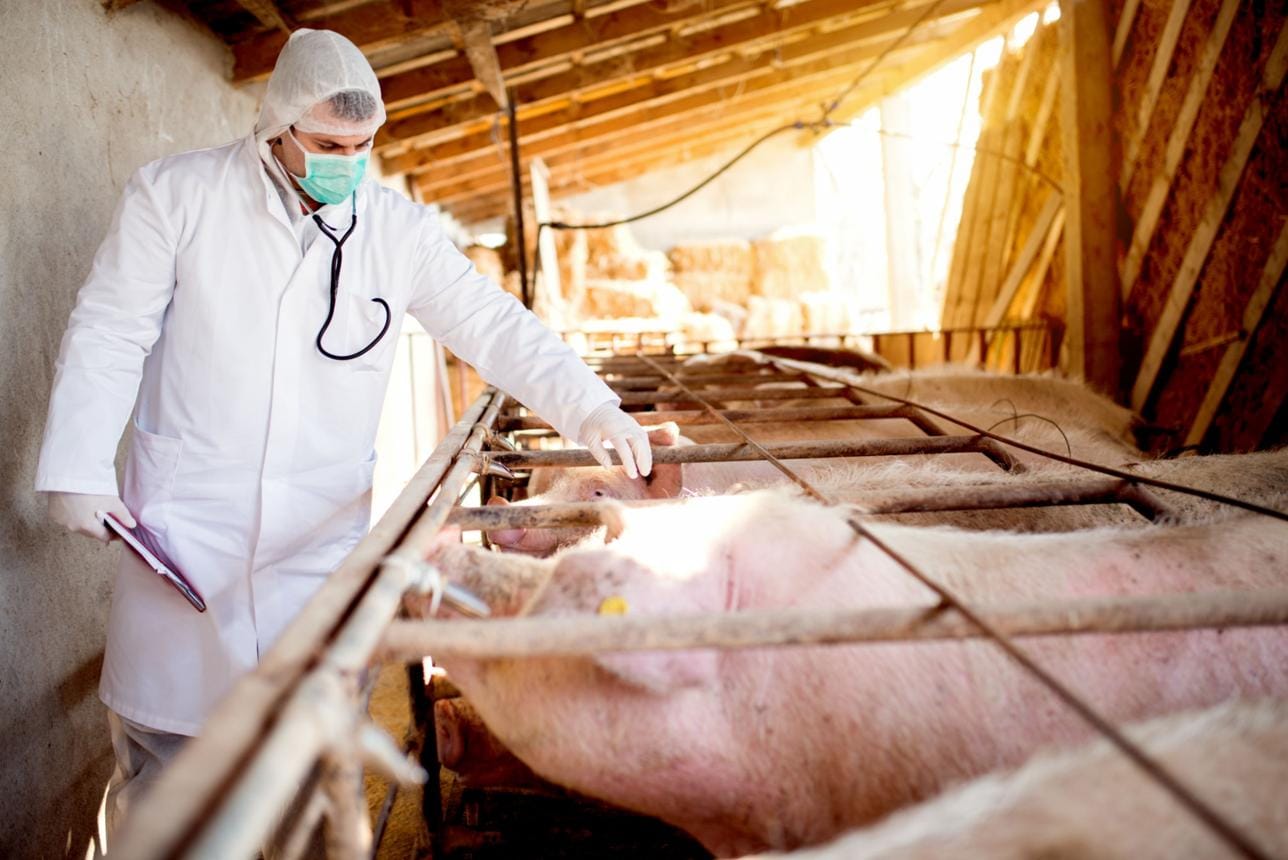
The Swiss government has issued a high-risk warning over the possible spread of African Swine Fever (ASF) into Switzerland. The alert was released by the Federal Food Safety and Veterinary Office (FSVO), which warned that the virus could reach the country at any time.

Although Switzerland has not yet recorded any ASF cases, authorities say the threat level has increased following a recent resurgence of infections in neighboring European countries, particularly Italy and Germany. Officials fear the disease could severely damage Switzerland’s pork industry and agricultural economy if it crosses the border.

African Swine Fever is a highly contagious viral disease that affects pigs and wild boars. While the virus does not pose a danger to humans, it can spread rapidly among animals and often results in large-scale livestock losses. Authorities warn that the virus can survive for long periods in meat products, animal carcasses, soil, and contaminated equipment.

The FSVO has strongly advised travelers not to bring pork or wild boar meat products into Switzerland from affected regions. Hunters returning from foreign hunting trips have also been instructed to thoroughly clean and disinfect their clothing, footwear, equipment, and vehicles before re-entering the country.

Swiss officials believe human activity is one of the biggest risks for transmission. A small amount of contaminated food waste or improperly cleaned hunting gear could potentially introduce the virus into local wild boar populations or domestic pig farms.

The government’s national monitoring program is currently conducting early detection testing across the country. Authorities confirmed that all recently tested wild boars have so far returned negative results for ASF. However, officials stress that continued vigilance is essential as the virus continues spreading in several European regions.

Recent setbacks in Germany and increasing cases in Spain have intensified concerns across Europe. Swiss authorities say the situation demonstrates how quickly ASF can return even after periods of apparent control.

Farmers and animal owners are now being urged to immediately report any unusual symptoms in pigs to veterinarians. The Swiss government says rapid reporting, strict hygiene measures, and border precautions are critical to preventing a national outbreak.

Switzerland Warns of High Risk of African Swine Fever Spread

Switzerland has warned that the risk of African swine fever (ASF) spreading into the country remains high as new outbreaks continue to emerge across Europe.

According to the Federal Food Safety and Veterinary Office (FSVO), transmission from infected wild boar populations to domestic pigs is possible at any time, particularly in regions near affected European zones.

The warning follows renewed outbreaks in Italy during April, after earlier hopes that the disease had been brought under control. Authorities also reported setbacks in Germany, where new ASF cases were recently detected in Saxony.

The Swiss government strongly advises travellers not to import pork or wild boar meat products from affected regions into Switzerland. Officials also urge hunters returning from those areas to thoroughly clean and disinfect clothing, footwear, vehicles, and equipment before crossing the border.

The FSVO stated that the ASF virus is highly resistant and can remain infectious for long periods in blood, meat products, and animal carcasses, increasing the risk of accidental transmission.

Pig owners are being asked to contact veterinarians immediately if animals show unusual symptoms. Switzerland has also intensified surveillance through a national early-detection programme that tests wild boar found dead or visibly ill.

So far, all 25 wild boar tested in Switzerland have returned negative results, according to authorities.

Across Europe, African swine fever cases among wild boar populations remain elevated, and Swiss officials warn that additional outbreaks are likely in the coming months.

Although ASF does not pose a direct threat to humans, the disease can severely impact agriculture and livestock industries due to the high mortality rate among pigs and strict trade restrictions triggered by outbreaks.

Farmers Shocked After Hundreds of Kilograms of Asparagus Stolen in Switzerland

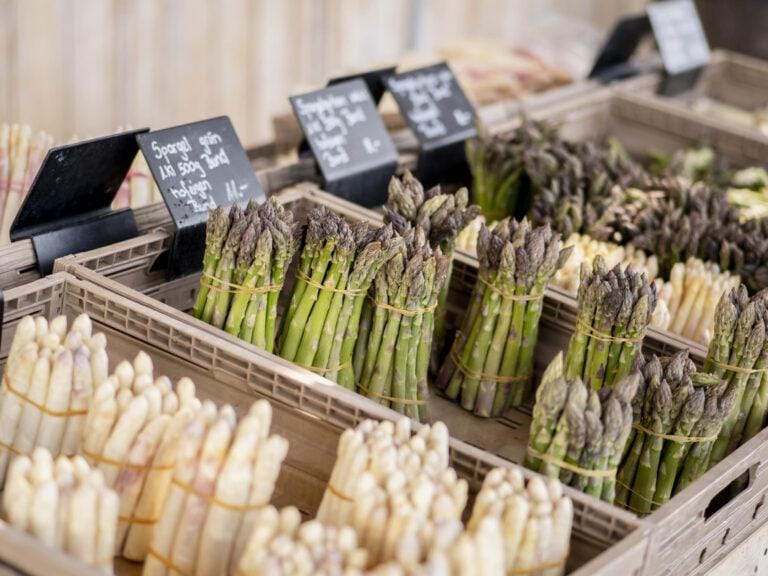
Switzerland has witnessed an unusual agricultural theft after hundreds of kilograms of asparagus ready for harvest were stolen from farmland in the canton of Fribourg.

The incident took place in the village of Delley, where the Ruegsegger family had cultivated asparagus crops on their fields and were preparing for harvest season.

Asparagus is considered a high-value food product in Switzerland due to its nutritional benefits and market demand. The vegetable is rich in vitamins, minerals, and antioxidants and is widely associated with digestive health, blood sugar control, and immune system support.

In Swiss markets, asparagus can sell for between CHF8.50 and CHF20 per kilogram, making it one of the more valuable seasonal agricultural products.

According to reports, unknown individuals harvested and stole around 300 kilograms of asparagus from two separate fields belonging to the family.

The farmers believe the theft was not carried out by opportunistic trespassers. Instead, they suspect experienced individuals with professional knowledge of asparagus harvesting carefully removed the crops using specialised methods.

The incident has left the Ruegsegger family shocked and financially affected, especially at a time when food prices continue to rise internationally due to ongoing geopolitical tensions and supply chain disruptions.

Local farmers say the theft highlights growing concerns over agricultural security and increasing pressure on food production costs across Europe.

Authorities are expected to investigate the incident as the farming community calls for stronger protection measures for valuable crops during harvest periods.

Switzerland Records Decline in Dairy Cows and Pig Farming in 2025.

Switzerland recorded a decline in dairy cow and pig populations during 2025, while vegetable farming and poultry production continued to expand, according to new figures released by the Federal Statistical Office.

The latest agricultural structure survey shows that Swiss farming is continuing to evolve in response to economic pressures, consumer demand, and climate-related challenges. In 2025, Switzerland counted 46,270 farms, representing a decrease of 1.7% compared with the previous year.

Despite the decline in the number of farms, the average agricultural area increased slightly by 0.4 hectares, reaching 22.5 hectares per farm. Similar trends were also recorded among organic farms, where farm numbers decreased while average land use expanded.

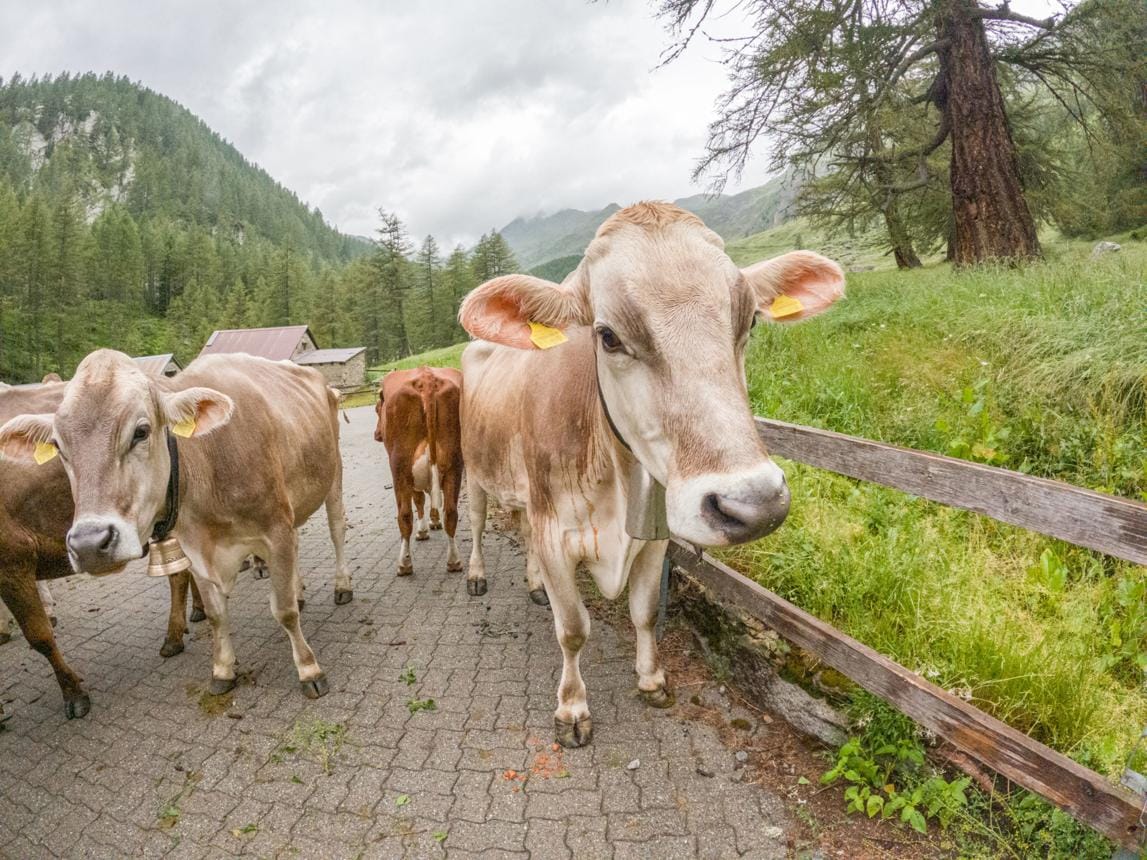
The number of dairy cows fell by 0.6% to approximately 524,400 animals. Officials linked the reduction to international market tensions and ongoing overproduction challenges within the dairy sector.

Pig farming also experienced a decline, reflecting changing market conditions and shifting consumer behaviour. In contrast, poultry farming recorded strong growth during the year, highlighting rising demand for chicken and egg products across the country.

Vegetable farming showed one of the strongest increases in Swiss agriculture. Experts say this trend reflects growing interest in sustainable local food production and climate adaptation strategies within the agricultural sector.

The latest figures indicate that Swiss agriculture is gradually adapting to new economic realities and environmental conditions, with farmers increasingly diversifying production to remain competitive.

Switzerland Launches Nationwide Campaign Against Invasive Japanese Beetle

Federal Office for Agriculture has launched a nationwide awareness campaign to stop the spread of the invasive Japanese Beetle, a destructive pest threatening Switzerland’s environment, agriculture, and biodiversity.

Swiss authorities are urging travelers returning from Ticino, parts of Valais and Graubünden, as well as northern regions of Italy, to carefully inspect vehicles, luggage, and equipment for the beetles before entering other parts of the country.

Experts warn that the Japanese beetle poses a major threat to more than 400 plant species. The invasive insect damages crops, flowers, fruit trees, lawns, and grasslands by attacking both leaves and root systems. Swiss agricultural officials say the pest could seriously impact farming and dairy production if it spreads further across the country.

The entire canton of Ticino has already been classified as an infested area. Authorities also detected infestations in parts of Valais, Graubünden, and even major northern cities such as Basel and Zurich during 2025.

Scientists say the beetles spread rapidly by attaching themselves to vehicles, freight shipments, and travel luggage, allowing them to move much faster than through natural migration alone.

Swiss authorities have now shifted their strategy from eradication to containment in heavily affected southern regions. Monitoring systems, insect traps, and inspection campaigns are being expanded to slow the beetle’s spread north of the Alps.

The Federal Office for Agriculture is asking the public to immediately report any suspected sightings to cantonal plant protection services. Travelers are also advised to capture and safely dispose of the insects if found.

Environmental experts say public cooperation will play a crucial role in protecting Switzerland’s ecosystems, agriculture, and green landscapes from one of Europe’s fastest-growing invasive species threats.