
Italy to Resume Accepting Dublin Asylum Cases From Switzerland

Italy is preparing to resume taking back asylum-seekers from Switzerland under the Dublin framework, following a prolonged suspension of returns since 2022.

The development marks a potential breakthrough in a long-standing dispute between the two countries over responsibility for asylum applications within Europe.

Transfers Expected to Restart Soon

The State Secretariat for Migration (SEM) confirmed that Italy is once again willing to accept Dublin cases. According to SEM spokesperson Magdalena Rast, the first transfers are expected to resume once the new EU migration pact is fully implemented.

Switzerland has remained in contact with Italian authorities to coordinate the restart of returns, although exact timelines and capacity remain uncertain.

Authorities estimate that more than 1,200 asylum-seekers currently in Switzerland could eventually be transferred back to Italy under the renewed arrangement.

Italy Had Suspended Returns Since 2022

Italy had stopped accepting Dublin returns in 2022, repeatedly signalling concerns over migration pressure at its external borders. Although temporary assurances were given in the past, they were not implemented, leaving Switzerland unable to carry out transfers under the system.

The renewed cooperation now appears linked to broader changes in European migration policy.

EU Migration Pact Brings New Solidarity Mechanism

The shift is associated with the EU migration pact, which entered into force on Friday. A central feature of the pact is a solidarity mechanism designed to distribute responsibility more evenly among European countries.

Under this system, EU member states can choose between accepting asylum-seekers, providing financial contributions, or offering operational support such as personnel to frontline states facing high migration pressure.

Switzerland to Participate in New Framework

Although Switzerland is not an EU member, it intends to take part in the solidarity mechanism. However, this participation will require a formal agreement with the European Union.

The Swiss Federal Council is expected to decide annually how the country contributes to the mechanism, balancing financial, operational, and relocation-based options.

Step Toward Greater Migration Coordination

If fully implemented, the renewed Dublin cooperation between Switzerland and Italy could ease pressure on Switzerland’s asylum system and improve coordination within Europe’s broader migration framework.

However, officials stress that the scale and speed of future transfers remain uncertain as implementation details are still being worked out.
Switzerland Raises Concerns Over Italy’s Cross-Border Health Tax Plan.

Switzerland has raised serious concerns over Italy’s proposed “health tax” on cross-border workers, a move that could affect thousands of commuters, especially in the border region of Canton of Ticino.

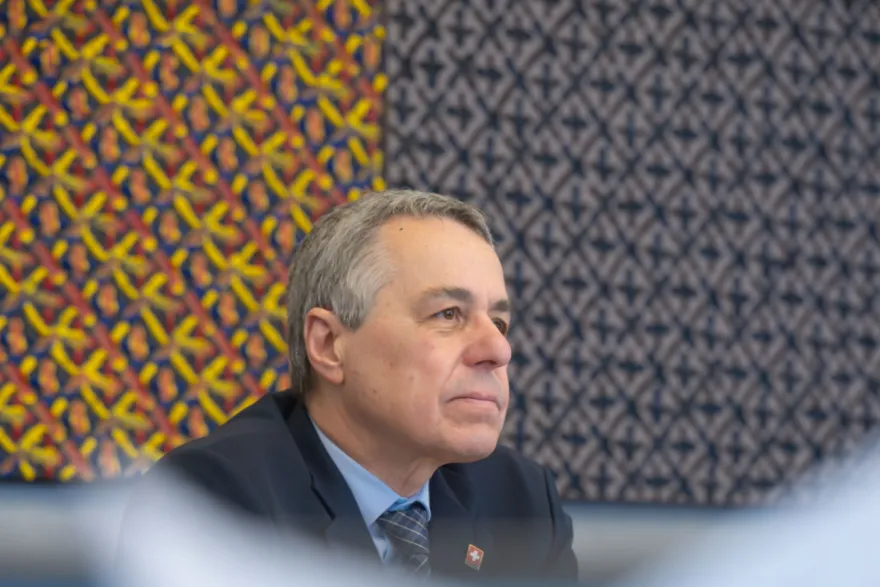
During discussions in Bellinzona, Swiss Foreign Minister Ignazio Cassis emphasized the importance of maintaining strong bilateral relations between Switzerland and Italy. He expressed hope that ongoing dialogue would remain constructive as both countries address sensitive cross-border issues.

The proposed Italian policy would allow border regions to impose a levy of around 3% to 6% on net wages earned in Switzerland by Italian cross-border workers. Swiss authorities warn that this could create economic pressure and disrupt labor mobility between the two countries.

Officials also raised concerns about Italy’s idea of introducing “special economic zones” in border areas. These zones aim to reduce taxes and bureaucracy to encourage businesses to stay in Italy instead of relocating to Switzerland.

In addition, discussions included broader financial topics such as inter-cantonal financial equalization, budget tightening measures, and the promotion of the Italian language in Switzerland. The Ticino government has urged reforms to prevent widening economic gaps between Swiss cantons.

The issue will remain politically sensitive as both nations prepare for the upcoming OSCE Ministerial Council meeting in Lugano, scheduled for December 3–4, where diplomatic cooperation will be further tested.

Italian Ambassador Defends Diplomacy During Crans-Montana Fire Dispute.

The Italian ambassador to Bern has defended his diplomatic approach after criticism from Swiss Foreign Minister Ignazio Cassis during tensions linked to the deadly Crans-Montana fire tragedy.

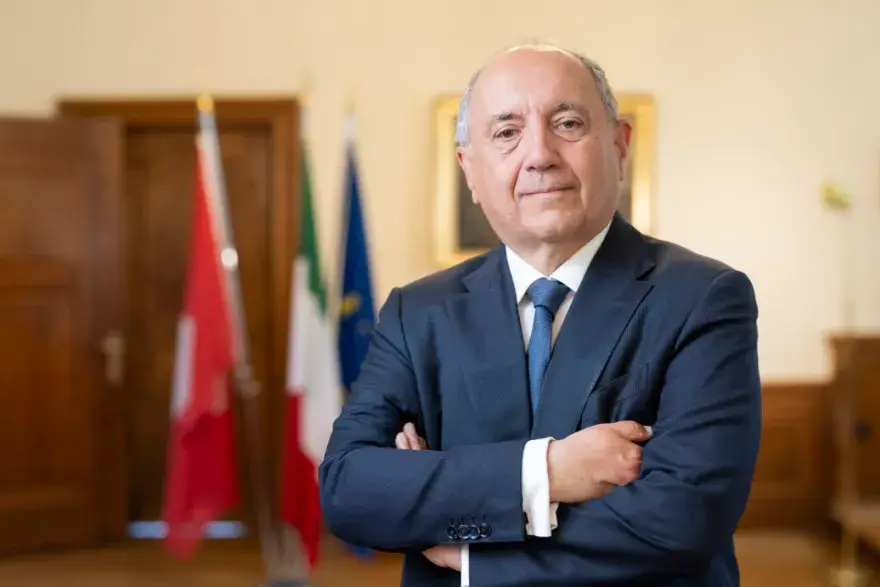
Italian ambassador Gian Lorenzo Cornado stated in an interview with the newspaper Neue Zürcher Zeitung that he openly expresses his views as part of his diplomatic style.

“I speak my mind, that’s my style,” Cornado said while responding to criticism surrounding the handling of the bilateral dispute.

The diplomatic disagreement emerged following a fatal New Year’s Eve fire in Crans-Montana that reportedly killed 41 people and injured more than 100 others, including several Italian citizens.

Tensions increased after Italian authorities objected to Swiss hospital invoices being sent to Italian victims and their families following the disaster.

According to Cornado, he acted in line with the expectations of the Italian government and Prime Minister Giorgia Meloni, who requested special attention to the hospital billing issue.

Earlier, Ignazio Cassis criticized the ambassador during an interview with Ticinonews, saying the prolonged public discussions had worsened the situation instead of helping calm relations between the two countries.

Meanwhile, Guy Parmelin assured that similar problems would not happen again and confirmed that Swiss authorities are reviewing legal procedures related to cross-border medical billing.

Cornado later indicated that both sides are now close to reaching a solution and described ongoing discussions as positive.

The incident has drawn wider attention to diplomatic coordination, emergency response procedures, and international healthcare cost management following cross-border tragedies in Europe.

Switzerland to Cover Hospital Bills for Crans-Montana Fire Victims

The government of Switzerland has confirmed that it will cover hospital treatment costs for Italian victims of the Crans-Montana fire, ensuring that families will no longer receive medical billing statements.

Swiss President Guy Parmelin announced the decision during an official visit to Rome, where he met Italian President Sergio Mattarella and Foreign Minister Antonio Tajani.

The discussions were described as open and constructive, focusing on improving cross-border cooperation and addressing concerns related to emergency medical billing for disaster victims.

Parmelin confirmed that Switzerland will handle any treatment costs not covered by insurance through its national victim support system. He also stated that the practice of sending hospital bill copies to victims’ families will be discontinued to prevent further distress.

Authorities from both countries will continue close coordination to ensure fair and compassionate handling of such cases in the future. Swiss officials emphasized that the priority is to provide support and dignity to those affected by the tragedy.

The decision comes as part of broader efforts to improve humanitarian response protocols in cross-border emergencies. Parmelin also noted that the Swiss Federal Council will align its procedures with existing legal frameworks while ensuring better communication between authorities.

During his visit, the Swiss President also attended preparations for the swearing-in ceremony of the Swiss Guard at the Vatican and is expected to meet Pope Leo XIV.