ETH Zurich Safely Removes Hazardous Chemical.

A major safety operation at ETH Zurich concluded successfully after specialists removed and transported a highly hazardous chemical substance from a former research facility. The operation was completed without any incidents, allowing evacuated residents to return to their homes later the same day.

Authorities temporarily evacuated nearly 270 residents living near the affected area as a precautionary measure. The evacuation was part of a carefully coordinated plan designed to ensure public safety while experts handled the dangerous material.

The substance involved was a gas cylinder containing chlorine trifluoride, a chemical widely recognized as one of the most hazardous compounds used in scientific research. Specialists transferred the cylinder into a specially designed recovery container before transporting it away for secure handling and disposal.

The operation began on Sunday morning and involved close coordination between ETH Zurich, emergency services, and Zurich cantonal police. Safety measures remained in place for several hours while teams completed the transfer process inside a secure laboratory environment.

Following the successful completion of the operation, authorities lifted evacuation orders and temporary traffic restrictions. Residents were allowed to return to their homes after officials confirmed that the area was safe.

Police reported that the entire operation proceeded according to plan and that all activities were carried out under strict safety protocols. No injuries, leaks, or unexpected incidents occurred during the removal process.

According to ETH Zurich, chlorine trifluoride was previously used in geological research to analyze rock samples. The chemical is highly toxic and can ignite rapidly when exposed to certain materials, making specialized handling procedures essential.

The successful operation highlights Switzerland’s strong emergency preparedness and commitment to public safety when dealing with hazardous scientific materials. Officials praised the cooperation between emergency responders, researchers, and local residents throughout the process.


Switzerland Expands Domestic Violence Awareness Campaign.

The Swiss government has officially launched the second phase of its national campaign against domestic, sexual, and gender-based violence. The new stage focuses on increasing public awareness of available support services, particularly the nationwide victim support hotline, 142, which has been available 24 hours a day, seven days a week since May 2026.

The campaign is led by Interior Minister Elisabeth Baume-Schneider and builds upon the first phase introduced in late 2025. According to the Federal Office for Gender Equality (FOGE), the objective is to ensure that prevention messages and support resources reach as many people as possible across Switzerland.

A significant expansion of the campaign has been made possible through additional funding approved by Parliament. The initiative is supported by the federal government, cantonal authorities, municipalities, and numerous civil society organizations.

Two important new topics have been added to the campaign. One focuses on children who are exposed to domestic violence within their homes, while the other highlights the growing issue of digital surveillance and online control within abusive relationships. These themes will be promoted through a nationwide poster campaign and informational materials available in 13 languages.

Domestic violence remains a serious concern in Switzerland. Police recorded approximately 22,000 domestic violence-related offences during 2025. Authorities also reported 34 domestic violence-related homicides during the same year. Among those victims, 21 people lost their lives in the context of a current or former intimate relationship, including 19 women and two men.

Swiss authorities hope the expanded campaign will encourage more victims and witnesses to seek help, raise awareness of available support services, and contribute to reducing violence across the country.

Swiss Mental Hospital Escapee Case Goes to Court.

A Swiss court is currently examining a serious case involving a psychiatric patient who escaped from a mental health facility in 2018 and went on to attack several people with a hatchet, leaving four individuals seriously injured.

The incident took place after the patient fled from the Préfargier psychiatric hospital. Following the escape, the individual carried out a violent attack, raising major questions about the responsibilities of medical staff and the safety protocols in place at the facility.

During the court proceedings, prosecutors argued that hospital staff failed to properly assess and monitor the patient’s condition. They also claimed that there was a delay in informing authorities after the escape, which may have contributed to the severity of the incident.

The medical team, however, strongly rejected the allegations. Their defense stated that psychiatric professionals followed standard medical procedures and that it is not always possible to predict sudden acts of extreme violence, even in monitored patients.

Experts in forensic psychiatry often emphasize that while risk assessments are an important part of mental health care, predicting rare violent behavior with complete accuracy remains extremely difficult.

Following the attack, the individual later died by suicide while in prison, adding further complexity to the case and its legal interpretation.

The court is now expected to deliver its verdict by the end of the year. The outcome is likely to have implications for how psychiatric risk assessment and patient supervision are handled in Switzerland’s mental health system.

The case has also reignited public debate about the balance between patient rights, medical responsibility, and public safety in psychiatric care institutions.

Pollution Delays Swiss Munitions Dump Cleanup.

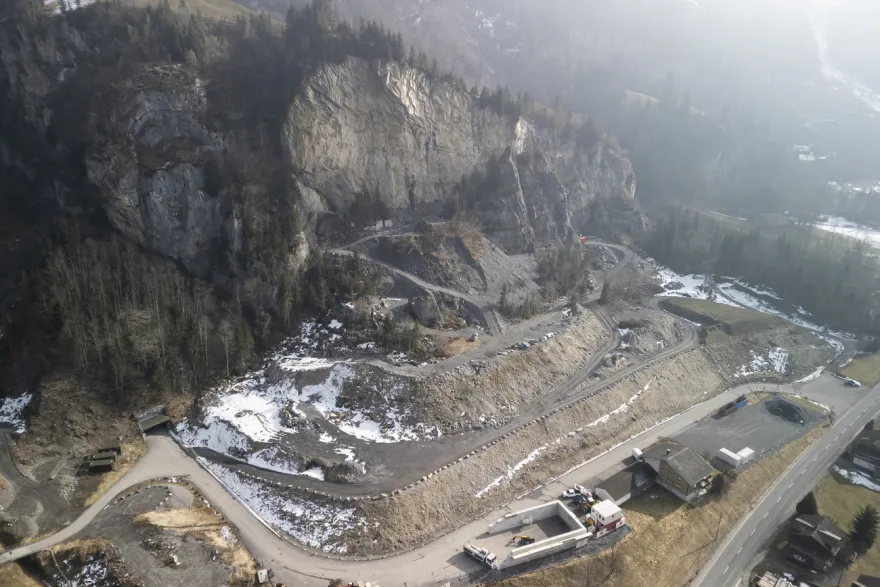
Switzerland has delayed the cleanup of the historic Mitholz munitions depot after investigators discovered far more contaminated material than expected. The revised timeline now extends the massive environmental and safety project until 2047, two years later than previously planned.

The ammunition depot, located in the Bernese Oberland region, became the site of a deadly disaster on December 19, 1947, when part of the 7,000 tonnes of stored munitions and explosives exploded. The blast killed nine people and scattered hazardous material across the surrounding area. For decades, authorities believed the site posed little danger until a reassessment in 2018 prompted the federal government to launch a full-scale cleanup operation.

Engineers and environmental specialists have since uncovered significant levels of contamination throughout the area. Investigations revealed that large amounts of polluted material remain buried beneath mudslide deposits and avalanche protection structures. Experts estimate that around 350,000 cubic metres of heavily contaminated debris are located within the affected zone.

The scale of the contamination has increased the complexity of the project. Some excavated material can be reused, but heavily polluted waste requires specialized treatment and disposal. Authorities also warn that hidden contaminants may still exist beneath rock crevices and deep underground fissures near the former ammunition depot.

Residents living near Mitholz will be required to temporarily leave their homes by the end of 2032. The evacuation is expected to last approximately ten years while cleanup and safety operations continue. Despite the contamination, officials report that no pollutants have been detected in local water sources. Agricultural land and grazing areas outside the affected zones remain safe for continued use.

Project leaders have also reported a positive development. New assessments indicate that the risk of a major explosion is lower than previously estimated. As a result, Switzerland’s defence authorities can reduce the scale of planned protective infrastructure near a railway line, saving approximately CHF8 million. However, the overall cleanup project remains one of Switzerland’s most expensive environmental and safety operations, with total costs estimated at around CHF2.5 billion.

The Mitholz cleanup highlights Switzerland’s commitment to addressing historical environmental hazards while protecting local communities and preserving public safety for future generations.

43 Lives Lost in Swiss Rivers and Lakes in 2025: Lifesaving Society Warns on Prevention

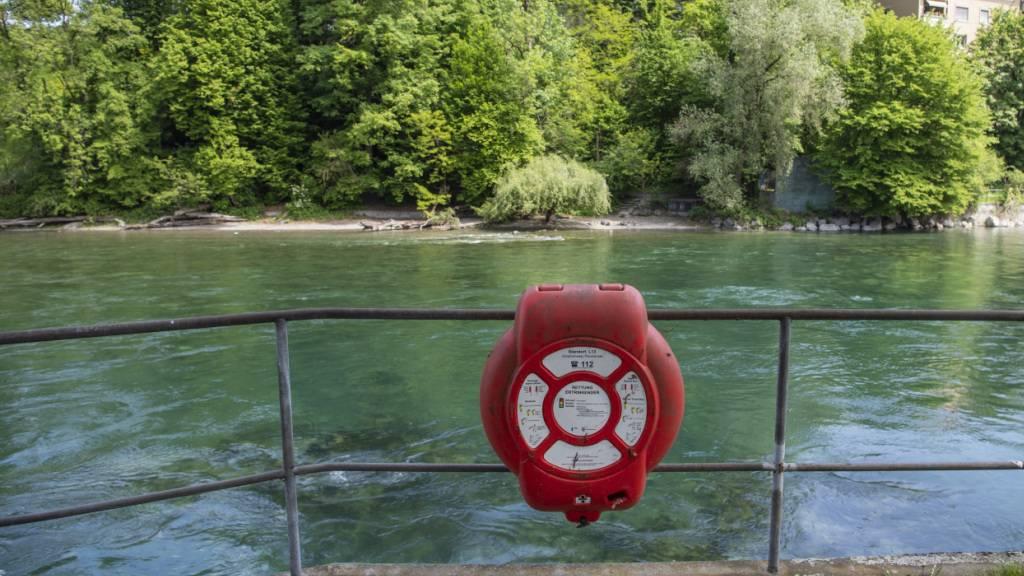
Switzerland recorded 43 drowning deaths in rivers and lakes in 2025, according to the Swiss Lifesaving Society (SSS). Almost all incidents occurred in open water, highlighting ongoing risks in natural swimming areas.

Overall Trend in Drowning Cases

The number of fatal drownings in 2025 marks a decline compared to previous years. There were 59 deaths in 2024 and 66 in 2022, which was recorded as a peak year. For the first time since 2021, fatalities dropped below 50.

Despite the improvement, experts emphasize that water safety remains a serious public concern.

Who Is Most Affected?

Data shows that men account for around 80% of all drowning victims. Two age groups are particularly affected:

  • Young adults (17–32 years): 10 deaths
  • Senior citizens (65+): 17 deaths

Older victims represent about 40% of total fatalities. The SSS explains this may be linked to increased water activity among seniors, combined with health issues and reduced physical capacity.

Children and Accidents

Fatal accidents involving young children remain rare. However, tragic cases still occur, including a two-year-old child who drowned in a private swimming pool and a 14-year-old boy found in a stream.

Where Do Most Incidents Occur?

Most drownings happened in natural waters:

  • Lakes: 23 cases
  • Rivers: 15 cases
  • Other incidents include diving accidents in Lake Thun and during a police operation in the Limmat River

Prevention Still a Major Concern

Although the overall numbers have decreased, the Swiss Lifesaving Society warns that prevention efforts must not be reduced. Authorities stress that vigilance is especially important for children near water.

Experts also highlight a growing concern: distractions such as mobile phone use by adults supervising children near pools or open water.

Conclusion

While Switzerland has seen a decline in drowning deaths, the SSS emphasizes that water safety awareness and prevention campaigns remain essential to avoid further tragedies in rivers, lakes, and swimming areas.

Gotthard Rail Tunnel Upgrade Costs Rise.

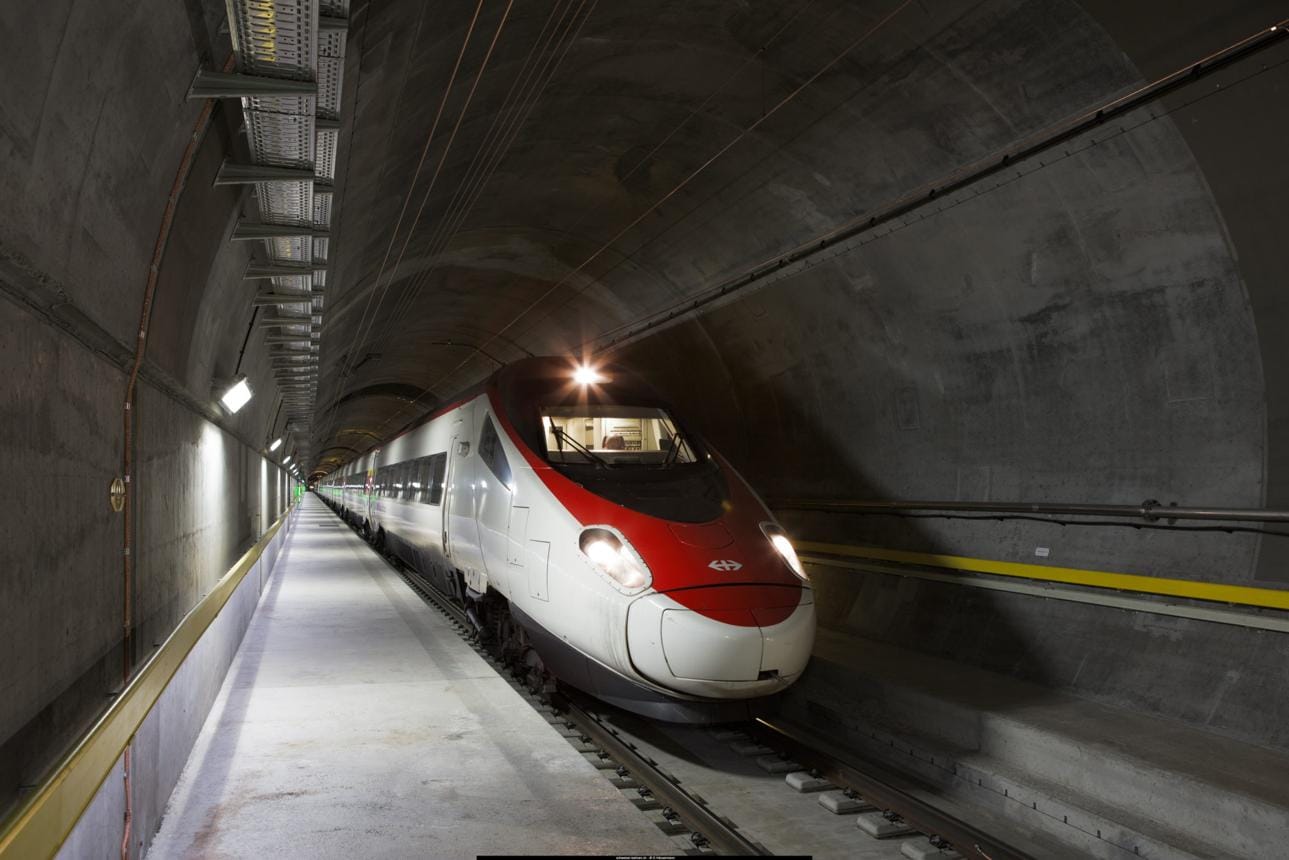
Renovation work at Switzerland’s Gotthard Base Tunnel could become significantly more expensive due to delays in replacing the tunnel’s aging radio communication system.

According to reports, the upgrade project has encountered major setbacks linked to technical and organisational problems involving external suppliers, as well as the difficulty of accessing sections of the tunnel for maintenance work.

The communication system plays a vital role in tunnel operations. It allows train drivers to communicate with control centres and other trains while also enabling passengers to access mobile phone and internet services deep inside the Gotthard mountain corridor.

The system was originally scheduled for replacement during planned maintenance work between 2024 and 2026. However, the project has fallen behind schedule, raising concerns about additional infrastructure costs.

As a result of the delays, Swiss Federal Railways (SBB) must reportedly extend existing operational contracts for at least two more years, with a possibility of extending them further up to six years.

The maximum projected additional cost is expected to exceed CHF4.6 million, although railway officials noted that some operational expenses would have been necessary regardless of the delays.

Reports also suggest that authorities are considering abandoning the current replacement project entirely as an alternative solution.

The Gotthard Base Tunnel is one of the world’s most important rail infrastructure projects and serves as a key transport corridor linking northern and southern Europe through Switzerland.

Zurich Riots Leave Police Officer Injured.

A police officer was slightly injured during overnight unrest in Zurich after officers came under attack from a large group during a disturbance that escalated into violent clashes.

According to Swiss police, officers responded to reports of excessive noise shortly after 2:30am on Sunday. When a patrol arrived at the scene, individuals in the crowd allegedly threw bottles and stones at the police officers.

The situation quickly intensified, forcing officers to temporarily withdraw and request reinforcements. Authorities later used rubber bullets and pepper sprays in an effort to regain control of the area.

Additional police units deployed water cannons and police dogs to disperse and contain the rioters as tensions continued to rise.

During the confrontation, one police officer was struck by an object and sustained minor injuries. A police vehicle was also damaged during the unrest.

Officials stated that the crowd eventually dispersed after police intervention restored order.

The incident has renewed concerns about public safety and violent disturbances during large gatherings in Swiss urban areas, especially during weekend nightlife hours.

Authorities have not yet released information regarding arrests or possible criminal charges linked to the incident.