
Switzerland Records Decline in Dairy Cows and Pig Farming in 2025.
Switzerland recorded a decline in dairy cow and pig populations during 2025, while vegetable farming and poultry production continued to expand, according to new figures released by the Federal Statistical Office.
The latest agricultural structure survey shows that Swiss farming is continuing to evolve in response to economic pressures, consumer demand, and climate-related challenges. In 2025, Switzerland counted 46,270 farms, representing a decrease of 1.7% compared with the previous year.
Despite the decline in the number of farms, the average agricultural area increased slightly by 0.4 hectares, reaching 22.5 hectares per farm. Similar trends were also recorded among organic farms, where farm numbers decreased while average land use expanded.
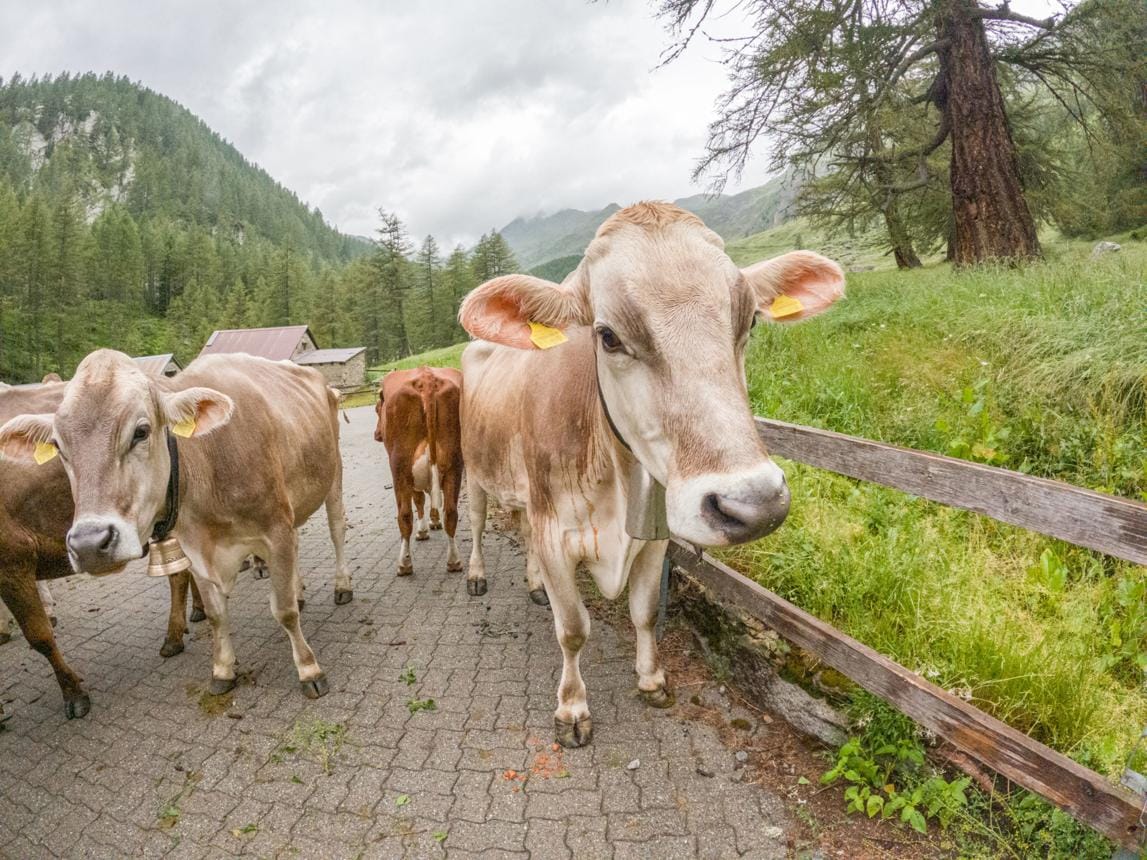
The number of dairy cows fell by 0.6% to approximately 524,400 animals. Officials linked the reduction to international market tensions and ongoing overproduction challenges within the dairy sector.
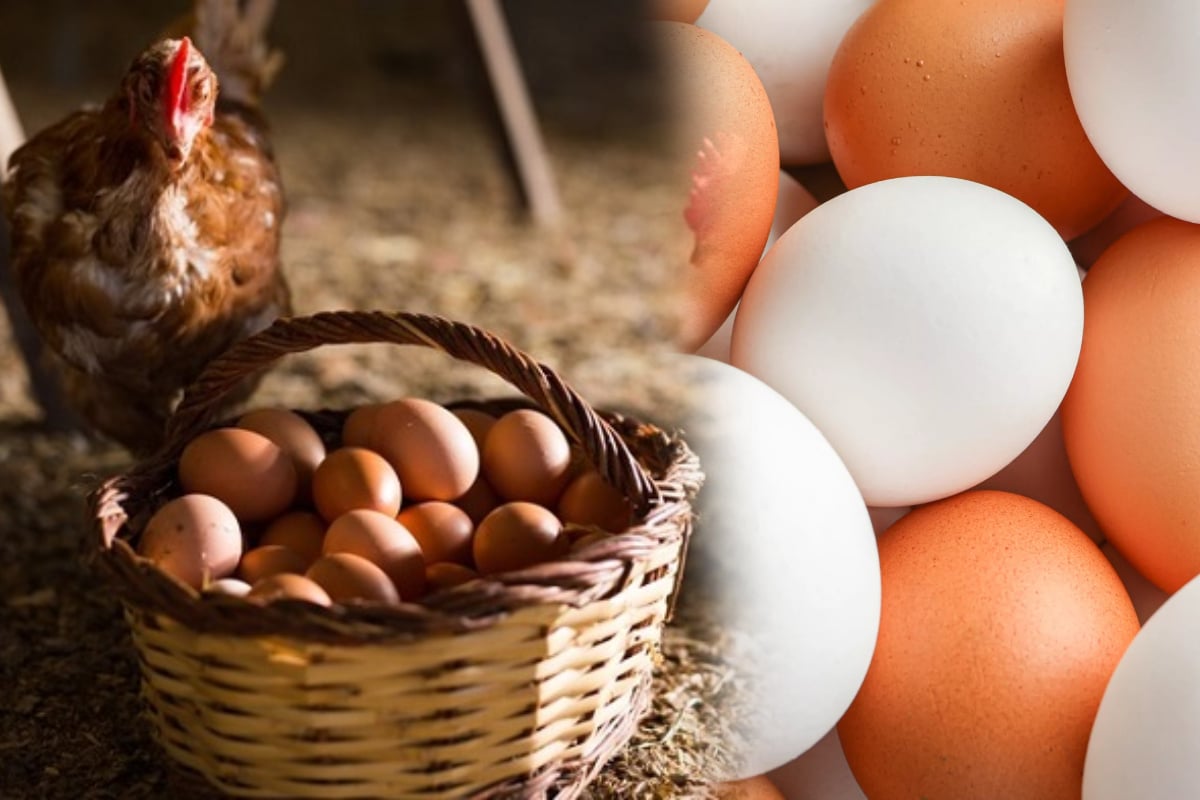
Pig farming also experienced a decline, reflecting changing market conditions and shifting consumer behaviour. In contrast, poultry farming recorded strong growth during the year, highlighting rising demand for chicken and egg products across the country.
Vegetable farming showed one of the strongest increases in Swiss agriculture. Experts say this trend reflects growing interest in sustainable local food production and climate adaptation strategies within the agricultural sector.
The latest figures indicate that Swiss agriculture is gradually adapting to new economic realities and environmental conditions, with farmers increasingly diversifying production to remain competitive.