
Swiss Government Targets Better Endometriosis Treatment.

The Swiss government has announced new measures to improve the diagnosis and treatment of endometriosis, a condition that affects approximately one in ten women of childbearing age. Officials say there is a clear need for action to ensure earlier diagnosis, better treatment quality, and stronger support for women living with the disease.

According to a newly approved government report, many women with endometriosis experience symptoms for years before receiving an accurate diagnosis. The condition can cause severe menstrual pain, chronic pelvic pain, fatigue, anxiety, and fertility difficulties, significantly affecting daily life, education, employment, and personal relationships.

The government acknowledges that challenges surrounding endometriosis reflect broader structural weaknesses in the healthcare system when it comes to managing conditions that primarily affect women. As a result, improving care for endometriosis patients has become part of a wider effort to strengthen women’s health services across Switzerland.

Several initiatives are already underway. The Federal Commission for Quality has been instructed to include female-specific diseases in its strategic objectives. In addition, a national study examining the quality of treatment for these conditions is currently in progress, with endometriosis included among the key focus areas.

The Federal Office of Public Health (FOPH) has also been tasked with exploring ways to analyze existing healthcare data related to women affected by endometriosis. This work will be carried out in collaboration with the Swiss Health Observatory to better understand patient experiences and treatment outcomes.

While the government is supporting research and policy improvements, it emphasizes that healthcare professionals, hospitals, medical societies, educational institutions, and patient organizations also play a critical role in ensuring timely diagnosis and effective treatment.

Officials are calling for greater awareness of endometriosis in healthcare settings, workplaces, and educational institutions. They believe that increased public understanding, improved research, and coordinated care strategies can help reduce diagnosis delays and improve the quality of life for thousands of women across Switzerland.

The initiative represents an important step toward addressing long-standing gaps in women’s healthcare and ensuring that endometriosis receives the attention it deserves within the Swiss healthcare system.

Switzerland Moves to Limit Junk Food Ads Targeting Children.

The Swiss government is planning new measures to reduce advertising of unhealthy foods targeting children under the age of 13, in an effort to improve long-term public health outcomes. The initiative focuses on limiting exposure to ads for products high in sugar, fat, and salt across multiple media platforms.

The proposal was presented by the Federal Food Safety and Veterinary Office in Bern during discussions with representatives from the food and advertising industries. Authorities aim to establish a self-regulation framework rather than an immediate legal ban.

Under the proposed system, restrictions would apply to advertising channels that directly reach children, including television, social media, online games, websites, and outdoor advertisements near schools. Products such as sugary drinks, chocolate, and salty snacks would be restricted from targeted marketing toward young audiences.

The guidelines are expected to align with the nutritional profiling model developed by the World Health Organization, ensuring that products considered unhealthy under international standards are covered by the restrictions. The government also plans to monitor compliance to ensure that self-regulation is effectively implemented across the industry.

Officials emphasize that advertising significantly influences children’s eating habits, often encouraging the consumption of high-calorie, low-nutrition foods. With around one in five children in Switzerland currently affected by overweight or obesity, authorities say stronger preventive measures are necessary to protect long-term health.

Health experts warn that early dietary habits formed in childhood can strongly affect adult health, increasing the risk of diseases such as diabetes and cardiovascular conditions. The proposed policy aims to encourage healthier food environments during childhood development.

The food and advertising industry has been given until mid-July to confirm participation in the self-regulation plan and agree to the required standards

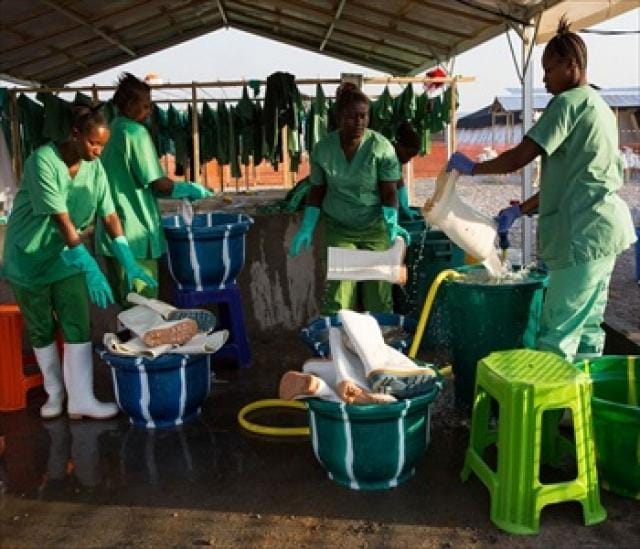
WHO Warns Ebola Outbreak Is Spreading Rapidly in DRC.

The World Health Organization has issued a strong warning that the Ebola outbreak in the Democratic Republic of Congo is spreading rapidly, with a growing number of suspected cases and deaths reported across affected regions.

According to WHO Director-General Tedros Adhanom Ghebreyesus, nearly 750 suspected cases and 177 suspected deaths have been recorded so far, while 82 infections have been laboratory confirmed. He stated that the situation in the DRC is “much more serious” than initially understood.

The outbreak continues to raise international concern as health authorities struggle to contain the spread in conflict-affected areas. Violence and insecurity in eastern Democratic Republic of the Congo are significantly hampering response efforts, making it difficult for medical teams to reach affected communities.

In neighboring Uganda, officials report a more stable situation, with only two confirmed cases and one death so far.

Global attention has also increased after reports that an American citizen tested positive for Ebola, while another high-risk contact was transferred to the Czech Republic for monitoring and treatment.

The International Federation of Red Cross and Red Crescent Societies (IFRC) stated that while the outbreak could still be contained, the coming days will be critical in determining whether it can be controlled or escalates further.

Health experts continue to emphasize the importance of rapid response, contact tracing, and safe medical support to prevent further spread of the virus.

Switzerland Plans Health Insurance Franchise Increase.

Switzerland is currently discussing a new proposal to increase the minimum health insurance franchise amount from CHF 300 to CHF 400.

The proposed change has sparked nationwide attention as healthcare costs continue to rise across the country.

In Switzerland, the franchise system requires individuals to pay a fixed amount of their medical expenses each year before health insurance coverage begins.

At present, the minimum franchise stands at CHF 300. Under the new proposal, the minimum contribution could increase to CHF 400.

Swiss authorities say the planned change aims to encourage people to reduce unnecessary medical visits and healthcare expenses.

Officials believe the increase may help lower pressure on the national healthcare system and reduce overall insurance costs in the long term.

However, the proposal has also raised concerns among residents, especially middle-income families and elderly citizens who already face rising living expenses.

Critics argue that increasing the franchise amount could create additional financial pressure for people who regularly require medical treatment.

Government discussions and public consultations regarding the proposed law are currently ongoing. According to reports, the final decision is expected later this year depending on public response and political support.

The healthcare insurance system remains one of the most important economic and social topics in Switzerland, with many residents closely following any possible changes that may affect their monthly expenses and medical access.