Polish President Visits Switzerland in Bern Ceremony.

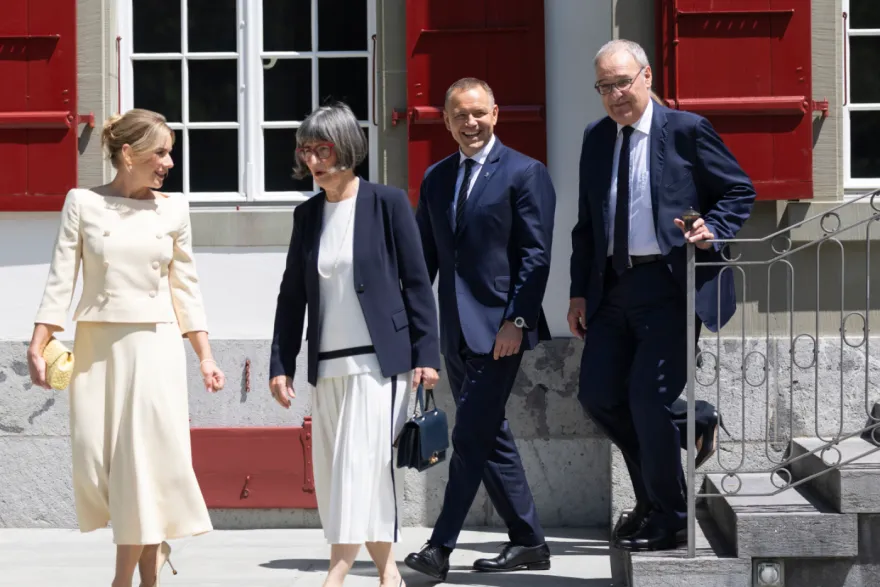
Polish President Karol Nawrocki receives full military honours during an official visit to Switzerland in Bern on Wednesday. Swiss leaders welcome him at Parliament Square, highlighting strong diplomatic and economic relations between the two countries.

President Nawrocki states that relations between Poland and Switzerland remain “of very high quality,” while Swiss officials confirm that cooperation between Bern and Warsaw has “never been better.”

Both nations focus discussions on strengthening economic ties, with Poland emerging as Switzerland’s most important trading partner in Central Europe. In 2025, bilateral trade reaches nearly CHF 6.5 billion, reflecting growing commercial cooperation.

Switzerland continues to support Poland through its EU cohesion contribution, with Warsaw receiving around CHF 320 million. The funding supports infrastructure upgrades in medium-sized Polish cities and promotes research and innovation projects.

Swiss officials emphasize that improved infrastructure in Poland also benefits Swiss companies operating in the region. The visit reinforces long-term economic collaboration and political goodwill between the two European partners.
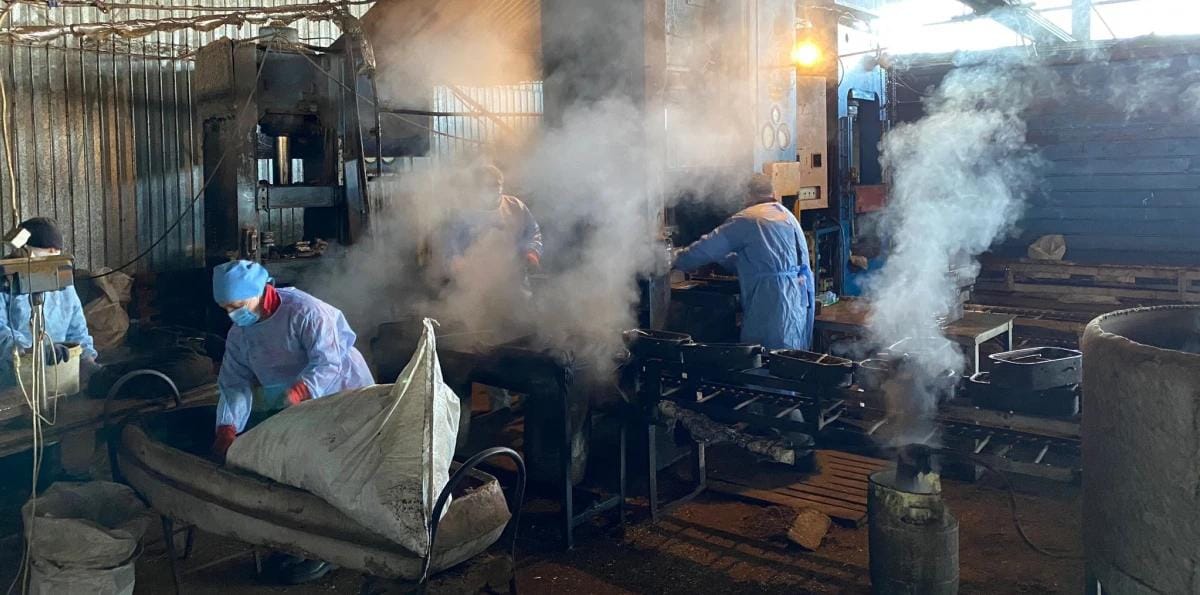
EU Approves Tougher Steel Import Tariffs Affecting Switzerland.

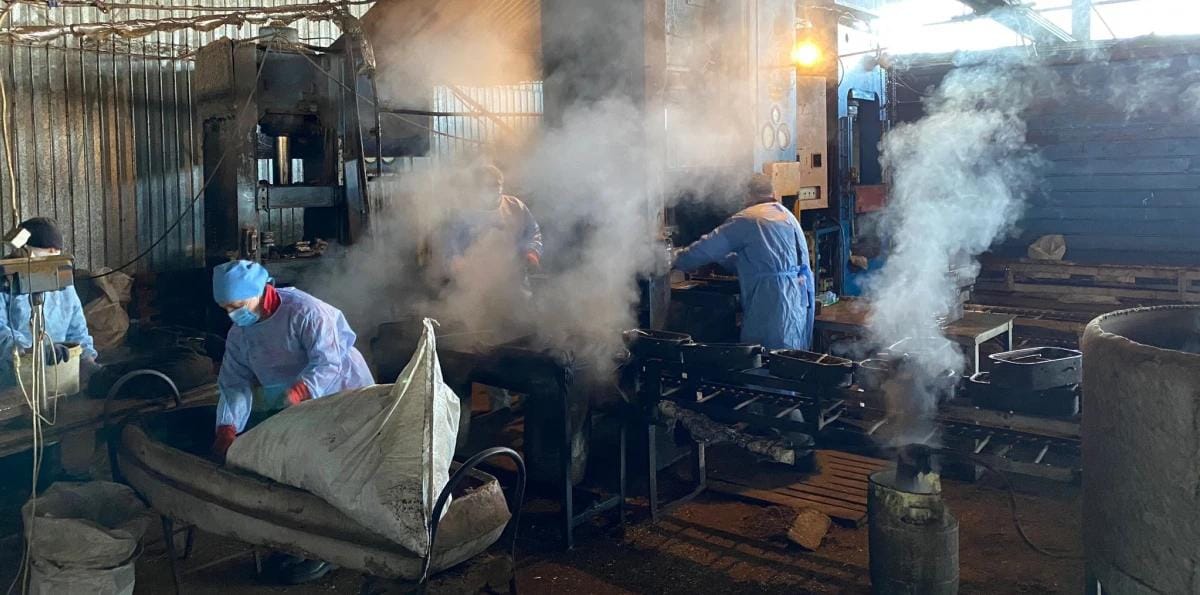
The European Parliament has approved stricter steel import regulations aimed at protecting the European market from global steel overcapacity, with the new measures also affecting Switzerland.

Under the revised policy, duty-free steel import quotas will be significantly reduced, while customs duties on imports exceeding the quotas will rise from 25% to 50%.

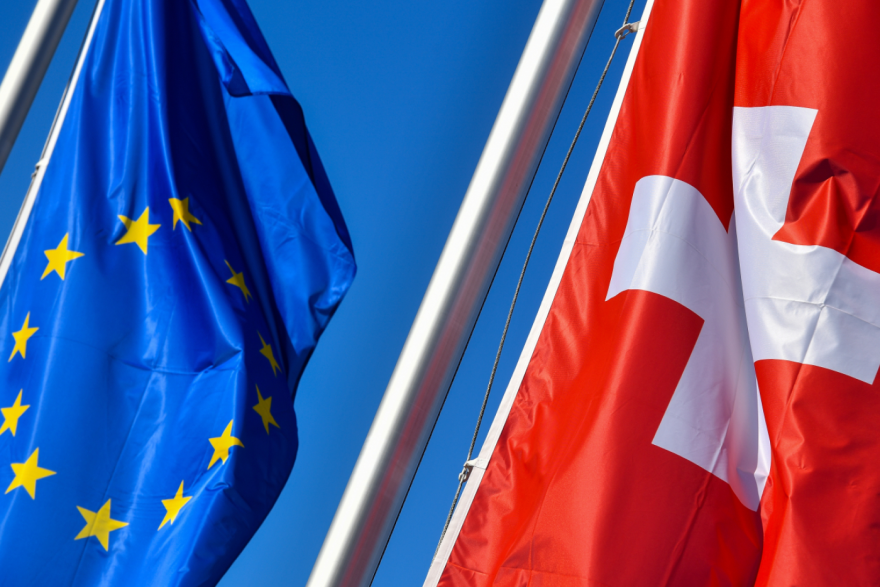
The new rules will apply to most non-EU countries, with exemptions only for members of the European Economic Area, including Norway, Iceland, and Liechtenstein. Switzerland unsuccessfully attempted to secure an exemption during negotiations in Brussels.

The European Commission stated that the measures comply with World Trade Organization regulations and are necessary to shield European steel producers from excessive global competition and market distortions.

European officials are currently negotiating updated steel quotas with more than 20 international partners, including Switzerland, as discussions continue over the economic impact of the new trade restrictions.

The tougher tariff framework is expected to take effect on July 1, 2026, pending final approval from EU member states.

The decision increases pressure on Swiss steel producers already facing challenges linked to rising energy costs, international competition, and slowing industrial demand across Europe.

EU Rejects Swiss Criticism Over New Steel Import Tariffs.

The European Union has rejected criticism from Switzerland over its newly approved steel import tariffs, stating that the measures comply with existing trade agreements and do not breach ongoing bilateral understandings.

The dispute escalated after Swiss Economics Minister Guy Parmelin described the EU’s stricter steel rules as “unacceptable” and expressed surprise at their timing, as Switzerland’s parliament continues reviewing a major bilateral agreement package with Brussels.

The European Commission responded that the joint declaration on stabilising Switzerland–EU relations only applies to the new cooperation package currently under negotiation. It clarified that steel trade falls under the 1972 free trade agreement and is therefore outside the scope of the recent political declaration.

The EU’s new steel policy includes reduced import quotas and doubled tariffs on excess volumes, aiming to protect its domestic steel industry. These rules are expected to take effect from July 1, with exceptions only for European Economic Area countries such as Norway, Iceland, and Liechtenstein.

European Commission emphasized that Switzerland is not part of the exemption list and that any future quota adjustments would need to be negotiated through international trade frameworks such as the World Trade Organization.

Swiss officials argue that the timing and scope of the measures could create political tension while the broader Switzerland–EU agreement package is still under parliamentary review. Despite disagreements, both sides have expressed interest in maintaining stable long-term relations.

Swiss Economy Grows 0.5% Despite Oil Price Shock

The Swiss economy recorded stronger-than-expected growth in early 2026 despite global pressure from rising oil prices and ongoing trade uncertainties.

According to a flash estimate released by the State Secretariat for Economic Affairs (SECO), Switzerland’s gross domestic product (GDP) increased by 0.5% in the first quarter of 2026 compared to the previous quarter.

Both the industrial and service sectors contributed to this positive performance, showing resilience even amid external economic shocks.

The growth rate exceeded analysts’ expectations, which had predicted expansion between 0.3% and 0.4%, according to market surveys.

In the previous quarters, the Swiss economy showed mixed performance, including a 0.2% growth at the end of 2025 and a 0.5% contraction earlier due to tariff-related tensions.

SECO officials noted that improved business confidence played a key role in the recovery, along with easing tariff pressures and modest positive spillover effects from Germany’s economy.

However, economists remain cautious about the outlook. Rising oil prices, which increased significantly in March, could still affect economic momentum in the coming months.

Despite this, confidence indicators have remained relatively stable, suggesting that short-term growth may continue.

The Swiss government currently projects annual growth of around 1.0%, though this could be revised down to 0.8% if high energy prices persist.

A detailed GDP breakdown is expected in the upcoming full report scheduled for June 1, which will provide deeper insight into sector-specific performance.

Swiss President Criticises EU Steel Tariffs as Harmful

Swiss President Guy Parmelin has strongly criticised new steel tariffs approved by the European Union, calling the measures “counterproductive” and harmful to European supply chains.

Speaking to Swiss public broadcaster SRF, Parmelin said he had already warned European Commission President Ursula von der Leyen that the tariffs could become an “own goal” for Europe.

The EU plans to introduce stricter protections for its steel sector starting July 1, including a major reduction in duty-free steel import quotas. Swiss steel producers are expected to be affected by the changes despite Switzerland’s close economic integration with European manufacturing industries.

Parmelin argued that Switzerland plays a crucial role in European industrial supply chains, particularly in sectors such as aerospace and advanced manufacturing. He warned that restricting Swiss steel imports could negatively impact European companies that depend on Swiss materials and components.

The Swiss government and the European Commission are now expected to negotiate updated import quotas through the framework of the World Trade Organization.

The Swiss president also expressed frustration over new EU rules concerning unemployment benefits for cross-border workers. Under the proposed regulation, unemployed cross-border workers would receive benefits from the country where they last worked instead of their country of residence.

According to Switzerland’s State Secretariat for Economic Affairs (SECO), the change could cost Switzerland up to CHF900 million annually. Parmelin described the move as unhelpful and said he was surprised that the EU had raised several sensitive issues while Switzerland and the EU were still discussing broader agreements on bilateral relations.

At the same time, Switzerland’s trade discussions with the United States are also facing difficulties. Parmelin noted that uncertainty surrounding a recent US Supreme Court decision on presidential tariff powers has complicated negotiations between Bern and Washington.

Swiss officials are still awaiting a formal response from the US regarding Switzerland’s trade proposals. Analysts say the situation highlights the increasing pressure facing Switzerland as it navigates complex trade relationships with both the EU and the United States.

How Switzerland Became the World’s Second-Largest Coffee Exporter

Switzerland has become one of the most surprising leaders in the global coffee export market, despite not producing a single coffee bean due to its climate. Today, it ranks as the second-largest coffee exporter in the world, only behind Brazil.

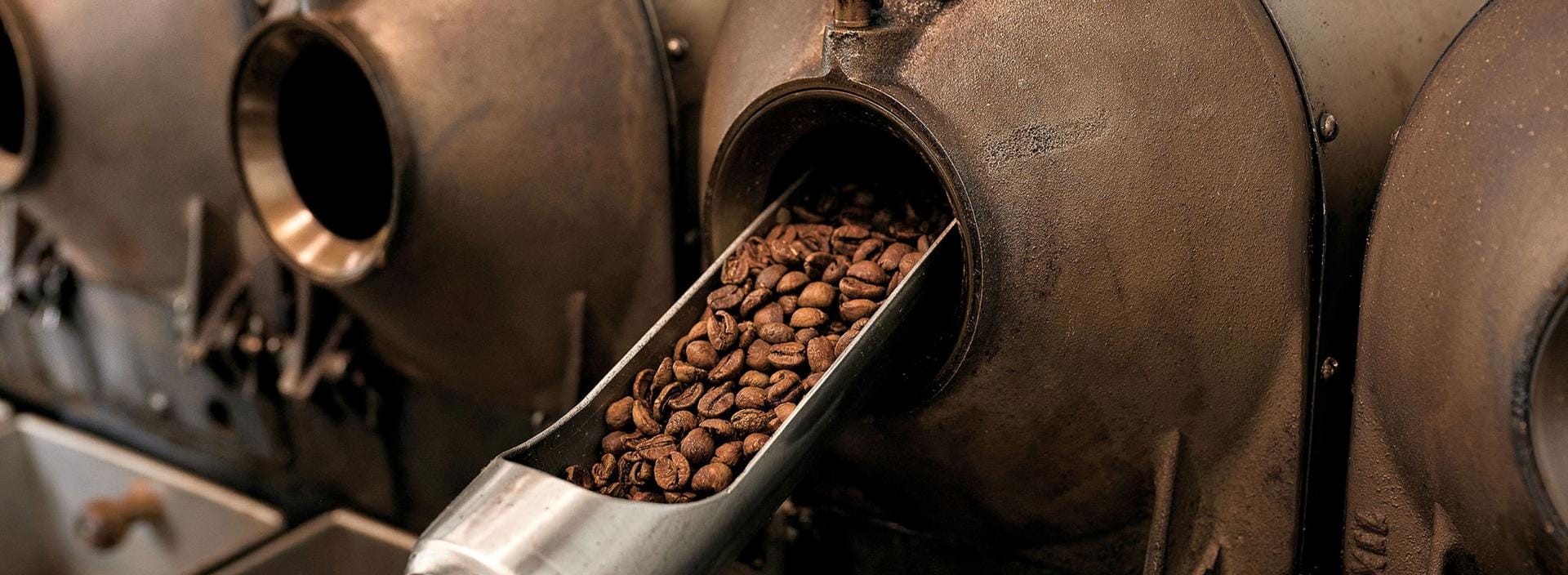
The success is driven not by cultivation, but by high-value processing and re-exporting. Green coffee beans are imported into Switzerland at relatively low prices and then transformed into premium roasted products for global markets. According to research from the University of St. Gallen, raw coffee beans are imported at around $5 per kilogram, while processed exports can reach up to $26.80 per kilogram.

This massive value addition has made coffee Switzerland’s most important agricultural export, even surpassing traditional Swiss products such as cheese and chocolate in total export share.

A major contributor to this industry is global food and beverage giant Nestlé, which has built a strong global coffee ecosystem through brands like Nespresso and Nescafé. Switzerland has also become a key hub for trading, roasting, packaging, and distribution of coffee to international markets.

Experts say Switzerland’s success lies in its strong logistics infrastructure, political stability, financial systems, and high-tech food processing capabilities. These advantages allow companies to import raw materials, add value through advanced processing, and re-export finished goods efficiently.

However, the story of Swiss coffee dominance also has a complex side. While Switzerland profits significantly from coffee trading, most coffee is grown in developing countries where farmers often receive only a small portion of the final retail value. This global imbalance has sparked ongoing discussions about fairness in the coffee supply chain.

Today, Switzerland’s coffee industry stands as a powerful example of how a country can dominate global trade not through raw production, but through innovation, branding, and value-added processing.

Switzerland Joins Rhine Transport Network.

The agreement was finalized through the signing of the European Corridor Management Agreement (ECMA) by Port of Switzerland (SRH) during a meeting of the European River Information Services (EuRIS) in Basel.

The EuRIS platform provides real-time shipping information including traffic conditions, waiting times, route disruptions, and navigation updates. Swiss authorities say the move will improve coordination and logistics efficiency across the Rhine corridor.

With Switzerland’s participation, all sections of the Rhine River are now integrated into the European system, creating more complete cross-border transport monitoring for commercial shipping operators.

Swiss waterway data is expected to become available on the platform in the coming months. The EuRIS system was launched in 2022 and currently connects over 29,500 kilometres of European waterways across 13 countries.

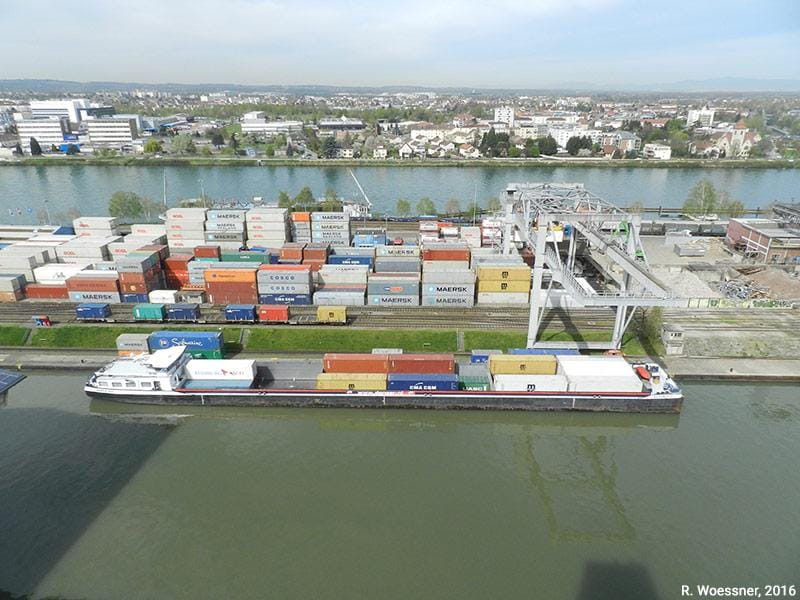
Switzerland’s three Rhine ports with direct access to the sea are located in Basel, Birsfelden, and Muttenz. These ports play a major role in the country’s freight transport infrastructure.

According to the SRH, around 80 port companies rely on the Rhine ports to manage goods transport by rail and road, as well as storage and logistics operations.

In addition to infrastructure management, Swiss Rhine authorities are responsible for overseeing navigation safety and ensuring compliance with both national and international shipping regulations.

The agreement highlights Switzerland’s growing integration into European transport coordination systems and reinforces the importance of the Rhine as a strategic trade route for the continent.