Swiss Boarding School Evacuated After Threat.

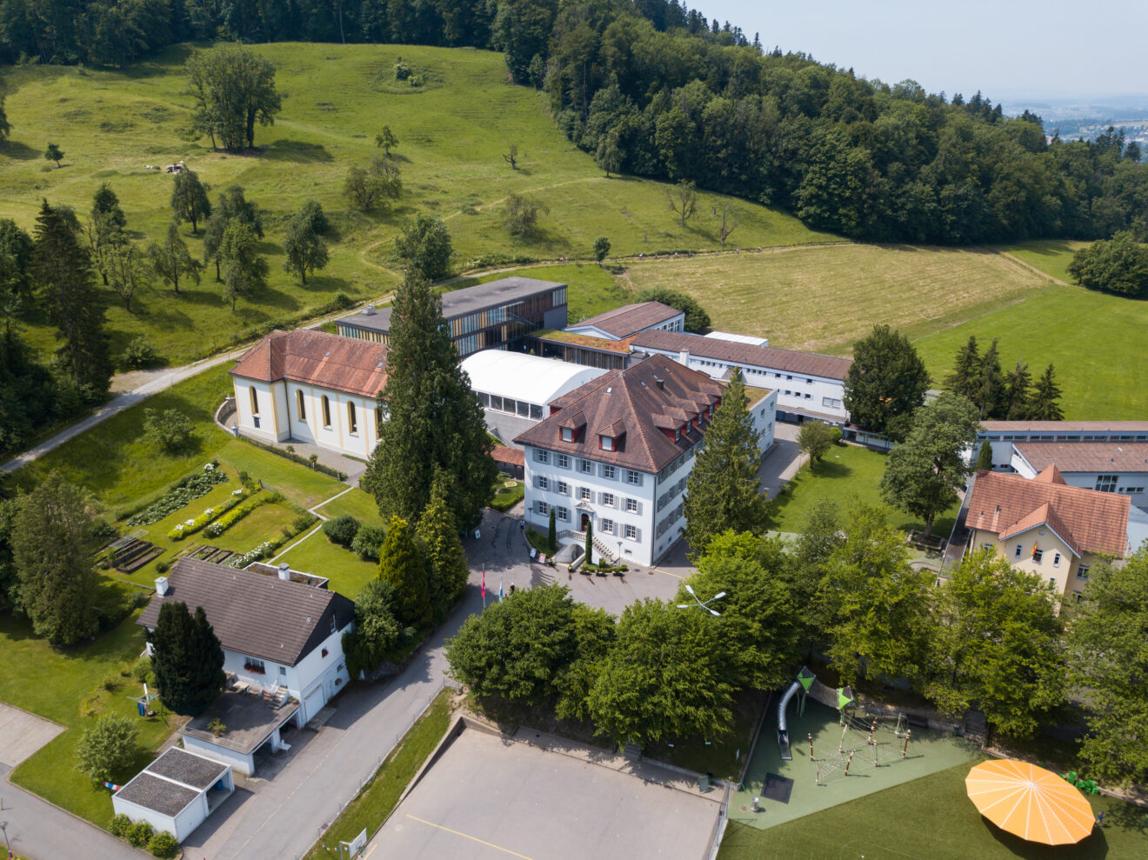
A boarding school in Zug, central Switzerland, was evacuated on Saturday after authorities received a written threat. Police and emergency services quickly responded to the incident, moving students and staff to safety while conducting a thorough security operation.

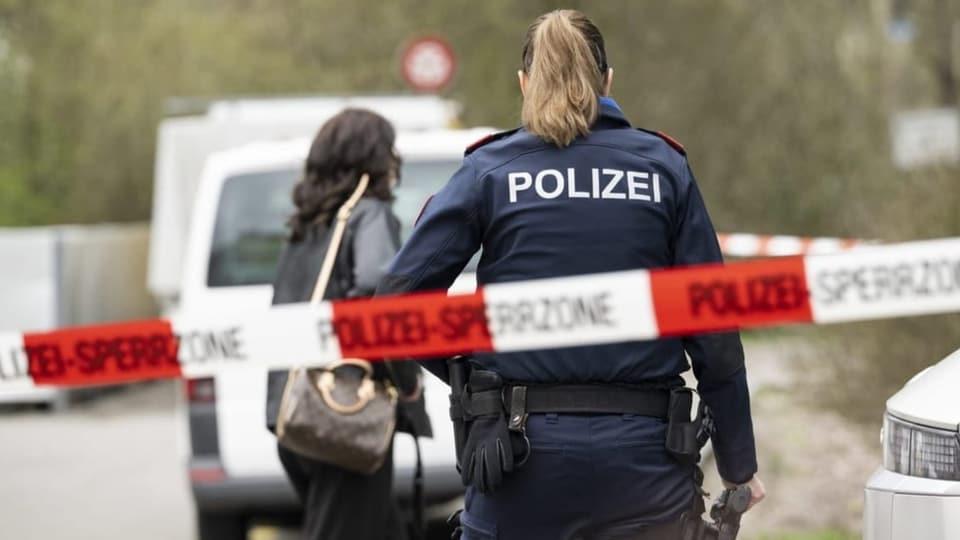
The threat was reported shortly after 4:00 PM, prompting Swiss police to deploy emergency teams to the area. Officers immediately secured the location, established a safety perimeter, and evacuated the affected buildings as a precautionary measure.

Around 30 students and caretakers were present at the school when the threat was received. Emergency personnel safely relocated everyone to a secure location, where they remained under supervision during the investigation.

Police carried out a detailed search of the school premises to identify any potentially dangerous or suspicious objects. After several hours of inspections, authorities confirmed that no suspicious items were found anywhere on the property.

The operation concluded at approximately 8:00 PM when emergency services declared the area safe. Students and staff were then allowed to return to the boarding school without incident.

Swiss police emphasized that there was never any danger to the wider public. Authorities acted swiftly to ensure the safety of everyone involved while maintaining security throughout the operation.

Investigators are now working to determine who was responsible for the threat and what motives may have been behind it. The case remains under active investigation, and officials have not yet released further details.

The incident highlights the rapid response procedures used by Swiss emergency services when potential threats are reported at educational institutions. Authorities continue to encourage the public to report suspicious activities to help maintain public safety.
Winterthur Stabbing Case: Swiss Probe Digital Evidence.

The Swiss Attorney General’s Office is currently unable to access the electronic devices of a 31-year-old Turkish-Swiss man accused of a knife attack that injured three people in Winterthur, as legal proceedings over data access continue.

Federal prosecutor Stefan Blättler confirmed that the suspect has objected to the search of his laptop and mobile phone. As a result, authorities have submitted an application to the coercive measures court requesting permission to unlock and examine the devices. A decision is still pending.

Blättler explained that investigators are currently unable to review critical digital evidence, including communication records and messages that could reveal the suspect’s contacts before the attack. He emphasized that such information is essential for understanding potential links to other individuals or networks.

According to the prosecutor, electronic devices have become one of the most important sources of evidence in modern criminal investigations. However, legal protections around data “sealing” can delay access. This procedure was originally designed to protect sensitive or unrelated personal data, such as privileged legal correspondence or private information not relevant to investigations.

Blättler noted that while sealing was appropriate in an earlier legal era dominated by paper documents, it has become increasingly challenging in the digital age. He warned that prolonged delays in accessing data could hinder investigations, particularly in urgent cases involving public safety risks.

The federal prosecutor suggested that reforms may be needed to balance privacy protections with investigative urgency. He indicated that authorities may need faster access to seized data in certain cases, while still protecting legally privileged or irrelevant information.

The suspect is currently in pre-trial detention. He is accused of carrying out a violent attack at Winterthur station on May 28, where three men were injured, one seriously. The day before the incident, he had reportedly been in a psychiatric facility.

Swiss authorities have opened a criminal investigation for attempted multiple murder and alleged involvement in or support of a terrorist organization. The case remains under active judicial review as investigators await access to key digital evidence.

Swiss Army Mobilises 4,000 Soldiers for G7 Summit Security Near Evian.

Switzerland will deploy nearly 4,000 soldiers to support security operations for the upcoming G7 Summit taking place in neighbouring France near Evian from June 12 to 17.

The Swiss Defence Ministry confirmed that military personnel will assist cantonal authorities in Geneva, Vaud, and Valais to strengthen security across the border region. The main objective is to support civilian police forces, allowing them to focus on maintaining public order during the high-profile international event.

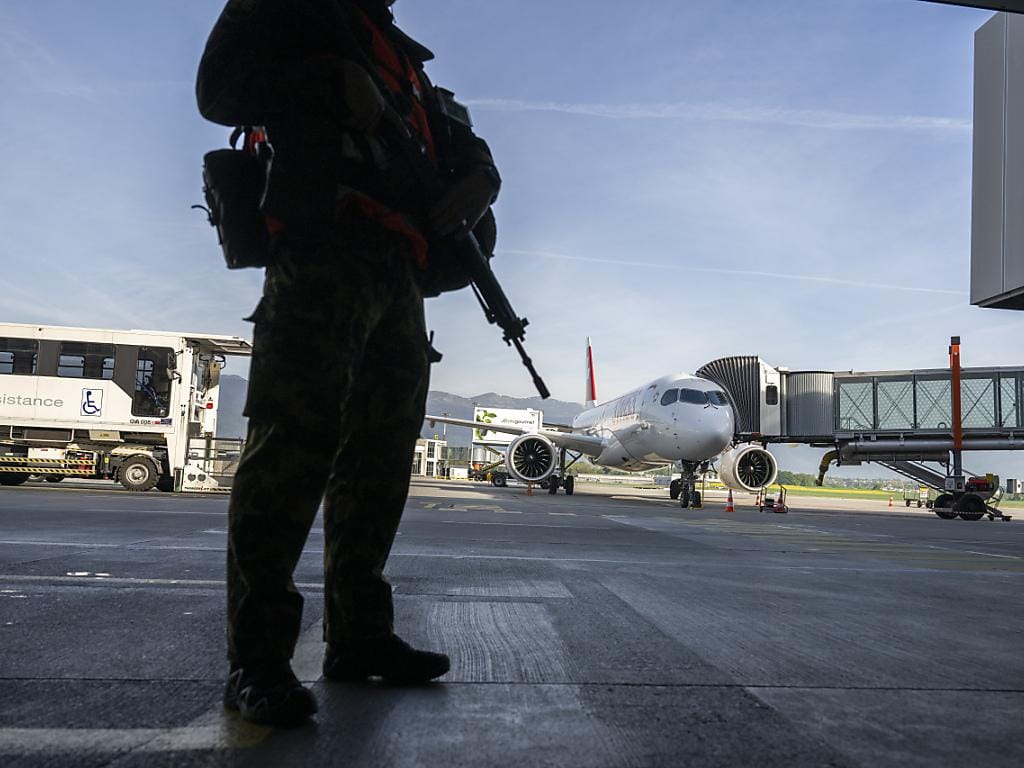
Key security responsibilities will include the protection of sensitive infrastructure such as Geneva International Airport, as well as assistance with border security operations. The Swiss Air Force will also reinforce air policing, with temporary airspace restrictions in place from June 10 to 18.

Authorities expect many international delegates to arrive via Geneva Airport before traveling across Lake Geneva to Evian. As part of the operation, Swiss forces will monitor key transport routes, the lake area, and surrounding regions.

The army will also contribute cyber defence capabilities, drone countermeasures, and protection against nuclear, biological, and chemical threats. However, Swiss military forces will not be involved in maintaining public order, which remains the responsibility of cantonal police.

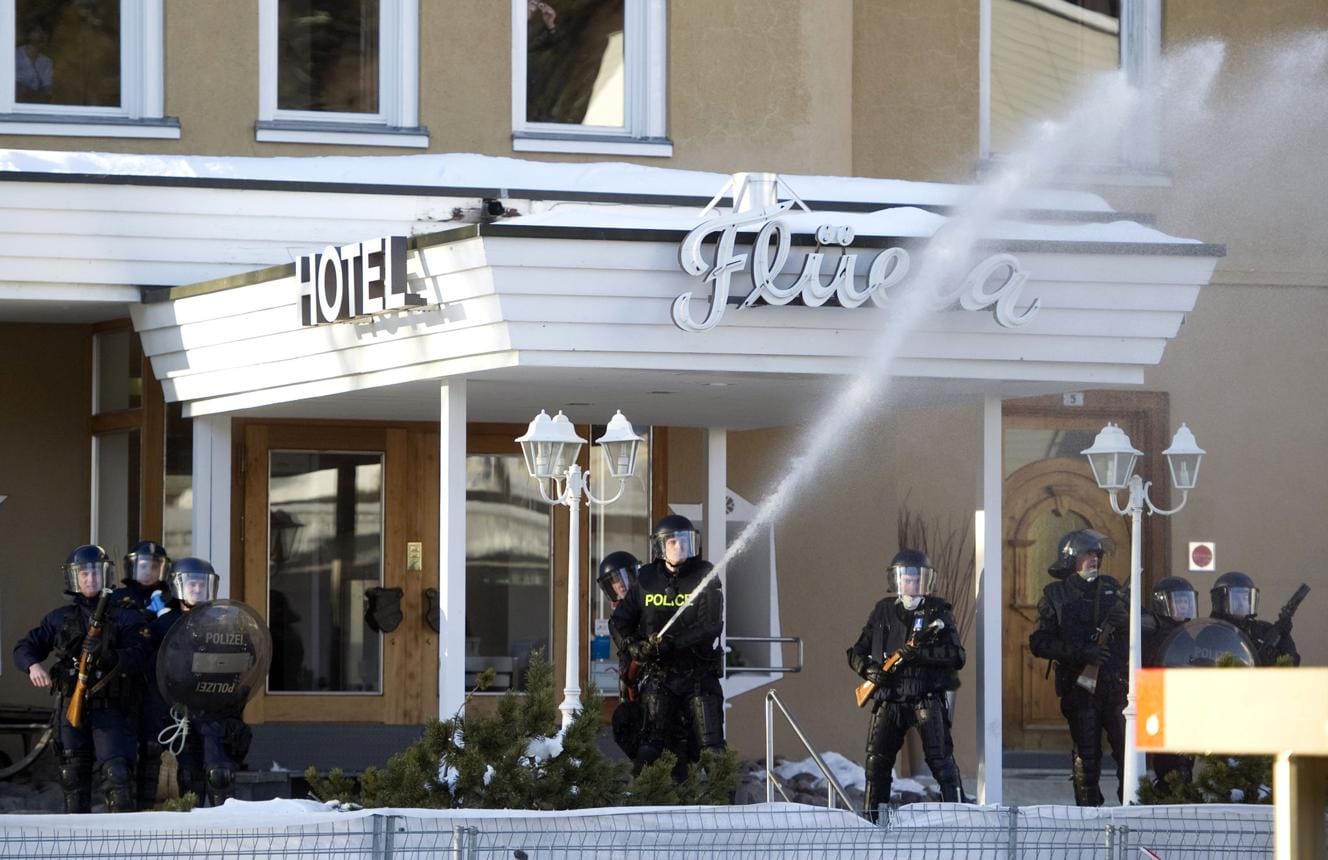
All 1,500 police officers in Geneva will be deployed, supported by reinforcements from other cantons. Specialized equipment, including high-capacity water cannons from Germany, will also be made available to assist crowd control if necessary.

The large-scale security operation follows a request from regional authorities, as the cantons of Geneva, Vaud, and Valais prepare for increased pressure during the summit period. Swiss President Guy Parmelin has noted that discussions are ongoing regarding whether France will contribute to the significant security costs incurred by Switzerland.

At the same time, tensions have emerged over planned protests. The “No to G7” coalition has criticized restrictions imposed by Geneva authorities on demonstration routes and conditions, calling them overly restrictive. While a march has been authorized for the right bank of Geneva on June 14, requests for a protest village in Parc des Bastions were rejected.

Organizers have expressed concern over policing measures and fear potential clashes, recalling violent protests during the 2003 G8 summit in the region. Despite disagreements, the coalition has confirmed it will proceed with the demonstration, stating its intention to show international solidarity and opposition to global leaders.

The G7 security operation marks one of the largest coordinated Swiss support efforts in recent years, highlighting the country’s strategic role in safeguarding major international events held just across its border.

Authorities Rule Out Terrorism in Bellinzona Knife Attack Case.

Swiss authorities have confirmed that no terrorist or jihadist motive was identified in a knife attack that took place in Bellinzona, despite earlier concerns raised in media reports.

In late January, a 37-year-old Swiss-Turkish woman entered a mobile phone shop in the Ticino town and threatened employees with a knife. Reports indicated that she allegedly shouted religious phrases during the incident, which initially raised suspicions of a possible extremist link.

However, the Office of the Attorney General of Switzerland (OAG) has now confirmed that investigations found no evidence of a terrorist background or ideological motive. The case is being treated as a criminal incident rather than an act of terrorism.

Authorities also stated that the suspect is currently receiving outpatient psychiatric treatment. Medical assessments indicated that she was not fit for questioning or trial at the time of the incident, leading to her involuntary admission to a psychiatric facility.

The legal proceedings remain ongoing, and officials have not released further details due to the sensitivity of the case.

The clarification highlights the importance of distinguishing between mental health-related incidents and ideologically motivated attacks during criminal investigations.

Zurich Riots Leave Officer Injured.

A violent disturbance erupted in the city of Zurich in Zurich over the weekend, leaving a police officer slightly injured after clashes with a large group of rioters.

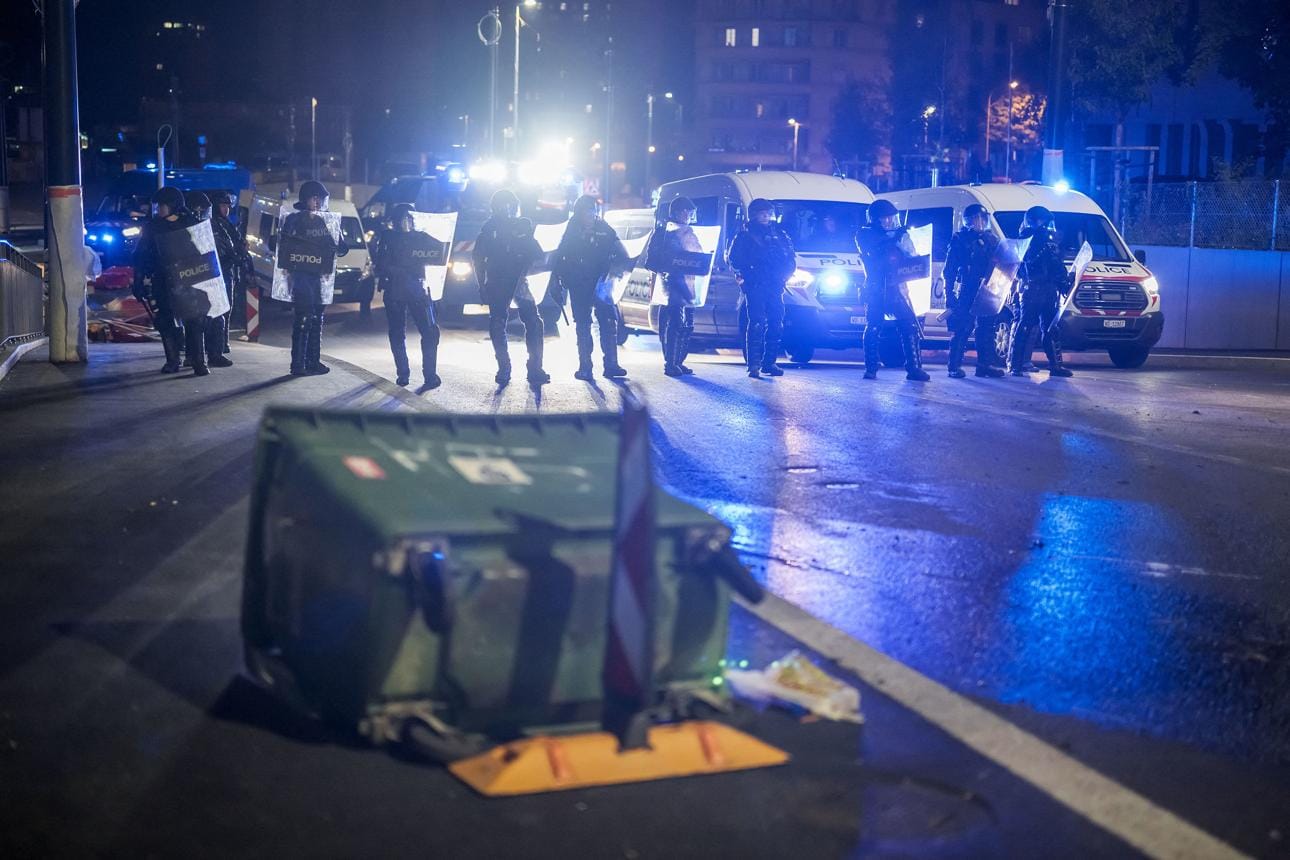
According to police reports, officers were initially called to the scene following complaints of a noise disturbance in the early hours of Sunday morning. A patrol arrived shortly after 2:30 a.m., but was immediately met with aggression as a group of individuals began throwing bottles and stones at police vehicles.

As the situation escalated, officers were forced to withdraw from the area and request reinforcements. Law enforcement then responded with crowd-control measures, including rubber bullets and chemical sprays, in an attempt to disperse the group.

Additional police units were deployed, including a water cannon and police dogs, to regain control of the situation and contain the unrest.

During the confrontation, one officer was struck by an object and sustained minor injuries. A police vehicle was also damaged in the incident before the crowd eventually dispersed.

Authorities have launched an investigation into the unrest and are working to identify those involved in the violence.

Gotthard Rail Tunnel Upgrade Costs Rise.

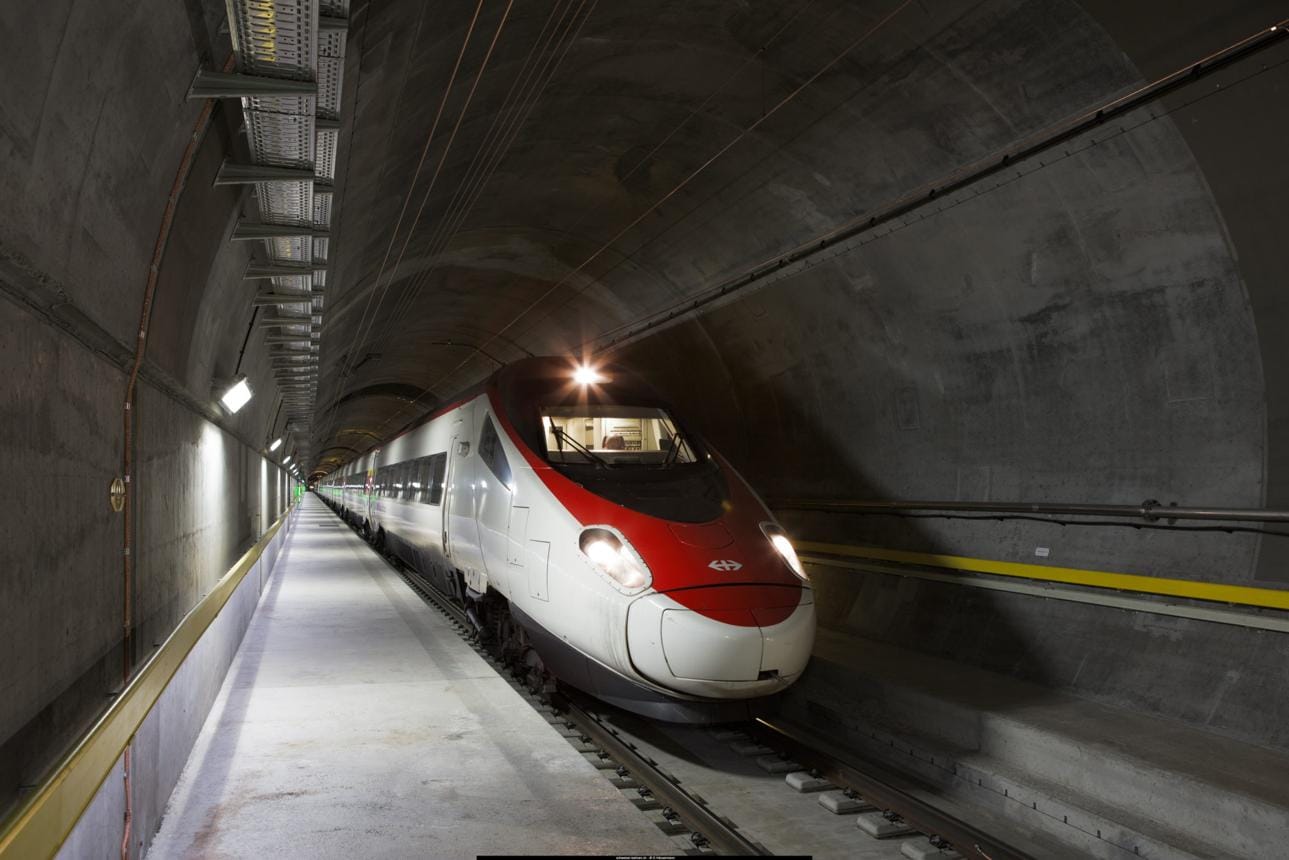
Renovation work at Switzerland’s Gotthard Base Tunnel could become significantly more expensive due to delays in replacing the tunnel’s aging radio communication system.

According to reports, the upgrade project has encountered major setbacks linked to technical and organisational problems involving external suppliers, as well as the difficulty of accessing sections of the tunnel for maintenance work.

The communication system plays a vital role in tunnel operations. It allows train drivers to communicate with control centres and other trains while also enabling passengers to access mobile phone and internet services deep inside the Gotthard mountain corridor.

The system was originally scheduled for replacement during planned maintenance work between 2024 and 2026. However, the project has fallen behind schedule, raising concerns about additional infrastructure costs.

As a result of the delays, Swiss Federal Railways (SBB) must reportedly extend existing operational contracts for at least two more years, with a possibility of extending them further up to six years.

The maximum projected additional cost is expected to exceed CHF4.6 million, although railway officials noted that some operational expenses would have been necessary regardless of the delays.

Reports also suggest that authorities are considering abandoning the current replacement project entirely as an alternative solution.

The Gotthard Base Tunnel is one of the world’s most important rail infrastructure projects and serves as a key transport corridor linking northern and southern Europe through Switzerland.

Zurich Riots Leave Police Officer Injured.

A police officer was slightly injured during overnight unrest in Zurich after officers came under attack from a large group during a disturbance that escalated into violent clashes.

According to Swiss police, officers responded to reports of excessive noise shortly after 2:30am on Sunday. When a patrol arrived at the scene, individuals in the crowd allegedly threw bottles and stones at the police officers.

The situation quickly intensified, forcing officers to temporarily withdraw and request reinforcements. Authorities later used rubber bullets and pepper sprays in an effort to regain control of the area.

Additional police units deployed water cannons and police dogs to disperse and contain the rioters as tensions continued to rise.

During the confrontation, one police officer was struck by an object and sustained minor injuries. A police vehicle was also damaged during the unrest.

Officials stated that the crowd eventually dispersed after police intervention restored order.

The incident has renewed concerns about public safety and violent disturbances during large gatherings in Swiss urban areas, especially during weekend nightlife hours.

Authorities have not yet released information regarding arrests or possible criminal charges linked to the incident.

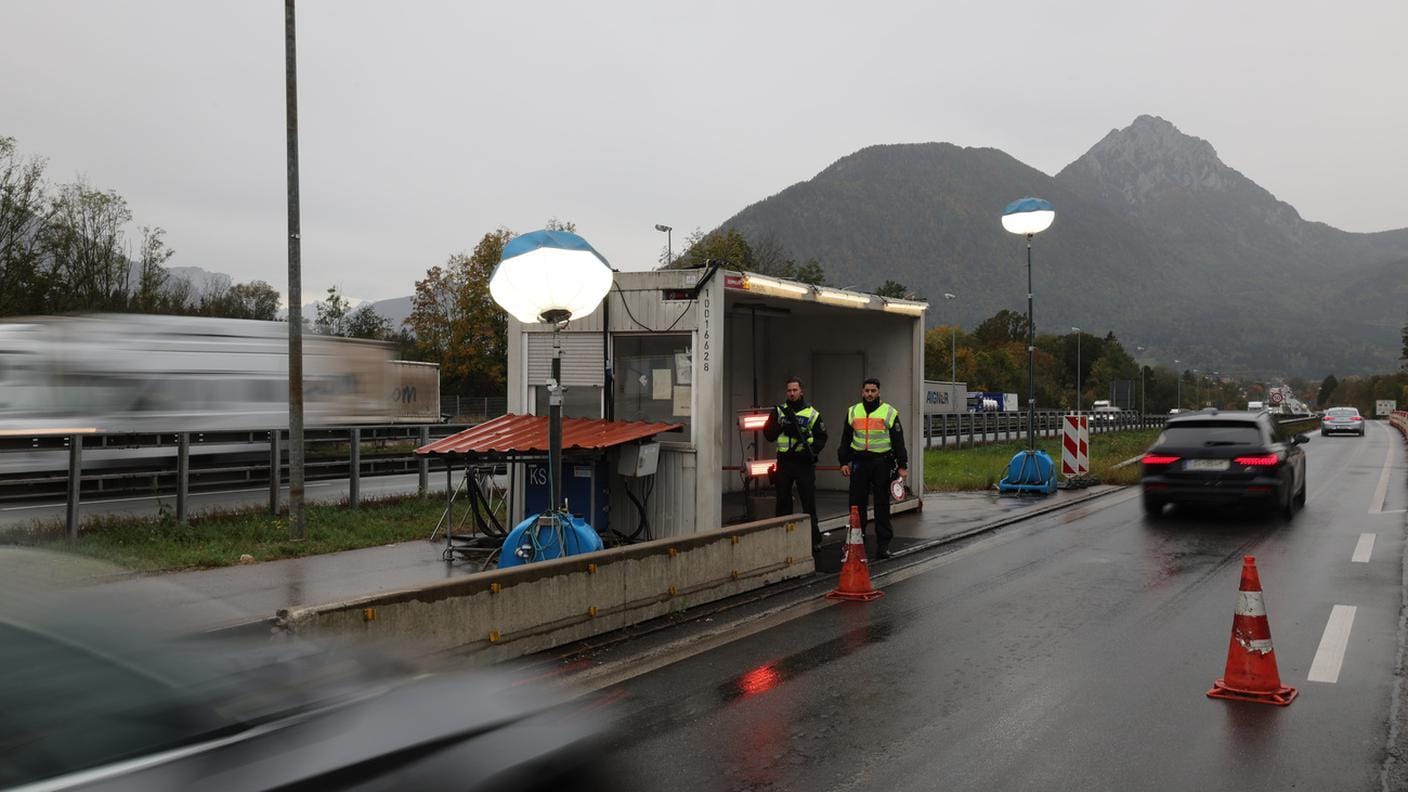
Man Caught With 50kg of Marijuana at Swiss-German Border Claims “Personal Use”

A 24-year-old Polish man has been arrested at the Switzerland–Germany border after German customs officers discovered 50 kilograms of marijuana hidden inside his vehicle.

The incident took place in Blumberg, near the border of the Swiss canton of Schaffhausen. Authorities from German customs in Singen reported that the suspect claimed the drugs were purchased in Switzerland for “personal use.”

However, officials quickly dismissed the claim, stating that the import, export, and transit of cannabis remain strictly prohibited under German law, even when claimed for personal consumption.

The seizure occurred at the end of April but was officially reported this week. Customs officers found the drugs carefully concealed in multiple locations inside a Mercedes vehicle registered in Germany.

According to investigators, the cannabis was packed into 47 separate bags and hidden in the boot, spare wheel compartment, and footwell area behind the rear seats.

German authorities confirmed that criminal proceedings are now underway against the suspect as they continue to investigate the origin and intended destination of the large drug shipment.

Officials highlighted that cross-border drug trafficking remains a serious concern in the region due to the proximity of Switzerland and Germany, where vehicle inspections and customs checks frequently uncover illegal transport attempts.

The case adds to a growing number of drug-related arrests along European border routes, where organized smuggling networks often exploit busy transit corridors.

Bern Police Launch ‘Super-Recogniser’ Pilot Project to Identify Criminals.

Bern Cantonal Police is launching a pilot project that uses officers with exceptional face-recognition abilities, known as “super-recognisers,” to support criminal investigations.

The initiative follows internal testing within the police force, where around 30 officers were identified as having above-average facial recognition skills. According to a police spokesperson, roughly 10% of participants in the screening demonstrated these enhanced abilities.

Super-recognisers have the rare capacity to accurately remember and identify faces even after brief or indirect encounters. Authorities say this capability can significantly assist in locating violent offenders and improving public safety operations.

The project development was already underway when the Canton of Bern parliament approved a motion from the Centre Party in March calling for the use of super-recognisers to strengthen policing capabilities.

Officials noted that recent public order challenges, including escalated demonstrations in the canton last October, contributed to political support for the initiative.

The Bern Cantonal Police confirmed that detailed planning for the pilot is now complete and implementation is scheduled for the summer. Officers selected for the program will be deployed to support investigations where facial identification is critical.

The pilot reflects a broader trend in European policing strategies that combine human cognitive skills with modern investigative methods to improve identification accuracy and response times.

Authorities will evaluate the effectiveness of the program after its initial rollout before deciding whether to expand it across the canton.

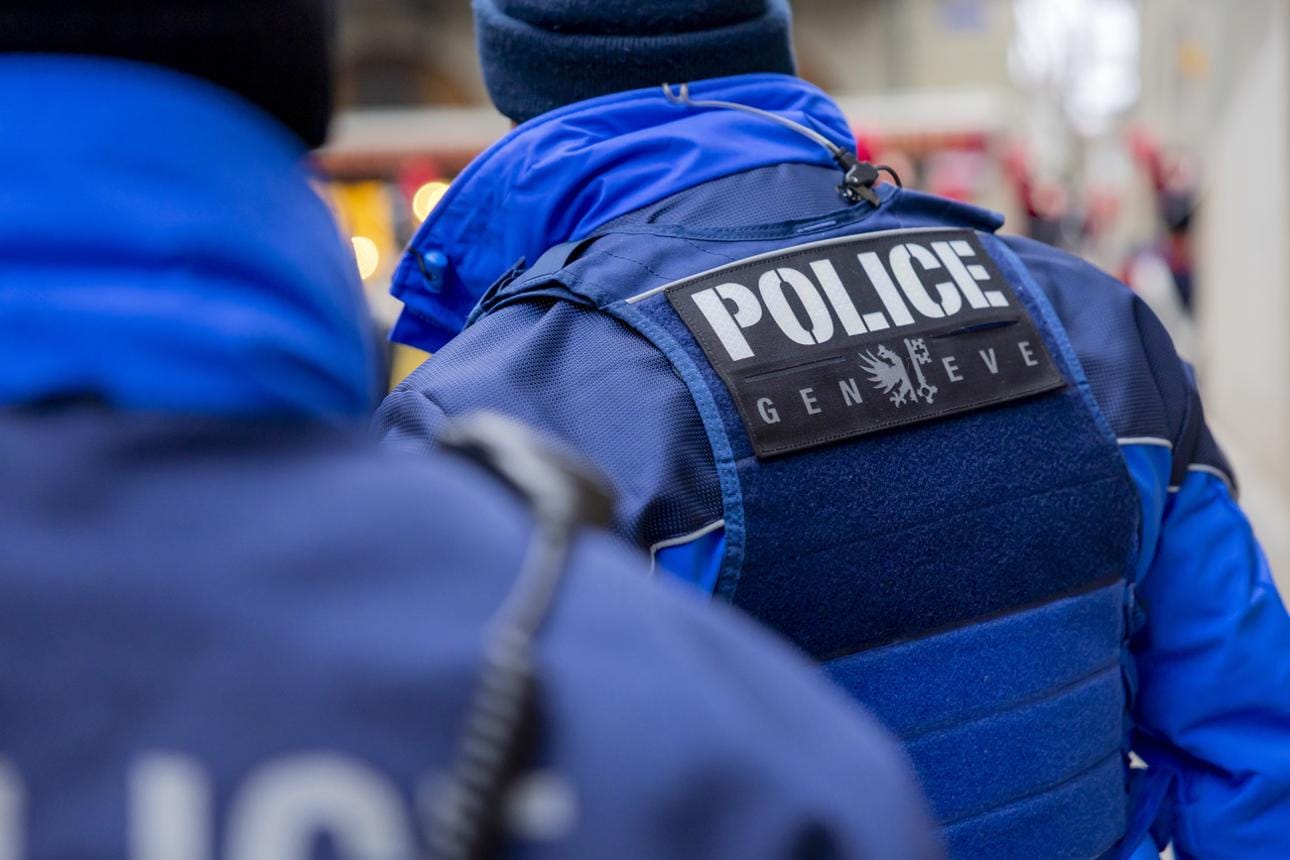
Geneva Police Introduce Switzerland’s First Real-Time Sign Language Support System.

Geneva has become the first city in Switzerland to introduce a real-time sign language interpretation service within its municipal police department. The new system aims to improve communication and accessibility for deaf and hard-of-hearing residents.

Starting Monday, individuals visiting police counters or interacting with officers will be able to connect instantly with professional sign language interpreters through a live video system. The service works using a QR code that officers can activate directly on their smartphones while assisting the public.

The initiative was developed in partnership with the PROCOM Foundation and marks a major step forward for accessibility in Swiss public services.

Marie Barbey-Chappuis stated that the city wants to ensure equal access to public services for everyone under fair conditions. Meanwhile, Christine Camp described the project as an important milestone for inclusive policing in Switzerland.

According to official estimates, between 20,000 and 30,000 people in Switzerland are deaf, while nearly one million residents live with some form of hearing impairment. Geneva’s new accessibility system also supports upcoming revisions to Switzerland’s federal disability equality legislation.

Experts believe this digital interpretation service could become a model for police departments and government institutions across the country.