

Animal Rights Groups Target Migros Ads.

A coalition of Swiss animal protection organisations is preparing to file a formal complaint against supermarket giant Migros, accusing the retailer of using misleading animal welfare advertising. The complaint is expected to be submitted to Switzerland’s Fair Trading Commission in the coming days.

The action is being led by Werbemist, an alliance that includes Animal Rights Switzerland, Sentience, the Fondation pour l’animal en droit (TIR), and Tier im Fokus (TIF). The organisations argue that Migros’ advertising slogan, “Always topical: animal welfare,” creates a misleading impression about conditions within livestock farming.

According to the alliance, significant animal welfare concerns continue to exist in modern farming practices. The groups highlight issues such as painful breastbone fractures in laying hens and the use of carbon dioxide stunning methods in pigs before slaughter. They claim that these practices raise serious ethical questions and conflict with the image presented in Migros marketing campaigns.

The complaint also argues that terms such as “animal welfare” and “animal-friendly” are not legally protected in Switzerland. As a result, companies can use these phrases in advertising even when animal rights groups believe the standards do not fully reflect consumer expectations. Activists describe this practice as “welfare washing,” comparing it to other forms of marketing that present a more positive image than reality.

Migros has strongly rejected the allegations. The company states that animal welfare remains a core commitment and that standards are regularly reviewed and improved. A company spokesperson emphasized that continuous monitoring and development are part of Migros’ long-term approach to responsible food production.

The retailer also noted that improving animal welfare across the agricultural sector requires cooperation between farmers, researchers, industry partners, and government authorities. Migros believes meaningful progress can only be achieved through collaboration rather than individual action.

The dispute has sparked renewed debate in Switzerland over transparency in food production, ethical farming practices, and how animal welfare claims should be communicated to consumers. The outcome of the complaint could have broader implications for advertising standards and consumer trust within the Swiss retail sector.


Swiss Doctors Still Face Burnout Concerns.

Doctors working in Swiss hospitals are experiencing a slight reduction in weekly working hours, according to a new survey. While this marks a positive development for the healthcare sector, concerns about exhaustion and patient safety remain widespread.

The survey, conducted among 2,400 doctors by the Demoscope research institute on behalf of the Association of Swiss Assistant and Senior Physicians (VSAO), found that the average weekly workload has fallen to 54.6 hours. In 2022, doctors reported working an average of 56.3 hours per week.

The findings also show an improvement in compliance with labour regulations. The percentage of doctors reporting violations of working time laws decreased from 68% to 58%, indicating gradual progress in hospital working conditions.

Despite these improvements, fatigue continues to affect a large portion of the medical workforce. More than half of the doctors surveyed said they regularly reach a point where they feel unable to continue due to physical or mental exhaustion. The level of stress remains almost unchanged compared with previous years.

Patient safety is another major concern highlighted in the report. Nearly 60% of respondents stated that they had witnessed situations in the past two years where patients were placed at risk because of fatigue caused by excessive workloads. Medical professionals warn that long working hours and ongoing pressure can affect concentration, decision-making, and overall quality of care.

Healthcare experts believe that further reforms are needed to improve staffing levels, reduce pressure on medical teams, and protect both doctors and patients. While the reduction in working hours is a positive sign, the latest findings suggest that burnout and workplace stress continue to be serious challenges within Switzerland’s healthcare system.

The survey serves as an important reminder that maintaining a healthy and sustainable workforce is essential for delivering safe and effective healthcare across Switzerland. As hospitals face increasing demand for services, ensuring the wellbeing of medical professionals will remain a key priority.

Swiss Support for New Nuclear Plants Surges.

Public opinion in Switzerland is shifting significantly in favor of nuclear energy, with a growing number of citizens viewing it as a reliable solution to future electricity challenges. A recent survey commissioned by the Swiss Association of Electricity Companies (AES) reveals that nearly 60% of respondents support the construction of new nuclear power plants across the country.

The findings highlight increasing concerns about Switzerland’s long-term energy security. As demand for electricity continues to rise, many residents are questioning whether renewable energy sources alone will be sufficient to meet future needs. This has led to renewed interest in nuclear power as part of a balanced national energy strategy.

According to the survey, 79% of participants support keeping existing nuclear power plants in operation as long as they continue to meet safety standards. In addition, 59% favor building next-generation nuclear facilities to strengthen Switzerland’s energy infrastructure and reduce the risk of power shortages.

Energy experts believe public attitudes have changed due to growing awareness of supply risks experienced in recent years. International geopolitical tensions and concerns about global energy markets have also increased public focus on reliable domestic electricity production.

Despite the rising popularity of nuclear energy, renewable energy remains the preferred long-term solution for many Swiss citizens. Solar, wind, and hydropower continue to receive strong public support, with many respondents favoring an energy mix that combines renewables with stable backup generation.

The Swiss Parliament is expected to discuss the future direction of national energy policy, making this an important moment for Switzerland’s long-term energy planning. The debate could influence how the country balances energy security, environmental goals, and economic stability in the years ahead.

As Switzerland evaluates its energy future, nuclear power is once again becoming a central topic of discussion. The latest survey suggests that public opinion is evolving, with more citizens willing to consider nuclear energy as part of the solution to ensure a stable and secure electricity supply.

Parental Stress Becomes Major Mental Health Issue in Switzerland.

A new study conducted by AXA Switzerland has found that parental responsibility is becoming one of the leading causes of mental health challenges among adults in the country, surpassing even financial and workplace stress in its overall impact.

According to the findings, around one in four adults in Switzerland is currently affected by some form of mental health issue. The report highlights a growing concern about emotional well-being across different age groups.

Young adults between the ages of 18 and 24 are identified as the most affected group, with approximately 39% reporting mental health challenges. Experts suggest that uncertainty about education, careers, and personal life may be contributing factors.

The study also revealed a significant rise in mental health-related disability insurance claims, which have increased by nearly 78% over the past four years. This indicates a growing long-term impact on Switzerland’s workforce and social systems.

Researchers and experts point out that parenting responsibilities are placing increasing pressure on adults, especially those trying to balance work, childcare, and financial stability in a high-cost living environment.

For expatriate families living in Switzerland, the challenge is often greater due to the lack of extended family support systems. Many parents face additional emotional and logistical pressure while raising children in isolation from relatives.

Mental health professionals emphasize that this trend reflects broader societal changes, including increased work demands, rising living costs, and evolving family structures.

The study calls for stronger mental health support systems, including better access to counseling services, workplace flexibility, and family support programs to help reduce parental stress.

As mental health discussions continue to grow in Switzerland, experts stress that early intervention and community-based support will be essential in addressing the rising emotional burden on families.

Swiss Scientists Discover New Target for Treating Blindness.

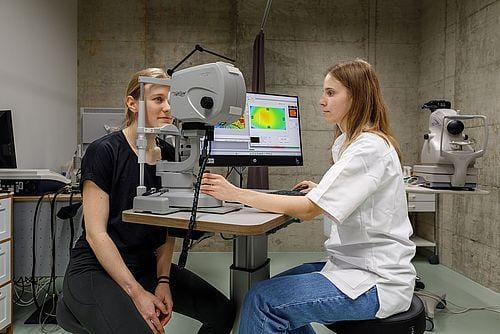
Researchers led by the University of Fribourg in Switzerland have identified a promising new biological target that could lead to improved treatments for age-related macular degeneration (AMD), one of the leading causes of blindness worldwide.

The study focuses on restoring the eye’s natural cellular recycling system, which plays a critical role in maintaining retinal health. Scientists believe that failure in this system is a key driver of vision loss as people age.

AMD primarily damages photoreceptors and retinal pigment epithelial cells, which are essential for clear central vision. When these cells deteriorate, patients gradually lose the ability to see fine details, significantly affecting daily life.

The Swiss research team, led by experts in cellular biology, investigated a process known as chaperone-mediated autophagy (CMA). This system normally helps cells remove damaged proteins and maintain internal balance, but it becomes less effective with age.

According to the findings, CMA activity is crucial for retinal health, and its breakdown may directly contribute to the development of AMD. By identifying this mechanism, researchers have uncovered a potential “control point” for future therapies.

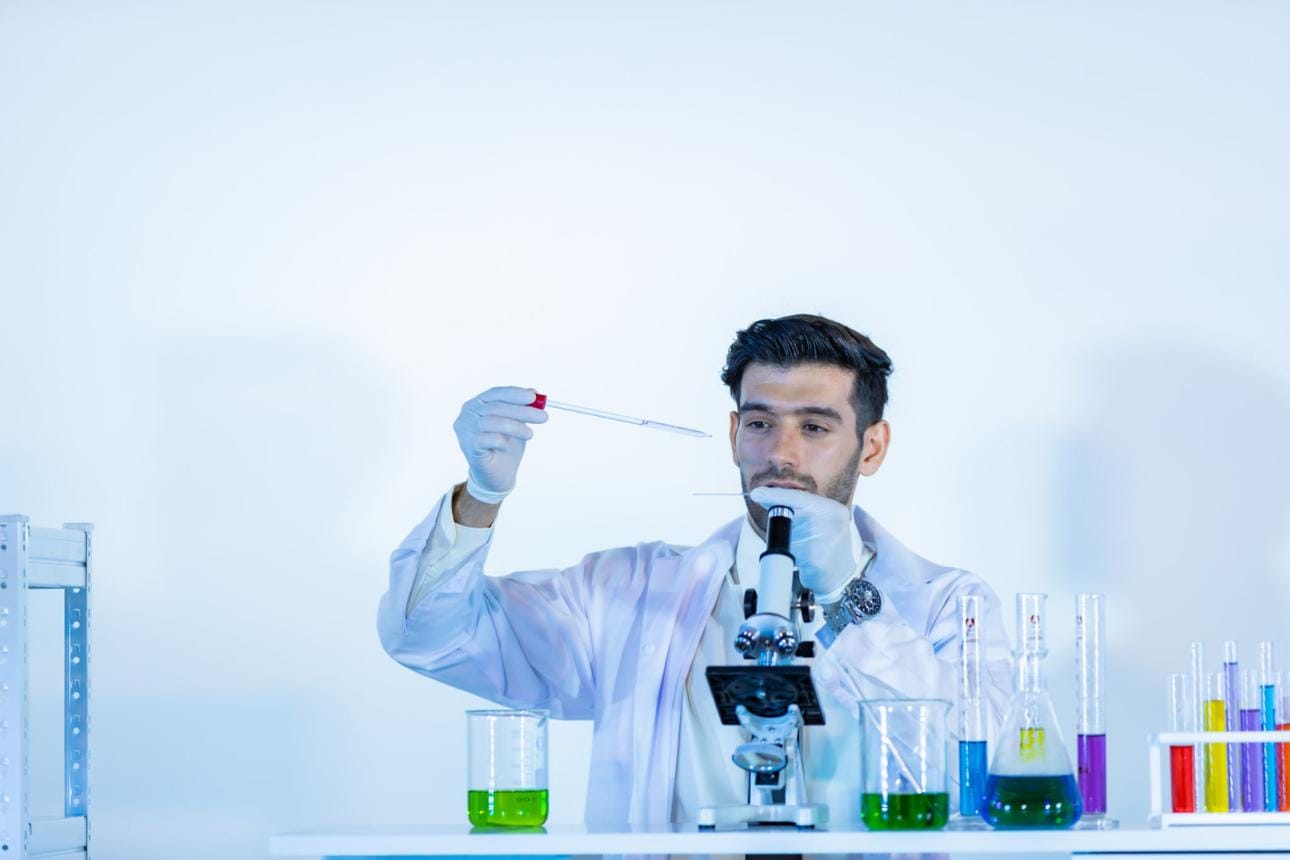
The study also explored an experimental molecule known as CA77.1, which was designed to reactivate the cell’s waste-clearing system. In laboratory models, activation of this pathway reduced inflammation and slowed cellular degeneration linked to vision loss.

Tests on cells derived from AMD patients showed improved cellular stability when the recycling mechanism was strengthened. Scientists say this suggests a new direction in treatment strategies that focus on restoring natural cell function rather than only managing symptoms.

Age-related macular degeneration affects millions globally, with risk increasing significantly after the age of 50. In older populations, the disease becomes a major cause of irreversible central vision loss, creating an urgent need for innovative therapies.

Researchers believe that targeting cellular aging mechanisms could open the door to future treatments that preserve or even restore vision. While the findings are still in early stages, they represent a significant step forward in ophthalmology research.

Switzerland continues to strengthen its position as a leading hub for medical and life sciences innovation, with this study offering new hope for addressing age-related blindness in the future.

AI-Designed Vaccine Successfully Tested in Human Trial.

Scientists at the University of Cambridge have successfully completed early human trials of a new artificial intelligence-designed vaccine called pEVAC-PS, marking a major breakthrough in medical technology and infectious disease prevention.

The vaccine was developed using advanced AI systems that analyzed global genomic data to identify shared characteristics across multiple viruses. This approach allowed researchers to design a broad-spectrum antigen capable of targeting a wide range of coronavirus-related strains.

Unlike traditional vaccines, pEVAC-PS was administered using a microfluid jet-like delivery device that injects the vaccine into the skin without a conventional needle. Researchers say this method could improve precision and patient comfort in future immunizations.

The clinical trial involved 39 healthy volunteers aged between 18 and 50. Participants were recruited from medical research centers in Southampton and Cambridge, where they received different dosage levels ranging from 0.2 mg to 1.2 mg.

The results showed that the vaccine was well tolerated, with no significant adverse side effects reported during the initial trial phase. Scientists confirmed that the study demonstrated both safety and early immune response potential.

The AI system behind the vaccine was trained to identify a common antigen structure shared among Sarbeco coronavirus family members, including SARS-CoV-2, SARS, and other related bat-origin coronaviruses. This could allow the vaccine to provide broader protection against future emerging variants.

Researchers believe this approach could revolutionize vaccine development by enabling faster design of treatments for viruses such as influenza, Ebola, and other high-risk pathogens.

Experts involved in the study say AI-driven vaccine design may significantly shorten development time and improve global preparedness for future pandemics.

India Introduces AI App for Newborn Health Monitoring.

The state government of Andhra Pradesh in India has launched a new artificial intelligence-based mobile application designed to assess the health of newborn babies more efficiently and accurately.

The app, named “Shishu Maapan,” uses advanced AI technology to measure key health indicators of infants without requiring direct physical contact. Health workers can record a simple mobile video, which the system then analyzes to estimate important measurements.

Through this video-based assessment system, the app can calculate a newborn’s weight, height, head circumference, and chest circumference with high precision. Officials say this reduces manual measurement errors and improves data accuracy in healthcare reporting.

The initiative is aimed at strengthening child healthcare services, especially in rural and remote regions where access to medical equipment and specialists may be limited. The AI-powered system allows healthcare workers to quickly evaluate newborn health conditions in the field.

Authorities believe the application will play a significant role in monitoring early childhood development and maintaining accurate digital health records. It is also expected to support long-term healthcare planning and early intervention strategies.

Officials further stated that “Shishu Maapan” is part of a broader effort to integrate artificial intelligence into public healthcare systems. The goal is to improve efficiency, reduce workload for medical staff, and ensure faster health assessments for newborns.

By combining mobile technology with AI-driven analytics, the system represents a significant step forward in digital healthcare innovation in India.

Swiss Flight LX155 Makes Emergency Return to Mumbai.

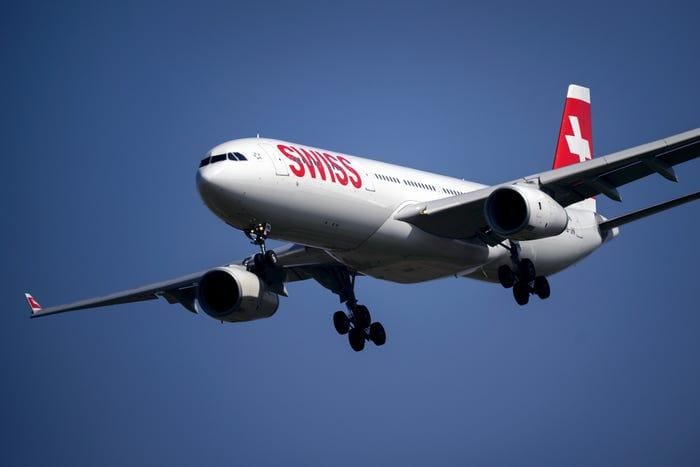
A Swiss International Air Lines flight Swiss International Air Lines carrying 231 passengers from Mumbai to Zurich was forced to return and make an emergency landing in Mumbai after a technical malfunction was detected mid-flight.

The Airbus A330 aircraft, operating as flight LX155, initially departed from Mumbai as scheduled. However, approximately two hours into the journey, pilots detected an electrical system fault that could not be resolved during flight.

As a precaution, the flight crew decided to divert the aircraft back to its departure airport in Mumbai. The aircraft had already flown for over five hours before finally returning.

Before landing, the plane was required to burn a significant amount of fuel for safety reasons. Since the Airbus A330 is not equipped with a fuel jettison system, the aircraft circled over the Arabian Sea for approximately 130 minutes at an altitude of nearly 4,000 meters.

During this time, the aircraft completed multiple holding patterns while safely reducing fuel levels to meet landing requirements. This procedure is standard in long-haul aviation safety operations when immediate landing conditions must be managed.

Following the fuel burn procedure, the aircraft successfully landed back at Mumbai airport without any reported injuries among passengers or crew members.

Authorities and airline engineers are expected to carry out a detailed technical inspection to determine the cause of the electrical system failure before the aircraft is cleared for future operations.

The incident highlights the strict safety protocols followed in international aviation, where passenger safety remains the highest priority even if it requires long delays and route disruptions.

Global Ukrainian Summit Brings Leaders to Bern.

Bern hosted the Global Ukrainian Summit for the first time in Switzerland, bringing together more than 300 representatives of the global Ukrainian community from 50 countries. The three-day event highlighted international cooperation, reconstruction efforts, and the growing role of civil society in supporting Ukraine.

Government officials, diplomats, community leaders, and international partners attended the summit in the Swiss capital. Swiss government delegate for Ukraine, Jacques Gerber, joined discussions focused on strengthening partnerships between Switzerland and Ukraine.

A major theme of the summit was the role of civil society in defending Ukraine’s sovereignty and supporting the country’s long-term recovery. Participants discussed how communities around the world can contribute to rebuilding Ukraine and maintaining international awareness of ongoing challenges.

Ukraine’s Deputy Foreign Minister Mariana Betsa emphasized that Ukrainians living abroad play an important role in shaping the country’s future. She noted that support from global communities continues to strengthen Ukraine’s position on the international stage.

Leaders also highlighted the efforts of the Ukrainian diaspora in mobilizing humanitarian assistance, advocating for international support, and helping maintain global attention on the impact of the war. Delegates agreed that cooperation between governments, organizations, and communities remains essential.

The summit addressed a wide range of topics, including international security, economic reconstruction, youth engagement, cultural diplomacy, and the future role of Ukrainians living abroad. Participants exchanged ideas on how global partnerships can contribute to long-term stability and development.

Officials stressed that security remains a key requirement for the return of millions of displaced Ukrainians. Ukrainian representatives explained that long-term strategies are already being developed to support future resettlement and national recovery efforts.

The event also highlighted the importance of international coordination, including economic measures, legal accountability, and continued diplomatic support. Organizers described Switzerland as an increasingly important platform for dialogue, cooperation, and long-term partnerships with Ukraine.

The successful summit in Bern demonstrated the growing importance of international collaboration and showcased Switzerland’s role in hosting global discussions on peace, reconstruction, and humanitarian cooperation.

Swiss Boarding School Evacuated After Threat.

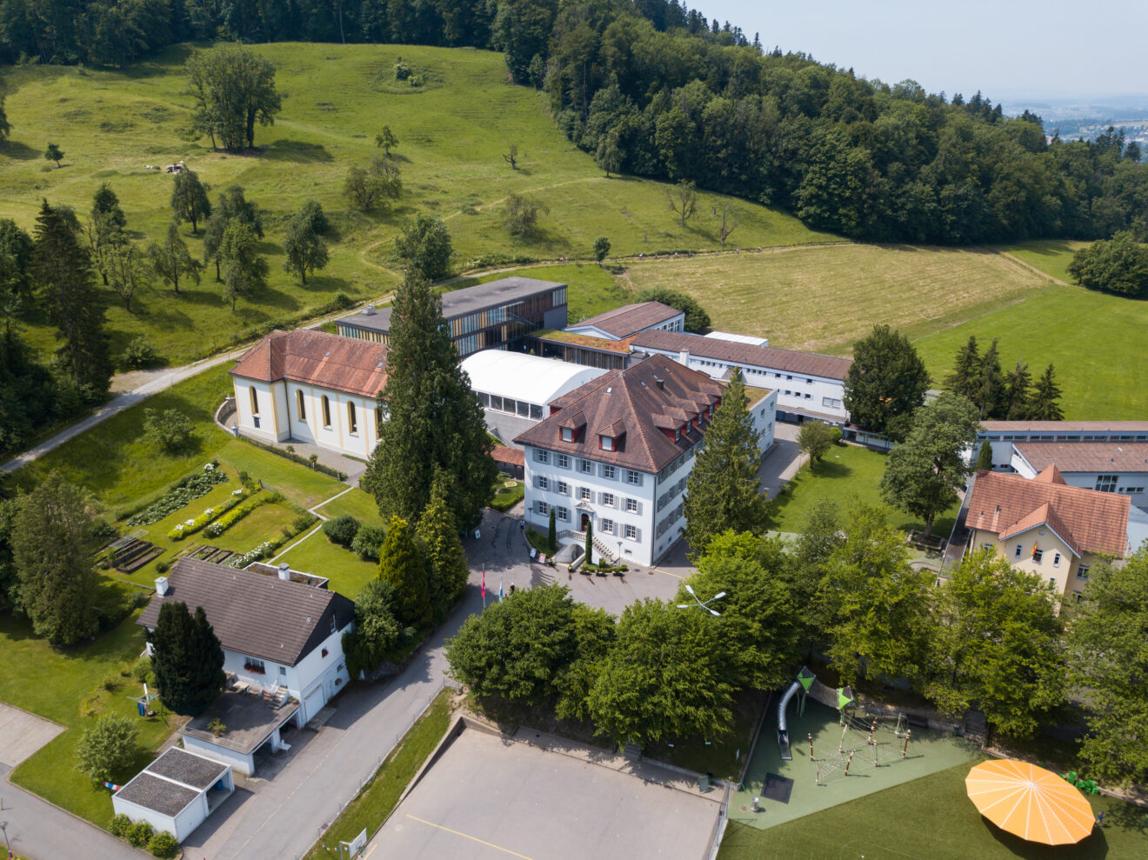
A boarding school in Zug, central Switzerland, was evacuated on Saturday after authorities received a written threat. Police and emergency services quickly responded to the incident, moving students and staff to safety while conducting a thorough security operation.

The threat was reported shortly after 4:00 PM, prompting Swiss police to deploy emergency teams to the area. Officers immediately secured the location, established a safety perimeter, and evacuated the affected buildings as a precautionary measure.

Around 30 students and caretakers were present at the school when the threat was received. Emergency personnel safely relocated everyone to a secure location, where they remained under supervision during the investigation.

Police carried out a detailed search of the school premises to identify any potentially dangerous or suspicious objects. After several hours of inspections, authorities confirmed that no suspicious items were found anywhere on the property.

The operation concluded at approximately 8:00 PM when emergency services declared the area safe. Students and staff were then allowed to return to the boarding school without incident.

Swiss police emphasized that there was never any danger to the wider public. Authorities acted swiftly to ensure the safety of everyone involved while maintaining security throughout the operation.

Investigators are now working to determine who was responsible for the threat and what motives may have been behind it. The case remains under active investigation, and officials have not yet released further details.

The incident highlights the rapid response procedures used by Swiss emergency services when potential threats are reported at educational institutions. Authorities continue to encourage the public to report suspicious activities to help maintain public safety.